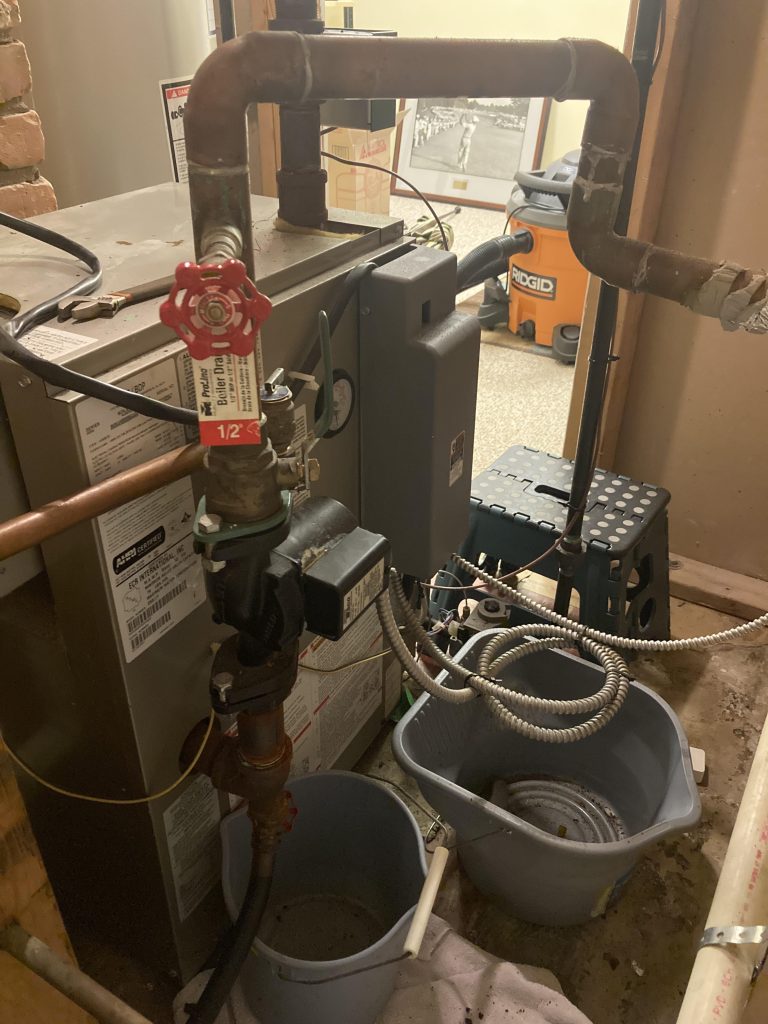
Is your heating system making strange noises or not warming your home properly? You might have air trapped inside the pipes.
Getting the air out of your heating system is a simple step that can save you money, boost comfort, and extend the life of your equipment. In this guide, you’ll learn easy and effective ways to remove that unwanted air.
By the end, you’ll know exactly how to fix your heating system and enjoy cozy warmth again. Keep reading—you’re just a few steps away from a more efficient home.
Credit: www.powrmatic.co.uk
Signs Of Air In Heating Systems
Air trapped in your heating system can cause problems. It stops hot water from moving freely inside the pipes.
Knowing the signs of air in your system helps you fix it early. This keeps your home warm and comfortable.
Noisy Radiators
Air inside radiators often makes strange noises. You might hear banging, gurgling, or knocking sounds.
These noises happen because air blocks water flow. The water and air create bubbles that move and make noise.
- Banging sounds mean trapped air is pushing water
- Gurgling shows air bubbles moving in pipes
- Knocking happens when air stops water flow suddenly
Cold Spots
Air in radiators causes cold spots where heat does not reach. Parts of the radiator stay cool while others get warm.
Cold spots happen because air stops hot water from spreading evenly. This lowers the radiator’s ability to heat the room.
- Cold areas show trapped air inside the radiator
- Hot water cannot flow through blocked sections
- These spots reduce overall heating efficiency
Uneven Heating
Air in the heating system causes some rooms to be warmer than others. You might feel hot in one room and cold in another.
Uneven heating means air blocks water flow in parts of the pipes. This stops heat from reaching all areas of your home.
- Rooms far from the boiler may be colder
- Blocked pipes reduce heat supply to some rooms
- Air causes poor circulation in the whole system

Credit: www.reddit.com
Tools Needed For Air Removal
Removing air from a heating system keeps it working well. Using the right tools makes the job easier. Below are the key tools you need to get air out safely.
Each tool has a simple role. Knowing how to use them helps you avoid damage and save time.
Radiator Key
A radiator key is a small tool that fits the valve on your radiator. It lets you open the valve to release trapped air. Without it, you cannot bleed the radiator properly.
- Fits most radiator valves
- Easy to turn and control air release
- Usually made of metal for durability
- Small and easy to store
Cloth Or Small Container
You need a cloth or small container to catch water that may leak when air is released. This keeps your floor and walls dry and clean.
| Item | Purpose | Tips |
| Cloth | Absorbs water spills | Use an old towel or rag |
| Small Container | Collects leaking water | Choose a container with a wide opening |
Preparing Your Heating System
Removing air from your heating system helps it work better. Start by preparing the system safely before you bleed the radiators.
Follow these steps to prepare your heating system and avoid any damage or accidents.
Turn Off The Boiler
Switch off your boiler to stop heating water. This prevents hot water from circulating while you work on the system.
- Locate the boiler’s main switch or power button.
- Turn it off completely to cut power.
- Check that the boiler is no longer running.
Allow System To Cool
Let the heating system cool down before you start bleeding. Hot water can cause burns or damage the system.
| Cooling Time | Reason |
| At least 30 minutes | Water temperature drops to safe levels |
| Check radiators | Make sure they feel warm, not hot |
| Use gloves | Protect hands when touching parts |
Bleeding Radiators Step-by-step
Air trapped in your heating system can stop radiators from warming properly. Bleeding radiators removes this air and improves heat flow. It is a simple task that anyone can do with the right tools.
Follow these steps to safely bleed your radiators and get your heating system working efficiently again.
Locate The Bleed Valve
First, find the bleed valve on your radiator. It is usually a small valve near the top corner. The valve often looks like a square or a slot for a radiator key.
Use Radiator Key To Open Valve
Use a radiator key to turn the bleed valve slowly. Turn it counterclockwise just enough to open the valve. You will hear a hissing sound as air escapes.
- Hold a cloth or small container under the valve to catch water.
- Turn the valve slowly to avoid water spraying.
- Stop turning once water starts to flow steadily.
Release Air Until Water Flows
Let the air escape until water flows out in a steady stream. This shows the radiator is full of water and no air remains. Keep the valve open only as long as needed.
Close The Valve Securely
Turn the bleed valve clockwise to close it tightly. Make sure it is sealed to prevent water leaks. Check the radiator pressure and top up the system if needed.
| Tool | Purpose |
|---|---|
| Radiator key | To open and close the bleed valve safely |
| Cloth or container | To catch escaping water during bleeding |
| Pressure gauge | To check system pressure after bleeding |
Checking System Pressure
Air in your heating system can cause noise and reduce heat. Checking the system pressure helps find this issue.
Proper pressure keeps water flowing and removes trapped air effectively. You should check it regularly.
Find The Pressure Gauge
The pressure gauge shows the current pressure inside the heating system. It is usually near the boiler.
The gauge looks like a small round dial with numbers and a needle pointing to the pressure.
- Locate the boiler unit first
- Look for a round dial with colored zones
- Check the needle position on the gauge
Adjust Pressure If Necessary
The ideal pressure usually falls between 1 and 2 bars. Too low or too high pressure can cause problems.
If pressure is low, add water using the filling loop. If high, release some water through a valve.
- Check the pressure gauge reading
- Add water slowly if below 1 bar
- Drain a small amount if above 2 bars
- Recheck pressure after adjustment
Preventing Air Build-up
Air trapped in a heating system can cause noises and reduce warmth. It is important to remove air regularly to keep the system working well.
Taking simple steps can prevent air from building up and stop problems before they start.
Regular Maintenance Tips
Check your heating system often to catch any air build-up early. Bleed radiators to release trapped air and improve heat flow.
- Turn off the heating and let the system cool.
- Use a radiator key to open the valve gently.
- Listen for hissing sounds showing air escaping.
- Close the valve when water starts to flow.
- Repeat for all radiators in the system.
System Inspections
Have a professional inspect your heating system yearly. They check for leaks and make sure air does not enter the system.
| Inspection Item | Purpose | Frequency |
| Pressure Check | Keep pressure stable | Monthly |
| Bleeding Radiators | Remove trapped air | Seasonal |
| Valve Testing | Ensure valves work well | Yearly |
| Leak Inspection | Prevent air entry | Yearly |

Credit: www.reddit.com
Frequently Asked Questions
How Do I Know If My Heating System Has Air?
You may hear gurgling sounds or notice uneven heating. Radiators might feel cold at the top and warm at the bottom. These signs indicate trapped air in the system, which reduces heating efficiency and comfort.
What Tools Are Needed To Bleed A Heating System?
You only need a radiator key or a flat screwdriver. Some modern systems might require a specific valve tool. Always have a cloth or small container handy to catch escaping water during bleeding.
How Often Should I Bleed My Heating System?
Bleed your heating system once or twice a year, ideally before the heating season starts. Regular bleeding ensures efficient heat distribution and prevents air buildup that can damage the system.
Can I Bleed My Heating System Myself Safely?
Yes, bleeding a heating system is safe if you follow instructions carefully. Turn off the heating first and release air slowly to avoid water spills. If unsure, consult a professional for guidance.
Conclusion
Bleeding air from your heating system keeps it working well. Trapped air can cause cold spots and noise. Regularly releasing air improves heat flow and comfort. Always follow safety steps and use the right tools. A well-maintained system saves energy and lowers bills.
Simple care makes your home warmer and safer. Don’t wait for problems; act early to avoid damage. Keep your heating system healthy all winter long. Easy steps bring big benefits to your home’s warmth.