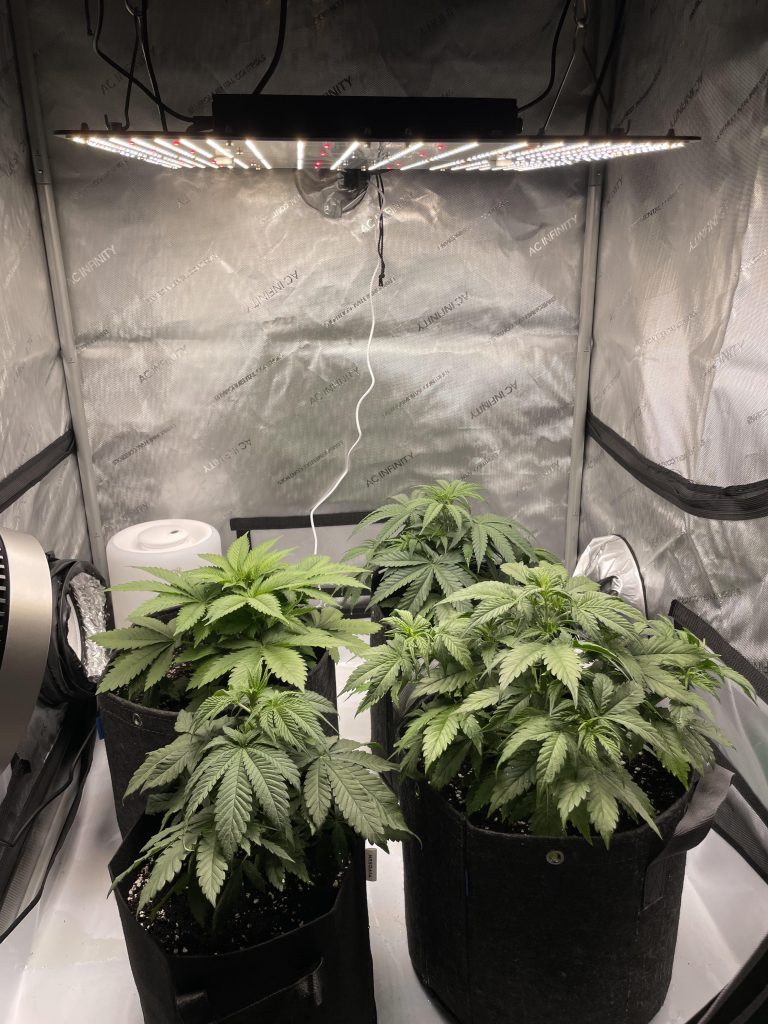
Keeping the temperature down in your grow tent can be a real challenge, but it’s one you can master. If your plants get too hot, they won’t grow as well, and you could lose your hard work.
You want a cool, stable environment that helps your plants thrive without wasting energy or money. You’ll discover simple, effective ways to control the heat inside your grow tent. By the end, you’ll have the tools and tips you need to create the perfect climate for your plants every time.
Ready to keep your grow tent cool and your plants happy? Let’s dive in.
Causes Of Heat Buildup
Heat buildup in a grow tent can harm plants and reduce growth. Understanding the causes helps keep temperature down.
This guide explains common reasons for heat buildup in grow tents. Lighting systems, ventilation, and outside factors all play a role.
Lighting Systems And Heat
Grow lights are a major source of heat inside tents. Different types produce different heat levels.
- High-intensity discharge (HID) lights create a lot of heat.
- LED lights run cooler but still add some heat.
- Fluorescent lights produce the least heat.
- Long hours of lighting increase temperature.
Ventilation Issues
Poor airflow traps heat inside the tent. Ventilation helps remove hot air and bring in cooler air.
| Ventilation Problem | Effect on Temperature |
| Blocked air intake | Hot air stays inside |
| Weak exhaust fan | Slow heat removal |
| No circulation fans | Uneven heat spots |
External Environment Factors
Outside heat and tent placement also affect inside temperature. Hot rooms or direct sunlight increase heat.
Common external factors that raise grow tent heat:
- Warm room temperature
- Sunlight shining on tent walls
- Poor insulation or thin tent material
- Nearby heat sources like heaters or electronics

Credit: www.reddit.com
Choosing The Right Equipment
Keeping the temperature low in a grow tent is important for healthy plants. Choosing the right equipment helps control heat efficiently.
Good equipment keeps your tent cool and saves energy. This makes growing easier and better.
Low-heat Grow Lights
Low-heat grow lights produce less heat than traditional bulbs. They help keep the tent temperature stable.
LED lights are a popular choice. They use less energy and stay cool while giving plants enough light.
- Use LED or fluorescent lights
- Avoid high-wattage incandescent bulbs
- Check heat output before buying
Efficient Fans And Exhausts
Fans and exhaust systems remove hot air from the grow tent. They bring in fresh, cooler air to lower temperature.
Choose fans with good airflow and quiet operation. Proper exhaust prevents heat buildup inside the tent.
- Install intake and exhaust fans
- Use oscillating fans for air circulation
- Match fan size to tent dimensions
Temperature Controllers
Temperature controllers help keep grow tent heat steady. They turn fans and heaters on and off automatically.
These devices stop the tent from getting too hot or too cold. You can set the desired temperature easily.
- Set temperature limits for fans and heaters
- Monitor temperature with built-in sensors
- Use digital controllers for accuracy
Improving Airflow
Keeping the temperature down in a grow tent is important for healthy plants. Good airflow helps control heat and humidity.
We will look at ways to improve airflow by placing intakes and exhausts, using fans, and using ducting.
Intake And Exhaust Placement
Place the intake vent near the bottom of the tent. Cool air enters here and pushes warm air up. Put the exhaust vent near the top to let hot air escape.
Make sure intake is not blocked. Use a screen to keep bugs out but allow good air flow. This setup creates a natural air flow path.
Using Oscillating Fans
Oscillating fans move air around inside the grow tent. This stops hot spots and helps plants get fresh air evenly.
- Place fans above plants to circulate air without blowing directly on them.
- Use fans to push air from intake to exhaust vents.
- Adjust fan speed to avoid drying out plants.
Ducting Strategies
Use ducting to guide air through the tent. Keep ducting straight and short for best airflow. Avoid sharp bends that slow air.
| Tip | Reason |
| Use insulated ducting | Reduces heat gain from outside air |
| Seal all duct joints | Prevents air leaks and loss of airflow |
| Install duct fan near exhaust | Helps pull hot air out faster |
Cooling Techniques
Keeping the temperature down in a grow tent is important for healthy plants. High heat can stress plants and slow growth.
This guide explains simple ways to cool your grow tent using different techniques.
Evaporative Cooling Methods
Evaporative cooling uses water to lower the air temperature. It works best in dry climates.
You can use a wet cloth or sponge near a fan to cool the air inside the tent.
- Place a damp towel in front of a fan
- Use a small spray bottle to mist the air
- Install a swamp cooler for larger tents
Air Conditioning Options
Air conditioners remove heat and humidity from the tent. They keep temperature steady for plant growth.
Portable AC units fit well in small spaces. Window units work for tents near a window.
- Choose a unit with the right cooling capacity
- Use insulated ducts to direct cool air
- Ensure proper drainage for condensation
Water Cooling Systems
Water cooling systems use chilled water to absorb heat from the grow tent.
These systems include water-cooled chillers or cooling coils. They are efficient but need more setup.
- Water chillers cool water before it circulates
- Cooling coils transfer heat from air to water
- Use pumps to move water through the system
- Regularly check for leaks and clean filters
Monitoring And Maintenance
Keeping the temperature low in a grow tent is important for healthy plants. You need to watch the temperature and take care of your equipment.
Regular checks and adjustments help keep the environment just right. This guide explains how to monitor and maintain temperature control.
Temperature Monitoring Tools
Use tools that show the temperature inside your grow tent. These tools help you know if it is too hot or cold.
Thermometers and digital temperature sensors are common choices. Some tools also measure humidity, which affects temperature.
- Analog thermometers are simple and cheap.
- Digital sensors give accurate readings.
- Data loggers track temperature over time.
- Smart monitors connect to your phone.
Regular Equipment Checks
Check your fans, vents, and air conditioners often. Clean or fix them if they are dirty or broken.
Look for dust, blockages, or loose wires. Proper equipment helps keep the temperature steady and safe.
- Clean fan blades and filters monthly.
- Ensure vents open and close smoothly.
- Test air conditioners before use.
- Check power cords for damage.
Adjusting Settings For Optimal Results
Change your equipment settings based on temperature readings. Set fans and vents to cool the tent efficiently.
Use timers or thermostats to automate cooling. Adjust light schedules to reduce heat during the hottest hours.
- Set fans to run when temperature rises.
- Open vents to allow fresh air in.
- Use thermostats to control AC units.
- Turn off lights during peak heat.

Credit: www.reddit.com
Additional Tips
Keeping the temperature down in a grow tent is important for healthy plants. There are simple ways to control heat beyond fans and vents.
These extra tips help keep your grow tent cool and create a better environment for your plants.
Timing Light Cycles
Lights produce heat, so timing your light cycles can lower the temperature. Run lights during cooler times of the day.
Switching lights off during the hottest hours reduces heat build-up inside the tent.
- Set lights on a timer to run at night or early morning
- Use shorter light periods if possible
- Avoid running lights during midday heat
Using Reflective Materials
Reflective materials help spread light evenly and reduce hot spots. They also prevent heat from building up in one area.
Cover your grow tent walls with reflective materials like Mylar to bounce light and lower heat.
- Use Mylar or white paint on walls
- Keep reflective surfaces clean for best results
- Avoid dark materials that absorb heat
Managing Humidity Levels
Humidity affects temperature inside the grow tent. High humidity can make heat feel worse for plants.
Use a dehumidifier or increase airflow to keep humidity balanced and reduce heat stress.
- Monitor humidity with a hygrometer
- Use fans to improve air movement
- Run a dehumidifier if humidity is too high

Credit: www.reddit.com
Frequently Asked Questions
How Can I Lower Heat Inside My Grow Tent Effectively?
Use proper ventilation like exhaust fans and intake vents. Add oscillating fans to improve air circulation. Avoid high-heat lights and consider LED alternatives to reduce heat output.
What Are The Best Cooling Methods For Grow Tents?
Use air-cooled reflectors, ventilation systems, and portable air conditioners. Ice packs or frozen water bottles can temporarily lower temperature inside the tent.
How Does Lighting Affect Grow Tent Temperature?
High-intensity lights like HPS produce more heat. Switching to LED lights reduces heat and energy consumption, keeping the tent cooler.
Can Humidity Control Help Reduce Grow Tent Temperature?
Yes, maintaining optimal humidity prevents heat buildup. Use dehumidifiers or humidifiers to balance moisture and avoid excessive heat retention.
Conclusion
Keeping your grow tent cool helps plants grow strong and healthy. Use fans and vents to move hot air out. Place your lights higher or use cooler bulbs. Monitor temperature often to avoid heat stress. Simple steps make a big difference in your garden’s success.
Stay consistent and your plants will thank you with better growth. Controlling heat is key for a thriving grow tent.