Are you wondering what temperature your air conditioner should be set at to keep your home comfortable and your energy bills low? Finding the perfect balance between staying cool and saving money can be tricky.
Setting your AC too low wastes energy, while setting it too high leaves you feeling uncomfortable. You’ll discover the ideal temperature settings that work best for your health, comfort, and wallet. Keep reading to learn simple tips that make a big difference in how your AC performs every day.
Credit: www.tomsguide.com
Ideal Temperature Settings
Setting the air conditioner to the right temperature saves energy and keeps you comfortable. Different times of day and seasons need different settings. Adjusting your AC properly can lower bills and improve air quality.
Learn the best temperatures to set your AC during the day, night, and through the seasons. These simple tips help you stay cool without wasting power.
Daytime Temperatures
During the day, the temperature outside is usually higher. Setting your air conditioner too cold can waste energy. Experts suggest a moderate setting to balance comfort and savings.
- Set your AC between 75°F and 78°F (24°C to 26°C) during daytime.
- Use fans to help circulate air and feel cooler.
- Close curtains to block heat from sunlight.
- Avoid setting the temperature lower than needed.
Nighttime Settings
At night, your body cools down naturally. You can raise the AC temperature slightly to save energy and still stay comfortable. A warmer setting helps you sleep better.
- Set the AC between 78°F and 80°F (26°C to 27°C) at night.
- Use a programmable thermostat to adjust temperature automatically.
- Keep bedroom windows closed to keep cool air inside.
- Use lightweight bedding to avoid feeling too cold.
Seasonal Adjustments
Seasonal changes affect how you should set your air conditioner. Summer needs cooler settings, while spring and fall require less cooling. Adjust your AC to match the outside weather for best results.
| Season | Recommended Daytime Temperature | Recommended Nighttime Temperature |
|---|---|---|
| Spring | 75°F (24°C) | 78°F (26°C) |
| Summer | 76°F (24.5°C) | 79°F (26°C) |
| Fall | 75°F (24°C) | 78°F (26°C) |
| Winter (if AC used) | 78°F (26°C) | 80°F (27°C) |
Factors Influencing Temperature Choice
Setting the right air conditioner temperature depends on many factors. These factors help balance comfort and energy use.
Understanding these factors will help you choose the best temperature for your home.
Outdoor Climate Impact
The outside weather plays a big role in deciding your AC temperature. Hot and humid days need cooler settings. Cooler outside weather may allow for higher AC temperatures.
- High humidity makes rooms feel warmer.
- Very hot days require stronger cooling.
- Mild weather means you can set higher temperatures.
- Nighttime temperatures may allow warmer settings.
Home Insulation Quality
The quality of your home’s insulation affects how well it keeps cool air inside. Good insulation lowers the need for very cold AC settings.
| Insulation Type | Effect on AC Temperature |
| High-Quality Insulation | Allows higher temperature settings |
| Standard Insulation | Needs moderate cooling |
| Poor Insulation | Requires lower temperature settings |
Occupant Comfort Preferences
People have different comfort levels. Some like it cooler, others prefer it warmer. Setting the AC should fit the needs of those living in the home.
- Adjust temperature for children or elderly.
- Consider activity level inside the home.
- Use fans to help circulate air and increase comfort.
- Set different zones if possible for varied preferences.
Energy Efficiency Tips
Setting your air conditioner at the right temperature helps save energy. Small changes in settings can lower your electricity bills. Use simple tips to keep your home cool and efficient.
Understanding how to use your AC unit well can make a big difference. Follow these easy steps to improve energy efficiency without losing comfort.
Using Programmable Thermostats
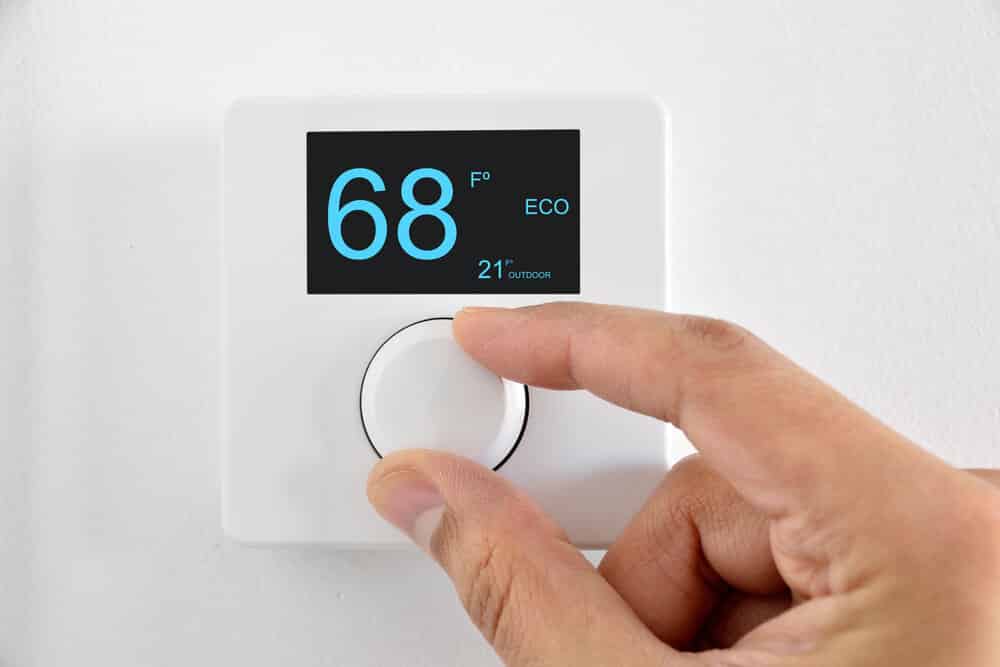
Programmable thermostats help control your AC without wasting energy. You can set different temperatures for day and night or when you are away.
- Set the thermostat to 78°F (26°C) when you are home.
- Raise the temperature to 85°F (29°C) when you leave the house.
- Lower the temperature slightly before you return home.
- Use the timer to avoid cooling an empty room.
Maintaining Your Ac Unit
Keeping your AC unit clean and well-maintained improves its performance. Dirty filters and parts make your system work harder and use more power.
| Maintenance Task | Frequency | Benefit |
|---|---|---|
| Clean or replace air filters | Every 1-3 months | Better airflow and efficiency |
| Check refrigerant levels | Yearly | Proper cooling and energy use |
| Clear debris from outdoor unit | Monthly during summer | Improved air circulation |
| Schedule professional tune-ups | Once a year | Longer AC lifespan and savings |
Smart Cooling Practices
Smart cooling habits help your AC work less. Simple changes in your daily routine can save energy and keep your home comfortable.
- Use fans to help air flow and feel cooler.
- Close curtains to block out sunlight during the day.
- Avoid using heat-producing appliances in the afternoon.
- Keep doors and windows closed while cooling your home.
- Set the AC to a higher temperature when possible.
Credit: fischerheating.com
Health And Safety Considerations
Setting your air conditioner correctly helps keep you healthy. The right temperature avoids sickness and discomfort.
Good air conditioner settings protect your body and improve your home’s air quality.
Avoiding Overcooling
Setting the air conditioner too cold can cause health problems. Overcooling may lead to dry skin and sore throats.
Keep the temperature around 75°F (24°C) to stay comfortable and safe.
- Too cold air can weaken your immune system
- Sudden temperature changes may cause headaches
- Use a timer to avoid running AC all night
Humidity Control
Air conditioners help control humidity inside your home. High humidity causes mold and dust mites to grow.
Keep indoor humidity between 30% and 50% for good health and comfort.
- Use AC to reduce moisture in the air
- Consider a dehumidifier if humidity stays high
- Proper humidity protects your lungs and skin
Air Quality Management
Good air quality prevents allergies and breathing problems. Your AC can help remove dust and pollen.
Clean or replace AC filters regularly to keep the air fresh and healthy.
- Check filters every month during heavy use
- Use high-quality filters to trap small particles
- Keep windows closed when AC is running
Cost Saving Strategies
Setting your air conditioner correctly helps you save money on energy bills. Small changes in temperature can lower costs. Using smart cooling habits keeps your home comfortable and efficient.
Here are some tips on the best temperature settings and other ways to cool your home without spending too much.
Optimal Temperature For Savings
Setting your air conditioner to a moderate temperature saves energy. The U.S. Department of Energy suggests 78°F (26°C) when you are home. This temperature balances comfort and efficiency.
- Set temperature higher when you leave home
- Use a programmable thermostat to adjust settings automatically
- Avoid setting the temperature too low; it increases energy use
- Keep doors and windows closed while cooling
Peak Hour Cooling Tips
Energy costs rise during peak hours, usually in the afternoon. Reducing air conditioner use at these times cuts your bill. Use fans or close curtains to keep cool.
| Time | Cooling Tip |
| 12 PM – 4 PM | Use fans instead of AC |
| 4 PM – 6 PM | Close curtains to block heat |
| After 6 PM | Turn AC back on if needed |
Alternative Cooling Methods
Other ways to cool your home can reduce air conditioner use. These methods save money and energy while keeping you comfortable.
- Use ceiling or portable fans to move air
- Keep blinds or curtains closed during hot days
- Plant trees or install shades outside windows
- Use natural ventilation during cooler parts of the day
Troubleshooting Common Issues
Setting the right temperature on your air conditioner is important for comfort. Sometimes, problems with cooling can happen even if the temperature is correct.
Here are some common issues and how to check or fix them to keep your room cool and comfortable.
Temperature Fluctuations
Temperature changes a lot during the day can make you feel uncomfortable. This often happens when the AC cycles on and off too much.
Check if the thermostat is set too low or too high. Also, dirty filters can cause the AC to work harder and cause uneven temperature changes.
- Clean or replace air filters regularly
- Set thermostat to a steady temperature
- Ensure no doors or windows are open
Uneven Cooling
Some rooms may feel colder than others. This means the air conditioner is not cooling the space evenly.
Check if vents are blocked or closed. Furniture or curtains can block airflow. Also, the size of the AC may not fit the room size.
- Open all vents and doors
- Move furniture away from vents
- Use fans to help air circulate
- Make sure your AC unit is the right size
Thermostat Problems
If your air conditioner does not cool properly, the thermostat might be the issue. It may show wrong temperature or not respond to changes.
Try replacing batteries if it is battery-powered. Make sure the thermostat is not near heat sources or direct sunlight. Resetting the thermostat can also help.
- Change thermostat batteries if needed
- Keep thermostat away from sunlight or heat
- Reset thermostat to factory settings
- Call a professional if problems continue

Credit: www.reddit.com
Frequently Asked Questions
What Is The Ideal Temperature To Set An Air Conditioner?
The ideal temperature is typically 78°F (25-26°C) for comfort and energy savings. This balances coolness and efficiency. Adjust slightly based on personal preference and humidity levels for best results.
How Does Temperature Setting Affect Energy Bills?
Higher temperature settings reduce energy use and lower bills. Every degree above 72°F can save about 3-5% on cooling costs. Setting your AC wisely helps balance comfort and electricity expenses.
Should I Change Ac Settings When Not Home?
Yes, raising the thermostat by 7-10 degrees when away saves energy. It prevents unnecessary cooling, reducing costs. Use a programmable thermostat for automatic adjustments during absences.
Can Setting Ac Too Low Harm The System?
Setting your AC too low forces it to work harder, causing wear. It increases energy use and can shorten the unit’s lifespan. Maintain moderate settings to protect your system.
Conclusion
Setting your air conditioner at the right temperature saves energy and money. Keep it around 78 degrees Fahrenheit for comfort and efficiency. This helps the unit work less and cool your home well. Adjust a bit if you feel too hot or cold.
Small changes can make a big difference. Staying mindful of your AC setting keeps your home pleasant all summer. Simple habits like this make life easier and your bills lower. Try these tips and enjoy a cooler, cost-friendly space.