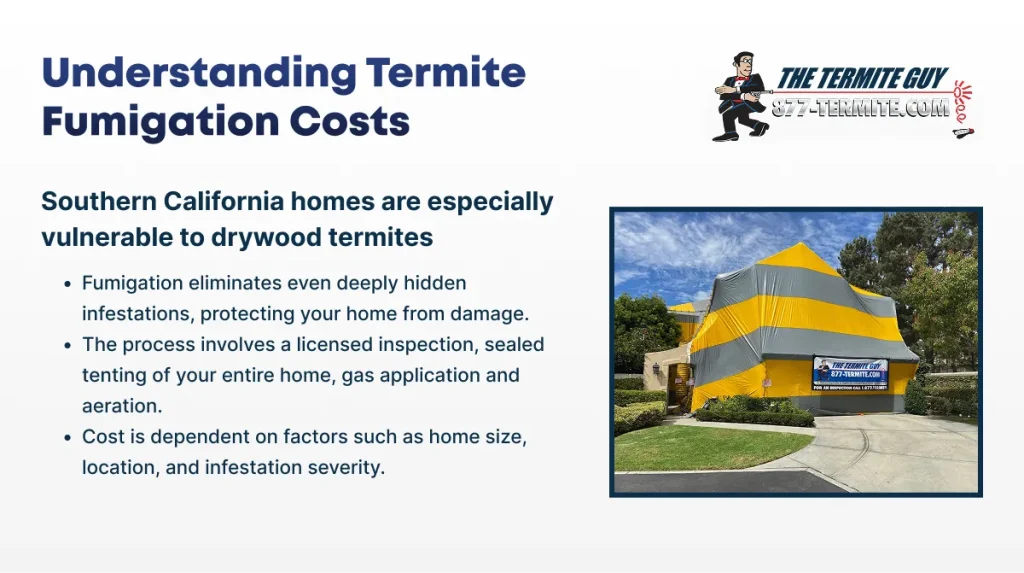
Are you worried about termites damaging your home? You might be wondering, “How much does it cost to tent a house for termites?”
Protecting your home is important, but the price can feel confusing and overwhelming. You’ll discover clear answers about tenting costs, what affects the price, and how to get the best value. Keep reading to learn how to safeguard your home without breaking the bank.
Credit: www.agpest.com
Factors Influencing Tent House Costs
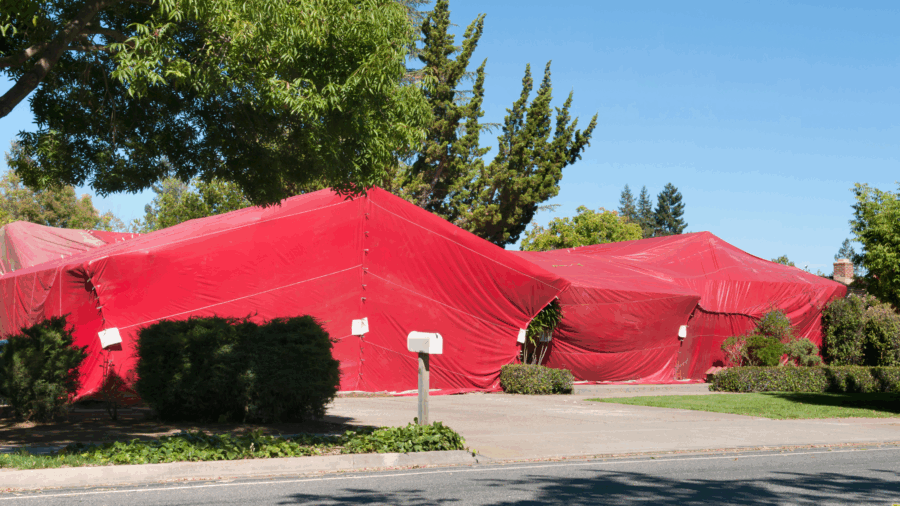
Tenting a house for termites is a common way to clear infestations. The cost of tenting varies based on several factors. Knowing these factors can help you understand the price range.
The cost depends on the home’s size, the infestation severity, the chemicals used, and the location. Each factor affects the total price differently.
Home Size And Structure
The bigger the house, the higher the tenting cost. Large homes need more materials and labor. Complex structures also increase the price because they take longer to cover.
Buildings with multiple stories or unusual shapes require extra care. This adds to the time and effort needed for tenting.
Severity Of Infestation
The level of termite damage changes the treatment cost. A mild infestation needs less chemical and time. A severe one means more work and stronger chemicals.
- Light infestation: Lower cost
- Moderate infestation: Medium cost
- Heavy infestation: Higher cost
Treatment Chemicals Used
Different chemicals have different prices. Some are eco-friendly but cost more. Others are standard and less expensive. The choice affects the overall expense.
| Chemical Type | Cost Range |
| Standard Chemicals | Low to Medium |
| Eco-Friendly Chemicals | Medium to High |
| Specialized Chemicals | High |
Location And Accessibility
Where your house is can change the cost. Remote areas may add travel fees. Hard-to-access homes take more time to set up the tent.
Factors that affect location costs include:
- Distance from the service provider
- Ease of access to the property
- Local regulations and permits
Credit: gorocketpest.com
Typical Price Ranges
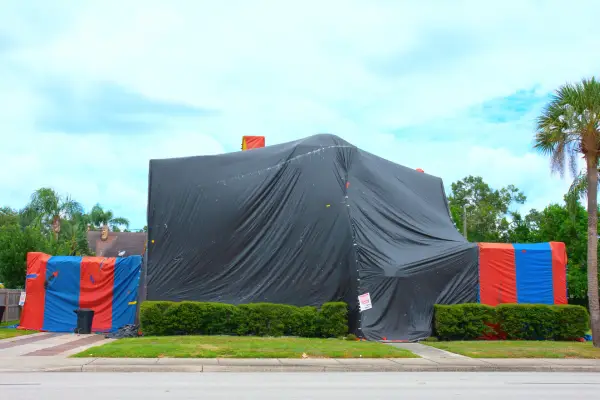
Tenting a house for termites protects wood from damage. The cost varies by home size and location. Knowing typical prices helps you plan your budget.
Prices depend on the home’s square footage, the severity of infestation, and any extra services needed. Let’s look at common price ranges for different home sizes and extra fees.
Average Cost For Small Homes
Small homes usually cost less to tent. These homes are often under 1,000 square feet. The price covers labor, chemicals, and tent setup.
- Cost range: $800 to $1,500
- Tenting time: 2 to 4 days
- Includes basic inspection
- May require temporary relocation
Costs For Medium To Large Homes
Medium and large homes need more chemicals and time. These homes are over 1,000 square feet and may have complex layouts. Prices rise with size and infestation level.
| Home Size | Square Footage | Price Range | Tenting Duration |
|---|---|---|---|
| Medium Home | 1,000 – 2,000 sq ft | $1,500 – $3,000 | 3 to 5 days |
| Large Home | Over 2,000 sq ft | $3,000 – $6,000+ | 5 to 7 days |
Additional Fees And Charges
Extra costs may apply beyond tenting. These fees vary by company and situation. Knowing them avoids surprise charges.
- Inspection fees: $100 to $300
- Re-treatment charges if termites return
- Structural repairs from termite damage
- Relocation expenses during tenting
- Permit or disposal fees in some areas
Cost Components Explained
Tenting a house for termites involves several cost factors. Understanding these helps you prepare financially. Each step in the process adds to the total price.
Costs vary by house size, location, and treatment complexity. Here are the main components that affect the cost.
Inspection And Assessment Fees
Before tenting, professionals inspect your home for termite damage and infestation levels. This step helps decide the best treatment plan. The fee covers labor and report preparation.
Preparation And Tent Setup
Preparing your house for tenting takes time and care. This includes moving furniture, sealing openings, and setting up the tent. Proper setup ensures effective fumigation.
- Clear indoor spaces and remove perishables
- Cover or remove plants near the house
- Seal vents, doors, and windows
- Install the fumigation tent securely
Fumigation Process
This is the core treatment where the tent is filled with gas. The gas kills termites throughout the house, including hidden areas. The process lasts 24 to 72 hours depending on conditions.
| Cost Factor | Description | Typical Range |
| Gas Used | Type and amount of fumigant | $100 – $500 |
| Labor | Time to monitor and manage fumigation | $200 – $700 |
| Duration | Length of tenting period | 1-3 days |
Post-treatment Services
After fumigation, the tent is removed and the house is aired out. Professionals check for gas levels before you return. Some services include follow-up inspections and repairs.
- Tent removal and disposal
- Air quality testing
- Follow-up termite inspections
- Repair of minor damage caused during treatment
Ways To Save On Tent House Treatment
Tent house treatment for termites can be costly. Saving money is important for many homeowners.
There are simple ways to reduce the cost without lowering the quality of the service.
Comparing Quotes From Professionals
Get quotes from several pest control companies before choosing one. Prices can vary a lot.
Compare what each quote includes. Some may offer extra services or warranties.
- Ask for a detailed price breakdown
- Check if the quote includes follow-up visits
- Look for companies with good reviews
Seasonal Discounts And Offers
Termite treatments can be cheaper during off-peak seasons. Pest companies offer discounts then.
Keep an eye out for special deals or promotions. Booking early can sometimes save money.
- Ask about discounts before hiring
- Check company websites for offers
- Plan treatment in less busy months
Preventive Measures To Reduce Costs
Taking steps to prevent termites lowers the chance of expensive treatments later.
Simple actions around your home keep termites away and protect your investment.
- Fix leaks and reduce moisture near your house
- Keep wood and debris away from the foundation
- Regularly inspect your home for signs of termites
- Seal cracks and gaps in walls and floors
Alternative Termite Treatment Options
Tenting a house for termites is one way to control them. It can be costly and disruptive. Some people look for other ways to treat termite problems.
There are several alternative treatments available. These methods can be less invasive and fit different budgets.
Spot Treatments
Spot treatments target the specific areas where termites are active. These treatments use chemicals to kill termites in small zones.
This method is less disruptive than tenting. It is good for early infestations or isolated damage.
Baiting Systems
Baiting systems use small stations placed around your home. Termites eat the bait and carry poison back to their colony.
This method takes time but can reduce termite populations over weeks or months. It is safe and uses less chemical.
- Stations are placed in the ground
- Termites feed on bait containing slow-acting poison
- Colony is gradually eliminated
Liquid Termiticides
Liquid termiticides are chemicals applied to the soil around and under your home. They create a barrier termites cannot cross.
This treatment prevents termites from entering the house. It may require drilling or trenching to apply the liquid properly.
- Applied in soil around the foundation
- Creates a protective barrier
- Needs professional application for best results

Credit: www.proventermitesolutions.com
When To Choose Tent Fumigation
Tent fumigation is a strong way to kill termites in your home. It works by sealing your house under a tent and filling it with gas.
This method is best for serious termite problems. It reaches all parts of your home where termites hide.
Signs Of Severe Infestation
Severe termite infestation shows many clear signs. Look for these to know if you need tent fumigation.
- Visible piles of termite wings near windows or doors
- Hollow-sounding wood in walls or floors
- Cracked or bubbling paint on wooden surfaces
- Swollen or damaged wood structures
- Presence of mud tubes on walls or foundations
If you see many of these signs, termites may have deeply invaded your home. Tent fumigation can help remove them all.
Benefits Over Other Methods
Tent fumigation has strong benefits compared to other termite treatments. It kills termites everywhere in your home.
- Reaches termites inside walls, furniture, and wood
- Kills all termite stages, including eggs
- Works faster than spot treatments
- Does not leave harmful residues on surfaces
This makes tent fumigation a good choice for large or hidden termite problems.
Longevity Of Treatment Effects
Tent fumigation stops termites for a long time. The gas kills termites inside your home deeply.
It does not protect against future termite invasions. You should combine it with other prevention steps.
- Fumigation kills existing termites completely
- Does not leave lasting chemicals outside
- Follow-up treatments help prevent new infestations
- Regular home inspections keep termites away
Frequently Asked Questions
How Much Does It Cost To Tent A House For Termites?
Tenting a house for termites typically costs between $1,200 and $2,500. Prices vary based on house size, location, and infestation severity. Additional fees may apply for prep work or repairs. Always get multiple quotes for accurate pricing.
What Factors Affect Termite Tenting Costs?
Costs depend on house size, infestation extent, and treatment chemicals used. Accessibility and local labor rates also influence prices. Larger homes and severe infestations generally cost more to tent and treat effectively.
How Long Does Termite Tenting Treatment Take?
Termite tenting treatment usually lasts 2 to 4 days. The house must stay tented for at least 24 hours for gas to work. Afterward, airing out the home is essential before re-entry.
Is Termite Tenting The Only Treatment Option?
No, other options include liquid treatments, bait stations, and spot treatments. Tenting is best for severe infestations or whole-house eradication. Consult a pest control expert to choose the right method.
Conclusion
Tent house prices for termite treatment vary by size and location. Smaller homes cost less to tent than bigger ones. The type of chemicals used also affects the price. Always compare quotes from local pest control experts. Remember, investing in termite treatment protects your home’s value.
Early treatment can save you from costly repairs later. Choose a trusted company with good reviews. Keeping your home safe from termites is worth the cost. Act quickly to stop damage before it spreads. Your home deserves proper care and protection.