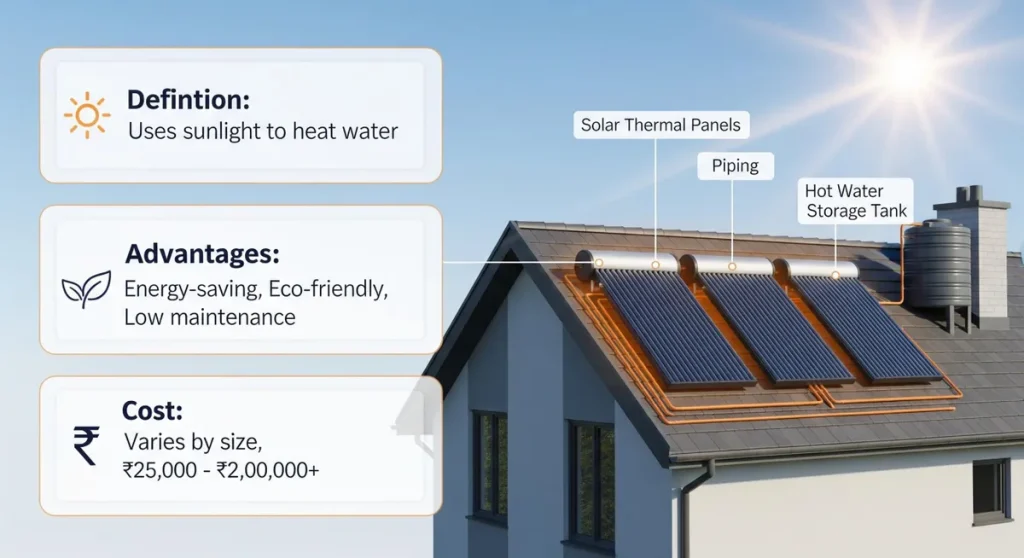
Are you looking for a way to cut down your energy bills while making your home more eco-friendly? Solar heating systems might be exactly what you need.
Imagine using the power of the sun to keep your home warm without relying on expensive electricity or gas. You’ll discover the key advantages of solar heating systems and how they can bring comfort, savings, and peace of mind to your life.
Keep reading to find out why switching to solar heating could be one of the smartest decisions you make this year.
Energy Savings
Solar heating systems use the sun’s energy to warm your home or water. This helps lower your energy use from other sources.
Using solar heat reduces the amount of electricity or gas you need. This saves money and helps the environment.
Lower Utility Bills
Solar heating systems cut down the amount of energy you buy from utilities. This reduces your monthly bills.
- Heats water using free solar energy
- Reduces need for electric or gas heating
- Works well in sunny and cold weather
- Can lower heating costs by up to 50%
Reduced Fossil Fuel Dependence
Solar heating lowers the use of fossil fuels like coal, oil, and natural gas. This helps reduce pollution and conserve resources.
| Benefit | Impact |
| Less coal and oil use | Cleaner air and water |
| Lower greenhouse gases | Slows climate change |
| Conserves natural resources | Protects ecosystems |
Environmental Impact
Solar heating systems use the sun’s energy to warm buildings and water. This method helps reduce pollution and protects nature.
Using solar heating lowers the need for fossil fuels, which are harmful to our planet. It supports cleaner air and a healthier environment.
Lower Carbon Emissions
Solar heating reduces the amount of carbon dioxide released into the air. This gas is a major cause of climate change.
- Solar systems do not burn fuel, so they do not emit carbon.
- They reduce the need for electricity from coal or gas plants.
- Lower carbon emissions help slow global warming.
- Cleaner air benefits human health and wildlife.
Sustainable Energy Source
Solar energy is renewable and never runs out. It is a safe and steady source of heat for homes and businesses.
| Benefit | Description |
| Renewable | Sunlight is always available each day. |
| Safe | Does not pollute air or water. |
| Reliable | Works in many climates with proper design. |
| Low Maintenance | Solar heating systems need little upkeep. |
Cost Benefits
Solar heating systems reduce energy bills by using the sun’s power. They provide a cheaper way to heat your home or water.
Understanding the financial advantages helps you see why solar heating is a smart choice for many families.
Government Incentives
Many governments offer programs that lower the cost of installing solar heating systems. These incentives make solar heating more affordable.
- Tax credits reduce the amount you owe on your taxes.
- Cash rebates give you money back after installation.
- Low-interest loans help you pay for the system over time.
- Grants support renewable energy projects for homeowners.
Long-term Investment Value
Solar heating systems increase the value of your home. They offer savings that add up over many years.
| Benefit | Details |
| Energy Savings | Lower heating bills reduce monthly expenses. |
| Increased Home Value | Homes with solar heating sell for higher prices. |
| System Lifespan | Solar heaters can last 20 years or more. |
| Low Maintenance | Systems need little upkeep, saving extra money. |
System Efficiency
Solar heating systems convert sunlight into heat energy. They provide an efficient way to warm buildings and water. Understanding system efficiency helps in choosing the right solution.
Efficiency depends on design, technology, and climate conditions. Well-designed systems reduce energy waste and lower heating costs.
Advanced Technology
Modern solar heating systems use improved materials and controls. These advances increase heat capture and reduce losses.
- High-performance solar collectors absorb more sunlight.
- Smart controllers optimize heat transfer and storage.
- Insulated pipes and tanks prevent heat loss.
- Durable components extend system lifespan.
Year-round Performance
Solar heating works through all seasons by adjusting to weather changes. Systems maintain efficiency even in cold or cloudy conditions.
| Season | Efficiency Factor | Performance Notes |
| Spring | 85% | Strong sunlight, moderate temperatures |
| Summer | 90% | Longest daylight hours, high heat output |
| Fall | 80% | Less sunlight, cooler temperatures |
| Winter | 70% | Short days, cold but still effective |
Maintenance And Durability
Solar heating systems offer reliable warmth using the sun’s energy. They require less effort to keep working well over time. Their strong build helps them last many years without major repairs.
Understanding their low maintenance needs and long lifespan shows why many choose solar heating systems for their homes and businesses.
Low Maintenance Requirements
Solar heating systems need little upkeep compared to other heating options. This saves time and money on repairs and service calls.
- Regular cleaning of solar panels keeps them efficient.
- Inspecting pipes and valves once a year helps prevent leaks.
- System checks ensure all parts work properly.
- Most systems have few moving parts, reducing wear and tear.
Long Lifespan
Solar heating systems are built to last for decades. High-quality materials resist weather and damage well.
| Component | Average Lifespan | Durability Feature |
|---|---|---|
| Solar Panels | 25-30 years | Tempered glass resists impact and weather |
| Heat Exchangers | 15-20 years | Corrosion-resistant materials |
| Pumps and Valves | 10-15 years | Sealed units prevent leaks |
| Storage Tanks | 15-25 years | Insulated to prevent heat loss and rust |

Credit: www.magicbricks.com
Energy Independence
Solar heating systems help homes and businesses use their own energy. They reduce the need to buy power from the grid.
This can save money and make energy use more reliable. Solar heating systems give people more control over their energy supply.
Reduced Grid Reliance
Using solar heat lowers the amount of energy taken from the main power grid. This means less demand on public utilities.
- Less energy bought from electric companies
- Lower electricity bills
- Less pollution from power plants
- Supports a cleaner environment
Resilience During Outages
Solar heating can provide warmth even when the power goes out. This helps keep homes safe and comfortable.
| Benefit | Explanation |
| Heating during blackouts | Solar heat works without the grid |
| Energy storage options | Some systems store heat for use later |
| Reduced risk of cold damage | Homes stay warm when power fails |
Versatility And Applications
Solar heating systems use the sun’s energy to provide heat for many needs. These systems work in many settings. They can heat water, air, or even whole buildings.
Their flexibility makes them suitable for homes, businesses, and factories. This section looks at where solar heating shines the most.
Residential Use
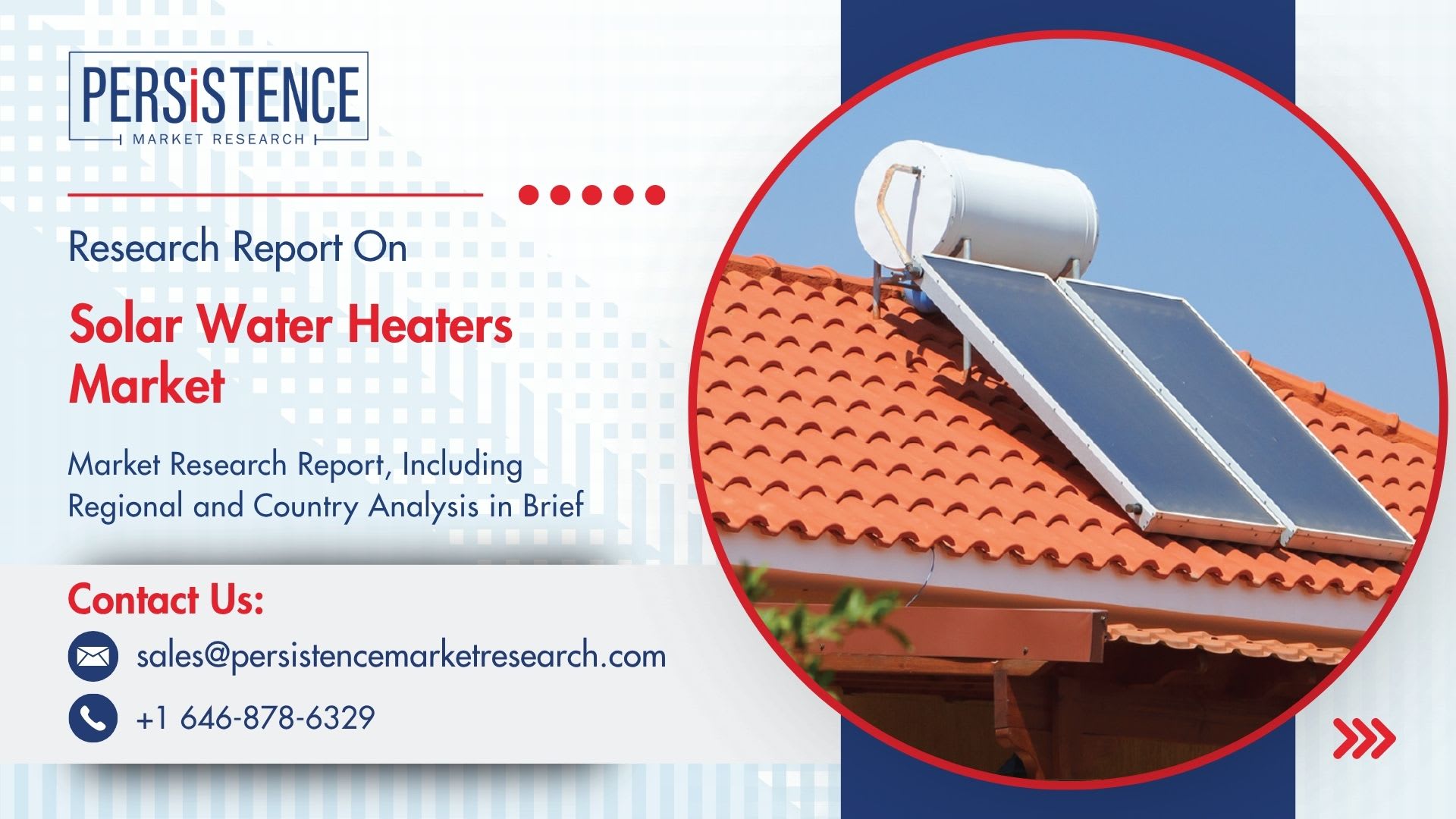
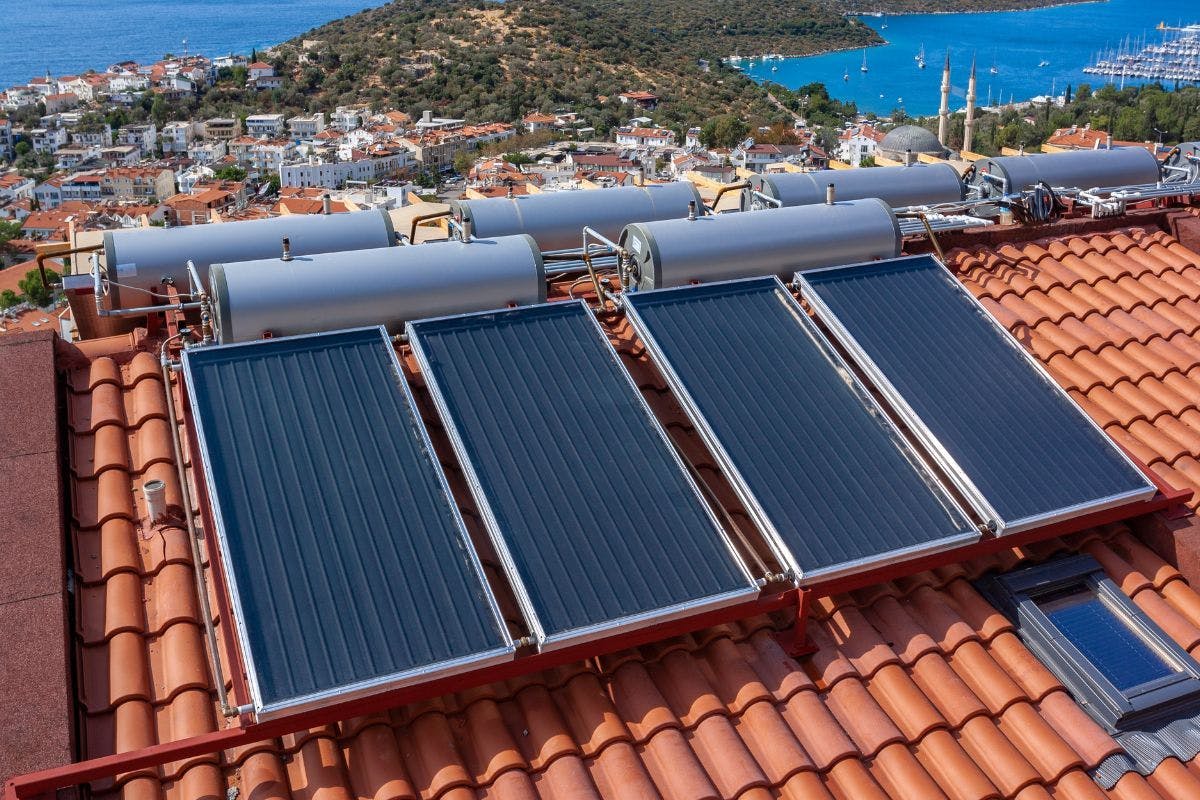
Solar heating helps homeowners save money and energy. It provides warm water and heats indoor spaces. Many families use solar water heaters on rooftops.
- Heats water for bathing and washing
- Warms swimming pools during cooler months
- Supports underfloor or radiator heating systems
- Reduces electricity or gas bills
- Works well in sunny and cloudy weather
Commercial And Industrial Use
Businesses use solar heating to lower costs and meet green goals. Factories need heat for processes like drying or cleaning. Offices and stores heat their spaces with solar systems.
| Type of Use | Solar Heating Benefit | Common Application |
|---|---|---|
| Factories | Reduces fuel use | Process heating and drying |
| Offices | Cuts heating bills | Space heating for rooms |
| Stores | Improves energy efficiency | Water heating and space warming |
Credit: vocal.media
Credit: palmetto.com
Frequently Asked Questions
What Are The Main Benefits Of Solar Heating Systems?
Solar heating systems reduce energy bills by using free sunlight. They lower carbon emissions, promote sustainability, and require minimal maintenance. These systems provide reliable heat even in cold climates, enhancing energy independence and increasing property value.
How Do Solar Heating Systems Save Money?
Solar heating cuts down electricity or fuel costs by harnessing sunlight. It reduces reliance on traditional heating, leading to significant savings. Over time, lower utility bills offset the initial installation expenses, making it a cost-effective energy solution.
Are Solar Heating Systems Environmentally Friendly?
Yes, solar heating systems use renewable energy from the sun. They produce no greenhouse gases or pollution during operation. This helps reduce your carbon footprint and supports global efforts to combat climate change.
Can Solar Heating Systems Work In Cold Climates?
Solar heating systems function efficiently even in cold weather. They capture solar energy through collectors that work in indirect sunlight. Proper insulation enhances heat retention, making them suitable for various climates.
Conclusion
Solar heating systems save money on energy bills. They use clean, renewable energy from the sun. These systems reduce pollution and help protect the environment. They work quietly and need little maintenance. Solar heating also increases home value and energy independence.
Choosing solar heating supports a healthier planet. A smart choice for today and the future.