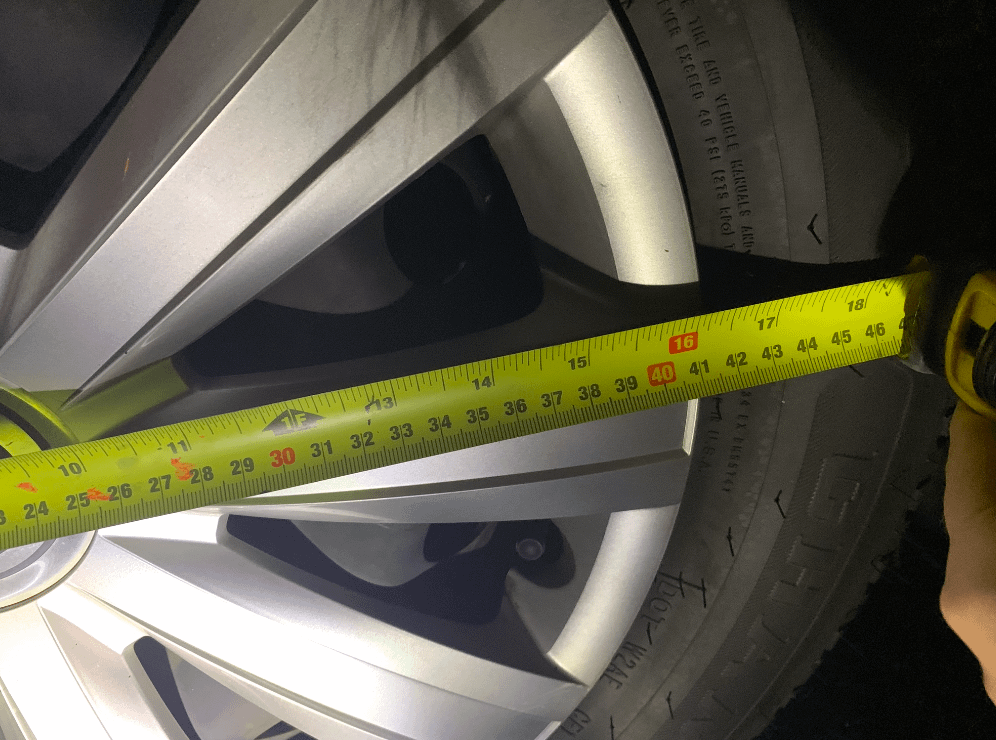
Have you ever wondered if you can put different size tires on your car? Maybe you’re considering a quick fix, or you want to upgrade your ride’s look and performance.
But is mixing tire sizes safe? Could it affect your car’s handling or even damage it? You’re about to discover the answers you need before making any decisions. Keep reading to find out what happens when tire sizes don’t match—and how to keep your car running smoothly and safely.

Credit: carfromjapan.com
Tire Size Basics
Tires come in many sizes, and each size affects how a car drives. Using the right tire size helps keep your car safe and working well.
Understanding tire sizes is important before putting different tires on your car. It helps you choose tires that fit and work properly.
How Tire Sizes Are Measured
Tire sizes are shown using numbers and letters on the tire’s sidewall. These numbers tell you the tire’s width, height, and wheel size.
The three main parts measured are tire width, aspect ratio, and rim diameter. These help match the tire to the car’s wheels.
- Width:The tire’s width in millimeters from sidewall to sidewall.
- Aspect Ratio:The height of the sidewall as a percentage of the width.
- Rim Diameter:The size of the wheel the tire fits, measured in inches.
Common Tire Size Formats
There are two main formats for tire sizes: metric and inch. Metric sizes use millimeters and inches, while inch sizes use only inches.
Metric sizes look like this: 205/55R16. Inch sizes look like this: 30×9.50R15. Each format gives different info about the tire.
| Format | Example | Meaning |
|---|---|---|
| Metric | 205/55R16 | Width 205 mm, aspect ratio 55%, rim 16 inches |
| Inch | 30×9.50R15 | Overall diameter 30 inches, width 9.5 inches, rim 15 inches |
Effects Of Different Tire Sizes
Using tires of different sizes on your car can change how it drives. It also affects other parts of your vehicle.
Understanding these effects helps you keep your car safe and running well.
Impact On Vehicle Handling
Tires of different sizes affect how your car handles corners and stops. Larger tires may reduce steering response. Smaller tires can make the ride less smooth.
- Uneven tire sizes can cause pulling to one side.
- Braking distances may increase.
- Grip on wet or slippery roads can change.
- Suspension may wear out faster.
Changes In Speedometer Accuracy
Your speedometer measures speed based on tire size. Different tire sizes can make it show wrong speeds. This can lead to speeding tickets or unsafe driving.
| Tire Size | Speedometer Reading | Actual Speed |
| Smaller than stock | Shows faster | Slower |
| Stock size | Accurate | Accurate |
| Larger than stock | Shows slower | Faster |
Influence On Fuel Efficiency
Fuel use changes with tire size differences. Larger tires often lower fuel economy. They add weight and rolling resistance. Smaller tires can improve fuel efficiency but may reduce comfort.
To keep fuel use balanced:
- Choose tires close to the original size.
- Check tire pressure regularly.
- Avoid mixing very different tire sizes on one car.
Compatibility Factors
Choosing different size tires for your car needs careful thought. Not all tires fit well together. You must check several important factors.
This guide explains key points to keep in mind. These points help you avoid problems and keep your car safe.
Wheel Well Clearance
Wheel well clearance is the space between your tire and the car body. Different tire sizes can affect this space. Too large tires may rub against the wheel well.
- Check clearance on all sides of the tire.
- Consider suspension movement when the car goes over bumps.
- Make sure tires do not touch the car frame during turns.
- Allow space for tire expansion in hot weather.
Suspension And Brake Considerations
Different tire sizes impact suspension and braking systems. Larger or smaller tires change how the car handles and stops.
| Factor | Effect of Different Tire Sizes |
| Suspension | May cause extra strain or change ride height |
| Brakes | Can alter stopping distance and brake performance |
| Speedometer | Reading may become inaccurate due to tire circumference change |
| Traction Control | Sensors might not work correctly if tires differ greatly |
Manufacturer Recommendations
Car makers give advice on tire sizes for safety and performance. They list suitable sizes in the owner’s manual or on a sticker inside the door.
- Use only sizes approved by the manufacturer.
- Follow load and speed ratings for tires.
- Consult a professional before mixing tire sizes.
- Remember that warranty may be void if rules are ignored.

Credit: carfromjapan.com
Mixing Tire Sizes
Many drivers wonder if they can use different tire sizes on one car. Mixing tire sizes means putting different sizes on the front and rear wheels.
This can affect how the car handles and how safe it is to drive. It is important to understand the differences and risks before changing tire sizes.
Front Vs Rear Tire Size Differences
Some cars come with bigger tires in the rear than in the front. This is common in sports cars to improve traction and handling.
Using different sizes on front and rear tires can change how your car drives. It may affect steering, braking, and stability.
- Check your car manual for recommended sizes
- Do not mix tire sizes unless the car is designed for it
- Mixing sizes can cause uneven tire wear
All-season Vs Performance Tires
All-season tires work well in many weather conditions. Performance tires focus on grip and handling, mainly on dry roads.
Mixing these tire types can lead to uneven traction. This may cause your car to behave unpredictably in rain or snow.
- Use the same type of tire on all wheels
- Mixing tire types can reduce braking ability
- Performance tires wear faster than all-season tires
Legal And Safety Concerns
Some places have laws about tire sizes and types. Using the wrong tire size can make your car unsafe and illegal to drive.
Different tire sizes may affect systems like ABS and traction control. This can increase the risk of accidents.
- Check local laws before changing tire sizes
- Use tires that match your car maker’s recommendations
- Have a mechanic inspect your car after mixing tire sizes
Installation Tips
Installing different size tires on your car needs care. Wrong installation can cause problems.
Follow these tips to keep your car safe and running well with mixed tire sizes.
Professional Alignment Importance
Getting a professional alignment is key after putting different size tires. It ensures all wheels point the right way.
Proper alignment helps tires wear evenly and improves your car’s handling and safety.
Balancing And Rotation Practices
Balancing tires reduces vibrations and protects suspension parts. This is very important with mixed sizes.
Rotate your tires regularly to keep wear even. Different size tires need careful rotation patterns.
- Balance tires every time you change or rotate them
- Follow rotation patterns recommended by your car or tire maker
- Check tire pressure often to avoid uneven wear
When To Avoid Size Differences
Using different size tires on your car can cause problems. It is important to know when size differences are not safe. This helps protect your vehicle and keeps you safe on the road.
This guide explains the risks of using tires that vary too much in size. It also shows how size differences can harm your car’s systems.
Risks Of Significant Size Variations
Big size differences between tires can cause issues with handling and safety. Your car may pull to one side or lose grip on wet roads. This can increase the chance of accidents.
- Uneven wear on tires
- Reduced fuel efficiency
- Unstable steering and braking
- Inaccurate speedometer readings
- Higher risk of tire blowouts
Potential Damage To Vehicle Systems
Different tire sizes put stress on many vehicle parts. This can lead to expensive repairs. The systems most affected are listed below.
| Vehicle System | Possible Damage |
| Transmission | Extra strain causing wear and failure |
| Suspension | Uneven load leading to broken parts |
| Brakes | Imbalanced braking reducing effectiveness |
| ABS System | Incorrect signals causing malfunction |
| Wheel Bearings | Faster wear due to uneven rotation |
Alternative Options
Using different size tires on your car is not always recommended. Still, some alternatives let you customize your vehicle safely.
These options help keep your car balanced and maintain good driving performance.
Upgrading Wheels And Tires Together
One option is to upgrade your wheels and tires at the same time. This way, you can choose sizes that fit well together.
Changing both parts ensures the tires match the wheels perfectly. It also keeps the car’s handling safe and stable.
- Pick wheels designed for the tire size you want
- Choose tires that fit the new wheels
- Check clearance to avoid rubbing on the car
- Maintain proper speedometer and ABS sensor function
Using Tire Spacers Or Adapters
Tire spacers or adapters can help fit different size tires safely. They adjust the wheel’s position for better clearance.
These tools give extra space between the tire and car parts. They may help avoid rubbing and improve vehicle stance.
- Spacers increase the distance from the hub to the wheel
- Adapters change bolt patterns to fit different wheels
- Ensure spacers and adapters are high quality and fit well
- Improper use can affect vehicle stability and safety

Credit: carfromjapan.com
Frequently Asked Questions
Can You Mix Different Tire Sizes On One Car?
Yes, you can use different tire sizes, but it’s not always safe. It may affect handling and wear unevenly. Always check your vehicle’s manual or consult a tire expert before mixing sizes.
What Happens If Tires Are Different Sizes?
Different tire sizes can cause poor traction, uneven wear, and speedometer errors. It may also lead to reduced fuel efficiency and impact your car’s stability.
Are Staggered Tires Safe For Everyday Driving?
Staggered tires (different widths front and rear) are safe if recommended by the manufacturer. They improve handling but may increase tire costs and complexity.
How Do Different Tire Sizes Affect Car Performance?
Different tire sizes can alter ride comfort, handling, and braking. Mismatched tires might cause alignment issues and negatively impact your vehicle’s safety and performance.
Conclusion
Choosing different size tires on your car affects safety and performance. Tires that don’t match can cause uneven wear and handling problems. Always check your car’s manual or ask a professional before changing tire sizes. Staying within recommended sizes keeps your driving smooth and safe.
Small changes might work, but big differences can lead to trouble. Remember, your tires connect you to the road. Make smart choices to protect yourself and your vehicle.