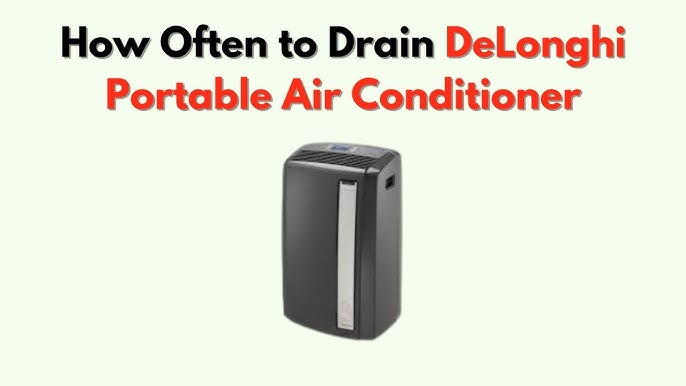
Are you wondering how often you should drain your portable air conditioner? Knowing the right timing can keep your unit running smoothly and avoid unexpected leaks or odors.
If you drain it too rarely, water can build up and cause problems. But drain it too often, and you might waste time and effort. You’ll discover simple tips to help you maintain your portable air conditioner without hassle. Keep reading to learn exactly when and how to drain your unit for the best performance.
Why Drain A Portable Ac
Portable air conditioners collect condensationduring cooling. This moisture build-upneeds to be drained to keep the unit working well.
Excess water inside the unit can reduce cooling performance. The AC may work harder and use more energy.
Not draining water can cause mold and bad odorsinside the AC. This leads to unhealthy air and a smelly room.
- Drain water regularly to keep AC efficient
- Prevent mold growth by removing moisture
- Maintain fresh, clean air in your space
Signs It’s Time To Drain
Portable air conditioners collect water while working. Visible waterinside the tank or tray means it’s time to drain. Check the water level often to avoid overflow.
Reduced coolingmight happen if water is full. The unit can’t cool well when the water tray is packed. Draining helps the machine work better and longer.
Unusual sounds like gurgling or dripping may mean water buildup. Leaks around the unitalso show the need to drain. These signs protect your air conditioner from damage.
Draining Frequency Factors
Humidity levelsgreatly affect how often the portable air conditioner needs draining. Higher humidity means more water collects in the unit.
Usage durationalso matters. The longer the air conditioner runs, the more water it produces. Shorter use means less frequent draining.
Room size and temperatureimpact water build-up too. Larger rooms or hotter temperatures cause the unit to work harder. This leads to faster water collection.
| Factor | Effect on Draining Frequency |
|---|---|
| Humidity Levels | High humidity → More water → Drain more often |
| Usage Duration | Long use → More water → Drain more often |
| Room Size and Temperature | Larger room/hotter temp → Unit works harder → Drain more often |

Credit: www.youtube.com
Step-by-step Draining Process
Find the drain plugon the back or bottom of the portable air conditioner. It looks like a small cap or plug. Sometimes it is hidden behind a panel or cover. Use a flashlight if needed. This plug lets water flow out safely.
Place a large containerunder the drain plug to catch the water. Turn off the air conditioner and unplug it. This step avoids any electric shock. Wear gloves if the water is dirty or cold.
Remove the drain plug carefully. Let the water drain completely into the container. Keep the unit steady to avoid spills. After draining, clean the plug and replace it firmly. Wipe any spilled water around the area.
Maintenance Tips To Reduce Draining
Using drainage accessorieshelps reduce water buildup in your portable air conditioner. Attach a drain hoseto guide water outside or into a container. This lowers how often you need to empty the unit manually.
Regular filter cleaningkeeps the air flowing well. A clean filter stops dust from blocking air and causing extra moisture inside. Wash or replace the filter every two weeks during use for best results.
Proper unit placement also matters. Place the air conditioner on a flat surfaceto help water drain correctly. Avoid spots with direct sunlight or heat sources. This reduces the amount of water the unit collects.

Credit: www.youtube.com
Common Mistakes To Avoid
Ignoring the drainage needsof a portable air conditioner can cause water to build up inside. This may lead to leaksor damageto the unit. Always check the water tank regularly and empty it before it gets full.
Overfilling the water tank can cause the air conditioner to stop working properly. It might shut down automatically or water could spill out. Keep an eye on the tank and drain it often to avoid this problem.
Improper storage practices can cause mold or damage to your air conditioner. Before storing, make sure to drain all waterfrom the unit. Store it in a dry place with the tank empty to keep it clean and safe for next use.

Credit: www.youtube.com
Frequently Asked Questions
How Often Should I Drain A Portable Air Conditioner?
You should drain your portable air conditioner every 24 to 48 hours during use. Frequent draining prevents water buildup and ensures optimal cooling performance. Some models have an automatic drain feature, reducing manual effort. Check your user manual for specific recommendations.
What Happens If I Don’t Drain My Unit Regularly?
Failing to drain your portable air conditioner regularly can cause water overflow. This leads to leaks, damage to floors, and reduced cooling efficiency. Excess moisture may promote mold growth inside the unit. Regular draining protects your appliance and maintains air quality.
Can I Use A Continuous Drain For My Portable Ac?
Yes, many portable air conditioners support continuous drainage via a hose. This method prevents frequent manual emptying by directing water outside or to a drain. Continuous draining is convenient for long usage periods, especially in humid environments. Always follow manufacturer instructions for setup.
How Do I Know When To Drain The Water Tank?
Most portable air conditioners have an indicator light signaling when the tank is full. You may also notice water leakage or reduced cooling efficiency. Regularly check the water level during operation to avoid unexpected shutdowns. Timely draining maintains unit performance and longevity.
Conclusion
Draining a portable air conditioner keeps it working well. Check the water level often, especially in humid weather. Empty the tank when it gets full to avoid leaks. Regular draining helps the unit cool your space better. It also stops bad smells and mold growth.
Remember, simple care extends your air conditioner’s life. Stay comfortable by keeping up with this small task. Your air conditioner will thank you with cool, fresh air.