
Have you ever wondered if your air conditioner does more than just cool your room? You might be surprised to learn that some air conditioners can actually help clean the air you breathe.
Imagine breathing fresher, healthier air without needing extra devices cluttering your space. You’ll discover how air conditioners can impact air quality and whether they can truly purify your home’s air. Keep reading to find out what your AC can really do for your health and comfort.

Credit: www.aljazeera.com
How Air Conditioners Work
Air conditioners use a cooling mechanismto lower indoor temperatures. They pull warm air from the room, pass it through cold coils, and release cool air back. This process removes heat but does not always clean the air.
In the air circulation process, air moves through filters inside the unit. These filters catch some dust and particles. Yet, most regular air conditioners do not remove tiny pollutants or germs well.
Some models have special filtersor air purifiers added. These can help improve air quality by trapping more allergens and bacteria.
Air Purification Basics
Indoor air often contains pollutantslike dust, pet dander, smoke, and mold spores. These tiny particles can cause allergiesand breathing problems. Chemicals from cleaning products and cooking also add to air pollution inside homes. Poor ventilation can make these pollutants stay longer in the air.
Cleaning indoor air helps reduce these harmful particles and makes the air safer to breathe. Common methods include:
- Air filtersthat trap dust and other particles.
- Ionizersthat charge particles to make them stick to surfaces.
- UV light purifiersthat kill bacteria and viruses.
- Ventilationby bringing fresh outdoor air inside.
Air Conditioners And Air Quality
Air conditioners have basic filtersto catch dust and dirt. These filters help keep the air cleaner but are not made to remove all harmful particles. Some units include HEPA filtersor activated carbon filters that improve air cleaning.
Even with these filters, many pollutants like smoke, bacteria, and virusescan still pass through. Air conditioners mainly cool and circulate air, not fully clean it. Regular filter cleaning or replacement is important to keep the system working well.
| Filtration Type | What it Removes | Limitations |
|---|---|---|
| Basic Filter | Dust, large particles | Does not catch small particles or germs |
| HEPA Filter | Very small particles, pollen | May not remove all gases or viruses |
| Activated Carbon Filter | Odors, some chemicals | Needs regular replacement, limited lifespan |
Comparing Acs To Air Purifiers
Air conditioners and air purifiers serve different purposes. ACs are made to coolair and control humidity. Air purifiers focus on cleaningthe air by removing dust, allergens, and pollutants.
AC filters catch some dust and particles but are not designed for deep air cleaning. Air purifiers use special filters like HEPAthat trap tiny particles and germs.
| Feature | Air Conditioner | Air Purifier |
|---|---|---|
| Main Purpose | Cooling and humidity control | Removing pollutants and allergens |
| Filter Type | Basic dust filters | HEPA, activated carbon, UV filters |
| Effectiveness in Purification | Low to moderate | High |
| Airflow | Cool air circulation | Purified air circulation |
Improving Air Quality With Ac
Air conditioners can help improve indoor air qualityby using special filters. These filters catch dust, pollen, and tiny particles from the air. High-quality filterslike HEPA or activated carbon can trap more pollutants.
Regularly cleaning or changing filters keeps the AC working well. This stops dust and mold from building up inside the unit. It also helps the AC cool the room better and keeps the air fresh.
- Check and clean filters every 1-3 months
- Schedule yearly professional maintenance
- Keep vents and coils clean to avoid dust
- Use a filter rated for fine particles and allergens
Health Impacts Of Poor Air Quality
Poor air qualitycan cause many health problems. Dust, pollen, and smoke may trigger allergies. These irritants can make breathing harderfor people with asthma or lung problems.
Breathing dirty air often can lead to coughing, wheezing, and shortness of breath. Children and older adults are more vulnerableto these issues.
Clean air is very important for good health. It helps the body get enough oxygenand reduces the risk of sickness. Fresh air also improves sleep qualityand energy levels.
- Reduces allergy symptoms
- Prevents respiratory infections
- Improves overall well-being
Future Technologies In Ac Air Purification
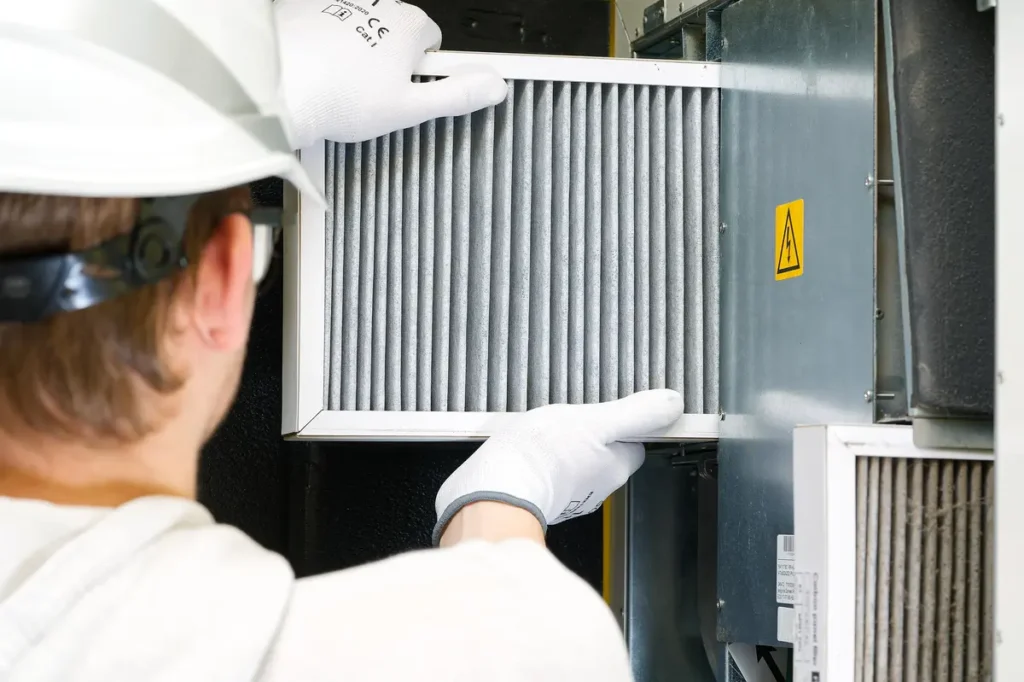
Advanced filtrationuses multiple layers to clean the air inside. These filters catch tiny dust, pollen, and smoke particles. Some use activated carbonto remove smells and harmful gases. HEPA filterstrap very small particles, making air safer to breathe. New filters can kill bacteria and viruses too. This helps keep your home healthier and fresher.
Smart air conditioners can connect with home systemslike phones and voice assistants. This lets you control air qualityfrom anywhere. They can detect bad air and turn on purification automatically. Some models learn your habits and adjust settings for comfort and energy saving. This makes it easy to keep your air clean and cool without extra effort.
Credit: chapmanheating.com

Credit: airgreen.ca
Frequently Asked Questions
Can Air Conditioners Filter Out Air Pollutants?
Yes, many air conditioners have built-in filters that trap dust and allergens. However, they may not remove all harmful pollutants or airborne bacteria effectively.
Do Air Conditioners Remove Airborne Viruses And Bacteria?
Standard air conditioners do not eliminate viruses or bacteria. Specialized air purifiers with HEPA filters are better suited for this purpose.
How Often Should Ac Filters Be Cleaned For Air Purification?
AC filters should be cleaned or replaced every 1 to 3 months. Regular maintenance ensures better air quality and efficient cooling.
Can Air Conditioners Reduce Indoor Humidity And Improve Air Quality?
Yes, air conditioners lower indoor humidity, which helps reduce mold and dust mites. This indirectly improves indoor air quality.
Conclusion
Air conditioners can help remove some dust and particles from the air. They cool rooms and make the air feel fresher. Still, they do not replace true air purifiers. For cleaner air, use devices made to remove germs and allergens.
Regular cleaning of filters also keeps air quality better. Remember, fresh air comes from good ventilation too. Choose the right tools to keep your home healthy. Simple steps can make a big difference indoors. Breathe easy with smart choices about your air.