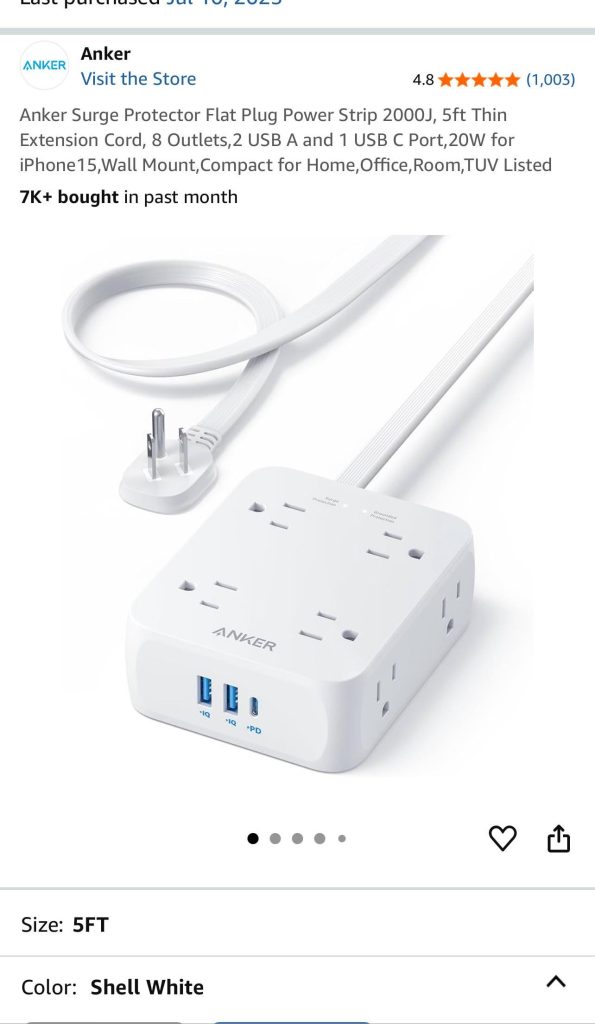
Are you wondering if it’s safe to plug your air conditioner into a surge protector? You might think it’s a simple way to protect your appliance from power spikes, but the answer isn’t that straightforward.
Using the wrong setup could damage your air conditioner or even cause electrical problems. Keep reading to find out what you need to know to keep your cooling system safe and working efficiently all summer long.
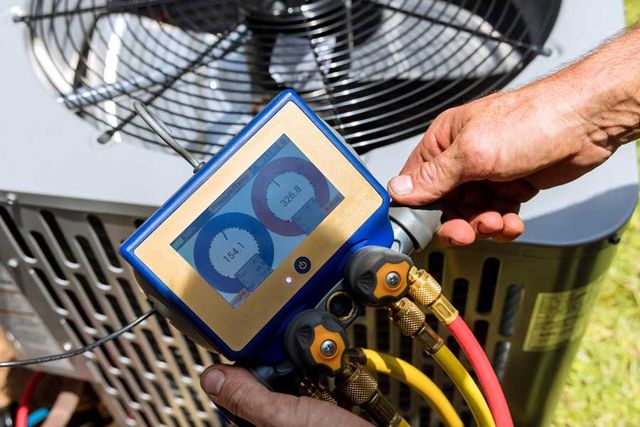
Credit: www.hickoryheatingandcooling.com
Air Conditioner Power Needs
Air conditioners need a good amount of electricity to work. Knowing how much power they use helps you decide if you can plug them into a surge protector.
Using the wrong power source can cause damage to your air conditioner or the surge protector. Let’s look at the typical power needs and the startup surge.
Typical Wattage And Amperage
Air conditioners vary in power use based on size and type. Most home units use between 500 and 1500 watts. They usually draw 5 to 15 amps during normal operation.
| Air Conditioner Size | Typical Wattage (Watts) | Typical Current (Amps) |
|---|---|---|
| Window Unit (5,000 BTU) | 500 – 600 | 4 – 5 |
| Small Room Unit (8,000 BTU) | 800 – 1,000 | 6 – 8 |
| Medium Room Unit (12,000 BTU) | 1,000 – 1,500 | 8 – 12 |
| Large Unit (18,000 BTU) | 1,400 – 1,800 | 12 – 15 |
Startup Power Surge
When an air conditioner starts, it needs extra power. This startup surge can be two to three times its running wattage. The surge lasts only a few seconds but can cause problems.
- The surge can overload a surge protector not rated for high power.
- This overload may cause the surge protector to trip or fail.
- Using a surge protector with a low wattage limit is unsafe.
- Some surge protectors cannot handle the high startup amps.
- It is best to use a dedicated outlet or a heavy-duty surge protector.

Credit: www.reddit.com
Surge Protector Basics
Many wonder if they can plug an air conditioner into a surge protector. Knowing the basics helps you decide safely. Surge protectors guard devices from sudden power spikes.
This guide explains how surge protectors work and their common ratings and limits. Understanding these details can protect your appliances and home.
How Surge Protectors Work
A surge protector blocks extra voltage from reaching your devices. It detects spikes and redirects excess electricity to the ground wire.
- Normal voltage flows through to your device.
- During a surge, the protector absorbs or diverts extra power.
- This action prevents damage to connected electronics.
- Surge protectors use components like metal oxide varistors (MOVs).
- MOVs wear out after many surges and need replacement.
Common Ratings And Limits
Surge protectors come with ratings that show their power limits and protection levels. Knowing these helps pick the right protector for your device.
| Rating | Meaning | Typical Value |
| Joule Rating | Energy the protector can absorb | 200 to 3000 joules |
| Clamping Voltage | Voltage level when protection starts | 330 to 400 volts |
| Response Time | How fast it reacts to a surge | Less than 1 nanosecond |
| Maximum Current | Highest surge current it can handle | 10,000 to 40,000 amps |
Compatibility Concerns
Many people wonder if they can plug an air conditioner into a surge protector. This question is important for safety and device protection. Air conditioners use a lot of power, which may affect surge protector performance.
It is essential to understand how surge protectors work with high-power appliances. Not all surge protectors are made to handle the load of an air conditioner. Knowing the compatibility helps prevent damage and hazards.
Can Surge Protectors Handle Ac Loads?
Surge protectors are designed to protect devices from voltage spikes. Most small surge protectors handle devices with low to moderate power needs. Air conditioners, especially window or portable units, draw much more power.
If a surge protector is not rated for high current, it may overheat or fail. Many surge protectors list a maximum load in amps or watts. Check these ratings before plugging in an air conditioner.
- Typical surge protectors support 15 amps or less
- Air conditioners can draw 10 to 20 amps or more
- High-power surge protectors or power strips may be needed
- Incorrect use can cause fire or damage
Risks Of Using Surge Protectors With Acs
Using a surge protector with an air conditioner can be risky. The surge protector might not handle the high startup current of the AC motor. This can cause the protector to fail or trip frequently.
There is also a risk of overheating and fire if the surge protector is overloaded. Surge protectors are not made to be permanent power sources for heavy appliances. They are better suited for electronics like computers and TVs.
- Overloading can cause electrical fires
- Surge protector damage can leave AC unprotected
- Frequent tripping can damage both devices
- Better to use dedicated outlets or heavy-duty extension cords

Credit: lsp.global
Alternatives To Surge Protectors
Plugging an air conditioner into a surge protector is not always the safest choice. Air conditioners draw a lot of power, which can overload some surge protectors. There are better ways to protect your AC and electrical system.
This guide explains two main alternatives to surge protectors: dedicated circuits and whole-house surge protection. Both offer stronger and safer options for your air conditioner.
Dedicated Circuits
A dedicated circuit means your air conditioner has its own electrical line. This avoids sharing power with other devices. It helps prevent overloads and reduces the risk of electrical fires.
- Ensures enough power for the air conditioner
- Reduces electrical interference from other appliances
- Increases safety by lowering overload risks
- Improves air conditioner performance
Hiring a licensed electrician to install a dedicated circuit is best. They will size the circuit to match your AC unit’s power needs.
Whole-house Surge Protection
Whole-house surge protection devices connect at your electrical panel. They protect all appliances and devices in your home from power surges. This includes your air conditioner.
| Feature | Benefit |
|---|---|
| Protects entire home | Prevents damage to all electronics |
| Installed at main panel | Stops surges before they reach outlets |
| Requires professional installation | Ensures correct setup and safety |
| Works with dedicated circuits | Provides layered protection |
Safety Tips For Ac Power Setup
Using an air conditioner safely requires careful power setup. Plugging an AC into the right outlet can prevent accidents.
Surge protectors help protect devices from power spikes. But not all surge protectors are safe for air conditioners.
Proper Outlet Selection
Choose an outlet that matches your air conditioner’s power needs. AC units need a strong, stable power source.
A dedicated outlet is best. This outlet should not share power with other heavy devices.
- Use a grounded outlet with the right voltage.
- Check the outlet’s amperage to match the AC unit.
- Avoid using extension cords or multi-plug adapters.
- Inspect outlets for damage before use.
Avoiding Overloads
Do not connect the air conditioner to a surge protector not designed for high power. It can cause overheating or fire.
Keep other high-power devices off the same outlet. Overloading the circuit risks damage and power failure.
- Use a surge protector rated for air conditioner loads.
- Do not plug multiple heavy devices into one outlet.
- Check your home’s circuit breaker capacity.
- Turn off devices during storms to protect from surges.
Frequently Asked Questions
Can I Safely Use A Surge Protector For My Air Conditioner?
Using a surge protector for an air conditioner is generally not recommended. Air conditioners draw high power, which can overload standard surge protectors and cause damage or fire hazards.
What Type Of Surge Protector Suits An Air Conditioner?
If needed, use a heavy-duty surge protector rated for high wattage appliances. Look for one with a high joule rating and specific AC appliance compatibility.
Will A Surge Protector Prevent Air Conditioner Electrical Damage?
A high-quality surge protector can help prevent electrical damage from power surges. However, it must be properly rated to handle the air conditioner’s power requirements.
Can Plugging An Ac Into A Surge Protector Void Warranty?
Yes, some manufacturers state that using a surge protector with an air conditioner may void the warranty. Always check the user manual or warranty terms first.
Conclusion
Plugging an air conditioner into a surge protector can be risky. Most air conditioners need a lot of power to work safely. Using the wrong surge protector may cause damage or fire. Always check the surge protector’s rating before plugging in your AC.
A heavy-duty surge protector made for high power devices works best. Protect your home and appliance by choosing the right equipment. Stay safe and keep your air conditioner running smoothly all summer.