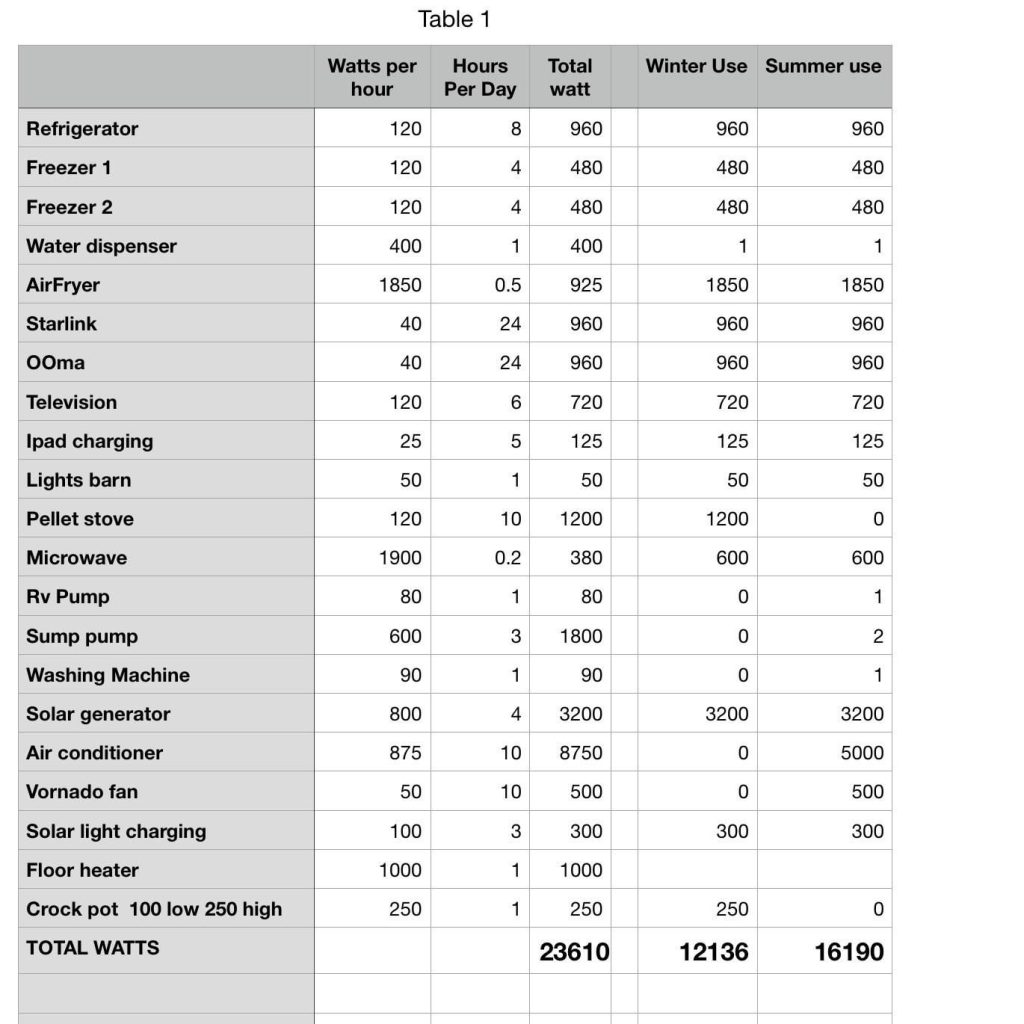
Are you curious about how many watts it takes to run your air conditioner? Knowing this can help you save money on your electricity bills and choose the right unit for your space.
Whether you want to cool a small room or an entire house, understanding the power consumption is key. You’ll discover simple ways to calculate wattage, learn what affects energy use, and find tips to keep your cooling efficient. Keep reading to take control of your comfort without wasting energy or cash.
Air Conditioner Power Basics
Air conditioners use electricity to cool your home. The power needed depends on the AC type and size.
Knowing how many watts your AC uses helps you manage energy and costs.
Types Of Air Conditioners
There are different types of air conditioners. Each type uses power in different amounts.
Common types include window units, portable ACs, split systems, and central air conditioners.
- Window Units:Small and fit in a window. Use around 500 to 1,500 watts.
- Portable ACs:Move around easily. Use about 1,000 to 1,400 watts.
- Split Systems:Have indoor and outdoor parts. Use 1,000 to 3,500 watts.
- Central Air Conditioners:Cool whole houses. Use 3,500 to 5,000 watts or more.
Measuring Watts And Energy Consumption
Watts show how much power an air conditioner uses at one time. Higher watts mean more power use.
Energy consumption is measured in kilowatt-hours (kWh). It shows how much energy AC uses over time.
- Check the AC label for its wattage.
- Use a power meter to measure actual watts used.
- Multiply watts by hours used to find energy consumption.
- Lower watt ACs save more energy.
Calculating Wattage Needs
Knowing how many watts an air conditioner uses helps you plan your electricity needs. It also helps you avoid overloading your power supply.
This guide explains how to calculate the wattage needed to run an air conditioner. It covers key factors that affect power use.
Room Size And Cooling Capacity
The size of the room affects how much power your air conditioner needs. Larger rooms need more cooling power and more watts.
Cooling capacity is measured in BTUs (British Thermal Units). The higher the BTUs, the more watts the unit will use.
- Small rooms (up to 150 sq ft): 5,000–6,000 BTUs
- Medium rooms (150-300 sq ft): 7,000–8,200 BTUs
- Large rooms (300-500 sq ft): 10,000–12,000 BTUs
Seer Ratings And Efficiency
SEER stands for Seasonal Energy Efficiency Ratio. It shows how efficient the air conditioner is.
A higher SEER rating means less electricity is used to cool the room. This lowers the wattage needed to run the unit.
- SEER 13 is the minimum efficiency for most units
- SEER 16 and above units use less power
- Higher SEER models save more electricity over time
Starting Vs Running Watts
Starting watts are the extra power needed to start the air conditioner. Running watts are the power used during normal operation.
Starting watts are usually higher than running watts. You need to know both to choose the right power source.
| Type | Watts Needed |
|---|---|
| Starting Watts | 1.5 to 3 times running watts |
| Running Watts | Depends on BTUs and efficiency |
Factors Influencing Power Usage
Air conditioners use different amounts of power based on many factors. Knowing these helps you estimate how many watts you need.
Power use is not the same for every home or room. It changes with your environment and habits.
Climate And Temperature
Hotter climates make air conditioners work harder. The higher the outside temperature, the more energy the unit uses.
In places with mild weather, the air conditioner runs less. This lowers the power needed to keep rooms cool.
- Hot and humid areas increase power use
- Cooler climates reduce energy consumption
- Sudden temperature spikes raise electricity needs
Insulation And Room Layout
Good insulation keeps cool air inside and hot air outside. This helps the air conditioner use less power.
Rooms with many windows or poor layout lose cool air faster. This forces the AC to work longer and use more watts.
- Thick walls and sealed windows improve efficiency
- Open floor plans may need more cooling power
- Rooms facing the sun need more energy to cool
Usage Patterns
How long and how often you run the air conditioner affects total power use. More hours mean more watts used.
Setting the thermostat lower uses more energy. Frequent changes in settings also make the unit work harder.
- Running AC all day uses more electricity
- Higher thermostat settings save power
- Consistent settings reduce energy spikes
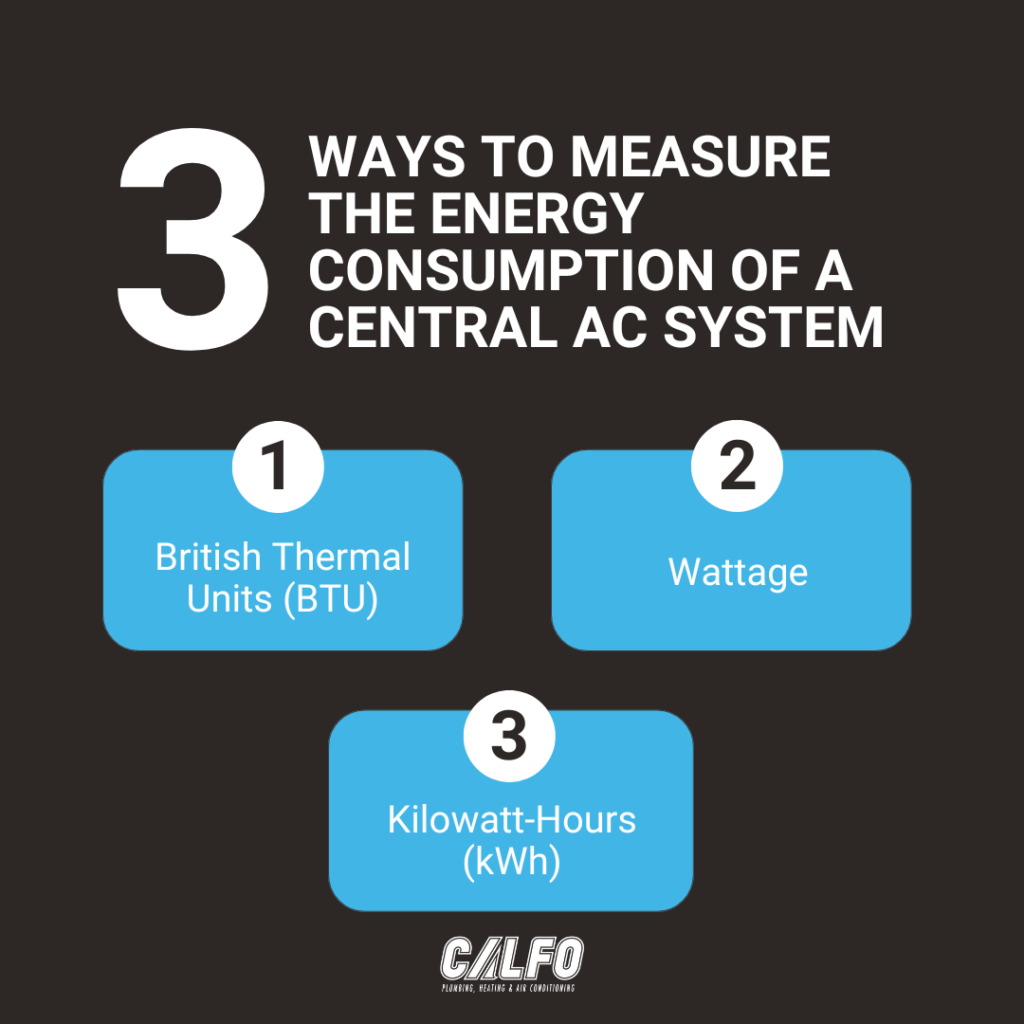
Credit: calfohomeservices.com
Choosing The Right Air Conditioner
Picking the right air conditioner helps keep your home cool. It also saves energy and money.
Knowing how many watts an AC uses is key. This helps you match it to your home’s power system.
Matching Wattage To Electrical Capacity
Check your home’s electrical system before buying an AC. The air conditioner wattage must not exceed your circuit limits.
Most homes have 15 or 20 amp circuits. A 15 amp circuit can handle about 1800 watts safely.
- Calculate watts = volts × amps (120 volts × 15 amps = 1800 watts)
- Choose an AC unit below this wattage to avoid overload
- Consult an electrician if unsure about your electrical capacity
Portable Vs Central Ac Units
Portable AC units cool one room and use less power. Central AC cools the whole house but uses more watts.
Portable units usually need 800 to 1500 watts. Central units may need 3000 watts or more.
- Portable AC: Easy to move, lower power use
- Central AC: Cools whole house, higher energy use
- Pick based on space size and power availability
Energy Star Ratings
Energy Star certified air conditioners use less electricity. They save money on energy bills over time.
Look for Energy Star labels to find efficient models. These units use about 10% to 30% less power than standard ones.
- Energy Star AC units reduce electricity use
- They help lower your monthly power bills
- Choose them for better efficiency and savings
Reducing Energy Consumption
Running an air conditioner uses a lot of electricity. Knowing how many watts it needs helps reduce energy use. Saving energy lowers bills and helps the environment.
Simple changes can cut energy use. Using smart devices, keeping your AC maintained, and trying other cooling ways all help.
Smart Thermostats And Controls
Smart thermostats adjust the temperature automatically. They learn your schedule and cool only when needed. This saves electricity and money.
Using timers and remote controls can avoid running the AC all day. Set the temperature higher when you are not home to save power.
- Set temperature to 78°F (26°C) when home
- Raise temperature 5-8°F (3-4°C) when away
- Use smart schedules to match your routine
- Control AC from phone or voice devices
Regular Maintenance Tips
Keeping your air conditioner clean helps it run well. Dirty parts make it work harder and use more power.
Check filters, coils, and fins often. Replace or clean filters every month during use. Clear debris from outside units.
- Clean or replace air filters monthly
- Clear leaves and dirt around outside unit
- Inspect evaporator and condenser coils yearly
- Check refrigerant levels for leaks
Alternative Cooling Methods
Using other cooling ways can reduce AC use. Fans help move air and feel cooler. Closing blinds blocks heat from the sun.
Try cooling your home naturally by opening windows at night. Planting trees near your house also gives shade and lowers temperature.
- Use ceiling or portable fans to cool rooms
- Keep blinds or curtains closed during hot days
- Open windows in the evening for fresh air
- Plant shade trees near your home

Credit: truegear.com.au

Credit: www.hhaircon.com.au
Frequently Asked Questions
How Many Watts Does A Typical Air Conditioner Use?
A typical air conditioner uses between 500 to 1500 watts per hour. The exact wattage depends on its size and efficiency. Smaller units consume less power, while central AC systems use more electricity.
What Factors Affect An Air Conditioner’s Wattage Consumption?
Wattage depends on the AC’s size, cooling capacity, and energy efficiency rating. Usage duration and outdoor temperature also impact power consumption. Proper maintenance helps improve efficiency and reduce wattage needs.
Can I Calculate Watts Needed For My Air Conditioner?
Yes, multiply the AC’s BTU rating by 0. 293 to get approximate watts. For example, a 12,000 BTU unit uses about 3,516 watts. This helps estimate energy consumption and select proper electrical circuits.
Does Running An Air Conditioner On Low Use Fewer Watts?
Yes, running the AC on lower settings reduces wattage usage. Lower fan speed and higher temperature settings consume less electricity. This saves energy and lowers your electric bill.
Conclusion
Knowing how many watts your air conditioner uses helps save energy and money. Different models need different power amounts. Check the label or manual for exact numbers. Using the right wattage keeps your home cool and your bills low. Small units use less power, big ones more.
Always choose the best size for your space. This way, your air conditioner works well without wasting electricity. Stay comfortable and smart with your energy use.