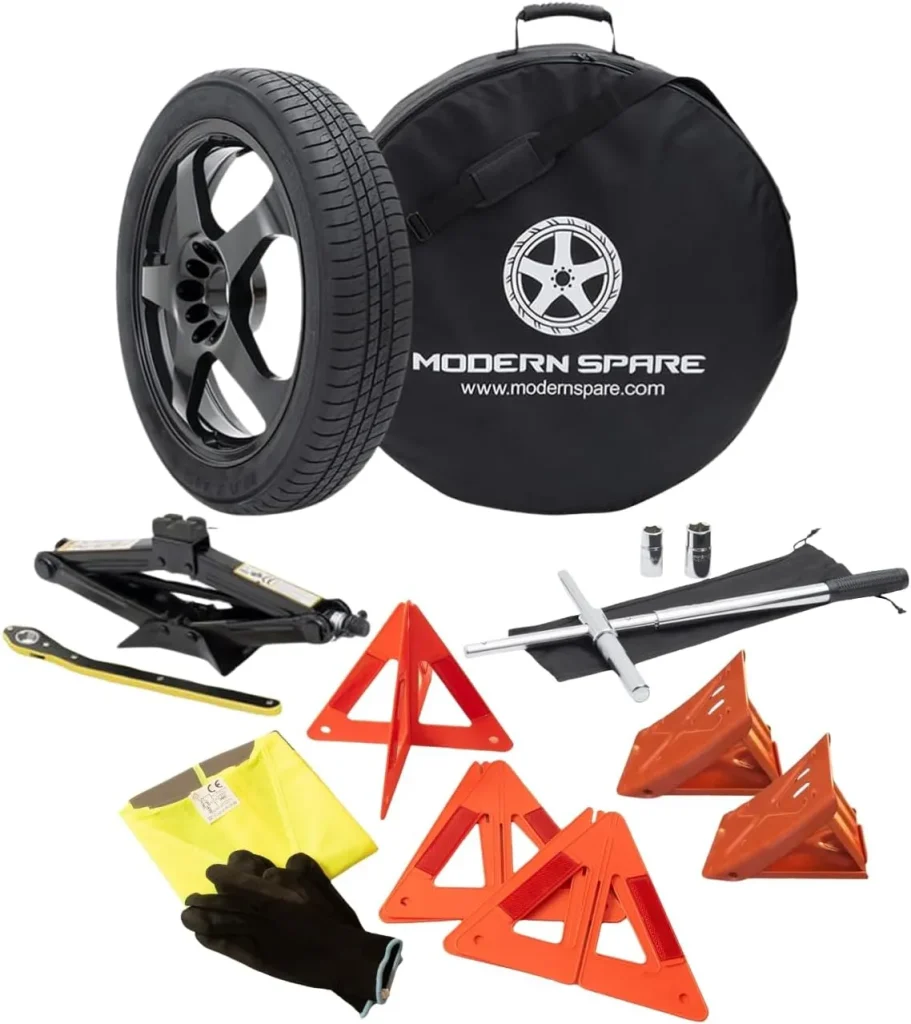
Do you know what spare tire fits your car? When you face a flat tire, having the right spare can save you from stress and unexpected delays.
But not all spare tires are the same. Using the wrong one can cause problems or even damage your vehicle. You’ll discover how to find the perfect spare tire for your car, so you’re always prepared. Keep reading to make sure you never get caught off guard on the road again.
Types Of Spare Tires
Spare tires come in different types to fit various cars and needs. Knowing the types helps you choose the right spare for your vehicle.
Each type has its own size, weight, and use. Understanding these can keep you safe during a tire emergency.
Full-size Spares
Full-size spares are the same size as your regular tires. They give you the best performance and handling.
This type fits your car perfectly and can be driven on for a long time. It is heavier and takes more space in your trunk.
- Same size as regular tires
- Good for long-distance driving
- Heavier and bulkier
- More expensive than other spares
Compact Spares
Compact spares are smaller and lighter than full-size tires. They save space and weight in your vehicle.
These spares are designed for short-term use. They help you reach a repair shop but should not be used for long drives.
- Smaller and lighter than full-size tires
- Saves trunk space
- Used only for short distances
- Lower cost than full-size spares
Temporary Spares
Temporary spares, also called “donuts,” are very small and light. They are made for emergency use only.
These spares should not exceed certain speeds or distances. They help you drive safely to get a full repair.
- Smallest and lightest type
- Only for emergency use
- Speed limit usually around 50 mph (80 km/h)
- Short distance travel only
Key Tire Specifications
Knowing the right tire specifications is important to find a spare tire that fits your car. Tires come with many details that affect safety and performance.
This guide covers the main tire specs you need to check before choosing a spare tire.
Tire Size And Dimensions
Tire size shows the width, height, and rim diameter. It is usually written on the tire sidewall like 205/55R16.
- Width:The tire’s width in millimeters.
- Aspect Ratio:The height of the sidewall as a percentage of the width.
- Rim Diameter:The wheel size the tire fits, measured in inches.
Load Index And Speed Rating
The load index tells how much weight a tire can carry safely. The speed rating shows the maximum speed the tire can handle.
| Load Index | Max Load (lbs) | Speed Rating | Max Speed (mph) |
| 85 | 1,135 | T | 118 |
| 90 | 1,323 | H | 130 |
| 95 | 1,521 | V | 149 |
Tread Pattern And Depth
Tread pattern affects how the tire grips the road. Tread depth shows how much rubber is left for safe driving.
Common tread patterns:
- Symmetrical – Same design on both sides, good for everyday use.
- Asymmetrical – Different patterns on inside and outside for better cornering.
- Directional – Designed to roll in one direction for better water evacuation.
Check the tread depth often. New tires usually have 10/32 to 12/32 inches depth. Replace tires when depth is below 2/32 inches.
Finding Your Car’s Spare Tire Size
Knowing your car’s spare tire size helps you prepare for emergencies. The right size keeps your car safe and stable on the road.
Spare tires vary by car model and year. Use simple ways to find the correct size for your vehicle.
Checking The Owner’s Manual
Your owner’s manual has important details about your car’s spare tire size. It shows the exact tire dimensions recommended by the manufacturer.
Look in the section about tires or emergency equipment. The manual may also include instructions on how to change the spare tire safely.
Inspecting The Existing Spare
Check the spare tire already in your car. The tire sidewall has numbers that show its size. These numbers include width, aspect ratio, and rim diameter.
Make sure the spare tire is in good condition and matches the size your car needs. This helps avoid problems during use.
- Look for a code like “T125/80D16” on the tire sidewall
- “T” means temporary or compact spare tire
- The first number is the tire width in millimeters
- The second number is the aspect ratio (height to width)
- The last number is the rim diameter in inches
Using Online Tools
Many websites help find the right spare tire size. Enter your car’s make, model, and year to get correct tire options. These tools save time and reduce guesswork.
Some tools also show tire pressure and replacement tips. Always cross-check with your owner’s manual or a tire expert for safety.
Compatibility Factors To Consider
Choosing the right spare tire for your car is important for safety and performance. Not all spare tires fit every vehicle. You need to check some key compatibility factors before buying.
This guide explains the main factors to consider. It will help you find a spare tire that fits well with your car’s wheels and suspension.
Bolt Pattern Matching
The bolt pattern is the arrangement of the holes on your wheel. These holes fit the bolts on your car’s hub. If the bolt pattern does not match, the tire cannot be mounted.
Each car has a specific bolt pattern. It is written as two numbers, for example, 5×114.3. The first number shows how many bolts there are. The second number shows the distance between the bolts in millimeters.
- Count the number of bolt holes on your wheel
- Measure or find the distance between bolts
- Compare these numbers to the spare tire’s bolt pattern
Wheel Diameter And Width
Wheel diameter is the size of the wheel across the center. Width is how wide the wheel is from one edge to the other. Both must match your car’s wheels to fit properly.
If the diameter or width is wrong, the spare tire may not fit inside the wheel well. It can also affect how the tire handles and wears out.
- Check the diameter size stamped on your current tire or wheel
- Check the width size, usually in inches or millimeters
- Choose a spare with the same or very close dimensions
Offset And Backspacing
Offset is the distance between the wheel’s mounting surface and its centerline. Backspacing is the distance from the mounting surface to the back edge of the wheel. These affect where the tire sits under the car.
Proper offset and backspacing prevent the tire from rubbing against suspension parts or sticking out too far. Incorrect values can cause handling problems and damage parts.
- Find the offset number on your current wheels
- Check the backspacing if possible
- Match these numbers as closely as you can for the spare tire
Popular Spare Tire Brands
Choosing the right spare tire is important for safety and convenience. Many brands offer spare tires that fit different cars. Knowing popular spare tire brands helps you pick the best one for your vehicle.
Spare tires come in different sizes and styles. Some are made by car makers, while others are made by third-party companies. Understanding these options makes it easier to find a good spare tire.
Top Oem Spare Tires
OEM spare tires come directly from your car’s manufacturer. They fit your car exactly and meet the original safety standards. These tires often match the size and style of the main tires on your car.
Popular OEM spare tire brands include Goodyear, Michelin, Bridgestone, and Continental. These brands supply tires for many car makers worldwide. Using OEM spares ensures your car stays balanced and safe.
- Goodyear OEM spares
- Michelin OEM spares
- Bridgestone OEM spares
- Continental OEM spares
Aftermarket Options
Aftermarket spare tires are made by companies not tied to your car’s brand. They often cost less and offer many size options. These tires can fit many types of cars, but you must check the fit carefully.
Some well-known aftermarket spare tire brands include Hankook, Falken, and Cooper. These brands focus on good quality and wide availability. Aftermarket spares are a common choice for older or less common cars.
- Hankook spare tires
- Falken spare tires
- Cooper spare tires
- Toyo spare tires
Budget Vs Premium Choices
Budget spare tires cost less but may wear out faster. They can be good for short-term use or emergency spares. Premium tires cost more but offer better durability and performance.
Choosing between budget and premium depends on how often you drive and your safety needs. Premium brands like Michelin and Bridgestone offer longer life. Budget brands like Westlake or Linglong suit occasional use.
| Type | Cost | Durability | Best For |
|---|---|---|---|
| Budget | Low | Moderate | Emergency use, rare driving |
| Premium | High | High | Frequent use, long trips |

Credit: modernspare.com
Installing Your Spare Tire Safely
Knowing how to install your spare tire safely is important in an emergency. Follow these clear steps to change your tire without risk.
Use the right tools and take safety precautions. This helps you avoid injuries and damage to your vehicle.
Tools Required
You need some basic tools to change your spare tire. Keep them in your car for quick access.
- Spare tire
- Jack to lift the car
- Lug wrench to remove lug nuts
- Wheel wedges for safety
- Gloves to protect your hands
- Flashlight if it is dark
Step-by-step Installation
Follow these steps carefully to install your spare tire. Take your time and work safely.
- Park on a flat, stable surface and turn on hazard lights.
- Place wheel wedges against the tires opposite to the flat tire.
- Remove the hubcap or wheel cover if needed.
- Use the lug wrench to loosen lug nuts slightly but do not remove them.
- Position the jack under the car’s frame near the flat tire.
- Raise the car until the flat tire is off the ground.
- Remove lug nuts completely and take off the flat tire.
- Mount the spare tire onto the wheel studs.
- Hand-tighten the lug nuts as much as possible.
- Lower the car slowly to the ground.
- Tighten the lug nuts firmly in a star pattern.
- Replace the hubcap or wheel cover if available.
- Check tire pressure of the spare and adjust if needed.
Safety Tips
Safety is key when changing a tire. Follow these tips to protect yourself and others.
- Always use the parking brake before starting.
- Do not change a tire on soft or uneven ground.
- Wear gloves to avoid cuts and dirt.
- Keep children and pets away from the work area.
- Use wheel wedges to stop the car from rolling.
- Never place any part of your body under the car while it is lifted.
- If the road is busy, stay inside the vehicle until help arrives.
Maintaining Your Spare Tire
Your spare tire is a safety tool. It helps when your main tire fails.
Regular care keeps your spare tire ready to use anytime.
Regular Pressure Checks
Check the air pressure in your spare tire once a month. A flat spare won’t help in an emergency.
Use a tire pressure gauge to measure the pressure. Inflate it to the recommended level in your car manual.
- Check pressure before long trips
- Keep a gauge in your car for quick checks
- Adjust pressure if it is too low or high
Storage Best Practices
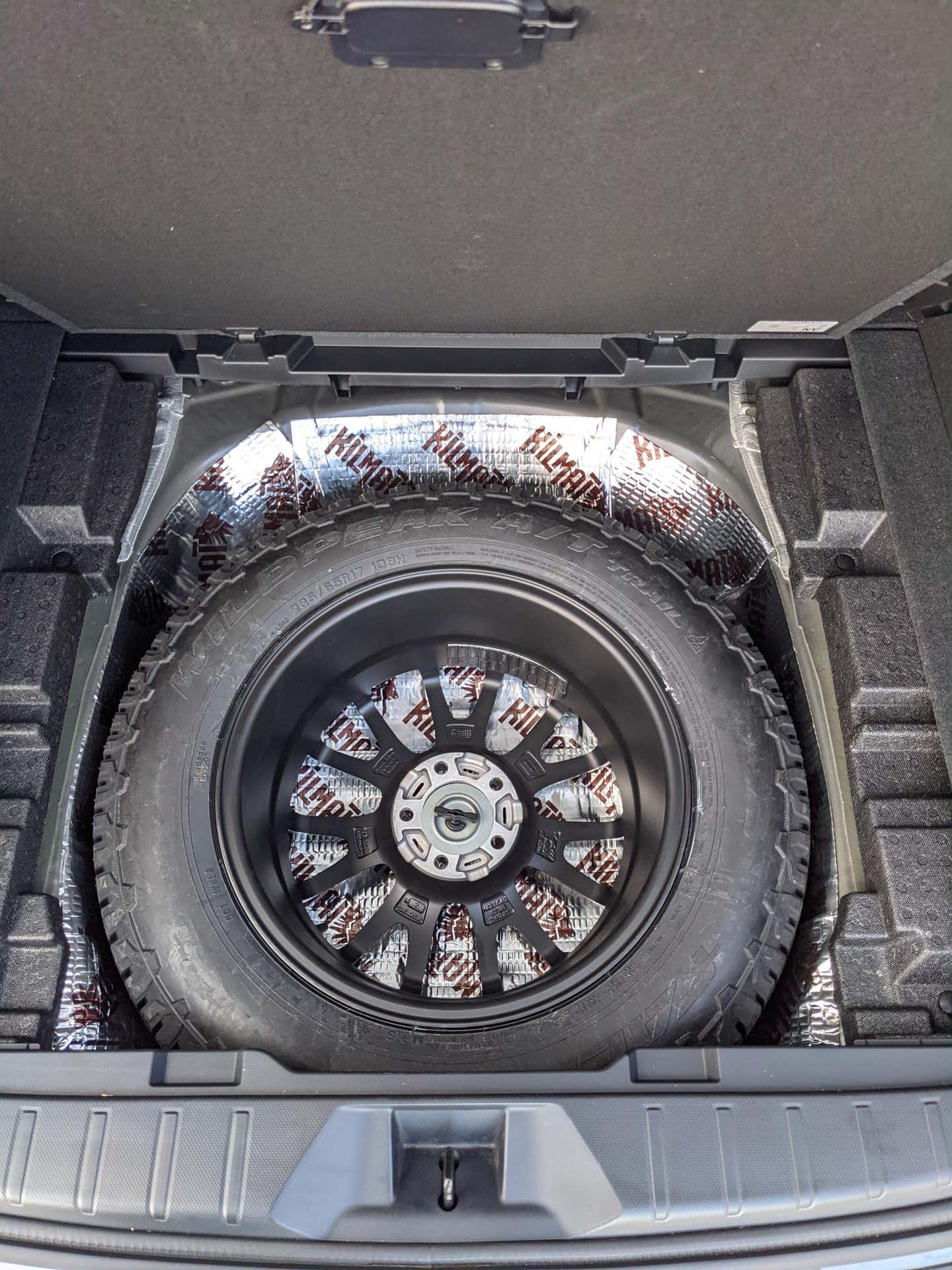
Store your spare tire in a cool, dry place inside your car. Avoid direct sunlight and heat.
Keep the tire clean and free from dirt or chemicals. Dirt can cause damage over time.
- Use a tire cover to protect from dust
- Place the tire securely to avoid movement
- Check storage area for moisture or leaks
When To Replace
Replace your spare tire if it is old or damaged. Tires lose strength after several years.
Look for cracks, dry rot, or worn tread. These signs mean the tire is unsafe to use.
- Replace every 6-10 years, even if unused
- Check for visible damage before use
- Follow your car manual for specific guidelines
Credit: www.subaruoutback.org
Common Spare Tire Myths
Many people have wrong ideas about spare tires. These myths can cause problems during a tire emergency.
Knowing the facts helps you use your spare tire safely and correctly.
Spare Tires Last Forever
Some think spare tires never go bad. This is not true. Spare tires can age and weaken over time.
Even if you never use the spare, check it regularly. Look for cracks, dry spots, or low air pressure.
- Rubber can dry out and crack after several years
- Air pressure drops slowly, making the tire unsafe
- Manufacturers suggest replacing spare tires every 6-10 years
All Spares Fit Any Car
Not all spare tires fit every car. Sizes and types vary by vehicle model and year.
Using the wrong spare can cause damage or unsafe driving. Always check your car’s manual for the right size.
- Some spares are full-size, others are smaller “donut” tires
- Wheel bolt patterns must match your car’s wheels
- Incorrect fit can affect steering and braking
Speed Limit Misconceptions
Many drivers do not know the speed limits for spare tires. Most spare tires are not made for high speeds.
Driving too fast on a spare tire can cause it to fail and lead to accidents.
- Most spares have a speed limit around 50 mph (80 km/h)
- Check the tire sidewall for maximum speed information
- Drive carefully and avoid long trips on a spare

Credit: www.reddit.com
Frequently Asked Questions
How Do I Find The Right Spare Tire Size For My Car?
Check your car’s owner manual or the tire information label inside the driver’s door. Match the spare tire size with your vehicle’s recommended specifications for safety and performance.
Can I Use Any Spare Tire On My Car Temporarily?
No, only use spares designed for your vehicle’s make and model. Temporary spares differ in size and speed rating and are meant for short-term use only.
What Is The Difference Between Full-size And Compact Spares?
Full-size spares match your regular tires exactly, while compact spares are smaller and lighter. Compact spares save space but have speed and distance limits.
How Long Can I Drive On A Spare Tire?
Most spare tires, especially compact ones, are safe for up to 50 miles at speeds below 50 mph. Replace or repair your regular tire promptly.
Conclusion
Choosing the right spare tire keeps you safe on the road. Check your car’s manual for the exact size needed. Measure your current tires to compare fit and style. Keep your spare properly inflated and ready for use. Regular checks prevent surprises during emergencies.
A good spare tire can save time and stress. Always prioritize safety and proper fit over convenience. Stay prepared, and your car will serve you well. Simple steps make a big difference in tire safety.