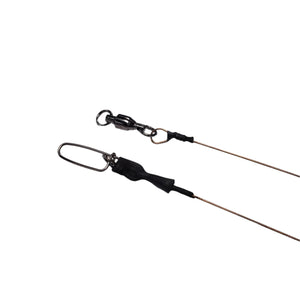
Have you ever wondered if your fishing line has an expiration date? You might be holding onto a spool that’s been sitting in your tackle box for months—or even years—and asking yourself if it’s still good to use.
The truth is, using old or worn-out fishing line can cost you your next big catch. But how do you know when it’s time to replace it? You’ll discover everything you need to know about fishing line expiration and how to keep your gear in top shape.
Keep reading to make sure your fishing line never lets you down.
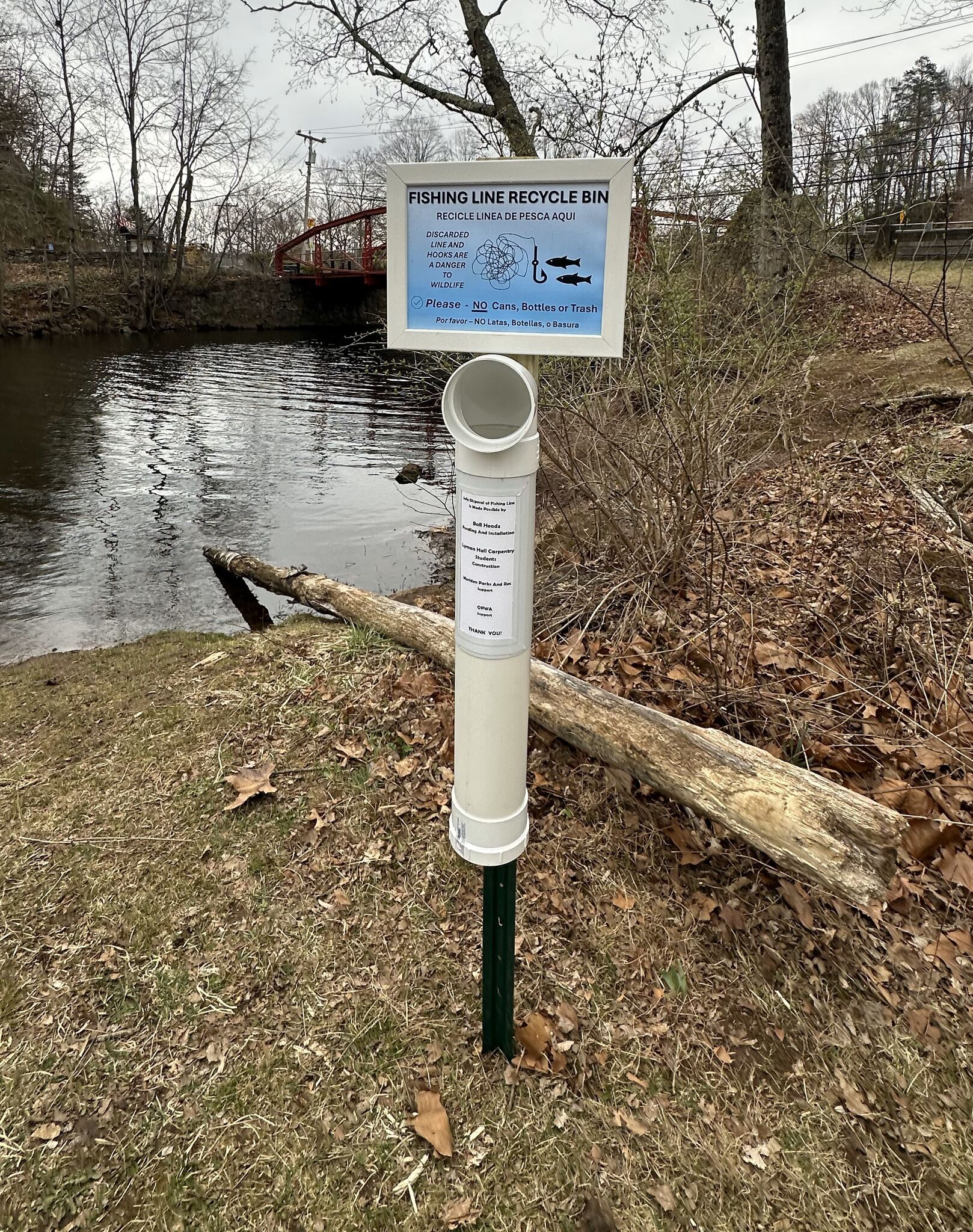
Credit: www.ctinsider.com
Shelf Life Of Fishing Line
Fishing line is an important tool for anglers. Knowing if it expires helps keep your gear ready.
Fishing lines can weaken over time. This can affect your fishing experience and success.
Factors Affecting Durability
Several factors change how long fishing line lasts. Storage conditions play a big role.
Heat, sunlight, and moisture can damage the line. Chemicals like oils and dirt also weaken it.
- Exposure to UV light breaks down line fibers
- High temperatures cause line to lose strength
- Humidity can cause some lines to degrade faster
- Physical stress from knots or bends weakens line
- Contact with chemicals can degrade materials
Types Of Fishing Line And Longevity
Different fishing lines last different lengths of time. Each type has unique features.
Monofilament, fluorocarbon, and braided lines vary in durability and shelf life.
| Type | Typical Shelf Life | Notes |
|---|---|---|
| Monofilament | 3 to 5 years | Degrades faster with UV exposure |
| Fluorocarbon | Up to 5 years | More resistant to UV and abrasion |
| Braided | 5 to 7 years | Strong and durable, less UV damage |
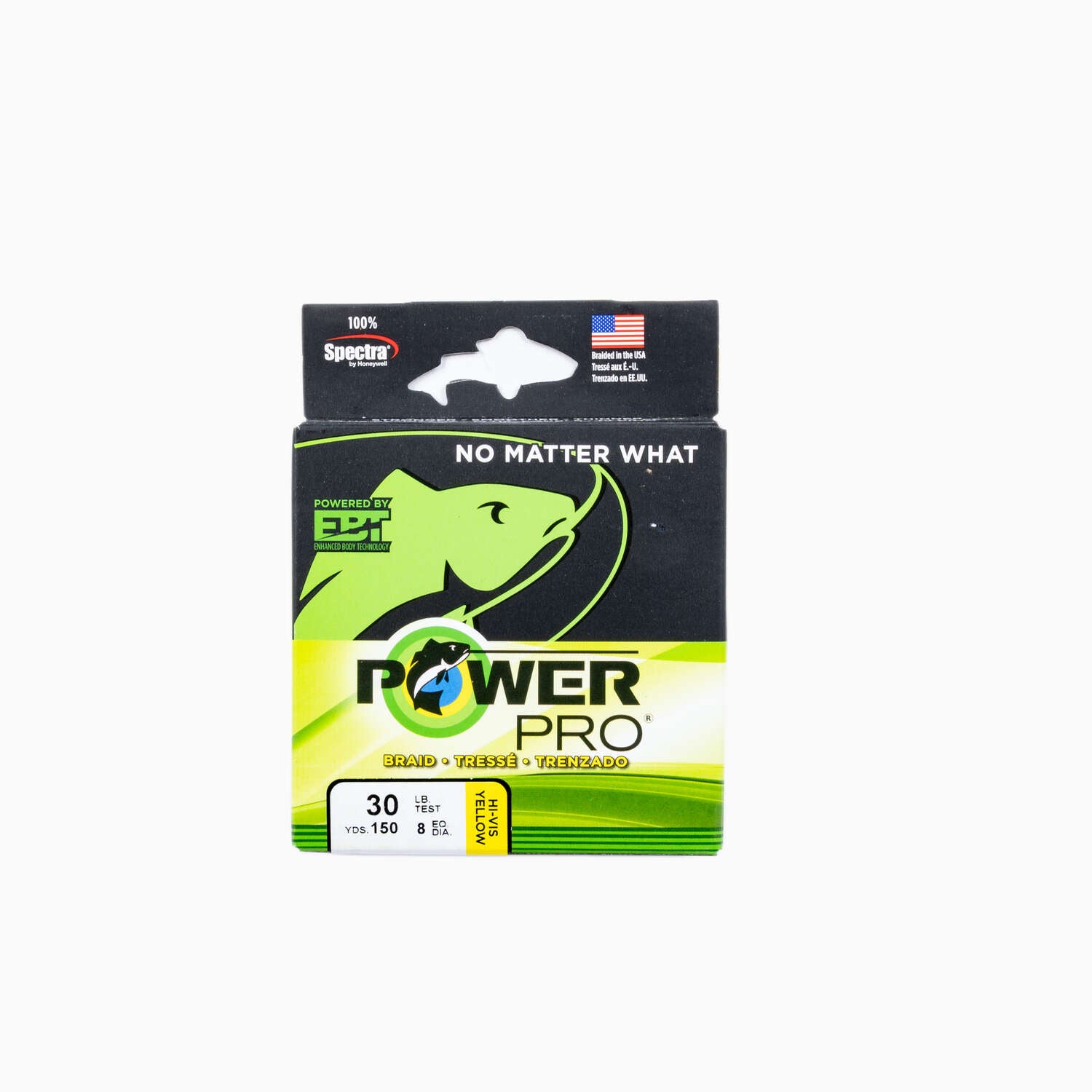
Credit: jandh.com
Signs Of Line Deterioration
Fishing lines can weaken over time. It is important to check them before use.
Knowing the signs of deterioration helps you avoid losing fish or gear.
Visual Indicators
Look closely at your fishing line for any visible damage. This shows if the line is old or weak.
Common visual signs include discoloration, cracks, and frayed spots.
- Faded or yellowed color
- Small cracks or splits along the line
- Frayed fibers or rough texture
- Line stiffness or brittleness
Performance Changes
Old fishing lines often lose strength and stretch more than usual.
You may notice the line breaks easily or does not cast well anymore.
- Line breaks with less force
- Increased stretch under tension
- Reduced smoothness during casting
- Difficulty holding knots securely
Storage Tips To Extend Life
Fishing line can last a long time if stored properly. Good storage keeps it strong and ready to use.
We share simple tips on the best environment and how to handle fishing line to keep it in top shape.
Ideal Environment
Keep fishing line in a cool, dark, and dry place. Heat and sunlight can weaken the line over time.
- Store line away from direct sunlight.
- Keep it in a sealed container to avoid moisture.
- Avoid places with high temperatures, like cars or garages in summer.
- Use a dedicated tackle box or drawer for storage.
Handling Precautions
Handle fishing line carefully to avoid damage. Sharp bends or rough surfaces can cause weak spots.
| Handling Action | Effect on Line |
| Avoid sharp bends | Prevents weak points |
| Keep clean and dry | Stops dirt and moisture damage |
| Do not pull too hard | Reduces risk of breaks |
| Inspect line before use | Finds damage early |

Credit: www.abqjournal.com
Effects Of Expired Line On Fishing
Fishing line can lose its quality over time. Using old or expired line affects your fishing success. It is important to understand what happens when the line gets old.
Expired line can cause problems such as reduced strength and higher chances of breaking. Knowing these effects helps you decide when to replace your line.
Strength Reduction
Fishing line loses its strength as it ages. The material weakens and cannot hold as much weight as before. This makes it harder to catch big fish.
- The line becomes brittle and less flexible.
- Its ability to stretch decreases.
- It may snap under pressure more easily.
- Exposure to sunlight and water speeds up damage.
Increased Risk Of Breakage
Old fishing line breaks more often. This can happen during casting or when a fish pulls hard. Breakage means lost fish and lost tackle.
| Cause | Effect on Line | Result |
| Sunlight Exposure | Line weakens and dries out | Breaks more easily under tension |
| Water Absorption | Line swells and degrades | Less strength and higher break risk |
| Repeated Use | Small tears and abrasions | Weak spots cause sudden breaks |
When To Replace Your Fishing Line
Fishing line does not last forever. Over time, it loses strength and becomes less reliable. Knowing when to replace your fishing line helps avoid losing fish and gear.
Many anglers ask if fishing line expires. The answer depends on use and storage. Regular checks can keep your line in good shape.
Routine Replacement Guidelines
Replacing your fishing line on a schedule is a good practice. Lines weaken with sunlight, water, and time. This causes breaks and poor performance.
- Replace monofilament line every 6 to 12 months.
- Change braided line every 1 to 2 years.
- Fluorocarbon line can last up to 2 years but inspect regularly.
- Store line in cool, dark places to extend life.
- Check for discoloration or stiffness before each use.
After Specific Events
Some situations require immediate line replacement. Damage from these events weakens your line quickly.
| Event | Reason to Replace | Action |
| Snag or Tangle | Line may have cuts or stretch | Replace or cut off damaged section |
| Heavy Catch | Stress can weaken the line | Inspect and replace if weakened |
| Exposure to Sunlight | UV rays break down line fibers | Replace if line looks faded or brittle |
| Line Twisting | Reduces strength and causes tangles | Replace or untwist carefully |
| Long Storage | Line may degrade over time | Check and replace if stiffness appears |
Frequently Asked Questions
Does Fishing Line Really Expire Over Time?
Yes, fishing line can expire. Exposure to sunlight, heat, and moisture weakens it. Over time, line loses strength and flexibility, increasing breakage risk. Proper storage extends its life, but old line should be replaced for safety and performance.
How Long Does Fishing Line Stay Usable?
Fishing line usually lasts 1 to 3 years unopened. Once opened, exposure speeds degradation. Factors like material type and storage affect lifespan. Regular checks for brittleness or discoloration help determine usability. Replace line if it shows signs of wear or damage.
Can Expired Fishing Line Cause Fishing Failures?
Yes, expired fishing line often breaks or tangles easily. It loses strength and elasticity, leading to missed catches. Using fresh line improves casting and fish handling. Always inspect and replace old line to avoid fishing failures.
How To Store Fishing Line To Prevent Expiration?
Store fishing line in a cool, dark, and dry place. Avoid direct sunlight and extreme temperatures. Use airtight containers to reduce moisture exposure. Proper storage preserves strength and flexibility, prolonging line life and performance.
Conclusion
Fishing line can weaken and break over time. Sun, water, and use affect its lifespan. Regular checks help ensure fishing success. Replace the line when it shows signs of wear. Store it properly to extend its life. A fresh line enhances your fishing experience.
Always be prepared for that big catch. Keeping your gear in top shape is key. Consider your fishing frequency and conditions. Choose wisely and maintain regularly. Your next fishing trip will thank you. Happy fishing!