Have you ever wondered why your body feels warm when you exercise or shiver when you’re cold? The answer lies deep within your muscular system.
But does the muscular system actually produce heat? Understanding this can change how you think about your body and its amazing ability to keep you comfortable no matter the temperature. Keep reading to discover how your muscles work behind the scenes to generate heat and why it matters for your health and daily life.
Credit: owlcation.com
Muscular System Basics
The muscular system helps the body move. It also helps keep the body warm by making heat.
Muscles work by using energy. They contract and relax to perform different jobs.
Muscle Types And Functions
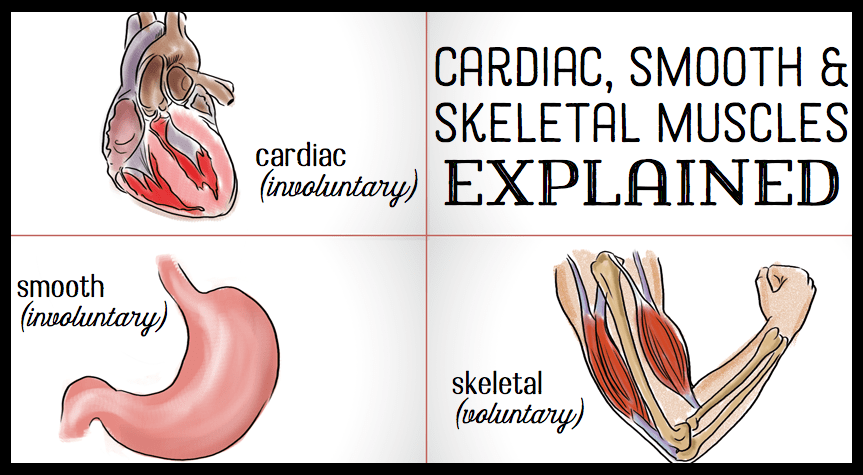
There are three types of muscles in the body. Each type has a special job to do.
- Skeletal musclesattach to bones and help move the body.
- Cardiac muscleis found in the heart and pumps blood.
- Smooth musclesare in organs and control movements like digestion.
These muscles work by tightening and relaxing. This action produces heat as a byproduct.
Energy Sources For Muscles
Muscles need energy to work. They get energy from food and oxygen.
The main energy sources for muscles are glucose and fatty acids. These are broken down to release energy.
- Glucose comes from carbohydrates in food.
- Fatty acids come from fats stored in the body.
- Oxygen helps release energy from these sources.
When muscles use energy, they produce heat. This heat helps keep the body temperature stable.
Heat Generation In Muscles
The muscular system plays a key role in producing heat in the body. This heat helps maintain body temperature and supports various functions.
Muscles generate heat mainly during contraction. This process involves chemical reactions that release energy as heat.
Muscle Contraction And Heat Production
Muscle contraction happens when muscle fibers shorten and generate force. This action uses energy stored in molecules inside the muscle cells.
- Energy is first stored as ATP (adenosine triphosphate).
- When muscles contract, ATP breaks down to release energy.
- Not all energy is used for movement; some is lost as heat.
- This heat warms the muscles and surrounding tissues.
- The more intense the muscle activity, the more heat is produced.
Role Of Atp In Heat Release
| Process | Energy Use | Heat Produced |
|---|---|---|
| ATP Breakdown | Energy for muscle contraction | Heat released as a byproduct |
| ATP Resynthesis | Uses energy from food molecules | Additional heat generated |
| Muscle Relaxation | Low energy use | Less heat produced |
Shivering And Thermoregulation
The muscular system plays a key role in keeping our body warm. It helps produce heat, especially when we feel cold.
Shivering is one way muscles help with thermoregulation. This process helps keep our body temperature stable.
How Shivering Produces Heat
Shivering happens when muscles contract quickly and repeatedly. These small movements create heat inside the body.
Even though shivering feels like shaking, it is an automatic action. The brain tells the muscles to start shivering when the body feels cold.
- Muscles use energy during shivering
- Energy use creates heat as a byproduct
- Heat helps raise the body’s temperature
- Shivering continues until the body warms up
Muscles In Body Temperature Control
Muscles help control body temperature in many ways. They make heat by using energy from food.
Besides shivering, muscles keep a steady temperature by working with other body parts. They help balance heat loss and production.
- Muscle contractions create heat
- Heat is carried by blood to warm the body
- Muscles work with skin and blood vessels
- They adjust heat to keep temperature steady
Credit: www.katebrilakis.com
Heat Loss And Muscle Activity
The muscular system plays a key role in producing heat in the body. Muscle activity generates heat as a byproduct of movement and energy use.
This heat helps maintain the body’s temperature but also causes heat loss that the body must manage.
Impact Of Exercise On Body Heat
Exercise makes muscles work harder and produce more heat. The body temperature rises during physical activity.
The heat from muscles helps keep the body warm but can cause overheating if not controlled.
- Muscle contractions increase heat production
- More exercise means more heat generated
- Body temperature rises with intense activity
Heat Dissipation Mechanisms
The body uses several ways to lose heat and keep cool. Sweating and blood flow changes help move heat away from muscles.
These mechanisms prevent the body from getting too hot during muscle activity and exercise.
- Sweat evaporates and cools the skin
- Blood vessels widen to release heat
- Breathing faster helps lose heat
Clinical Insights On Muscle Heat
The muscular system generates heat during movement and rest. This heat plays a key role in body temperature regulation. Understanding how muscles produce and manage heat is important for health care.
Muscle heat can affect various medical conditions. It also helps in treatments that improve blood flow and reduce pain. This article explores muscle heat in clinical settings.
Heat-related Muscle Disorders
Muscle heat can cause or worsen some disorders. Heat stress leads to muscle cramps and fatigue. Excess heat may damage muscle cells. Medical professionals watch for these signs during heat exposure.
- Heat cramps happen from loss of salt and fluids.
- Heat exhaustion causes weakness and heavy sweating.
- Heat stroke is a serious condition with high body temperature.
- Rhabdomyolysis results from muscle breakdown and heat damage.
Therapeutic Uses Of Muscle Heat
Applying heat to muscles helps relieve pain and stiffness. Heat therapy improves blood flow and relaxes muscles. Doctors use heat in physical therapy and rehabilitation.
| Type of Heat Therapy | Purpose | Common Use |
| Warm Packs | Reduce muscle stiffness | Back pain relief |
| Ultrasound Heat | Deep tissue heating | Sports injury recovery |
| Paraffin Baths | Improve joint movement | Arthritis treatment |
| Infrared Heat | Increase circulation | Muscle relaxation |
Credit: www.utah.narpm.org
Frequently Asked Questions
Does The Muscular System Generate Heat In The Body?
Yes, the muscular system generates heat during muscle contractions. This process is called thermogenesis. It helps maintain body temperature, especially in cold environments.
How Does Muscle Activity Affect Body Heat Production?
Muscle activity increases heat production by breaking down ATP during contractions. More muscle movement means more heat generated, aiding in temperature regulation.
Can Shivering Increase Heat From Muscles?
Yes, shivering rapidly contracts muscles to produce extra heat. This involuntary response helps raise body temperature when cold.
Why Is Muscle Heat Important For Homeostasis?
Muscle-generated heat supports homeostasis by stabilizing internal body temperature. It ensures enzymes and organs function properly in varying conditions.
Conclusion
Muscles help keep your body warm by producing heat. When muscles move or contract, they release energy as heat. This process is important for maintaining body temperature. Without this heat, your body could get too cold. So yes, the muscular system plays a key role in heat production.
It works quietly inside you all the time. Understanding this helps appreciate how your body stays balanced. Heat from muscles supports many daily activities and overall health. It’s a simple but vital function of your muscles.