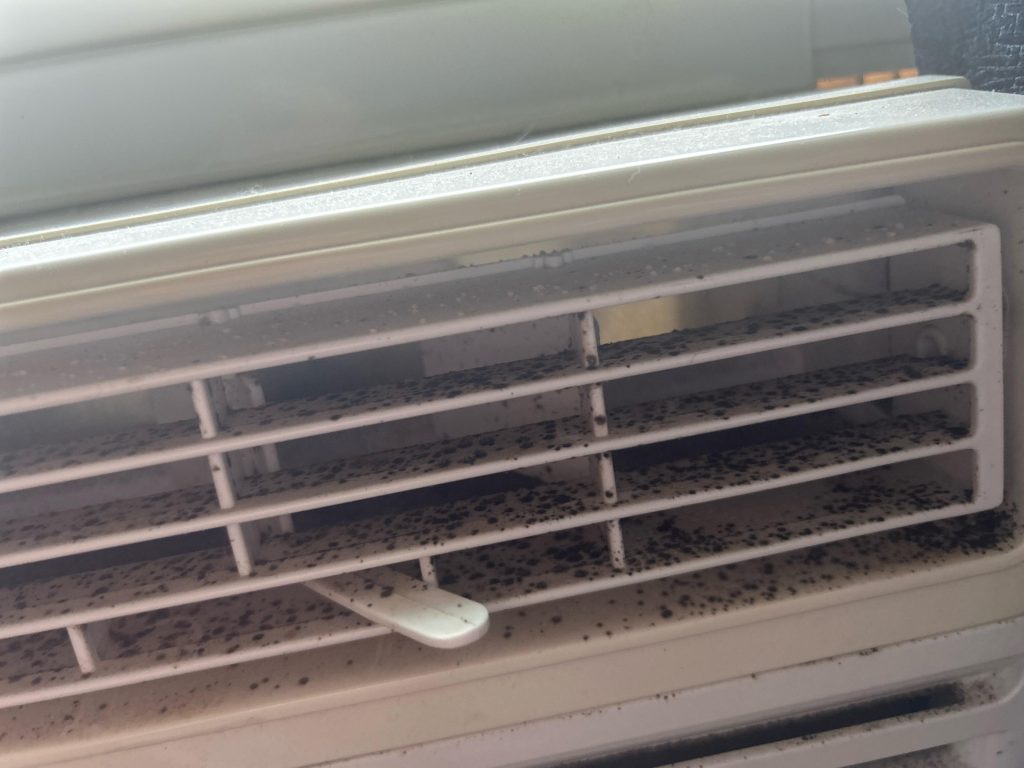
Is your window air conditioner showing signs of mold? Mold not only smells bad but can also affect your health and the air quality in your home.
You might be wondering how to get mold out of your window air conditioner quickly and safely. You’ll discover simple, effective steps that anyone can follow to clean mold and keep your AC running smoothly. Don’t let mold take over your cool breeze—read on to learn how to tackle it before it becomes a bigger problem.

Credit: www.reddit.com
Signs Of Mold In Window Ac
Mold can grow inside window air conditioners if moisture builds up. It is important to spot mold early to keep your AC clean and safe.
Knowing the signs of mold helps you act fast to remove it and protect your health.
Common Mold Indicators
You might see mold in or around your window AC unit. Here are some common signs to look for.
- Black or green fuzzy spots on the AC vents or filters
- Musty or damp smell coming from the unit
- Visible water stains or dampness inside the AC
- Clogged or dirty drip pans with dark discoloration
- Increased dust buildup that feels sticky or wet
Health Risks To Watch For
Mold in your window AC can cause health problems. Watch for these symptoms if you suspect mold.
| Symptom | Description |
| Coughing | Dry or persistent cough after using the AC |
| Sneezing | Frequent sneezing or runny nose indoors |
| Eye Irritation | Red, itchy, or watery eyes |
| Skin Rash | Itchy or irritated skin after contact |
| Breathing Trouble | Shortness of breath or wheezing |
Safety Precautions Before Cleaning
Cleaning mold from a window air conditioner can protect your health. Mold spores can cause breathing problems and allergies.
Taking safety steps before cleaning helps avoid health risks and accidents. Prepare well before you start.
Protective Gear Essentials
Wearing protective gear keeps mold spores away from your skin, eyes, and lungs. Always wear the right items before cleaning.
- Gloves: Use rubber or latex gloves to protect your hands.
- Mask: Wear an N95 mask to avoid breathing in spores.
- Goggles: Use safety goggles to shield your eyes.
- Long sleeves: Wear a long-sleeved shirt to cover your arms.
Preparing The Area
Prepare the cleaning area to stop mold spores from spreading to other rooms. Good ventilation helps reduce spores in the air.
Remove items near the air conditioner. Cover furniture and floors with plastic sheets or old towels.
- Open windows for fresh air.
- Turn off and unplug the air conditioner before cleaning.
- Use a drop cloth or plastic to protect surfaces.
- Keep pets and children away from the area.
Tools And Materials Needed
Removing mold from your window air conditioner requires the right tools and materials. Having everything ready helps you clean effectively and safely.
In this guide, we list the cleaning supplies and explain how to pick the best mold remover for your unit.
Cleaning Supplies List
You need several supplies to clean mold from your air conditioner. These items help you remove mold and keep the area clean.
- Protective gloves to keep your hands safe
- Face mask to avoid breathing mold spores
- Screwdriver to open the air conditioner cover
- Soft brush or cloth for scrubbing
- Bucket for mixing cleaning solutions
- Clean water for rinsing parts
- Vacuum cleaner with a brush attachment
- Old towels to catch drips and spills
Choosing The Right Mold Remover
Choosing a mold remover is important for safe and effective cleaning. Some products work better and are safer for your air conditioner parts.
| Type of Mold Remover | Advantages | Precautions |
| White vinegar | Kills mold and is safe for most surfaces | Strong smell, use in a ventilated area |
| Hydrogen peroxide (3%) | Effective and leaves no residue | Avoid contact with eyes and skin |
| Baking soda solution | Non-toxic and gentle cleaner | May need repeated application |
| Commercial mold cleaners | Fast-acting and strong on tough mold | May contain harsh chemicals, read label |
Step-by-step Mold Removal
Mold can grow inside your window air conditioner. It makes the air unhealthy. Cleaning it is important for good air quality.
This guide shows easy steps to remove mold safely and well. Follow these to get your unit clean.
Disassembling The Unit
Unplug the air conditioner before you start. Remove the front cover and take out the filters. Check the manual if you need help.
Cleaning The Filters
Filters hold dust and mold spores. Clean them with warm water and soap. Let them soak if very dirty.
- Rinse filters under running water
- Use a soft brush to scrub away mold
- Dry filters fully before re-installing
Scrubbing Moldy Surfaces
Use a mixture of water and mild detergent. Scrub all moldy parts carefully. Avoid harsh chemicals that can damage the unit.
| Surface | Cleaning Tip |
|---|---|
| Coils | Use soft brush, avoid bending fins |
| Plastic parts | Wipe gently with soapy cloth |
| Drain pan | Clean with vinegar solution |
Rinsing And Drying
Rinse all cleaned parts with water to remove soap. Dry them completely to stop mold from returning. Use a towel or air dry in sunlight.
Preventing Future Mold Growth
Mold grows in damp and dirty places inside your window air conditioner. You can stop mold by keeping the unit clean and dry.
Regular care helps your air conditioner stay fresh and safe to use. Follow simple tips to avoid mold problems later.
Regular Maintenance Tips
Clean your air conditioner often. Remove and wash filters every month during use. Wipe down the inside parts with a cloth and mild soap.
- Turn off and unplug before cleaning
- Clean or replace filters regularly
- Use a soft brush to remove dust inside
- Dry all parts fully before reassembling
- Check for mold spots and clean immediately
Improving Airflow And Drainage
Good airflow and drainage keep moisture low. This stops mold from growing inside the unit.
| Action | Why It Helps |
| Keep vents clear | Allows air to flow freely |
| Check drainage hole | Prevents water buildup |
| Use a small fan nearby | Improves air movement |
| Position unit level | Helps water drain properly |
| Inspect and clean drip tray | Stops mold growth from standing water |

Credit: unitedstatesolutions.com
When To Call A Professional
Mold in your window air conditioner can be harmful. Small mold spots can be cleaned by yourself. Big mold problems need expert help.
Knowing when to call a professional keeps your home safe. Experts use tools and cleaners that remove mold fully.
Signs Of Severe Mold Infestation
Look for strong mold smell inside or around the air conditioner. This smell often means mold is growing inside the unit.
Visible mold that covers large areas or inside hard-to-reach parts shows a severe problem. You might see black, green, or white fuzzy spots.
- Strong, musty odor coming from the air conditioner
- Large patches of mold on or inside the unit
- Air conditioner spreading mold spores into the room
- Frequent allergies or breathing problems when the unit runs
Choosing A Mold Removal Expert
Pick a professional who knows how to handle mold safely. They should use proper gear and tools to clean your unit.
Check that the expert is licensed and has good reviews. Ask if they use eco-friendly products and follow safety rules.
- Licensed and certified in mold removal
- Experience with air conditioner mold cleaning
- Uses safe and approved cleaning products
- Offers a clear plan and cost estimate
- Has positive customer feedback

Credit: www.reddit.com
Frequently Asked Questions
How To Identify Mold In Window Ac?
To identify mold, check for musty odors and visible black or green spots. Mold often appears on vents, coils, or filters. Regularly inspect these areas to catch mold early. A flashlight can help you spot hidden mold. Keeping your AC unit clean will prevent mold growth.
Can Mold In Ac Affect Health?
Yes, mold can cause respiratory issues, allergies, and asthma attacks. It releases spores that are harmful when inhaled. People with pre-existing conditions are more at risk. Regular cleaning and maintenance of your AC can prevent mold. Use a dehumidifier to control humidity levels, reducing mold risk.
What Tools Are Needed To Clean Mold?
You need a screwdriver, soft brush, and a vacuum cleaner. Use mild detergent and water for cleaning. White vinegar or baking soda can help remove stubborn mold. Wear gloves and a mask for safety. Regularly clean your unit to prevent mold buildup.
How Often Should I Clean My Window Ac?
Clean your window AC every three months to prevent mold. Regular maintenance improves efficiency and air quality. Check filters, coils, and vents for dust and mold. Frequent cleaning can extend the lifespan of your AC unit. Consider professional cleaning annually for thorough maintenance.
Conclusion
Cleaning mold from your window air conditioner keeps your air fresh and healthy. Regular care stops mold from coming back. Use safe cleaners and dry all parts well after cleaning. Check your unit often to catch mold early. Clean air means better comfort in your home.
Simple steps make a big difference in air quality. Keep your air conditioner mold-free for a safer space.