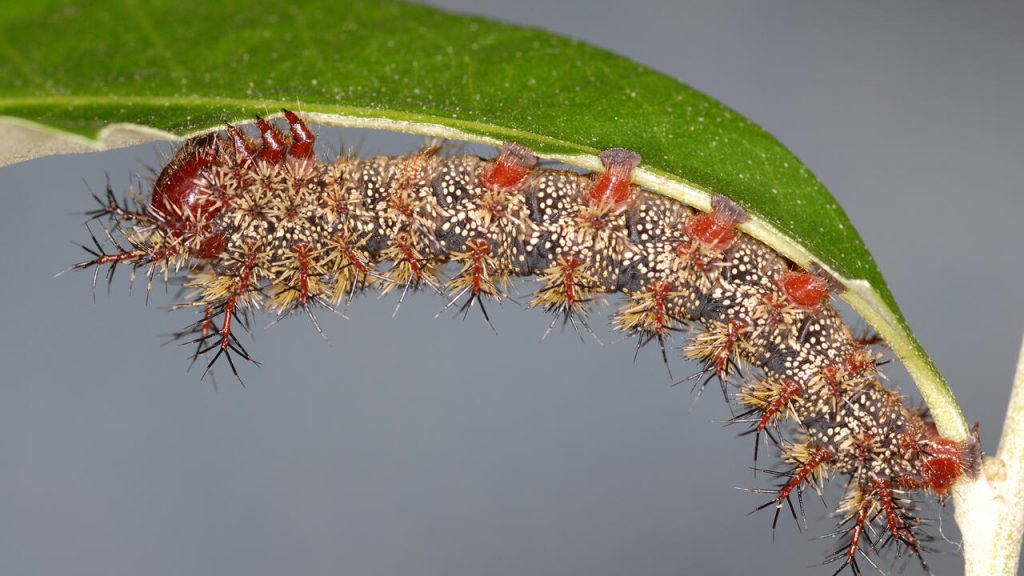
Have you ever spotted those fuzzy, fast-moving caterpillars on trees and wondered if they could sting you? Tent caterpillars are common in many areas, and their strange appearance can make you pause.
But should you worry about touching them? Understanding whether tent caterpillars sting is important for your safety and peace of mind. Keep reading, and you’ll discover the truth behind these curious insects and learn how to protect yourself if you come across them.
Credit: workingforest.com
Tent Caterpillar Basics
Tent caterpillars are common insects found in many forests and gardens. People often wonder if these caterpillars sting or cause harm.
This guide explains the main facts about tent caterpillars, their looks, where they live, and how they grow.
Appearance And Habitat
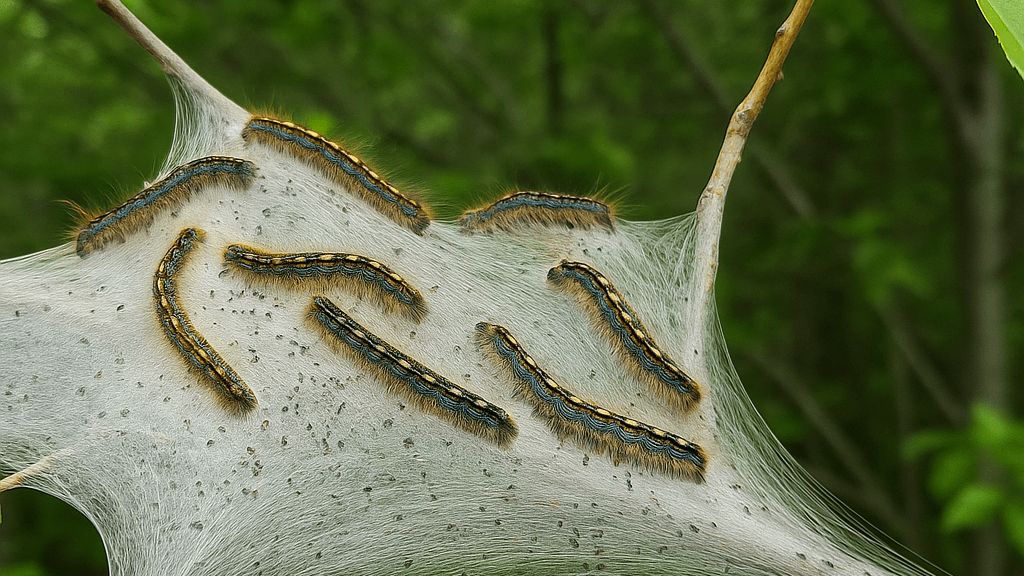
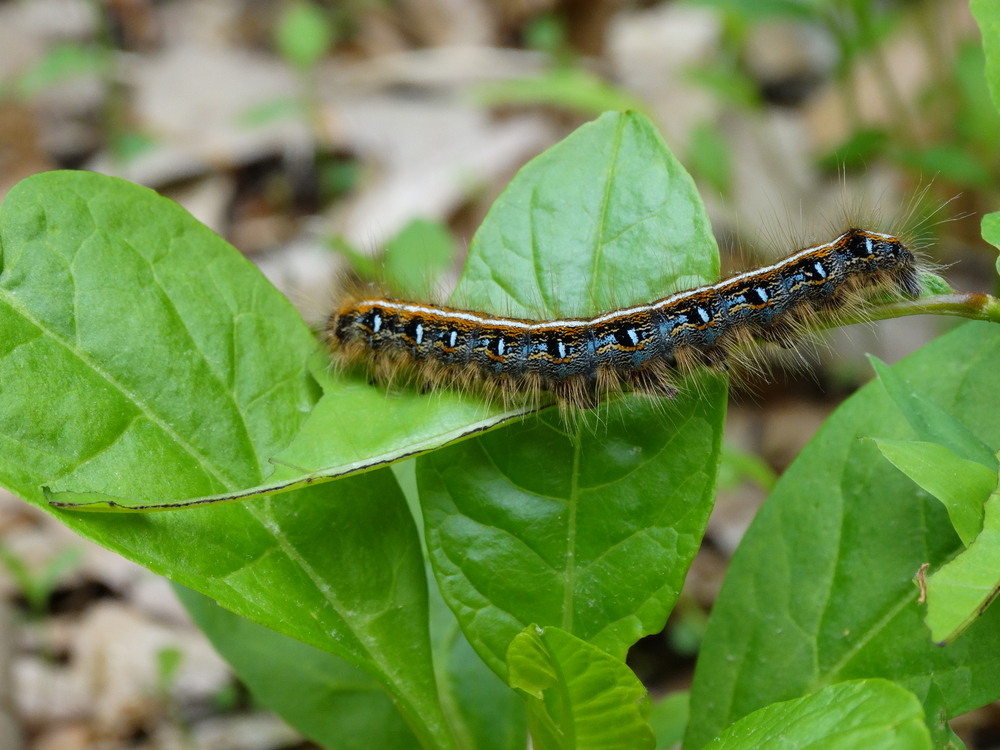
Tent caterpillars have hairy bodies with stripes in white, black, and blue colors. They build web-like tents in trees.
They mostly live in hardwood trees like cherry, apple, and maple. Their tents protect them from birds and weather.
- Hairy bodies with colorful stripes
- Create silk tents in tree branches
- Found on fruit and shade trees
- Live in groups inside tents
Life Cycle Stages
Tent caterpillars go through four stages: egg, larva, pupa, and adult moth. Each stage looks different and has a special role.
The larva stage is when they build tents and eat leaves. They stop eating to become pupae before turning into moths.
- Eggs hatch in early spring
- Larvae form tents and eat leaves
- Pupae develop inside cocoons
- Adults emerge as moths
Do Tent Caterpillars Sting?
Tent caterpillars are common insects found on trees in spring. Many people wonder if these caterpillars can sting.
This article explains if tent caterpillars sting and compares them to other stinging caterpillars.
Physical Features Related To Stinging
Tent caterpillars have soft bodies covered with fine hairs. These hairs do not contain venom or stinging cells.
- They are usually hairy but lack sharp spines.
- The hairs may cause mild skin irritation for some people.
- They do not inject venom or cause a sting.
Comparison With Stinging Caterpillars
| Feature | Tent Caterpillar | Stinging Caterpillar |
| Body Covering | Soft hairs | Sharp spines with venom |
| Venom | No venom | Venom present |
| Effect on Humans | Mild irritation, no sting | Painful sting, allergic reactions possible |
| Appearance | Hairy but smooth | Spiny and bristly |
Tent caterpillars do not sting or inject venom. Their hairs may cause slight itching but are not dangerous.
Effects Of Contact
Touching tent caterpillars can cause different skin reactions. Some people feel mild irritation. Others may have stronger responses.
It is important to know what happens after contact. This helps you treat any discomfort quickly.
Skin Reactions And Irritations
Tent caterpillars have tiny hairs that can irritate your skin. The effects vary by person and exposure time.
- Redness or rash on the skin
- Itching that can last a few hours
- Small bumps or swelling in some areas
- Burning or stinging sensation
These symptoms usually go away without treatment. Washing the area with soap and water helps reduce irritation.
Allergic Responses
Some people may have allergic reactions to tent caterpillar hairs. These reactions can be more serious.
| Symptom | Description |
| Severe swelling | Swelling beyond the contact area |
| Difficulty breathing | Needs immediate medical help |
| Hives | Raised, itchy red bumps on the skin |
| Dizziness | Feeling faint or lightheaded |
If you see these signs, seek medical care quickly. Avoid touching tent caterpillars if you know you are allergic.

Credit: www.adamspestcontrol.com
Safety Tips Around Tent Caterpillars
Tent caterpillars are common in many areas during spring and early summer. People often wonder if these insects can sting or cause harm.
It is important to know how to stay safe around tent caterpillars, especially if you have children or pets at home.
Handling Precautions
Tent caterpillars do not sting like bees or wasps. Their hairs can cause skin irritation or rashes in some people.
Avoid touching them with bare hands. Use tools to remove tents or caterpillars from trees or plants.
- Do not crush caterpillars with bare skin
- Use a stick or gloves to handle them
- Keep children and pets away from the tents
Protective Clothing And Gear
Wearing the right clothing can help prevent skin irritation from tent caterpillars. Long sleeves and pants keep your skin covered.
Gloves protect your hands when handling or removing caterpillars. Safety goggles can also keep irritants out of your eyes.
- Wear long-sleeved shirts and long pants
- Use gloves when working near caterpillars
- Consider safety glasses for eye protection
- Wash clothes after exposure to caterpillars
Controlling Tent Caterpillar Populations
Tent caterpillars can damage trees by eating many leaves. Controlling their numbers helps protect plants.
There are natural ways and removal methods to reduce tent caterpillar populations safely.
Natural Predators
Birds are one of the main natural enemies of tent caterpillars. They eat the caterpillars and their eggs.
Other insects like wasps and beetles also help lower caterpillar numbers by hunting them.
- Birds such as chickadees and orioles
- Parasitic wasps that lay eggs inside caterpillars
- Predatory beetles that feed on larvae
Effective Removal Methods
You can remove tent caterpillars by cutting out their egg masses in early spring. This stops new caterpillars from hatching.
Destroying the tents on trees in the morning or evening helps reduce their numbers. Be careful not to harm the tree.
- Remove egg masses from tree branches
- Break up and remove tents by hand or with tools
- Use soapy water spray to kill caterpillars safely
Credit: www.brodybrotherspestcontrol.com
Frequently Asked Questions
Do Tent Caterpillars Sting Humans?
No, tent caterpillars do not sting humans. They have no stingers or venom. However, their hairs may cause mild skin irritation in sensitive individuals.
Can Tent Caterpillars Cause Allergic Reactions?
Yes, some people may experience mild allergic reactions from tent caterpillar hairs. Symptoms include itching, redness, or rash after contact with their bodies.
Are Tent Caterpillars Harmful To Pets?
Tent caterpillars are generally not harmful to pets. However, if pets ingest them, they might experience minor stomach upset or irritation.
How To Safely Remove Tent Caterpillars?
Wear gloves and use a stick or tool to remove tent caterpillars from trees. Avoid direct skin contact to prevent irritation.
Conclusion
Tent caterpillars do not sting or bite people. They are mostly harmless insects. You might see their silky tents in trees during spring. These caterpillars can bother plants but don’t pose a danger to humans. It is good to avoid touching them to prevent skin irritation.
Knowing the facts helps you stay calm and safe. Watching these creatures can be interesting without worry. Nature has many harmless surprises like tent caterpillars. Understanding them makes outdoor time more enjoyable.