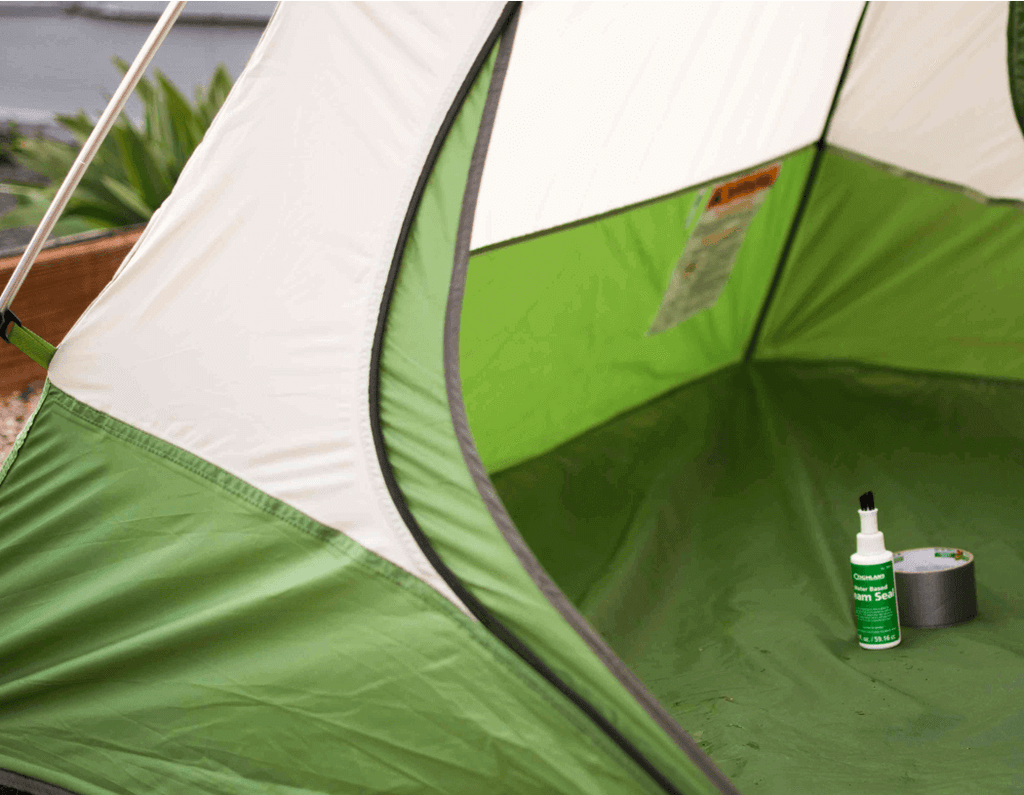
Mold on your tent can quickly turn a fun camping trip into a messy nightmare. If you’ve spotted those stubborn black or green spots, you probably want to get rid of them fast—and safely.
You don’t have to toss your tent or spend hours scrubbing with harsh chemicals. In this guide, you’ll learn simple, effective steps to clean mold off your tent and keep it fresh for your next adventure. Keep reading, and you’ll find out how to protect your gear and enjoy the outdoors without worrying about mold.
Identifying Mold On Your Tent
Mold can grow on your tent if it stays damp for a long time. It looks like spots or patches that are fuzzy or slimy. Knowing how to find mold early helps keep your tent clean and safe.
Check your tent after camping or if you store it while it is still wet. Mold can cause damage to the fabric and affect your health. Look closely for any unusual marks or smells.
Common Mold Signs
Mold on tents shows in many ways. The most common signs include changes in color and texture. You might see black, green, white, or gray patches. Sometimes, the mold feels slimy or fuzzy to touch.
- Discolored spots or stains on the fabric
- A musty or earthy smell inside the tent
- Soft or damp areas that stay wet even after drying
- Fuzzy or powdery patches on seams or corners
- Black or green growth near zippers and vents
Health Risks Of Mold
Mold can cause health problems, especially for people with allergies or weak immune systems. It releases spores that can irritate your skin, eyes, and lungs. Knowing the risks helps you act fast.
| Health Issue | Symptoms |
| Allergic Reactions | Sneezing, runny nose, itchy eyes |
| Asthma Attacks | Shortness of breath, wheezing |
| Skin Irritation | Rashes, redness, itching |
| Respiratory Infections | Coughing, difficulty breathing |
Gathering Cleaning Supplies
Cleaning mold from a tent needs the right tools and safe cleaners. Using proper supplies helps protect the fabric and keeps you safe.
Before you start cleaning, gather all items you will need. This makes the process easier and faster.
Essential Cleaning Tools
You need some basic tools to clean mold off your tent. These tools help you scrub, rinse, and dry the tent properly.
- Soft brush or sponge to scrub gently
- Bucket for mixing cleaning solutions
- Spray bottle for applying cleaners evenly
- Clean cloths or towels for drying
- Protective gloves to keep hands safe
- Mask to avoid breathing mold spores
Safe Cleaning Solutions
Choose cleaners that kill mold but do not harm your tent’s fabric. Avoid harsh chemicals that can damage the material.
| Cleaning Solution | Ingredients | Use |
| Mild Soap | Water and gentle detergent | Safe for all tents |
| White Vinegar | 5% acetic acid | Kills mold spores naturally |
| Baking Soda | Pure sodium bicarbonate | Removes odors and light mold |
| Hydrogen Peroxide | 3% solution | Disinfects and cleans mold |
Preparing The Tent For Cleaning
Cleaning mold off a tent starts with good preparation. This helps protect the tent fabric and makes cleaning easier.
Before applying any cleaning solutions, you should set up a safe area and clear the tent of loose dirt and debris.
Setting Up A Cleaning Area
Choose a shaded, open space to clean your tent. Avoid direct sunlight as it can dry the fabric too fast and cause damage.
- Find a flat surface, like a driveway or lawn.
- Lay down a large tarp or old sheets to protect the tent floor.
- Keep cleaning supplies and water nearby.
- Make sure the area is well ventilated.
Removing Loose Dirt And Debris
Cleaning loose dirt first helps prevent scratching or pushing mold deeper into the fabric.
| Method | Tools Needed | Instructions |
| Shake Tent | None | Take the tent outside and shake it gently to remove dust and leaves. |
| Brush Off | Soft brush | Use a soft brush to sweep dirt off the tent surface carefully. |
| Vacuum | Vacuum cleaner with brush attachment | Vacuum the tent fabric to remove fine particles. |

Credit: www.popularmechanics.com
Effective Mold Removal Techniques
Mold can damage your tent fabric and cause bad smells. It is important to clean mold quickly and safely.
Use gentle cleaning methods to protect your tent while removing mold. This guide shows easy ways to clean mold.
Using Mild Detergents
Mild detergents help remove mold without hurting the tent material. Use a soft brush to scrub gently.
Mix a small amount of detergent with warm water. Clean the affected areas and rinse well with clean water.
Applying Vinegar Or Baking Soda
Vinegar and baking soda are natural cleaners that kill mold spores. They are safe and easy to use on tents.
- Spray white vinegar on the moldy spots and let it sit for 30 minutes.
- For baking soda, make a paste with water and apply it to the mold. Wait 15 minutes.
- Use a soft brush to scrub, then rinse the tent with water.
Avoiding Harsh Chemicals
Strong chemicals can damage your tent’s fabric and waterproof coating. Avoid bleach and ammonia.
These chemicals may cause color fading and weaken the material. Use gentle cleaners instead for safe mold removal.
Drying And Preventing Mold Regrowth
Mold can damage your tent if it stays wet or damp. Drying your tent properly stops mold from growing again. Storing your tent in the right way also helps keep it mold-free.
This guide explains how to dry your tent well and store it to avoid mold problems in the future.
Proper Tent Drying Methods
Dry your tent as soon as you take it down. Air drying is the best way to remove moisture. Avoid folding or packing your tent while it is still wet.
- Set up your tent outside in a shaded area with good airflow.
- Open all doors and windows to let air move freely.
- Use a clean towel to pat dry any wet spots.
- Hang the tent if possible to let water drip off.
- Wait until the tent is fully dry before packing it away.
Storage Tips To Avoid Mold
Store your tent in a dry and cool place. Avoid tight bags or plastic containers that trap moisture. Use breathable bags or loose storage to keep air moving around the tent.
| Storage Method | Benefits | Notes |
| Breathable cotton bag | Allows air flow, reduces moisture | Best for long-term storage |
| Large mesh bag | Keeps tent ventilated | Good for short trips between uses |
| Plastic bin (with holes) | Protects from pests and dust | Ensure holes for air circulation |
| Tightly sealed plastic bag | Blocks dirt and bugs | Risk of mold if tent is damp |

Credit: www.gearaid.com
When To Seek Professional Help
Mold on a tent can be harmful to your health and damage the fabric. Some mold problems are too big or dangerous to clean yourself. Knowing when to ask for expert help can save your tent and keep you safe.
Professionals use special tools and cleaners that remove mold deeply. They also prevent mold from coming back quickly. This guide helps you decide if you need a professional to clean your tent.
Signs Mold Is Too Severe
Check your tent carefully to see how bad the mold is. If the mold covers a large area, it is harder to clean. Mold that smells very strong or looks black and fuzzy can be harmful.
If you see the following signs, the mold problem might be too severe:
- Mold covers more than 10% of the tent surface
- Mold growth goes deep into the fabric
- Strong musty or chemical smell
- Health symptoms like coughing or skin irritation
- Repeated mold returns after cleaning
Choosing A Professional Service
Look for a cleaning service that has experience with tents and outdoor gear. They should use safe and effective mold removal methods. Check if the service offers a guarantee for their work.
Consider these points when picking a professional service:
- Specializes in mold removal on fabric and outdoor items
- Uses non-toxic cleaning products
- Has good reviews from customers
- Offers advice on preventing mold in the future
- Provides clear pricing and service details
Credit: www.gearaid.com
Frequently Asked Questions
How Do I Remove Mold From A Tent Safely?
To remove mold safely, use a mixture of water and mild detergent. Gently scrub the affected areas with a soft brush. Avoid harsh chemicals to protect the fabric and your health. Always wear gloves and clean in a well-ventilated area.
Can Vinegar Effectively Clean Mold Off Tents?
Yes, vinegar is an effective natural cleaner. Spray white vinegar directly on moldy spots and let it sit for an hour. Then, scrub gently and rinse with water. Vinegar kills mold spores without damaging tent fabric, making it a safe cleaning option.
What Should I Avoid When Cleaning Mold On Tents?
Avoid using bleach or harsh chemicals that can damage tent material. Do not machine wash or dry the tent, as heat may set mold stains. Avoid scrubbing too hard to prevent fabric tears or weakening the waterproof coating.
How Can I Prevent Mold Growth On My Tent?
Always dry your tent completely before storage. Store it in a cool, dry place with good airflow. Use moisture absorbers or silica gel packs inside the tent bag to reduce humidity and prevent mold growth over time.
Conclusion
Cleaning mold off a tent takes time and care. Use gentle cleaners and soft brushes to avoid damage. Let the tent dry fully in sunlight to stop mold growth. Regularly check your tent after trips to catch mold early. Keeping your tent clean helps it last longer and stay safe to use.
Remember, simple steps can protect your gear and your health. Stay patient and consistent for the best results.