
Have you ever faced a flat tire and wondered, “Can I change just one tire on my car?” It’s a common question that many drivers ask but don’t always get a clear answer to. You want to fix the problem quickly without spending extra money or time.
But is changing only one tire safe? Will it affect your car’s performance or safety? You’ll find simple, straightforward answers that help you make the best decision for your car and your peace of mind. Keep reading to learn what you need to know before you replace a single tire.

Credit: danthetireman.com
Risks Of Changing One Tire
Changing just one tire on a car may seem easy and cost-saving. It is important to know the risks before doing it.
Using one new tire with older tires can cause problems with how your car drives and handles.
Impact On Vehicle Stability
One new tire can make your car less stable. Tires with different tread depths wear unevenly.
This difference can cause the car to pull to one side. It may feel unsafe when turning or braking.
Effects On Traction And Handling
Tires with different wear levels grip the road differently. This reduces traction and control.
The new tire may have better grip than the older ones. This can cause uneven handling in wet or slippery conditions.
- Uneven grip can lead to skidding
- Handling may feel unpredictable
- Stopping distances can increase
Potential Damage To Drivetrain
Different tire sizes or tread depths can stress the drivetrain parts. This happens because the wheels turn at different speeds.
The extra stress may cause damage to the differential or transmission over time. This can lead to costly repairs.
When Changing One Tire Is Acceptable
Replacing just one tire on your car can be safe if done carefully. It depends on several factors like tread depth, tire type, and tire position.
Understanding these details helps you decide when changing one tire is okay and when you need more.
Matching Tread Depth And Tire Type
Tires with similar tread depth and type keep your car stable and safe. Differences in tread can cause uneven wear or handling problems.
- Check the tread depth on all tires before replacing one.
- Replace the new tire with the same brand and model if possible.
- Make sure the new tire matches the size and speed rating of the others.
- If tread depth differs by more than 2/32 inch, replace more tires.
Front Vs Rear Tire Replacement
Where you place the new tire matters. Many experts say put the new tire on the rear axle for better control.
| Tire Position | Reason to Place New Tire |
| Rear | Improves traction and prevents oversteer |
| Front | May cause loss of control if new tire is only in front |
Temporary Solutions Vs Long-term Fixes
Sometimes, you may replace one tire as a quick fix. This is okay only for short-term use.
Temporary solutions include:
- Using a spare tire until a full set can be replaced
- Replacing one tire when others have little wear left
- Driving slowly and carefully until all tires are replaced
Long-term fixes mean replacing tires in pairs or sets to keep balance and safety.
Steps To Safely Replace A Single Tire
Changing one tire on your car is possible if done carefully. It is important to follow safety steps to avoid problems on the road.
Replacing a tire involves choosing the right tire, checking if it fits well, and installing it properly. Each step matters for your safety.
Choosing The Right Replacement Tire
Pick a tire that matches the size and type of your other tires. This helps keep your car balanced and safe.
Look at the tire sidewall for size numbers and speed ratings. Choose a tire with the same or very close numbers.
- Check tire width, profile, and rim diameter
- Match the tire speed and load ratings
- Choose the same tread type for even wear
Checking Tire Compatibility
Make sure the new tire fits your car’s wheel and suspension system. A wrong fit can affect handling and safety.
Check your vehicle’s manual or tire placard for recommended sizes. Compare the new tire specs to these guidelines.
- Verify rim size matches the new tire
- Ensure the tire’s load index meets vehicle needs
- Confirm tire tread pattern suits driving conditions
Professional Installation Tips
Have a professional install your tire to ensure it is mounted and balanced correctly. This helps avoid vibrations and uneven wear.
After installation, check tire pressure and alignment. Proper pressure and alignment improve tire life and driving safety.
- Use a torque wrench to tighten lug nuts evenly
- Balance the tire to prevent shaking at high speeds
- Check and adjust tire pressure to manufacturer specs
- Inspect wheel alignment and adjust if needed
Credit: www.continental-tires.com
Alternatives To Single Tire Replacement
Replacing just one tire on your car is sometimes necessary. Yet, there are other options to consider before buying a single new tire. These choices can help you save money and keep your car safe on the road.
Below are some alternatives that can work well depending on your tire condition and driving needs.
Tire Rotation Strategies
Tire rotation means moving tires from one position on the car to another. This helps wear the tires evenly. It can extend the life of your tires and improve safety.
- Rotate tires every 5,000 to 8,000 miles
- Follow the pattern recommended in your car manual
- Check tire pressure and tread depth when rotating
- Rotate tires to reduce uneven wear on just one tire
Using Tire Repair Kits
Tire repair kits can fix small punctures without replacing the tire. They are easy to use and cost less than new tires. These kits are a good short-term fix for minor damage.
| Type of Damage | Repair Kit Suitable? |
| Small nail hole | Yes |
| Large tear | No |
| Sidewall damage | No |
| Slow air leak | Yes, if minor |
Buying A Full Set Of Tires
Sometimes, buying all four tires is the best choice. This is true if your current tires are worn out or very old. New tires give better control and improve safety on the road.
- All tires have the same tread pattern
- Better balance and handling
- Equal wear on all tires
- Improves overall vehicle performance
Expert Advice On Tire Maintenance
Tires keep your car safe and running smoothly. Good tire care helps avoid problems on the road.
Learn how to inspect tires, keep pressure right, and know when to replace them.
Regular Tire Inspections
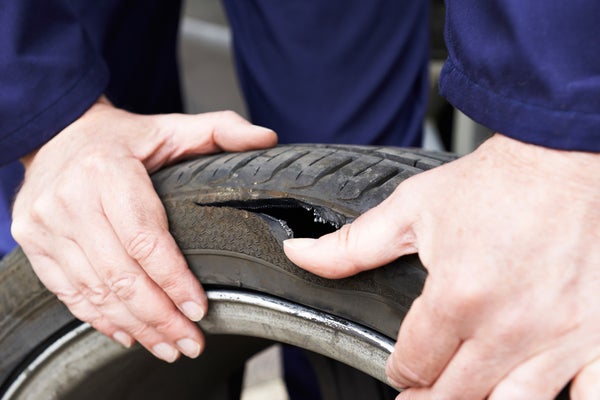
Check your tires often for damage or wear. Look for cuts, cracks, or bulges on the sidewall.
- Use a tread depth gauge to check tire tread
- Look for uneven wear patterns
- Inspect tires after hitting potholes or curbs
- Check for nails or sharp objects
Maintaining Proper Tire Pressure
Correct tire pressure improves fuel economy and handling. Too low or too high pressure causes problems.
| Pressure Type | Effect on Tires |
| Low Pressure | Increases wear on edges, risks blowouts |
| High Pressure | Wears center tread, reduces traction |
| Proper Pressure | Even wear, better safety and fuel use |
Signs You Need To Replace Tires
Replace tires if they show clear signs of damage or wear. Old tires can be dangerous.
- Tread depth below 2/32 inch
- Cracks or cuts on sidewalls
- Bulges or blisters on tires
- Frequent air loss
- Vibration when driving

Credit: carfromjapan.com
Frequently Asked Questions
Can I Replace Only One Tire On My Car?
Yes, but it’s not recommended. Replacing just one tire can lead to uneven wear and handling issues. It’s best to replace tires in pairs or all four at once. This ensures balanced traction and stability. Always consult your vehicle’s manual or a tire professional for advice.
What Happens If I Change One Tire?
Changing one tire can cause uneven tread wear and imbalance. This may lead to handling issues and reduced safety. The new tire may have different traction levels compared to the others. Ideally, replace at least two tires to maintain balance and safety.
Is It Safe To Drive With One New Tire?
Driving with one new tire can be unsafe. It creates an imbalance in traction, affecting handling and stability. This difference can also lead to uneven wear on the tires. For optimal safety, replace at least two tires or consult a professional for guidance.
How Does One New Tire Affect Performance?
One new tire affects performance by creating uneven traction and stability. This imbalance can lead to handling issues and increased wear on other tires. It’s advisable to replace tires in pairs or all four to maintain uniformity. Always seek professional advice when in doubt.
Conclusion
Changing just one tire on your car can be tricky. Tires should match in size and tread for safety. Uneven tires may cause handling problems or wear out faster. It is best to check your car’s manual or ask a tire expert.
Sometimes, changing two tires on the same axle is safer. Always think about your driving conditions and budget. Taking care of your tires helps keep you safe on the road. Remember, good tires mean a smoother and safer drive.