
Are you wondering if it’s okay to mix different brand tires on your car? Maybe you had a flat tire and replaced just one, or you’re considering a budget-friendly option.
The truth is, the tires you choose affect your car’s safety, performance, and comfort more than you might realize. But can different brands really work well together? Keep reading to discover what you need to know before making this choice—and how it could impact your driving experience.

Credit: www.blackcircles.ca
Mixing Tire Brands Explained
Many drivers wonder if it is okay to use different tire brands on one car. Tires from different brands can have unique features. This may affect how your car drives and handles.
Understanding the differences between tire brands helps you decide if mixing them is safe. It also explains why some people choose to use tires from various brands.
How Tires Differ By Brand
Tire brands use different materials and designs. These differences change how a tire performs on roads. Some brands focus on comfort, while others aim for better grip or longer life.
Each brand also has unique tread patterns and rubber compounds. These affect traction, noise levels, and wear rates. Even the tire’s shape and size can slightly differ by brand.
- Tread design affects grip on wet or dry roads
- Rubber compounds influence durability and softness
- Sidewall strength changes shock absorption
- Shape impacts steering response and comfort
Common Reasons For Mixing Tires
People mix tire brands for several reasons. Sometimes they only need to replace one or two tires. Buying the same brand can be hard or costly.
Other times, drivers want to try a new brand on some wheels. Some may use different tires on front and rear for better control. This can happen in certain weather or road conditions.
- Replacing damaged tires without matching the brand
- Saving money by buying available tires
- Testing new tire brands for performance
- Using specific tires for front or back wheels
- Adapting to different road or weather needs
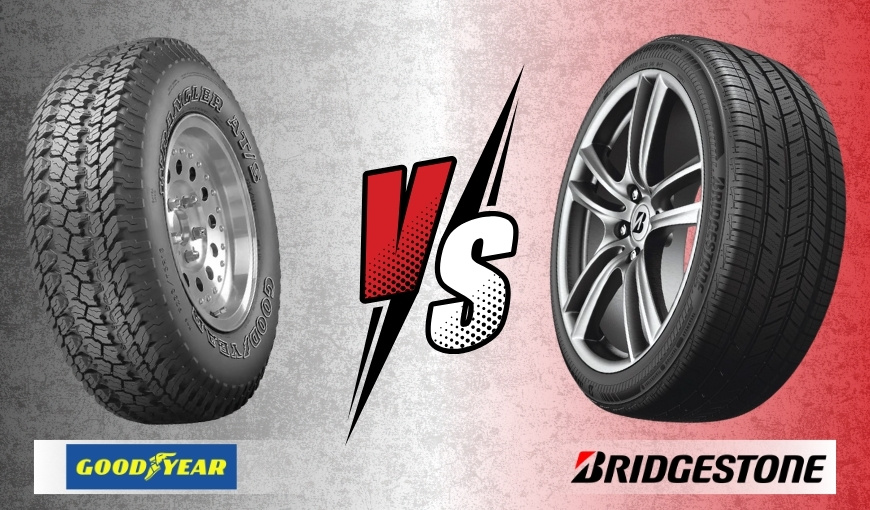
Credit: www.discountedwheelwarehouse.com
Advantages Of Using Different Brands
Using different tire brands on your car can offer several benefits. It allows you to choose tires based on what suits each wheel best.
This practice can help drivers save money and find tires with special features. It also gives more options when replacing tires.
Cost Savings Opportunities
Buying the same brand for all tires can be expensive. Using different brands lets you shop for the best prices and deals.
- You can buy tires on sale from different brands
- Mixing brands helps avoid buying all four tires at once
- You can replace only the worn tires with affordable options
- Different brands may offer better prices for specific tire types
Access To Specific Tire Features
Different brands offer unique features for various driving needs. Mixing brands lets you pick tires that fit your style and road conditions.
| Brand | Feature | Best Use |
| Brand A | Enhanced wet grip | Rainy conditions |
| Brand B | Low rolling resistance | Fuel efficiency |
| Brand C | Reinforced sidewalls | Rough terrain |
Flexibility In Tire Replacement
Replacing all tires at once is not always needed. Using different brands gives you the choice to replace only the worn tires.
Here are reasons why this helps:
- You can delay buying all four tires
- You get time to research the best tire for each position
- You avoid waste by replacing only damaged tires
- You can adjust tire choice based on changing driving needs
Drawbacks Of Different Brand Tires
Using different brand tires on your car can cause problems. Each tire brand has its own design and features.
This difference can lead to uneven performance and affect your driving experience.
Impact On Vehicle Handling
Tires from different brands may have different tread patterns and rubber compounds. This can change how your car handles on the road.
The car might feel unstable or pull to one side. Turning and braking may not be smooth.
- Uneven grip on the road
- Less precise steering
- Potential pulling or drifting
Wear And Performance Differences
Different brand tires wear out at different rates. One tire may lose tread faster than another.
This can cause uneven tire wear and may reduce the lifespan of your tires.
- Uneven tread wear
- Reduced tire life
- More frequent tire replacements
Potential Safety Concerns
Mixing tire brands can create safety risks. Different tires react differently to wet or icy roads.
This mismatch can increase the chances of slipping or losing control of the vehicle.
- Inconsistent traction in bad weather
- Higher risk of skidding
- Possible failure of safety systems
When Mixing Tires Might Work
Using different brand tires on your car is a question many drivers ask. In some cases, mixing tires can be safe and practical. It depends on the situation and tire specifications.
This guide explains when mixing tires might work. It covers temporary changes, matching similar specs, and using different brands on different axles.
Temporary Tire Changes
Sometimes, you need to use a different brand tire for a short time. This often happens during emergencies or when a tire is damaged.
Temporary tires should match the size and type of your original tires. This keeps your car safe until you can replace the tire with a matching brand.
- Use a temporary tire only for a short distance
- Check tire pressure regularly
- Avoid high speeds and sharp turns
Matching Similar Tire Specifications
You can mix tires if their size, tread pattern, and speed rating are similar. This helps maintain balance and control.
Make sure the tires have the same load index and tread depth. These details affect how the tire performs on the road.
- Check tire size (width, aspect ratio, diameter)
- Match speed and load ratings
- Compare tread patterns for similar grip
- Ensure tread depth is close to avoid uneven wear
Using Different Brands On Different Axles
Some drivers use one brand on the front tires and another on the rear tires. This can work if the tires have similar specs.
The key is to keep the same type of tire on each axle for balanced handling. Mixing brands across axles is better than mixing tires on the same axle.
- Front and rear tires should match in size and type
- Keep tire pressure correct for each axle
- Regularly inspect tires for uneven wear
- Consult your car’s manual for recommendations
Tips For Choosing Tires
Choosing the right tires for your car matters for safety and comfort. Different brand tires may fit, but some rules help you pick well.
Follow these tips to find tires that work with your car’s needs and your budget.
Checking Manufacturer Recommendations
Start by reading your car’s manual or the sticker on the door frame. The manufacturer lists the tire size, speed rating, and load capacity.
- Use the exact tire size recommended
- Match or exceed the speed rating
- Choose tires with the right load capacity
- Consider seasonal tire types if suggested
Balancing Performance And Budget
Good tires can be costly, but safety is key. Look for tires that offer value without losing quality.
| Factor | Low Cost Tires | High Performance Tires |
| Price | Lower | Higher |
| Durability | Moderate | Longer |
| Grip | Basic | Better on wet and dry roads |
| Comfort | Standard | Quieter and smoother |
Consulting A Tire Professional
Talk to a tire expert before buying. They can check your car and driving style.
- Are different brand tires safe on my car?
- What brands do you recommend for my needs?
- How often should I replace my tires?
- Can you help with tire installation and balancing?

Credit: www.mycar.com.au
Frequently Asked Questions
Can Different Brand Tires Affect Car Safety?
Yes, mixing tire brands can impact safety. Different brands have varied tread patterns and compounds, affecting grip and handling. For optimal safety, it’s best to use tires of the same brand, model, and wear level on all wheels.
Is It Legal To Use Different Brand Tires?
Generally, using different brand tires is legal. However, some local laws or vehicle warranties may require uniform tires. Always check your region’s regulations and your car manufacturer’s guidelines before mixing tire brands.
How Does Tire Brand Mixing Affect Vehicle Performance?
Mixing tire brands can lead to uneven traction and handling. Different tires respond differently to road conditions, which may cause instability during cornering or braking, reducing overall vehicle performance and comfort.
Can I Mix Tire Brands On Front And Rear Wheels?
Mixing brands between front and rear tires is possible but not recommended. It can cause uneven wear and handling issues. For balanced performance, use matching tires on each axle at minimum.
Conclusion
Different brand tires can work, but matching is best. Tires affect car safety and ride comfort. Mismatched tires may cause uneven wear or handling issues. Check tire size, tread, and speed ratings carefully. Regular tire maintenance helps keep your car stable.
Choose tires that fit your driving needs and budget. Safe driving starts with good tires on all wheels. Keep your car balanced for a smooth, safe ride.