
Are you unsure if your car tires are the right size? Measuring your car tire might sound tricky, but it’s simpler than you think.
Knowing how to measure your tires correctly can save you money, improve safety, and boost your car’s performance. In this guide, you’ll learn easy steps to get accurate measurements without any special tools. Keep reading to discover how you can take control of your tire maintenance and avoid costly mistakes.
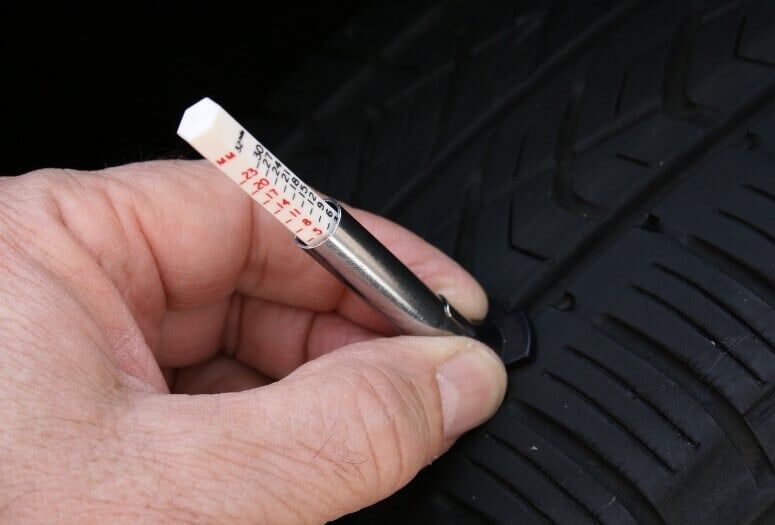
Credit: www.blackcircles.ca
Tire Size Basics
Measuring a car tire helps you find the right replacement or upgrade. Knowing tire size basics keeps your vehicle safe and efficient.
Tire sizes use a code printed on the tire sidewall. This code tells you about the tire’s width, height, and diameter.
Decoding Tire Markings
Tire markings include numbers and letters. Each part has a specific meaning about the tire’s size and type.
- The first number shows the tire width in millimeters.
- The letter after the width indicates the tire’s construction type.
- The next number is the aspect ratio, or tire height as a percentage of the width.
- The letter after the aspect ratio shows the tire’s speed rating.
- The last number is the wheel diameter in inches.
Understanding Tire Dimensions
Tire dimensions tell you the size and shape of the tire. These help match tires to your car’s wheels and needs.
| Dimension | Meaning |
|---|---|
| Width | Distance across the tire in millimeters |
| Aspect Ratio | Height of the tire sidewall as a percent of the width |
| Wheel Diameter | Size of the wheel the tire fits, in inches |
| Load Index | Maximum weight the tire can carry safely |
| Speed Rating | Maximum speed the tire can handle |
Tools Needed For Measurement
Measuring a car tire correctly needs the right tools. The right tools make the job easier and more accurate.
In this guide, we explain how to pick the right tools. We also compare tape measures and calipers.
Choosing The Right Measuring Tools
Choose tools that fit your needs and budget. Accuracy is key for tire measurements. Use tools that are easy to handle and read.
- Tape measure: Good for quick, rough measurements.
- Calipers: Offer precise and detailed readings.
- Ruler or straight edge: Helps check flatness or width.
- Pressure gauge: Measures tire pressure, which affects size.
Using A Tape Measure Vs. Calipers
Tape measures work well for general tire size. They are easy to use and widely available. Use tape measures for measuring tread width or overall diameter.
| Tool | Best Use | Accuracy | Ease of Use |
| Tape Measure | Measuring diameter and width | Medium | Easy |
| Calipers | Measuring tread depth and small details | High | Moderate |
Calipers give very exact measurements. They are perfect for checking tread depth. But they need careful handling and practice.
Measuring Tire Diameter
Measuring the diameter of a car tire is important for proper fit and performance. The diameter affects speedometer accuracy and vehicle handling.
You can measure the tire diameter with simple tools at home. Follow clear steps for an accurate measurement.
Steps To Measure Overall Diameter
To measure the overall tire diameter, use a tape measure or ruler. Measure from one edge of the tire to the opposite edge across the center.
- Place the tire on a flat surface.
- Use a tape measure to measure across the tire’s widest part.
- Record the distance from one outer edge to the opposite outer edge.
- Double-check your measurement for accuracy.
Common Mistakes To Avoid
| Mistake | Why to Avoid | How to Fix |
|---|---|---|
| Measuring the rim only | Gives smaller size than actual tire diameter | Measure the full tire including rubber |
| Not measuring straight across | Can cause incorrect diameter reading | Measure across the center line of the tire |
| Using a flexible tape incorrectly | Tape may sag or bend causing errors | Keep the tape taut and straight |
| Ignoring tire pressure | Underinflated tires appear smaller | Measure when tire is properly inflated |
Measuring Tire Width
Measuring the width of a car tire helps you find the right size for your vehicle. Tire width affects grip, comfort, and fuel efficiency.
It is important to measure tire width accurately for safety and performance reasons. This guide explains how to get the right width.
How To Get Accurate Width
Use a tire width gauge or measuring tape to measure across the widest point of the tire tread. Make sure the tire is clean and inflated.
- Place the measuring tool at one edge of the tread.
- Stretch it straight across to the other edge.
- Do not include sidewalls in this measurement.
- Record the width in millimeters or inches.
Repeat the process on all tires to check for consistency. Measuring multiple times reduces errors.
Importance Of Sidewall Width
The sidewall width is the distance from the rim to the outer edge of the tire. It affects the tire’s height and ride comfort.
| Sidewall Width | Effect on Tire |
| Short | Better handling but harsher ride |
| Medium | Balanced comfort and control |
| Tall | Smoother ride but less responsive |
Check the sidewall width in your tire’s size code. It helps you pick tires that match your driving needs.
Measuring Tire Aspect Ratio
The tire aspect ratio is a key number in tire size. It shows the height of the tire’s sidewall compared to its width.
Understanding this ratio helps you know how your tire will perform on the road. It affects comfort, grip, and handling.
Calculating Sidewall Height
The sidewall height is the distance from the rim to the outer edge of the tire. You find it by using the aspect ratio.
- Look at the tire size code, like 205/55R16.
- Find the aspect ratio number; here it is 55.
- Multiply the tire width (205 mm) by the aspect ratio (55%).
- Sidewall height = 205 mm × 0.55 = 112.75 mm.
Relation To Tire Performance
| Aspect Ratio | Sidewall Height | Effect on Performance |
| High (70+) | Taller sidewall | Better shock absorption, softer ride |
| Medium (50-70) | Moderate height | Good balance of comfort and handling |
| Low (below 50) | Shorter sidewall | Improved cornering, stiffer ride |

Credit: www.cjponyparts.com
Checking Rim Diameter
Knowing the rim diameter is important when measuring a car tire. The rim diameter is the size of the wheel where the tire fits. It helps you find the right tire for your car.
You can check the rim diameter by looking at the tire markings or measuring the rim directly. This step ensures your new tire will fit perfectly.
Measuring Rim Size
To measure the rim size, remove the tire from the rim if possible. Use a tape measure to find the diameter across the rim’s center.
Measure from one edge of the rim to the opposite edge, not including the tire. This distance is the rim diameter, usually in inches.
- Use a tape measure or ruler
- Measure straight across the center
- Do not include the tire in the measurement
- Record the diameter in inches
Matching Tires To Rims
Tires must fit the rim diameter to work safely. The tire’s size marking shows the rim diameter it fits.
If a tire does not match the rim size, it can cause poor handling or damage. Always match the tire’s rim size to your wheel’s diameter.
| Tire Marking | Rim Diameter |
|---|---|
| 195/65R15 | 15 inches |
| 205/55R16 | 16 inches |
| 225/45R17 | 17 inches |
Tips For Accurate Measurement
Measuring a car tire correctly helps you find the right size for replacement or maintenance. Accurate measurement ensures safety and better performance.
Use simple tools and follow clear steps to get precise results. This guide covers how to measure both mounted and unmounted tires.
Measuring On A Mounted Tire
Measuring a tire while it is still on the car is convenient and quick. You can check the tire size printed on the sidewall for initial information.
To measure the tire’s diameter, use a tape measure across the center of the tire from one edge to the other. This gives the overall diameter of the tire.
- Park the car on a flat surface for accurate measurement.
- Use a flexible tape measure to follow the tire curve.
- Measure the tread width by placing the tape measure across the widest part.
- Check the sidewall markings for tire width, aspect ratio, and rim size.
Measuring On An Unmounted Tire
When the tire is off the vehicle, you can measure it more easily and precisely. Lay the tire flat on the ground or hang it for best results.
Use a tape measure to find the tire’s diameter from edge to edge. Also, measure the tire width and sidewall height for full size details.
- Place the tire on a flat surface to measure diameter accurately.
- Measure the width from one sidewall to the other.
- Check the sidewall height by measuring from the rim edge to the tread.
- Compare these measurements to the manufacturer’s specifications.
Common Tire Measurement Applications
Measuring car tires helps find the right fit for your vehicle. It ensures safety and good performance.
Knowing how to measure tires is useful for many situations. It guides you in choosing or upgrading tires.
Choosing Replacement Tires
Replacement tires need to match your car’s specifications. Measure the tire size printed on the sidewall carefully.
The size includes width, aspect ratio, and diameter. These numbers help you pick tires that fit perfectly.
- Check the tire width (in millimeters)
- Note the aspect ratio (height to width percentage)
- Identify the wheel diameter (in inches)
- Match load and speed ratings as shown on the tire
Upgrading To Different Sizes
Upgrading tires can improve your car’s look or performance. Measure old tires to compare with new sizes.
Choose sizes that keep the overall diameter close to the original. This keeps speedometer and handling accurate.
| Aspect | Original Size | Upgraded Size | Notes |
|---|---|---|---|
| Tire Width | 205 mm | 215 mm | Wider tires for better grip |
| Aspect Ratio | 55 | 50 | Lower profile for sportier look |
| Diameter | 16 inches | 17 inches | Ensure clearance in wheel wells |
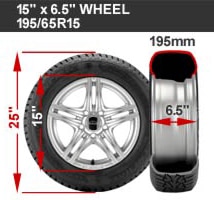
Credit: www.tirerack.com
Frequently Asked Questions
How Do I Measure My Car Tire Size?
To measure tire size, check the sidewall for numbers like 205/55R16. These indicate width, aspect ratio, and rim diameter. Use a tape measure to confirm width and diameter if needed.
What Tools Are Needed To Measure A Car Tire?
You need a tape measure or ruler to measure width and diameter. A tire pressure gauge helps check inflation. No special tools are required for basic tire measurements.
Why Is Measuring Tire Size Important?
Measuring tire size ensures proper fit and safety. Correct size maintains vehicle handling and fuel efficiency. It also helps when buying replacements or upgrades.
How To Measure Tire Tread Depth Accurately?
Use a tread depth gauge or a coin test to measure depth. Insert the tool into tread grooves to check for wear. Minimum tread depth should be 2/32 inch for safety.
Conclusion
Measuring a car tire is simple with the right steps. Check the tire size numbers on the sidewall. Use a tape measure for width and diameter. Knowing tire size helps with safety and performance. Always measure tires before buying replacements.
Keep your car running smoothly and safely. Practice these steps to feel confident next time. Tire measurement does not need to be hard. Just take your time and follow the guide carefully. Your tires will fit better and last longer.
Stay safe on the road by knowing your tires well.