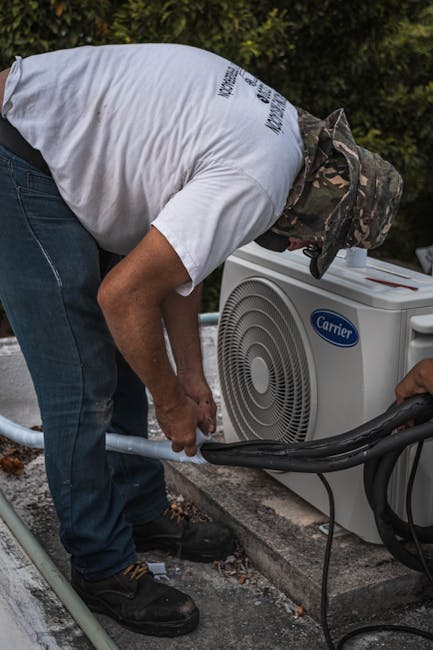
Are you wondering how long your air conditioner should keep you cool before it needs replacing? Knowing the lifespan of your AC can save you money and prevent unexpected breakdowns during the hottest days.
You’ll discover key signs to watch for, tips to extend your unit’s life, and when it’s truly time to invest in a new system. Keep reading to ensure your home stays comfortable without any surprises.

Credit: lghomecomfort.ca
Typical Lifespan Of Air Conditioners
Air conditioners cool your home and keep you comfortable. Knowing how long they last helps you plan replacements.
The average lifespan of an air conditioner is about 10 to 15 years. Some models may last longer with good care.
Factors Influencing Longevity
The life of an air conditioner depends on many things. How you use and maintain it matters a lot.
Climate and installation quality also affect how long the AC will work well.
- Regular maintenance keeps parts working longer
- Harsh weather can wear out the system faster
- Proper installation prevents early breakdowns
- Usage hours: the more you run it, the faster it ages
- Quality of parts used in the AC unit
Comparison Of Different Ac Types
Different air conditioners last different times. Some types are built to last longer than others.
Here is a comparison of common AC types and their typical lifespans.
| AC Type | Average Lifespan | Notes |
|---|---|---|
| Central Air Conditioner | 12-15 years | Good for cooling whole homes |
| Window Unit | 8-10 years | Easy to install, cools one room |
| Split System | 10-15 years | Quieter and more efficient |
| Portable AC | 5-8 years | Less durable, moves between rooms |
Signs Your Ac Is Aging
Air conditioners do not last forever. Over time, they show signs of wear and tear. Knowing these signs helps you plan for repair or replacement.
Here are some common signs that your AC is getting old and may need attention soon.
Decreased Cooling Efficiency
One clear sign of an aging AC is that it cools less effectively. You may notice the air is not as cold as before. The unit may run longer but still fail to reach the set temperature.
- Longer cooling cycles
- Uneven room temperatures
- Warm air blowing from vents
Increased Energy Bills
Older AC units use more electricity to work properly. This causes your energy bills to rise. If your bill jumps without higher use, your AC might be losing efficiency.
| Month | Electricity Bill (Before AC Age) | Electricity Bill (After AC Age) |
|---|---|---|
| June | $80 | $120 |
| July | $90 | $140 |
| August | $85 | $130 |
Frequent Repairs
When your AC needs repair often, it may be nearing the end of its life. Fixing small problems repeatedly costs time and money. Watch for these common repair signs:
- Strange noises like rattling or buzzing
- Water leaks around the unit
- Foul or musty smells from vents
- AC turns on and off quickly
Maintenance Tips To Extend Life
Air conditioners work hard to keep your home cool. Proper care helps them last longer.
Simple maintenance steps can stop breakdowns and save money on repairs.
Regular Filter Cleaning
Cleaning the air filter regularly keeps the air conditioner running well. Dirty filters block airflow.
Check filters every month during heavy use. Clean or replace them as needed to improve air quality.
- Remove the filter from the unit carefully
- Use a vacuum or wash with water if allowed
- Let it dry completely before putting it back
- Replace filters every 3 months or as recommended
Professional Inspections
Experts can find small problems before they become big. Schedule a checkup once a year.
Technicians clean parts, check refrigerant levels, and test system functions to keep it efficient.
- Inspect electrical connections and controls
- Check and clean coils and fins
- Test thermostat accuracy
- Look for leaks or damage
Proper Usage Practices
Using your air conditioner correctly reduces wear and tear. Avoid overworking the system.
Set reasonable temperatures and use timers or smart controls to save energy and extend life.
- Keep doors and windows closed when running AC
- Set thermostat between 75°F and 78°F for comfort
- Turn off AC when no one is home
- Use fans to help circulate cool air

Credit: www.callfastair.com
When To Repair Vs Replace
An air conditioner usually lasts about 10 to 15 years. Knowing when to fix it or buy a new one saves money and energy.
Small problems may need repairs, but big issues might mean replacement is better. This guide helps you decide.
Cost-benefit Analysis
Repair costs add up over time. If repairs cost more than half the price of a new AC, replacement may be smarter.
New units use less energy and save money on bills. Old units lose efficiency and need frequent fixes.
- Check repair cost vs new unit price
- Consider energy savings with a new AC
- Think about repair frequency and costs
Environmental Considerations
Old air conditioners use more electricity and harm the environment. New models are eco-friendly and use less power.
Replacing old ACs helps reduce carbon footprint. Proper disposal of old units is also important to protect the planet.
- New AC units use eco-friendly refrigerants
- Lower energy use means less pollution
- Recycle or dispose of old units safely
Advancements In Ac Technology
Air conditioners have changed a lot over the years. New technology helps them work better and last longer.
These changes also help save energy and make it easier to control the temperature in your home.
Energy-efficient Models
Modern AC models use less electricity to cool your home. They have better parts that waste less energy.
These units can lower your power bills and reduce the impact on the environment.
- Use advanced compressors that adjust speed
- Have better insulation to keep cool air inside
- Use eco-friendly refrigerants
- Meet strict energy-saving standards
Smart Thermostat Integration
Smart thermostats let you control your AC with your phone or voice. They learn your schedule and adjust automatically.
This helps save energy by cooling only when needed. You can also monitor your usage and get alerts for maintenance.
- Remote control from anywhere
- Automatic temperature adjustment
- Energy usage reports
- Maintenance reminders

Credit: www.achrnews.com
Frequently Asked Questions
How Long Does A Typical Air Conditioner Last?
A typical air conditioner lasts about 10 to 15 years. Proper maintenance can extend its lifespan. Regular servicing helps keep it efficient and reliable.
What Factors Affect Air Conditioner Lifespan?
Factors like usage, maintenance, and quality impact AC lifespan. Harsh weather and poor installation can shorten its life. Regular cleaning and timely repairs improve durability.
How Can I Extend My Air Conditioner’s Life?
To extend your AC’s life, clean filters regularly. Schedule professional maintenance at least once a year. Avoid overworking the unit and fix issues promptly.
When Should I Replace My Air Conditioner?
Replace your AC if it needs frequent repairs or cools poorly. Older units are less energy-efficient and costlier to run. Upgrading saves money and improves comfort.
Conclusion
An air conditioner usually lasts about 10 to 15 years. Regular maintenance helps it work longer and better. Clean filters and check-ups keep the system running smoothly. Signs of wear mean it might need repair or replacement soon. Choosing the right unit and caring for it saves money.
A well-kept air conditioner keeps your home cool and comfortable. Remember, simple care extends its life and improves efficiency. Stay aware of your unit’s condition for the best results.