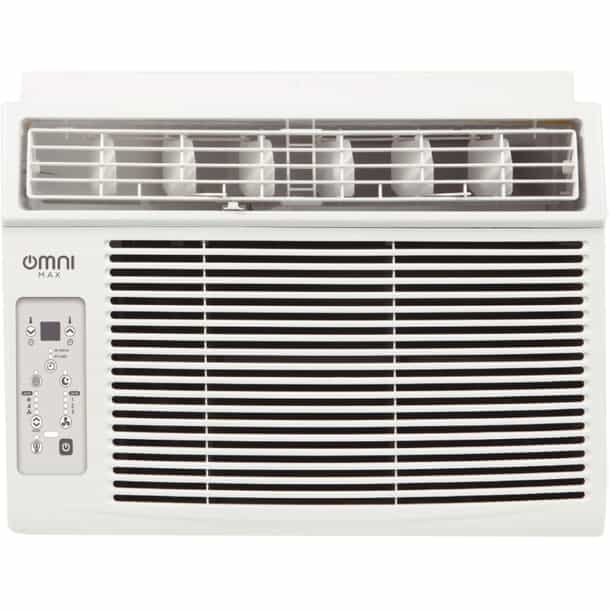
Are you wondering how many amps your window air conditioner uses? Knowing this can help you avoid electrical problems and keep your home safe.
It also helps you choose the right circuit and avoid unexpected trips or outages. You’ll discover exactly what to look for and how to calculate the amps for your window AC. By the end, you’ll feel confident managing your air conditioner’s power needs without any guesswork.
Let’s dive in and make sure your cooling system runs smoothly all summer long.
Amp Ratings Of Window Air Conditioners
Window air conditioners usually need 5 to 15 amps. Smaller units use less power, while bigger ones need more. For example, a 5,000 BTUunit draws about 5 amps, but a 12,000 BTUunit may need around 10 to 12 amps. It’s important to check the label for exact numbers.
| Unit Size (BTU) | Typical Amp Draw |
|---|---|
| 5,000 | 4 – 6 amps |
| 8,000 | 7 – 8 amps |
| 10,000 | 8 – 10 amps |
| 12,000 | 10 – 12 amps |
| 15,000 | 12 – 15 amps |
Several factors change how many amps a unit uses. Room temperatureand humidityaffect power needs. Older modelsoften use more amps than new ones. Also, units running on higher fan speedsdraw more current. Proper maintenancehelps keep amp use low.
Calculating Power Needs
To find out how many amps a window air conditioner needs, convert watts to amps. Use the formula: amps = watts ÷ volts. Most homes use 120 volts for appliances like air conditioners.
For example, a 1000-watt air conditioner running on 120 volts needs about 8.3 amps(1000 ÷ 120 = 8.3). This helps to know if your circuit can handle the load.
Estimating the total electrical load is important too. Add up the amps of all devices on the same circuit. This prevents overloading and tripping breakers.
| Watts | Volts | Amps (Watts ÷ Volts) |
|---|---|---|
| 500 | 120 | 4.2 |
| 1000 | 120 | 8.3 |
| 1500 | 120 | 12.5 |
Circuit Requirements For Window Acs
Window air conditionersneed the right circuit size to run safely. Most models use between 5 to 15 amps. A circuit breaker should match or slightly exceed the AC’s max amps to prevent trips.
| AC Unit Size (BTU) | Typical Amps | Recommended Breaker Size |
|---|---|---|
| 5,000 to 6,000 | 5 to 7 amps | 15 amps |
| 8,000 to 10,000 | 8 to 10 amps | 20 amps |
| 12,000 to 14,000 | 12 to 15 amps | 20 to 25 amps |
Wiring should be sized for the breaker and load. Use 12-gauge wirefor 20 amps and 14-gaugefor 15 amps. Proper wiring keeps the unit safe and efficient.

Credit: www.sylvane.com
Energy Efficiency And Amps
EER(Energy Efficiency Ratio) and SEER(Seasonal Energy Efficiency Ratio) show how well an air conditioner uses electricity. A higher rating means the unit uses fewer amps to cool a room. This saves energy and lowers electricity bills.
Energy-saving models have better EER and SEER ratings. They use advanced technology to cool without using much power. Choosing these models means less current draw or amps during operation.
- Higher EER/SEER means lower ampsneeded.
- Use less electricity but cools the room well.
- Good for saving money on power bills.
- Better for the environment due to less energy use.
Safety Tips For Installation
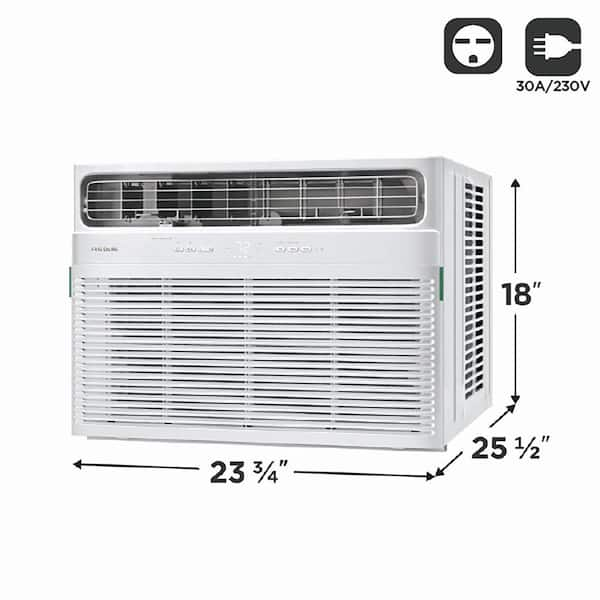
Many window air conditioners need 5 to 15 ampsdepending on size. Avoid plugging the AC into circuits with other heavy devices. Overloads can cause breaker tripsor fire hazards. Use a circuit that matches the unit’s amp rating.
Proper grounding is key for safe operation. Make sure the unit’s plug and outlet have a ground connection. This helps prevent shocks. Connections should be tight and free of damage. Loose wires increase risk of electrical faults.
- Check the AC’s label for exact amp draw.
- Use a dedicated circuit for the air conditioner.
- Do not use extension cords or adapters.
- Ensure the outlet is properly grounded.
- Inspect wires and plugs for damage before use.
Credit: www.homedepot.com
Troubleshooting Amp Issues
Signs of excessive amp drawinclude frequent tripping of circuit breakers and a burning smell near the unit. The air conditioner may also run hotter than usualor make strange noises. These signs suggest the unit is pulling more electricity than it should.
When to call a professional:If the air conditioner keeps tripping breakers or smells hot, it is time to get expert help. A licensed technician can check the wiring, compressor, and other parts safely. Do not ignore these signs to avoid damage or fire risk.
Credit: northnjhvac.com
Frequently Asked Questions
How Many Amps Does A Window Air Conditioner Use?
Window air conditioners typically use between 5 to 15 amps. The exact amperage depends on the unit’s size and cooling capacity. Smaller models consume fewer amps, while larger or more powerful units draw more electricity.
What Size Circuit Is Needed For A Window Ac?
Most window air conditioners require a 15-amp circuit. Larger units may need a 20-amp circuit for safe operation. Always check the manufacturer’s specifications to match the circuit size to the unit’s amperage.
Does Amp Usage Vary By Btu Rating?
Yes, higher BTU-rated units generally use more amps. For example, a 5,000 BTU AC may use around 5 amps, while a 12,000 BTU model can draw up to 12 amps. Amp usage grows with cooling power.
Can I Run Multiple Window Acs On One Circuit?
It’s not recommended to run multiple window ACs on one circuit. Each unit draws significant amps, risking circuit overload and tripping breakers. Use separate circuits to ensure safe and efficient operation.
Conclusion
Knowing how many amps a window air conditioner uses helps you plan your home’s electricity. Most models use between 5 and 15 amps, depending on size and power. Check the label or manual to find exact numbers for your unit.
This information keeps your electrical system safe and avoids overloads. It also helps you choose the right circuit breaker and outlet. Understanding amps saves money and prevents electrical problems. Keep these tips in mind when buying or using a window air conditioner.
Simple steps lead to a cool and safe home.