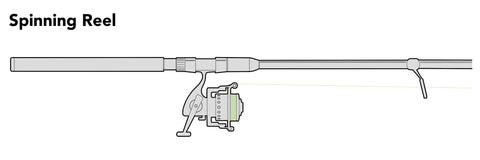
Tying your fishing line onto a spinning reel might seem tricky at first, but once you get it right, it makes all the difference in your fishing experience. If your line isn’t secured properly, you could lose a big catch or spend more time fixing knots than fishing.
In this guide, you’ll learn a simple, step-by-step method to tie your fishing line quickly and securely. By the end, you’ll feel confident and ready to cast with ease every time you head out. Keep reading to master this essential skill and improve your fishing success.
Choosing The Right Line
Picking the right fishing line helps you catch fish more easily. The line must fit your fishing style and reel type.
Good line choice improves casting and keeps your gear working well. Learn about line types and strengths before tying it on.
Types Of Fishing Line
There are three common fishing lines: monofilament, fluorocarbon, and braided. Each has different uses and benefits.
- Monofilament is flexible and easy to handle. It floats on water.
- Fluorocarbon is nearly invisible under water. It sinks faster.
- Braided line is very strong and thin. It lasts a long time.
Line Strength And Thickness
Line strength is measured in pounds. It shows how much weight the line can hold without breaking.
Thicker lines are stronger but harder to cast far. Thinner lines cast farther but can break more easily.
- Choose a line strength that matches the fish you want to catch.
- Use thinner line for light lures and long casts.
- Use thicker line for heavy lures and big fish.
Matching Line To Reel
Your reel has a limit on line size and length. Check the reel specs before buying line.
Use line that fits well on your reel spool. Too thick or too thin line can cause problems.
- Spinning reels work best with lighter, thinner lines.
- Match line weight with reel capacity for smooth casting.
- Fill the spool to the recommended level to avoid tangles.
Credit: www.fishusa.com
Preparing The Spinning Reel
Tying the fishing line on a spinning reel starts with proper preparation. It helps the line stay secure and prevents problems while fishing.
Follow these steps to get your spinning reel ready for the fishing line. Each step is important for a smooth setup.
Cleaning The Reel
Before tying the line, clean the reel to remove dirt and old line. This keeps the reel working well and lasts longer.
- Wipe the spool and body with a soft cloth.
- Use a small brush to clear dirt from tight spaces.
- Check for rust or damage on metal parts.
- Apply a little reel oil on moving parts if needed.
Opening The Bail Arm
Open the bail arm to allow the fishing line to pass through easily. This step helps in winding the line without tangles.
Lift the bail arm gently until it locks in the open position. Do not force it to avoid damage.
Positioning The Reel
| Position | Purpose |
| Hold reel with handle facing right (for right-hand users) | Better control during line tying |
| Place reel on flat surface | Stable base for easy handling |
| Align spool parallel to ground | Prevents line from twisting |
Set the reel in a comfortable position. This makes tying the line easier and faster.
Attaching The Line
Attaching the fishing line correctly to a spinning reel is important. It helps the line stay secure and prevents slipping.
This guide covers threading the line, tying the arbor knot, and securing the knot properly.
Threading The Line
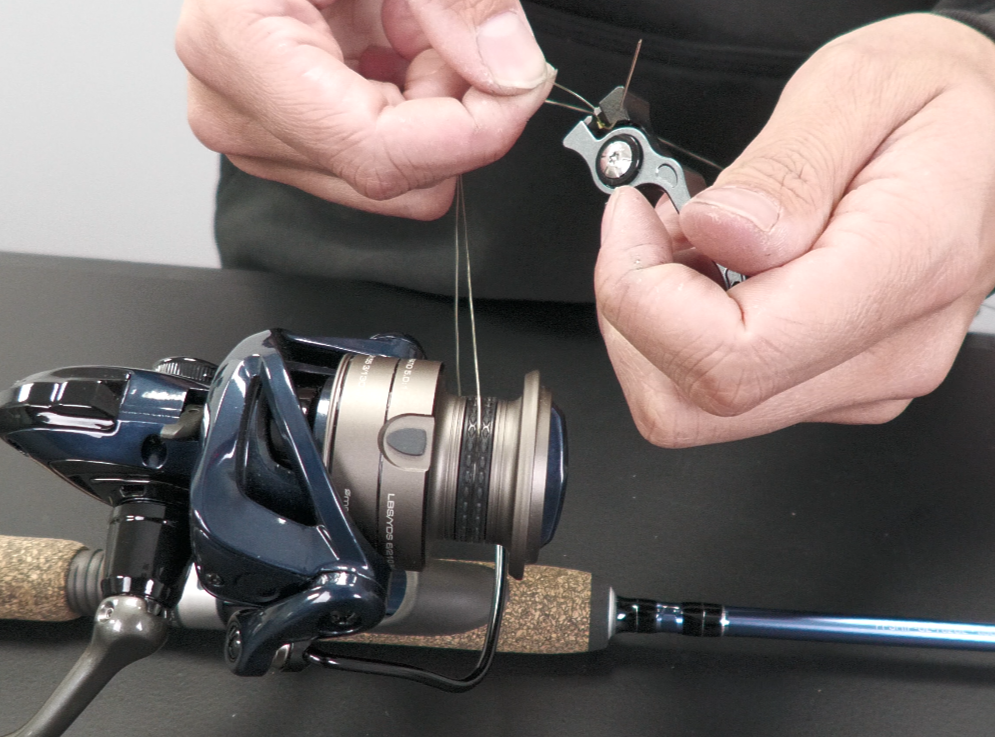
First, open the bail arm of your spinning reel. Then, pass the line through the rod guides starting from the tip.
Next, thread the line through the spool opening on the reel. Make sure the line is straight and untwisted.
Tying The Arbor Knot
The arbor knot is the best way to tie the line to the spool. It holds the line firmly and is easy to tie.
- Wrap the line around the spool.
- Tie an overhand knot around the main line.
- Tie a second overhand knot at the tag end.
- Pull both knots tight against the spool.
- Trim the tag end close to the knot.
Securing The Knot
Make sure the knot is tight and will not slip. Wet the knot with water or saliva before tightening.
| Check | What to Do |
|---|---|
| Knot Tightness | Pull the line firmly to ensure it does not move. |
| Line Position | Confirm the line lies evenly on the spool. |
| Tag End Length | Trim the tag end, leaving about 1/8 inch. |
| Bail Arm | Close the bail arm before starting to reel. |
Spooling The Line
Spooling the line on a spinning reel is important for good fishing. It helps the line come off smooth and prevents tangles.
This process fills the reel spool with line and sets up the reel for casting and reeling.
Maintaining Tension
Keep tension on the line while spooling. This stops the line from being loose on the spool.
Hold the line tight with your fingers or use a cloth to add friction. This helps the line lay evenly.
Filling The Spool Properly
Fill the spool almost to the top but not over it. Overfilling can cause tangles and line breaks.
Leave a small gap under the spool edge for safety. This lets the line come off easily when casting.
- Stop filling when line is 1/8 inch from spool edge
- Check the line level often while spooling
- Use slow and steady cranking to fill evenly
Avoiding Line Twists
Line twists cause tangles and knots. They happen if the line spins while spooling.
Make sure the line comes off the filler spool the right way. It should not spin freely.
- Place the filler spool so the line comes off straight
- Use your finger to guide the line onto the spool
- Do not let the line twist or loop during spooling
Checking The Setup
Before you start fishing, it is important to check your spinning reel setup. This ensures your fishing line is secure and ready for use.
Properly tying the line and checking the setup helps prevent line breaks and lost catches.
Testing The Knot Strength
After tying the fishing line to the reel, pull the line hard to test the knot. The knot should hold firm without slipping or loosening.
- Hold the rod steady and pull the line firmly with your hand.
- Look for any slipping or loosening of the knot.
- If the knot slips, retie it using a stronger knot method.
- Repeat the test until the knot holds securely.
Adjusting Line Tension
Proper line tension prevents tangles and improves casting. Adjust the tension on your spinning reel carefully.
| Action | Effect |
| Increase tension | Line stays tighter, reduces slack |
| Decrease tension | Line feeds out more easily |
| Set tension to medium | Balance between smooth casting and control |
Trimming Excess Line
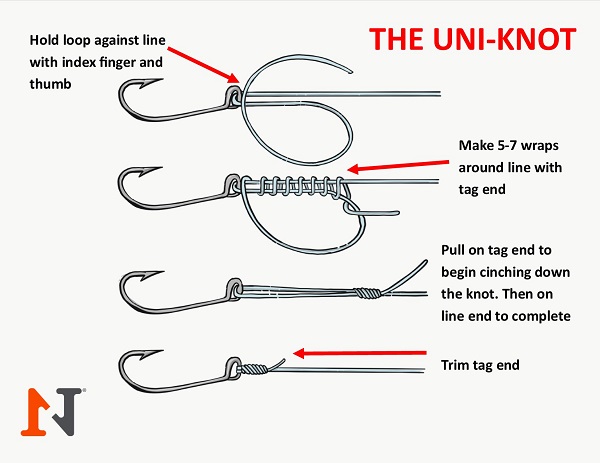
Cut off the extra fishing line after tying the knot. Excess line can cause tangles or catch on objects.
Use sharp scissors or nail clippers to trim the line close to the knot, leaving about 1/8 inch.
Do not cut too close to avoid the knot slipping free.
Credit: n1outdoors.com
Tips For Beginners
Tying fishing line on a spinning reel is a key skill for anglers. Doing it right helps catch more fish and avoid problems.
Beginners should learn simple techniques to tie the line securely. This guide covers common mistakes, helpful tools, and reel care.
Common Mistakes To Avoid
Many beginners make errors that cause line slips or breaks. Avoid these to keep your line strong and your catch safe.
- Not wetting the knot before tightening it
- Using too few or too many wraps around the spool
- Failing to trim the tag end of the line properly
- Tying the knot too loosely or too tight
- Using the wrong knot for the line type
Tools To Help Tie Line
Using the right tools makes tying line easier and more reliable. These tools help beginners get a better grip and precise knots.
| Tool | Use |
| Line Clippers | Trim tag ends cleanly |
| Knot Tying Tool | Hold line steady while making knots |
| Lubricant (water or saliva) | Wet line to protect it during tightening |
| Magnifier | See small details on fine line |
Maintaining Your Reel
Good reel care keeps it working smoothly and extends its life. Clean and check your reel often to avoid damage.
- Rinse the reel with fresh water after each use
- Dry the reel completely before storing
- Apply reel oil to moving parts regularly
- Check the line spool for twists or damage
- Tighten screws and parts as needed

Credit: www.youtube.com
Frequently Asked Questions
How Do You Tie Fishing Line To A Spinning Reel?
To tie fishing line, thread it through the reel’s bail and spool. Use an improved clinch knot to secure it. Tighten the knot firmly and trim excess line for a neat finish.
What Is The Best Knot For Spinning Reel Fishing?
The improved clinch knot is best for spinning reels. It’s strong, easy to tie, and reliable. This knot ensures your line stays secure during casts and catches.
Can I Use Braided Line On A Spinning Reel?
Yes, braided line works well on spinning reels. It offers high strength and low stretch. Use a knot like the Palomar for best results with braided lines.
How Much Line Should I Spool On A Spinning Reel?
Fill the spool leaving about 1/8 inch from the rim. This prevents overfilling and reduces tangles. Proper spooling improves casting distance and line management.
Conclusion
Tying your fishing line on a spinning reel is simple with practice. Start slow and follow each step carefully. A strong knot keeps your line secure and helps catch fish. Try the steps a few times until you feel confident.
Good knots make fishing more fun and less frustrating. Keep your line tight and check it often. Now, you’re ready to enjoy your next fishing trip with ease.