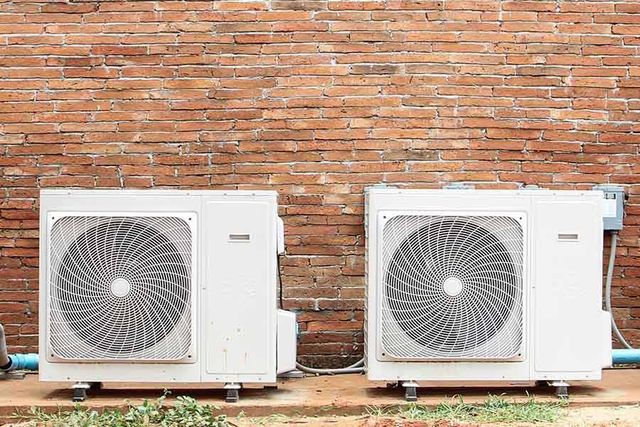
Are you wondering how many hours your air conditioner should run each day to keep your home cool without wasting energy? Finding the right balance is key—not running it enough can leave you uncomfortable, while running it too long can spike your electricity bills.
You’ll discover simple tips to optimize your AC usage, save money, and stay comfortable all day long. Keep reading to learn how to make your air conditioner work smarter, not harder.
Ideal Ac Running Hours
The ideal AC running hoursdepend on many factors. Climate plays a big role. Hotter places need the AC to run longer. Cooler climates require less time.
Room sizealso matters. Bigger rooms need more cooling and longer AC running hours. Smaller rooms cool faster and need less time.
Other factors include insulation and number of people inside. Good insulation keeps cool air longer. More people generate heat, so AC runs more.
| Factor | Effect on AC Running Hours |
|---|---|
| Climate and Temperature | Hotter climate means longer running hours |
| Room Size | Larger rooms need more cooling time |
| Insulation Quality | Better insulation reduces running time |
| Occupants | More people increase running hours |

Credit: raviniaplumbing.com
Energy Efficiency Tips
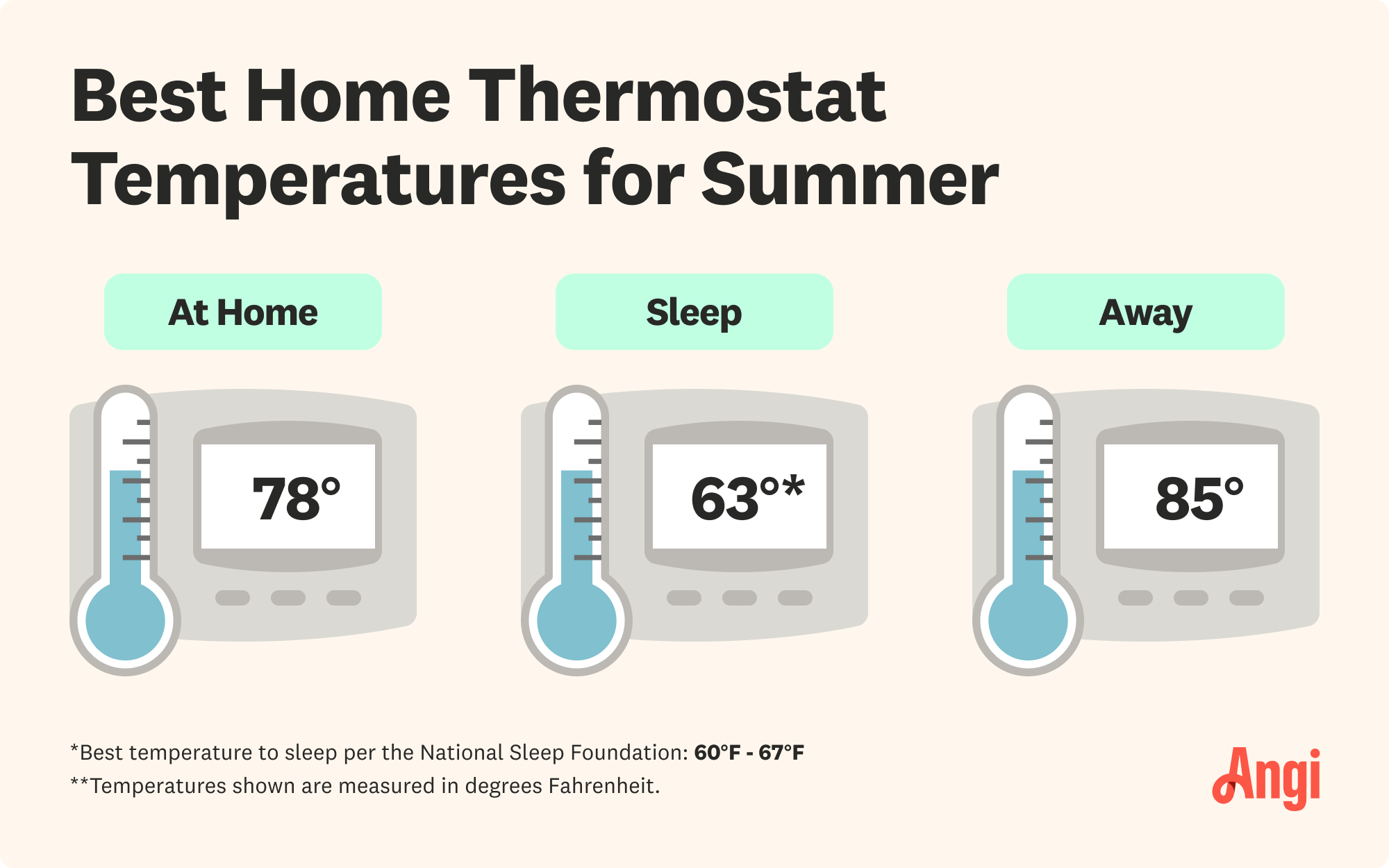
Setting your thermostat between 24°C and 26°Csaves energy and keeps you cool. Lower temperatures make the air conditioner work harder, using more power. Using a timer helps control running hours and avoids running AC all day. It also keeps your home comfortable during hot hours only.
Smart controls adjust cooling based on room use. They save energy by turning off the AC in empty rooms. Regular maintenance improves efficiency. Clean or replace filters monthly to ensure good airflow. Check coils and remove dirt to help the AC cool better.
| Tip | Benefit |
|---|---|
| Thermostat 24°C – 26°C | Reduces energy use and power bills |
| Use Timer | Limits AC running time, saves energy |
| Smart Controls | Adjusts cooling by room occupancy |
| Regular Maintenance | Improves airflow and cooling efficiency |
Health And Comfort Balance
Running an air conditioner too long can cause overcooling. This may lead to feeling chillyand uncomfortable indoors. It is best to set the AC to maintain a steady, moderate temperatureinstead of very cold air. This helps keep the room pleasant and avoids wasting energy.
Controlling humidityis important for comfort and health. Air conditioners remove moisture from the air, which can reduce moldand dust mites. Keeping humidity around 40-60% helps prevent these issues and makes the air feel fresh.
Good air qualitybenefits come from running the AC properly. The system filters out dust, pollen, and small particles. This helps people with allergies breathe easier. Changing filters regularly is important to keep the air clean and avoid blockages.
Cost Implications
Estimating electricity use helps control costs. Air conditioners use different power levels. The size and model affect consumption too. A unit running 8 hours daily might use 1.5 kWh per hour. Multiply this by your local rate for cost.
- Turn off AC when not needed.
- Use a programmable thermostat.
- Keep filters clean for better efficiency.
- Close windows and doors tightly.
Saving energy reduces bills and is good for the planet. Using AC less or smarter leads to long-term savings. Investing in energy-efficient units cuts costs over time. Simple habits can lower your monthly expenses. Small changes add up quickly.
Seasonal Adjustments
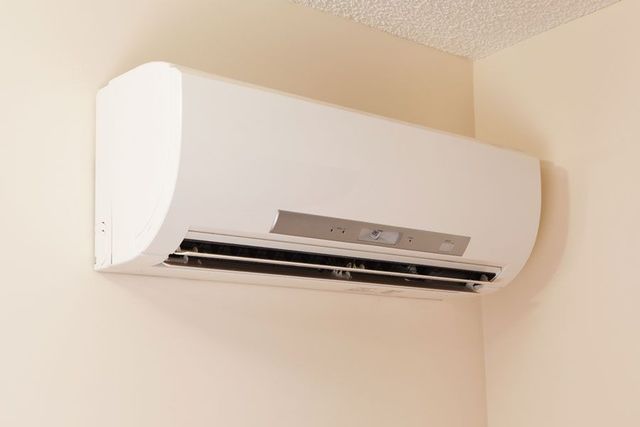
During summer, air conditioners often run longer, about 8 to 12 hoursdaily. This helps keep homes cool and comfortable in hot weather. In shoulder seasonslike spring and fall, AC use can drop to 2 to 6 hours. Temperatures are milder, so less cooling is needed.
Using fansalongside AC can reduce the AC’s workload. Fans help move cool air around, making rooms feel cooler. This allows the AC to run fewer hours, saving energy and money.
At night, temperatures usually drop. Adjust AC settings to run less or use a higher temperature. This can lower energy use while keeping you comfortable during sleep.
Credit: www.professionalservicestoday.com
When To Run Ac Continuously
During heatwavesor extreme heat, running the AC continuously helps keep indoor temperatures safe and comfortable. It prevents heat stress and dehydration.
Some equipmentlike computers or servers need constant cooling. Continuous AC use protects them from overheatingand damage.
People with medical conditionssuch as respiratory problems or heat sensitivity may need steady cooling. Running the AC nonstop helps maintain a safe environment.
- Keep AC on during very hot days or nights.
- Protect sensitive devices by running AC without breaks.
- Ensure comfort and safety for those with health needs.
Credit: www.angi.com
Frequently Asked Questions
How Many Hours Should An Air Conditioner Run Daily?
An air conditioner should ideally run 8 to 12 hours daily. This duration balances comfort and energy efficiency while preventing excessive wear on the unit.
Does Running Ac All Day Increase Electricity Bills?
Yes, running your AC all day significantly increases electricity bills. Limiting usage and maintaining the unit can help reduce costs.
Can Continuous Ac Use Damage The Unit?
Continuous AC use can cause wear and tear, reducing its lifespan. Regular breaks and maintenance help keep your unit in good condition.
What Is The Best Ac Runtime For Energy Savings?
Running your AC in intervals totaling 8-12 hours daily optimizes energy savings. Using a programmable thermostat further enhances efficiency.
Conclusion
Finding the right air conditioner run time saves energy and money. Too long wastes power and may cause wear. Too short keeps your space uncomfortable. Aim for balanced use based on room size and outside heat. Set a timer or use a smart thermostat for control.
Regular maintenance helps the unit work well longer. Small changes can make a big difference in comfort and cost. Keep cool without overusing your air conditioner every day.