Have you ever wondered where the air inside your room actually comes from when you turn on your window air conditioner? You might think it’s pulling fresh air from outside to cool your space.
But is that really how it works? Understanding this can help you make better choices about your home’s comfort and air quality. Keep reading to uncover the truth about how your window air conditioner handles air—and why it matters for your health and energy bills.

Credit: www.popularmechanics.com
How Window Ac Units Work
Window air conditioners cool indoor spaces by removing heat from the air inside your room. They do not pull air directly from outside.
These units use a simple system to circulate and cool air efficiently. Understanding how they work helps answer common questions.
Air Circulation Basics
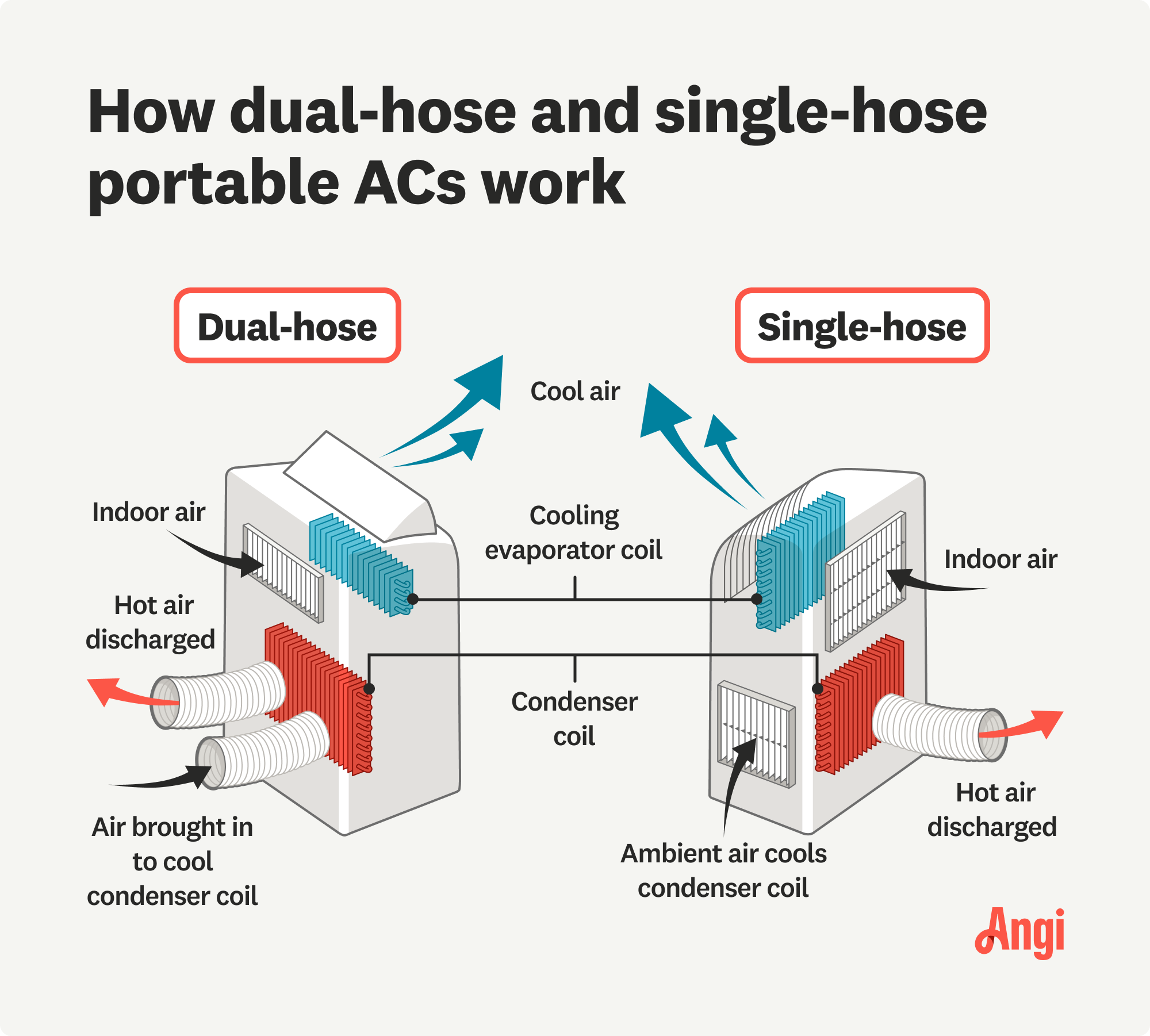
Window AC units draw warm air from the room through the front grille. This air passes over cold coils inside the unit.
The cooled air is then blown back into the room. Meanwhile, the unit pushes hot air and moisture outside.
- Indoor air is pulled inside for cooling
- Cold air is sent back into the room
- Hot air is released outside
- No fresh air from outside enters the room
Cooling Mechanism Explained
Inside the window AC, a refrigerant absorbs heat from indoor air. This refrigerant changes from liquid to gas to remove heat.
The heat is then moved to the outside coil, where a fan blows it out. This cycle keeps indoor air cool and dry.
- Warm air cools as it passes over cold coils
- Refrigerant carries heat outside
- Fans help move air inside and outside
- Moisture is removed to reduce humidity

Credit: www.forbes.com
Where Does The Air Come From?
Window air conditioners cool the air in a room. They take air from inside the room and lower its temperature. Many people wonder if these units pull air from outside.
Understanding where the air comes from helps explain how these units work. It also clarifies if fresh outside air is part of the cooling process.
Indoor Air Intake
Window air conditioners mainly pull air from inside the room. The unit has a vent that draws warm indoor air into the system. This air passes over cold coils to cool down.
- The unit pulls warm air from inside the room.
- The air moves over cold cooling coils.
- The cooled air is pushed back into the room.
- Indoor air circulation continues in this loop.
Role Of Outside Air
Window air conditioners do not usually pull air directly from outside. Their main job is to cool the indoor air already in the room. Outside air can enter the room only if windows or doors are open.
| Air Source | Purpose | How It Enters |
| Indoor Air | Primary cooling air | Through air intake vent |
| Outside Air | Fresh air, not cooled by unit | Through open windows or doors |
Common Misconceptions
Many people wonder if window air conditioners pull air from outside. This question comes from how these units look and work. The truth is different from what some think.
Understanding how window air conditioners handle air helps clear up confusion. Let’s explore some common myths and why they exist.
Myth: Drawing Outside Air
Some believe that window air conditioners pull fresh air from outside into the room. They think this helps cool the room faster. But most window units recirculate indoor air only.
Why This Idea Persists
- Window units sit on open windows, so people assume they take outside air.
- The sound of the fan can seem like it is pulling air from outdoors.
- Some older or specialized air conditioners do have fresh air options, causing confusion.
- People expect cooling to work like open windows or fans, which bring outside air inside.
| Reason | Explanation |
|---|---|
| Unit Placement | Installed in windows, near outside air. |
| Fan Noise | Sound mimics outdoor air intake. |
| Older Models | Some have fresh air vents. |
| Expectations | People think cooling means fresh air. |
Impact On Indoor Air Quality
Window air conditioners mainly cool indoor air. They do not pull fresh air from outside directly into the room.
This affects the quality of the air inside your home. Understanding how these units work helps manage indoor air quality.
Air Filtration Features
Most window air conditioners have basic filters. These filters catch dust and some allergens from the air.
The filters improve air quality by reducing particles. They do not remove gases or odors from indoor air.
- Filters trap dust and pollen
- They need regular cleaning or replacement
- Some models have washable filters
- Filters do not bring fresh air inside
Ventilation Considerations
Window air conditioners usually recirculate indoor air. They do not provide fresh air from outside.
Lack of fresh air can cause indoor air to feel stale. It can also increase humidity and indoor pollutants.
- Ventilation is needed to bring fresh air inside
- Use windows or vents for outside air
- Regularly open windows when running the AC
- Consider air purifiers for better air quality
When Outside Air Is Needed
Window air conditioners usually recycle indoor air. They cool and remove moisture from the room air.
Sometimes, fresh outside air is needed for better air quality. This helps reduce indoor pollution and odors.
Using Ventilation Options
Many window air conditioners have a ventilation option. This lets some outside air enter the room.
Ventilation helps bring fresh air inside without opening windows. It improves comfort and air quality.
- Some units have a switch to allow outside air in
- This air mixes with cooled indoor air
- It reduces stuffiness and odors inside the room
Combining With Other Systems
Window air conditioners work well with other ventilation systems. Using them together helps bring in fresh air.
Systems like exhaust fans or air exchangers can add more outside air. This keeps indoor air healthy and fresh.
- Exhaust fans remove stale indoor air
- Fresh air enters through vents or windows
- Air exchangers swap indoor and outdoor air efficiently
- Combining systems improves overall ventilation
Energy Efficiency Factors
Window air conditioners help cool rooms by moving heat outside. Their energy use depends on how they handle air.
Knowing if they pull air from outside affects their efficiency. This guide explains how air source impacts energy use.
Effect Of Air Source On Efficiency
Most window AC units do not pull outside air inside. They recirculate indoor air and cool it.
Pulling air from outside can reduce efficiency. Outside air may be hotter or more humid, making cooling harder.
- Recirculating indoor air uses less energy
- Outside air brings extra heat and moisture
- Sealing gaps prevents warm air from entering
Tips To Optimize Performance
Keep the AC sealed well in the window to avoid leaks. This helps keep warm air out.
Clean or replace filters regularly. Dirty filters lower airflow and make the AC work harder.
- Ensure a tight fit between the unit and window frame
- Use curtains or blinds to reduce sun heating
- Turn off the AC when the room is empty
- Maintain the unit yearly for best results
Credit: www.angi.com
Frequently Asked Questions
Do Window Ac Units Use Outside Air?
Window air conditioners primarily recirculate indoor air. They cool the air inside by passing it over evaporator coils. Some models have vents that can introduce a small amount of outside air. However, this is not the primary function of window AC units.
Their main job is to cool the air already inside.
Can A Window Ac Pull Fresh Air Inside?
Most window air conditioners do not pull fresh air from outside. They are designed to cool and circulate the indoor air. However, some models have a vent control that allows a limited amount of outside air to enter. This feature is more common in older units.
How Does A Window Ac Cool The Room?
A window AC cools the room by drawing in warm indoor air. It then passes this air over cold evaporator coils. The heat is absorbed by the coils, and the cooled air is blown back into the room. This process recirculates and maintains the desired temperature.
Is Ventilation Possible With Window Acs?
Window air conditioners are not designed primarily for ventilation. They focus on cooling and recirculating indoor air. Some models offer a vent feature that allows minimal outside air. However, this function is limited and not as effective as dedicated ventilation systems.
Conclusion
A window air conditioner mainly recirculates indoor air. It cools the warm air inside your room. The unit does not pull fresh air from outside. This helps it cool the space quickly and efficiently. Some models offer a small vent for fresh air, but it’s not common.
Knowing this helps you understand how your AC works. You can keep your room cool and fresh by opening windows sometimes. This simple step improves air quality and comfort.