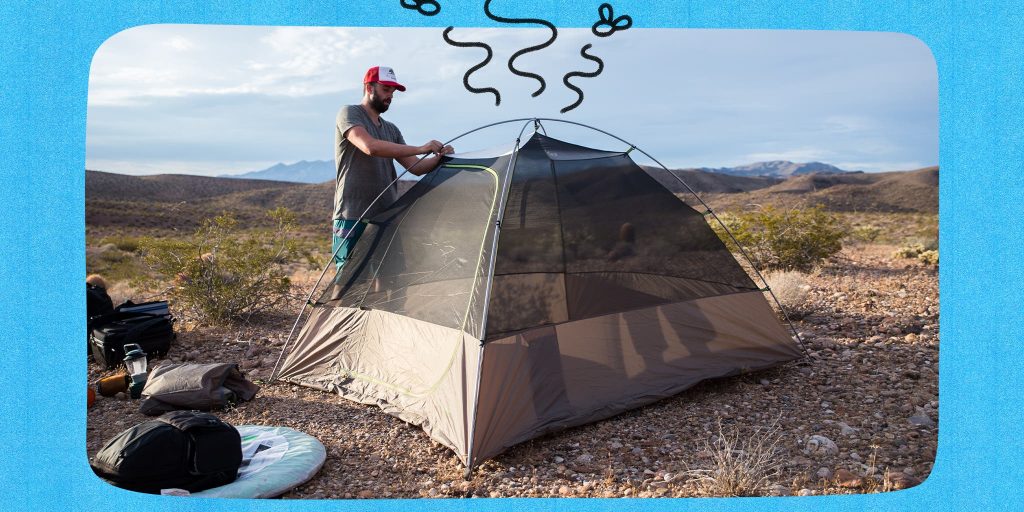
Is your tent giving off an unpleasant odor that won’t go away? A smelly tent can turn any outdoor adventure into an uncomfortable experience.
You might think cleaning it is complicated or time-consuming, but it doesn’t have to be. In this guide, you’ll discover simple and effective ways to freshen up your tent and get rid of that stubborn smell for good. Keep reading, and you’ll learn easy steps to make your tent feel like new again before your next trip.
Identify The Source Of The Smell
When your tent smells bad, it is important to find out why. Knowing the source helps you clean it better.
There are common causes for bad odors in tents. Look closely to spot them.
Check For Mold And Mildew
Mold and mildew grow in damp places inside your tent. They cause musty smells and can damage fabric.
- Look for dark spots or fuzzy patches on the tent walls and floor
- Check corners and seams where water collects
- Smell the fabric for a damp, earthy odor
Spot Food And Sweat Residues
Food crumbs and sweat can leave stains and smells in your tent. These residues attract bacteria and pests.
- Inspect the floor and pockets for leftover food bits
- Check sleeping areas for sweat stains and body oils
- Smell areas where you spent the most time inside the tent
Inspect Tent Fabric And Seams
The fabric and seams can trap dirt and moisture. This can cause odors and weaken your tent.
| Area | What to Look For | Possible Smell Cause |
| Seams | Sticky or dark spots | Mold or dirt buildup |
| Fabric surface | Discoloration or stains | Food, sweat, or mildew |
| Floor | Wet or muddy patches | Moisture trapped dirt |
Gather Essential Cleaning Supplies
Cleaning a tent that smells needs the right supplies. These help remove odors safely and protect your tent.
Using gentle products and tools keeps the fabric strong and fresh. Gather everything before you start cleaning.
Choose Mild Detergents
Mild detergents clean dirt and smells without harming tent fabric. Avoid strong soaps or bleach.
Look for detergents made for delicate fabrics or outdoor gear. These keep waterproof coatings safe.
- Use small amounts to avoid residue
- Test detergent on a small area first
- Avoid fabric softeners and harsh chemicals
Prepare Natural Deodorizers
Natural deodorizers help remove bad smells without chemicals. They are safe and eco-friendly.
Common choices include baking soda, white vinegar, and lemon juice. These neutralize odors and freshen fabric.
- Baking soda absorbs moisture and odors
- White vinegar breaks down odor molecules
- Lemon juice adds a fresh scent
Select Soft Brushes And Cloths
Use soft brushes and cloths to clean your tent gently. Hard tools can damage the fabric.
Microfiber cloths and soft-bristle brushes work well. They remove dirt and stains without abrasion.
- Choose brushes with gentle bristles
- Use microfiber cloths for wiping
- Avoid wire brushes or rough sponges
Pre-clean Tent Preparation
Cleaning a tent that smells starts with good preparation. Getting the tent ready helps remove odors and dirt more easily.
Follow simple steps before washing to keep your tent in good shape and ready for the next trip.
Air Out The Tent
Set up your tent in a dry, shaded area. Open all doors and windows to let fresh air flow inside. This helps remove musty smells and moisture.
Remove Loose Dirt And Debris
Take the tent down and shake it gently. Remove leaves, dirt, and bugs from the fabric and floor. Use a soft brush or cloth to clean off stubborn debris.
- Shake the tent to loosen dirt
- Brush off stuck debris carefully
- Check corners and seams for hidden dirt
Unpack And Organize Tent Components
| Component | Action |
|---|---|
| Poles | Disassemble and wipe clean with a dry cloth |
| Stakes | Remove dirt and check for damage |
| Rainfly | Air out separately and inspect for tears |
| Footprint | Shake off dirt and dry before storing |
Sort each part so you can clean and dry them well. This stops mold and bad smells from coming back.
Washing The Tent Properly
A tent that smells needs a good cleaning to remove dirt and odor. Washing it properly keeps the fabric safe and fresh.
Use gentle methods to avoid damage. Follow simple steps to clean your tent well.
Hand Washing Techniques
Hand washing is gentle and helps protect the tent fabric. Use mild soap and cool water to clean your tent.
Fill a large tub or basin with water and add a small amount of soap. Soak the tent and gently scrub dirty areas with a soft cloth.
- Use mild, non-detergent soap
- Do not use bleach or harsh chemicals
- Rinse the cloth often to avoid spreading dirt
Using A Washing Machine Safely
You can wash some tents in a washing machine if the label allows it. Use a front-loading machine without an agitator.
Set the machine on a gentle cycle with cold water. Use a small amount of mild soap made for delicate fabrics.
- Remove all poles and stakes before washing
- Use a large laundry bag or pillowcase to protect the tent
- Avoid spinning at high speeds to prevent damage
Rinse Thoroughly To Avoid Residue
Rinse your tent well after washing. Soap left on the fabric can cause stains and attract dirt.
Use clean water and rinse multiple times if needed. Make sure no soap bubbles remain before drying your tent.
- Rinse with cool, clean water
- Check for soap residue by rubbing the fabric
- Repeat rinsing until water runs clear
Dealing With Stubborn Odors
Tents can develop strong smells from moisture, dirt, and mildew. These odors can make camping uncomfortable. Cleaning your tent well helps remove these smells.
Some odors are hard to remove with normal cleaning. Special treatments can help get rid of stubborn smells. Use natural and safe solutions to protect your tent fabric.
Apply Vinegar Solutions
White vinegar is a natural deodorizer and kills mold spores. Mix equal parts of white vinegar and water in a spray bottle. Spray the solution on smelly areas of the tent.
Let the vinegar sit for 15-20 minutes before wiping it off. This helps neutralize odors without harming the fabric. Air dry the tent fully after cleaning to prevent new smells.
Use Baking Soda Treatments
Baking soda absorbs bad smells and moisture. Sprinkle baking soda inside the tent on the floor and walls. Let it sit for several hours or overnight for best results.
After resting, shake or vacuum the baking soda out of the tent. You can also mix baking soda with water to make a paste. Apply the paste on tough odor spots, then rinse and dry.
Try Specialized Outdoor Gear Cleaners
Outdoor gear cleaners are made for tents and fabrics. These cleaners remove dirt and odors without damaging the material. Follow the instructions on the cleaner for best use.
Use a soft brush or sponge to gently clean the tent with the solution. Rinse well with water and dry the tent completely. These cleaners help keep your tent fresh and ready for camping.

Credit: www.gearaid.com
Drying And Ventilation Tips
Cleaning your tent well is not enough to remove bad smells. Drying and airing it out is key. Proper drying stops mold and mildew growth.
Good ventilation helps fresh air flow through the tent. This keeps it smelling clean and extends its life.
Avoid Direct Sun Damage
Dry your tent in a shaded area. Direct sunlight can weaken fabric and fade colors. UV rays cause damage over time.
- Find a spot under trees or a covered porch
- Set the tent up so sunlight hits it indirectly
- Turn the tent periodically to dry all sides evenly
Set Up For Optimal Airflow
Good airflow helps your tent dry faster and stops damp smells. Open all windows and doors if possible. Use mesh panels for better breathability.
| Airflow Tip | Reason |
| Open tent flaps | Allows fresh air to enter |
| Use mesh vents | Keeps bugs out, air in |
| Elevate tent floor | Prevents ground moisture buildup |
| Place fan nearby | Speeds up drying process |
Check For Damp Spots Before Storage
Before storing your tent, inspect it carefully. Damp spots cause mold and odor. Use a flashlight to check hidden areas.
- Feel fabric for wetness or cold spots
- Look inside seams and pockets
- Hang tent again if any dampness remains
- Store in a dry, ventilated place after fully dry
Preventing Future Smells
Keeping your tent fresh stops bad smells from coming back. Simple habits help keep your tent clean and dry.
Follow easy steps to stop mold, mildew, and odors before they start. This saves time and effort later.
Store Tent In A Dry Area
Always store your tent in a place without moisture. Damp areas let mold grow and cause smells.
Choose a cool, dry spot with good air flow. Avoid basements or garages that get wet or humid.
- Use shelves to keep the tent off the floor
- Keep the tent loosely packed, not tight
- Check the area regularly for leaks or dampness
Clean After Every Use
Wash your tent after each trip, especially if it is dirty or wet. Dirt and moisture cause smells fast.
Use mild soap and water. Let the tent dry fully before packing it away. This stops mold and odor.
- Brush off dirt and debris before washing
- Spot clean stains quickly
- Air dry the tent in the sun if possible
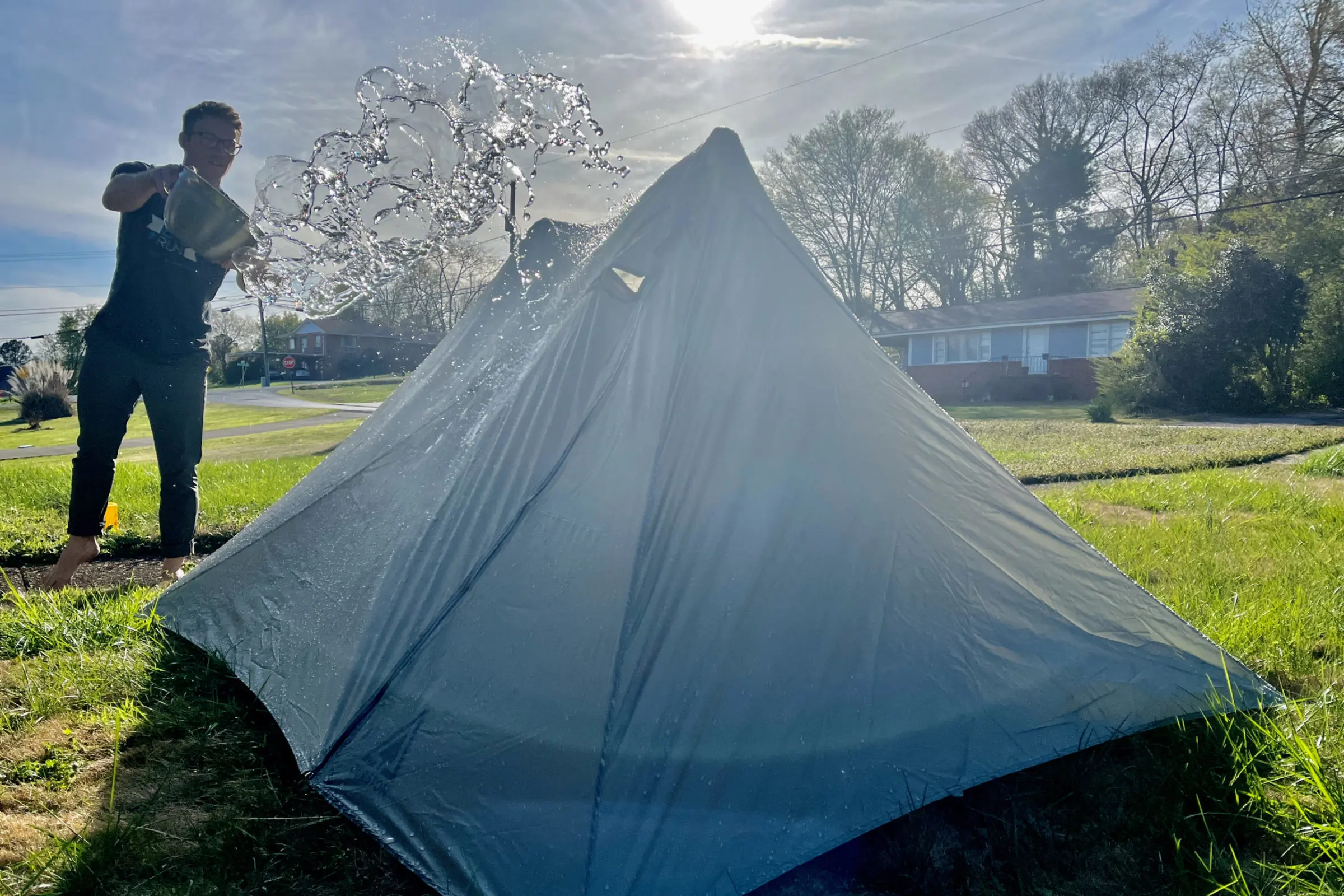
Use Waterproof And Breathable Covers
Protect your tent with covers that block water but allow air to pass. This reduces moisture inside the tent.
Waterproof covers keep rain out. Breathable fabric stops damp air from building up, which lowers odor risk.
- Choose covers made for outdoor gear
- Check covers for holes or tears often
- Remove covers to air out the tent regularly
Credit: gearjunkie.com
Quick Freshen-up Hacks
A tent that smells can spoil your camping fun. Freshening it up quickly helps keep your gear pleasant. Use simple hacks to remove bad odors fast.
These tips use easy items to improve your tent’s smell without deep cleaning. Try them before your next trip.
Use Fabric Fresheners
Fabric fresheners spray directly on tent fabric. They mask odors and leave a clean scent. Choose one safe for outdoor gear.
- Spray lightly inside the tent after airing it out.
- Focus on corners and seams where smells hide.
- Use fresheners with natural ingredients to avoid damage.
- Test on a small area first to check fabric reaction.
Spray Essential Oils
Essential oils offer a natural way to freshen your tent. They also repel insects and add a nice smell.
| Essential Oil | Benefit |
| Lavender | Calming scent, repels bugs |
| Eucalyptus | Fresh smell, insect repellent |
| Tea Tree | Antibacterial, deodorizing |
| Peppermint | Refreshing, keeps insects away |
Add a few drops of oil to water in a spray bottle. Mist the tent fabric lightly. Do not soak the material to avoid damage.
Employ Portable Dehumidifiers
Moisture causes bad smells in tents. Portable dehumidifiers remove dampness quickly. They keep the tent dry and fresh.
Benefits of Using Portable Dehumidifiers:
- Prevents mold and mildew growth
- Reduces musty odors
- Easy to use and carry
- Works without chemicals
Credit: www.treelinereview.com
Frequently Asked Questions
How Do I Remove Bad Odor From A Smelly Tent?
To remove bad odor, air out the tent in sunlight for several hours. Use a mixture of mild soap and water to gently clean the fabric. For stubborn smells, apply a solution of vinegar and water, then rinse thoroughly and dry completely.
What Cleaning Agents Are Safe For Tents?
Use mild, non-detergent soaps or specialized tent cleaners. Avoid bleach, harsh chemicals, or strong detergents as they can damage tent fabric and waterproofing. Always test a small area first and rinse thoroughly to prevent residue buildup.
How Often Should I Clean My Tent To Prevent Odors?
Clean your tent after every camping trip or at least twice a season. Regular cleaning removes dirt, sweat, and mildew that cause odors. Proper drying and storage also help keep your tent smelling fresh and extend its lifespan.
Can I Use Vinegar To Clean And Deodorize My Tent?
Yes, vinegar is effective for deodorizing tents. Mix equal parts white vinegar and water, spray on the tent’s interior, and wipe gently. Vinegar kills mold and neutralizes odors without harming the fabric. Always rinse and dry the tent thoroughly afterward.
Conclusion
A clean tent means a better camping experience. Smells can come from dirt, sweat, or moisture. Regular cleaning stops bad odors and keeps your tent fresh. Use gentle soap and water to wash it well. Dry your tent completely before storing it away.
Store it in a cool, dry place to avoid smells returning. Clean tents last longer and feel nicer to use. Take small steps to keep your tent smelling good. Camping will be more fun with a fresh, clean tent.