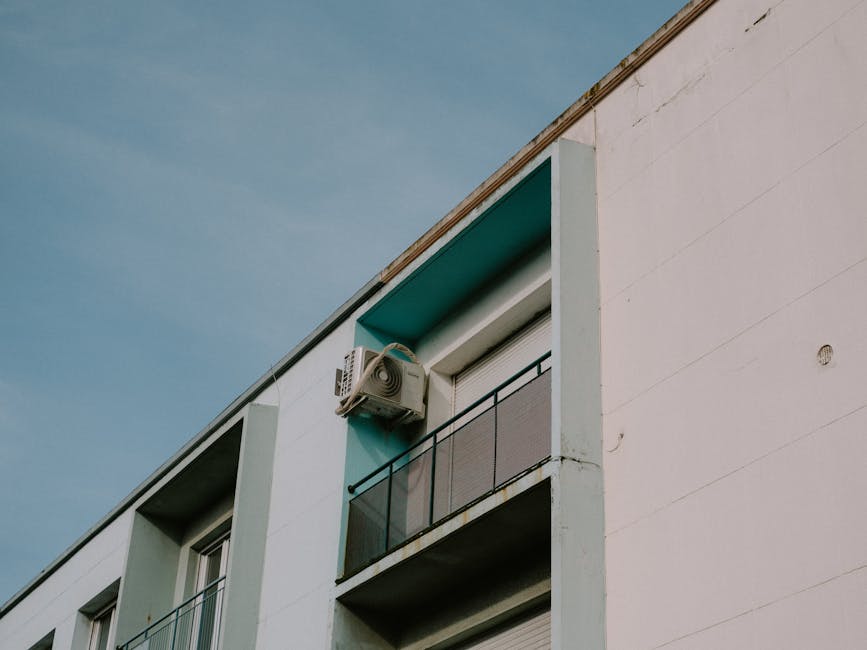
Is your air conditioner ready to keep you cool all summer long? If you’re not sure, a simple air conditioner tune-up might be exactly what you need.
Think of it like a check-up for your AC—helping it run better, use less energy, and avoid costly breakdowns. You’ll discover what an air conditioner tune-up really involves, why it matters for your comfort and wallet, and how it can save you headaches down the road.
Keep reading to make sure your home stays cool and your air conditioner stays healthy.
Purpose Of An Ac Tune Up
An air conditioner tune up is a regular checkup for your AC system. It helps keep your unit running smoothly and safely.
Technicians inspect and clean important parts to ensure the AC works well all year. This prevents problems before they start.
Improving Efficiency
Regular tune ups help your AC run at its best. Clean parts and proper settings make the system use less energy.
When your AC is efficient, it cools your home faster and costs less to run.
- Cleaning filters and coils
- Checking refrigerant levels
- Lubricating moving parts
- Adjusting thermostat settings
Preventing Breakdowns
Tune ups find small problems before they become big. This stops sudden breakdowns during hot days.
Technicians check electrical connections and worn parts to avoid system failures.
- Testing electrical components
- Inspecting belts and motors
- Checking for leaks
- Verifying proper airflow
Extending Equipment Life
Regular maintenance helps your AC last longer. Well-kept parts do not wear out quickly.
Tune ups reduce stress on the system, which slows down damage and keeps your unit working for years.
- Cleaning internal parts
- Tightening loose connections
- Replacing worn components
- Ensuring balanced system operation

Credit: aspenaireinc.com
Key Components Checked
An air conditioner tune up checks important parts to keep it working well. Regular checks help your AC cool better and last longer.
Technicians inspect several key components to find issues early. This keeps your system efficient and avoids big repairs.
Thermostat Calibration
Checking thermostat calibration ensures the temperature setting matches the room temperature. A miscalibrated thermostat can cause the AC to run too long or not enough.
Refrigerant Levels
Proper refrigerant levels are crucial for cooling. Low refrigerant can reduce efficiency and cause the system to freeze up.
- Check refrigerant pressure
- Look for leaks in the system
- Refill refrigerant if needed
Electrical Connections
Inspecting electrical connections prevents shorts and failures. Loose or corroded wires can cause the AC to stop working or be unsafe.
| Component | Check |
| Wiring | Look for tightness and corrosion |
| Capacitors | Test for proper function |
| Contactors | Check for wear and proper operation |
Air Filters
Clean air filters improve airflow and air quality. Dirty filters make the system work harder and can cause damage.
- Remove and inspect filters
- Clean or replace if dirty
- Recommend filter change schedule
Coils And Fins
Coils and fins transfer heat to cool your home. Dirt or bent fins reduce efficiency and can cause overheating.
Technicians will:
- Clean the evaporator and condenser coils
- Straighten bent fins carefully
- Check for signs of corrosion or damage
Step-by-step Tune Up Process
Regular tune ups keep your air conditioner running smoothly. This process helps find small problems early. It also improves energy efficiency.
The tune up has three main parts. First is inspection and cleaning. Then, testing system performance. Last, making adjustments and repairs.
Inspection And Cleaning
Technicians check every part of the AC unit. They clean dirt and debris from filters and coils. This improves airflow and cooling power.
- Remove and clean air filters
- Clear leaves and dirt from outdoor unit
- Clean evaporator and condenser coils
- Check and clean drain lines
- Inspect electrical connections for damage
Testing System Performance
The technician tests if the AC cools well and runs efficiently. They measure airflow, temperature, and electrical use.
| Test | What It Checks | Why It Matters |
| Temperature Drop | Difference between air in and out | Shows cooling efficiency |
| Airflow Rate | Volume of air moved | Affects comfort and efficiency |
| Electrical Consumption | Power used by the unit | Detects electrical issues or inefficiency |
Adjustments And Repairs
After testing, the technician fixes any problems. They adjust settings for best performance. Repairs can extend the unit’s life.
- Tighten loose electrical connections
- Replace worn or damaged parts
- Adjust refrigerant levels if needed
- Lubricate moving parts
- Test system again after repairs

Credit: www.garyair.com
Signs Your Ac Needs A Tune Up
An air conditioner tune up helps keep your AC running well. It checks all parts and fixes small problems early. Regular tune ups save money and improve comfort.
Knowing when your AC needs a tune up can stop bigger issues. Watch for signs that show your system is struggling.
Unusual Noises
Strange sounds mean your AC might have a problem. Buzzing, rattling, or grinding noises are not normal. These sounds can come from loose parts or worn-out components.
Ignoring these noises can cause more damage. A tune up can find the source and fix it before it gets worse.
Weak Airflow
If your AC blows weak air, it may need service. Blocked filters or dirty coils reduce airflow. Sometimes, the fan or motor is not working well.
Low airflow makes your home less cool and causes the AC to work harder. A tune up cleans and checks parts to restore good airflow.
Increased Energy Bills
Higher energy bills can mean your AC is not running efficiently. Dirt buildup and worn parts make the system use more power. Leaks in the refrigerant also cause inefficiency.
Regular tune ups keep your AC clean and tight. This helps lower energy use and saves money on bills.
Frequency Of Tune Ups
Regular air conditioner tune ups help keep your system running smoothly. They prevent breakdowns and save energy. Knowing how often to schedule tune ups is important for good maintenance.
The frequency of tune ups depends on several factors. These include the type of system you have and how often you use it.
Recommended Schedule
Most experts suggest scheduling a tune up once a year. This usually happens before the cooling season starts in spring. For homes that use air conditioning a lot, twice a year may be better.
- Annual tune up for average use
- Twice a year for heavy use
- After long periods of no use
- Before summer starts
Factors Affecting Frequency
Several conditions can change how often you need tune ups. Dirt, dust, and weather can make your system work harder. Older air conditioners may need more frequent checks.
| Factor | Effect on Tune Up Frequency |
| Usage Level | More use means more frequent tune ups |
| Environment | Dusty or humid places need more care |
| System Age | Older units need checks twice a year |
| Manufacturer Advice | Follow specific brand recommendations |
Diy Vs Professional Tune Up
An air conditioner tune up keeps your system running well. It helps avoid breakdowns and saves energy. You can do some tasks yourself. Other tasks need a trained technician.
Knowing which tasks to do yourself and when to call a pro saves time and money. It also keeps your AC safe and efficient.
Tasks You Can Do Yourself
You can handle simple checks and cleaning. These tasks do not need special tools or skills. Doing them regularly helps your AC work better.
- Change or clean air filters every 1-3 months
- Clear debris around outdoor unit
- Clean evaporator and condenser coils gently
- Check thermostat settings for comfort
- Inspect and clean drain lines to avoid clogs
When To Call A Technician
Some tune up tasks require special tools and knowledge. A professional can spot problems you may miss. Call a technician for these tasks to keep your AC safe.
- Check and recharge refrigerant levels
- Inspect electrical components and wiring
- Test and clean the blower motor
- Check for leaks or damaged parts
- Perform full system diagnostics
Benefits Of Regular Tune Ups
An air conditioner tune up helps keep your system working well. It checks parts and cleans the system.
Doing tune ups regularly saves money and makes your home more comfortable.
Lower Energy Costs
A tuned-up air conditioner uses less electricity. It runs more efficiently and cools better.
Regular tune ups reduce energy waste and lower your monthly bills.
Improved Comfort
Tune ups help your air conditioner cool evenly. This keeps your home at a steady temperature.
Clean filters and parts improve air flow and reduce hot or cold spots inside your rooms.
Avoiding Costly Repairs
Regular tune ups find small problems early. Fixing these stops bigger issues from happening.
This prevents expensive repairs and extends the life of your air conditioner.

Credit: rightnowheatcool.com
Frequently Asked Questions
What Is Included In An Air Conditioner Tune Up?
An air conditioner tune up includes cleaning coils, checking refrigerant levels, inspecting electrical components, and lubricating moving parts. It ensures optimal performance and energy efficiency. Regular tune ups prevent breakdowns and extend the unit’s lifespan, keeping your home cool and comfortable.
How Often Should I Schedule An Ac Tune Up?
You should schedule an AC tune up once a year, ideally before summer. Annual maintenance helps detect issues early and improves efficiency. Regular tune ups reduce energy bills and avoid unexpected costly repairs, ensuring your air conditioner runs smoothly throughout the hot months.
Why Is An Ac Tune Up Important?
An AC tune up improves cooling efficiency and lowers energy costs. It prevents major breakdowns by identifying problems early. Tune ups also extend the unit’s life and maintain indoor air quality. Regular maintenance keeps your system reliable and comfortable during peak usage.
Can I Do An Air Conditioner Tune Up Myself?
Basic tasks like cleaning filters can be done yourself. However, detailed inspections and refrigerant checks need a professional technician. DIY tune ups may miss critical issues and risk damage. Hiring an expert ensures thorough maintenance and safe, efficient operation of your AC.
Conclusion
Regular air conditioner tune ups keep your system running well. They help avoid costly repairs and save energy. Clean parts and check settings improve cooling and air quality. Tune ups extend your AC’s life and boost comfort. Don’t wait for problems to start.
A small effort now prevents big issues later. Keep your home cool and your bills low with simple care.