Are you tired of sweating through hot days and sleepless nights? Your window air conditioner might be the simple solution you need, but have you ever wondered how it actually works to keep your room cool?
Understanding what happens inside this compact device can help you use it better and even save on energy bills. You’ll discover the secrets behind your window air conditioner’s cooling power—explained in a way that’s easy to follow. Get ready to unlock the science that turns hot air into refreshing comfort right in your own home.
Credit: medium.com
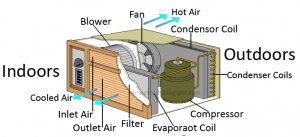
Basic Components
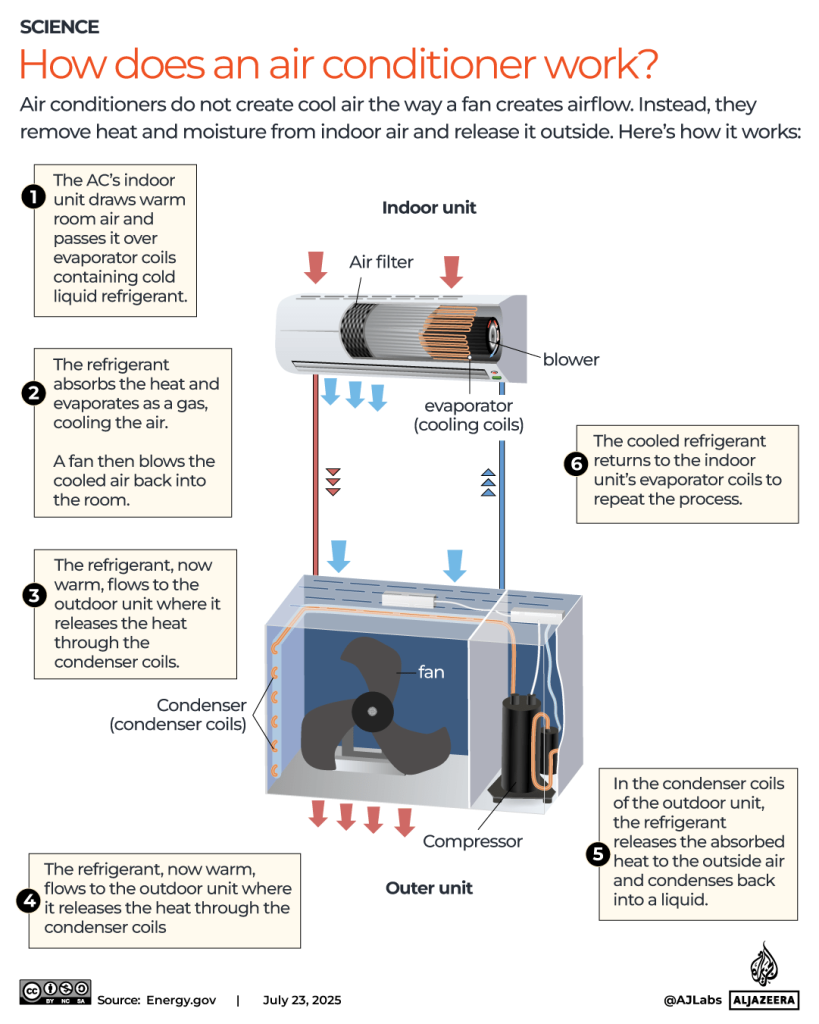
A window air conditioner cools a room by moving heat from inside to outside. It uses several key parts that work together to make the air cool and comfortable.
Understanding these parts helps you know how your air conditioner works and how to maintain it.
Compressor
The compressor is the heart of the air conditioner. It pumps refrigerant through the system. The refrigerant absorbs heat from inside and releases it outside. The compressor increases the pressure and temperature of the refrigerant gas.
Condenser Coil
The condenser coil lets the refrigerant release heat to the outside air. The hot gas cools down and turns into liquid. This coil is usually located at the back of the unit. Fans blow air over the coil to help cool the refrigerant quickly.
Evaporator Coil
The evaporator coil absorbs heat from the indoor air. The cold refrigerant inside the coil cools the air as it passes over. This process removes heat and moisture, making the room air cooler and less humid.
- Cold refrigerant enters the coil
- Warm room air passes over the coil
- Heat transfers to refrigerant
- Air cools and dries
- Cool air blows back into the room
Fan System
| Fan | Purpose | Location |
|---|---|---|
| Evaporator Fan | Blows cool air into the room | Inside unit |
| Condenser Fan | Blows hot air outside | Outside unit |
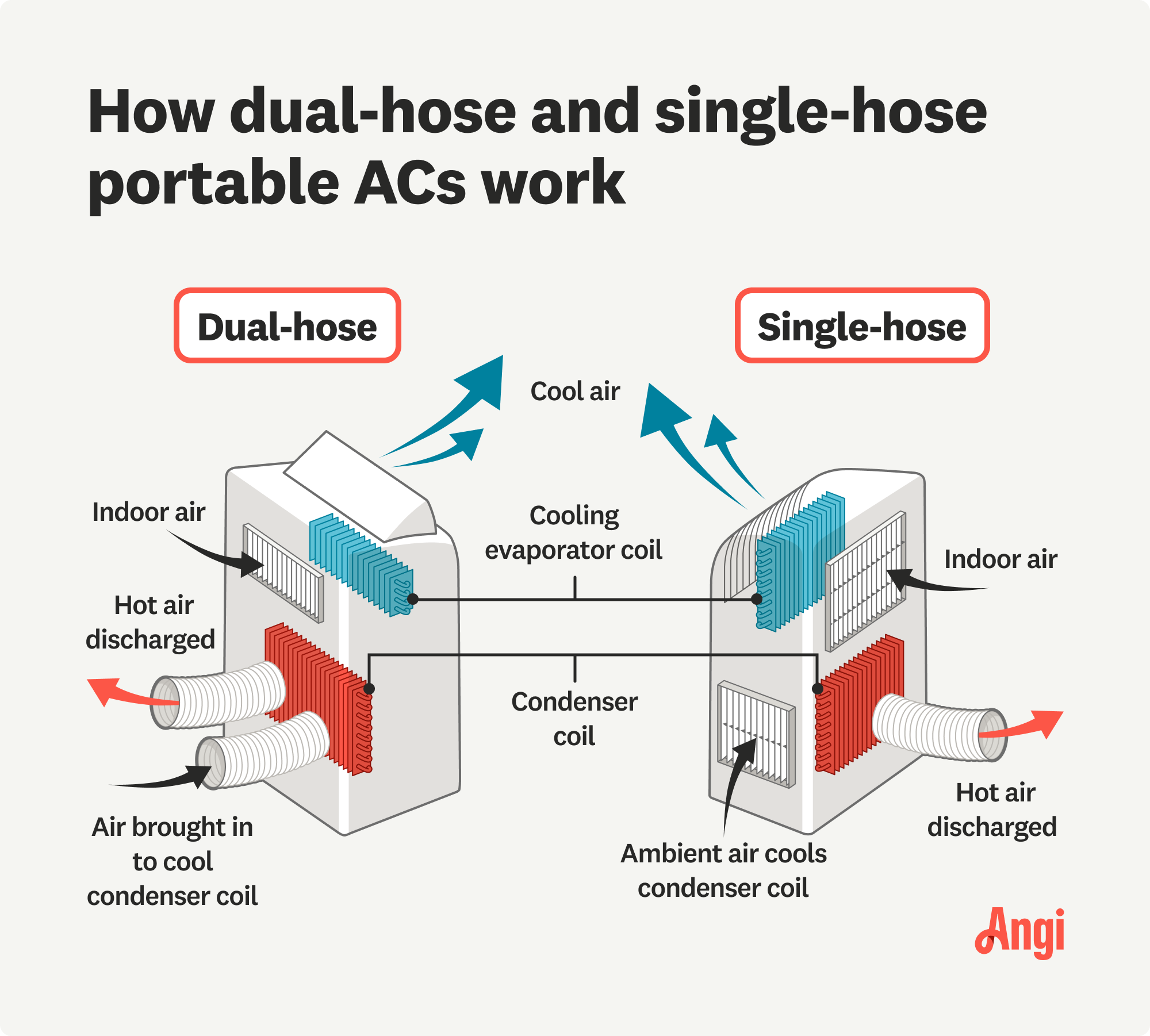
The fan system moves air through the unit. One fan pushes warm indoor air over the evaporator coil. Another fan pushes hot air from the condenser coil outside. This air movement is essential for cooling and heat release.
Credit: www.angi.com
Cooling Cycle
A window air conditioner cools a room by moving heat outside. It uses a cycle that involves refrigerant flowing through pipes.
The cooling cycle has three main parts: refrigerant flow, heat absorption, and heat release. Each part helps remove heat from the air inside.
Refrigerant Flow
Refrigerant is a special liquid that moves through the air conditioner. It flows in a closed loop inside the system.
The refrigerant changes from liquid to gas and back again. This change helps it carry heat from indoors to outdoors.
Heat Absorption
Inside the room, warm air passes over cold coils. These coils contain cold refrigerant.
The refrigerant absorbs heat from the air. This cools the air, which then blows back into the room.
- Warm air moves over evaporator coils
- Refrigerant inside coils absorbs heat
- Air temperature drops and cools the room
Heat Release
The refrigerant now carries the heat outside. It moves to coils on the back of the unit.
The refrigerant releases the heat into the outside air. A fan helps blow warm air away from the unit.
- Refrigerant turns from gas back to liquid
- Heat leaves through condenser coils
- Outside fan blows warm air away
Air Circulation Process
A window air conditioner cools a room by moving air through its system. It pulls warm indoor air inside, cools it, and pushes the cooler air back out.
The air circulation process has three main parts: indoor air intake, cooling and dehumidifying, and warm air exhaust.
Indoor Air Intake
The unit draws warm air from the room through a vent. A fan inside the AC pulls this air into the system. This air is the starting point for the cooling process.
Cooling And Dehumidifying
Inside the air conditioner, the warm air passes over cold coils filled with refrigerant. This cools the air and removes moisture.
- Warm air touches cold coils.
- Moisture in the air condenses into water.
- Dry, cool air forms and flows back into the room.
- Condensed water drains outside or collects in a pan.
Warm Air Exhaust
The heat taken from inside air moves to the outside. The AC unit uses another fan to push this warm air out through the back.
| Air Flow | Direction |
| Indoor warm air intake | Into the unit |
| Cooled air output | Back into the room |
| Warm air exhaust | Outside the building |
Energy Efficiency Factors
Window air conditioners use electricity to cool rooms. Energy efficiency helps save power and lowers bills.
Understanding what affects energy use can help you choose and use your unit wisely.
Seer Ratings
SEER stands for Seasonal Energy Efficiency Ratio. It shows how much cooling you get per unit of energy.
Higher SEER ratings mean better efficiency and less electricity use.
- SEER 13 is the minimum for most window units
- SEER 15 or above gives more energy savings
- Choose units with Energy Star labels for good SEER
Proper Installation
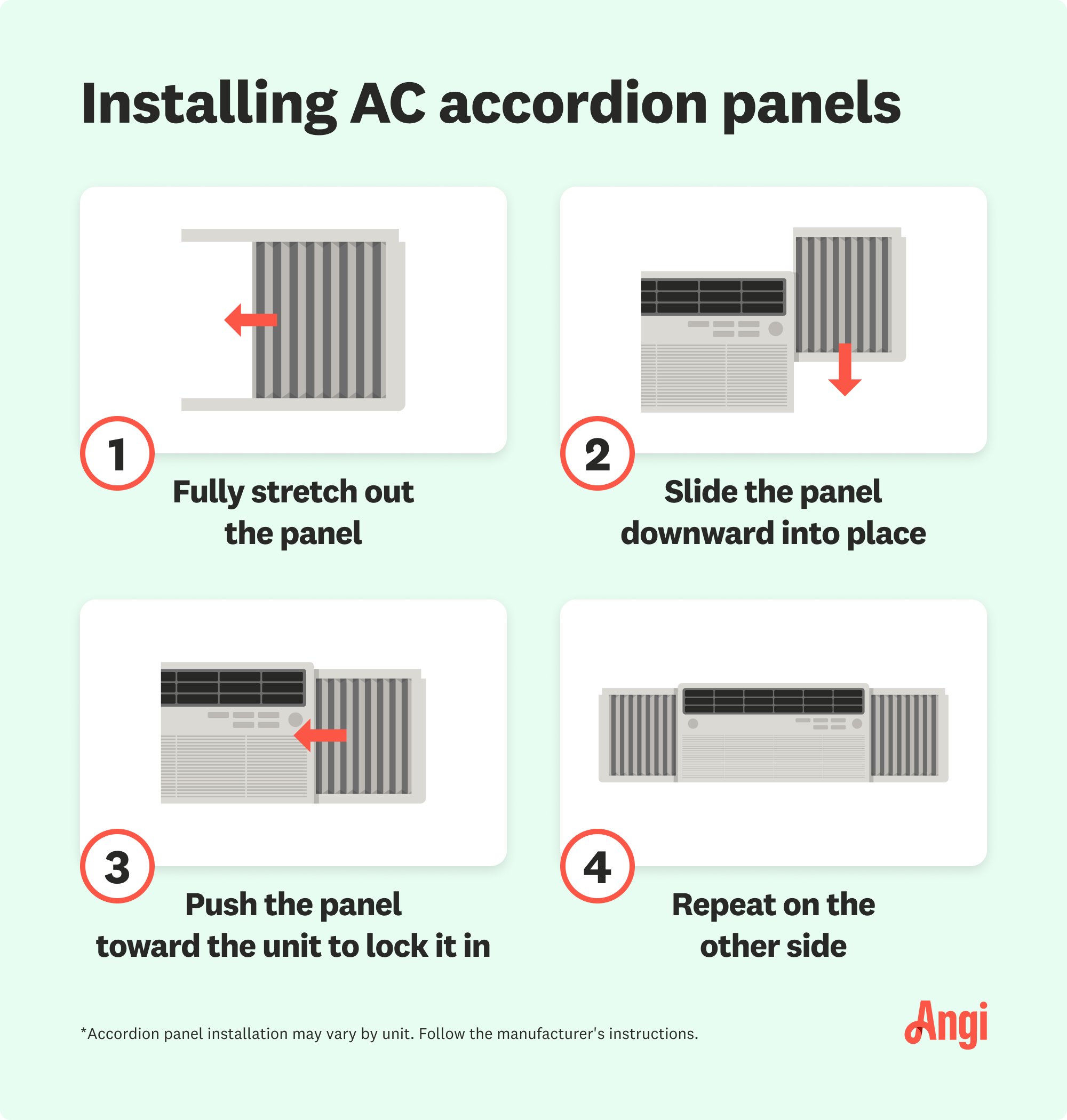
Correct installation keeps the air conditioner working well and saves energy.
Make sure the unit fits tightly in the window to stop air leaks.
- Seal gaps around the unit with weather stripping
- Install at the right height for good airflow
- Keep the unit level to avoid water leaks
Maintenance Tips
Regular maintenance helps the air conditioner run smoothly and use less energy.
Clean or replace filters often to improve airflow and cooling.
- Check and clean coils to remove dirt
- Clear the drain channels to prevent moisture build-up
- Store the unit properly in winter to avoid damage
Common Issues
Window air conditioners can face problems that reduce their cooling power. Knowing common issues helps you fix them quickly.
Some problems need simple care, while others may require professional help. Here are common troubles and what they mean.
Leaking Refrigerant
Refrigerant is the fluid that cools the air inside the unit. A leak makes the air conditioner less effective.
Leaks can cause the unit to stop cooling or work harder, raising energy bills. Look for oily spots or hissing sounds.
- Low refrigerant means less cooling power
- Leaks often need a technician to repair
- Do not try to refill refrigerant yourself
Clogged Filters
Filters trap dust and dirt from the air. When clogged, air flow slows down and cooling drops.
Dirty filters make the air conditioner work harder and can cause bad smells or ice build-up on coils.
- Check filters every month during heavy use
- Clean or replace filters to keep air flow strong
- Proper filter care improves air quality
Electrical Problems
Electrical issues can stop the air conditioner from turning on or cause it to shut off suddenly.
Common causes include blown fuses, tripped breakers, or loose wiring inside the unit.
- Check your home’s circuit breaker if the unit does not start
- Inspect the power cord for damage
- Hire a technician for internal electrical repairs
Choosing The Right Unit
Picking the right window air conditioner is important for comfort and energy use. The right unit cools your room well without wasting power.
Think about your room size, energy needs, and extra features. These details help you find a good match.
Room Size Considerations
Measure your room before choosing an air conditioner. Bigger rooms need units with higher cooling power.
Look at the unit’s BTU rating. BTU shows how much heat the unit can remove per hour. Match BTU to your room size for best cooling.
- Up to 150 sq. ft. – 5,000 BTU
- 150 to 250 sq. ft. – 6,000 to 8,000 BTU
- 250 to 350 sq. ft. – 8,000 to 10,000 BTU
- 350 to 450 sq. ft. – 10,000 to 12,000 BTU
Energy Consumption
Choose an energy-efficient air conditioner to save on electricity bills. Look for units with an Energy Star label.
Energy efficiency is often shown as EER. Higher EER means less energy use. A good unit keeps your room cool without using too much power.
- Check the EER rating before buying
- Lower energy use cuts monthly costs
- Use energy-saving modes when possible
Additional Features
Some window air conditioners come with extra features for comfort and ease. These features can improve your experience.
Look for units with timers, remote controls, or sleep modes. These options help control the unit better and save energy.
- Timer settings to schedule cooling
- Remote control for easy operation
- Sleep mode for quieter, energy-saving use
- Air filters to improve air quality
Credit: www.angi.com
Frequently Asked Questions
How Does A Window Air Conditioner Cool A Room?
A window air conditioner cools by drawing warm air inside. It uses a refrigerant to absorb heat. The cooled air is then blown back into the room, lowering the temperature efficiently.
What Components Make A Window Ac Work Effectively?
Key components include the compressor, condenser, evaporator, and fan. The compressor circulates refrigerant. The condenser releases heat outside. The evaporator cools air. The fan moves cool air into the room.
Can Window Air Conditioners Control Humidity?
Yes, window ACs reduce indoor humidity. As they cool the air, moisture condenses on the evaporator coil. This water is drained outside, creating a drier and more comfortable environment.
How Energy Efficient Are Window Air Conditioners?
Window ACs are generally energy efficient for small spaces. Their efficiency depends on size, model, and maintenance. Choosing the right size and cleaning filters improves energy savings and performance.
Conclusion
A window air conditioner cools your room by moving heat outside. It pulls warm air inside and pushes cool air back out. The process uses a refrigerant to change heat into cold. Fans help spread the cool air evenly around.
This simple system keeps spaces comfortable in hot weather. Understanding how it works helps you use it better. A well-maintained unit runs smoothly and saves energy. Now, you know what makes your window AC cool your home. Easy to use and effective for small rooms.