
Have you ever wondered if your car alarm could be quietly draining your battery? It’s a question many drivers ask but don’t always get a clear answer to.
If your car won’t start or the battery dies unexpectedly, you might blame the alarm without really knowing why. You’ll discover how car alarms work, whether they affect your battery life, and what you can do to keep your car running smoothly.
Keep reading to find out the truth behind car alarms and battery drain—your car’s health might depend on it.
How Car Alarms Work
Car alarms help protect vehicles from theft and damage. They use sensors to detect unusual actions.
When triggered, the alarm sounds loud noises to alert the owner and scare off thieves.
Basic Components
A car alarm has several key parts that work together. These parts detect motion, break-ins, and other threats.
- Control Unit:The main brain that processes signals from sensors.
- Sensors:Detect door opening, glass breaking, or movement inside the car.
- Siren:Emits a loud sound to warn people nearby.
- Power Source:Usually the car’s battery powers the alarm system.
Power Consumption
Car alarms use power even when the car is off. They stay active to watch for threats at all times.
| Component | Power Use When Idle | Power Use When Active |
| Control Unit | Low | Medium |
| Sensors | Low | Medium |
| Siren | None | High |
| Overall System | Very Low | High |
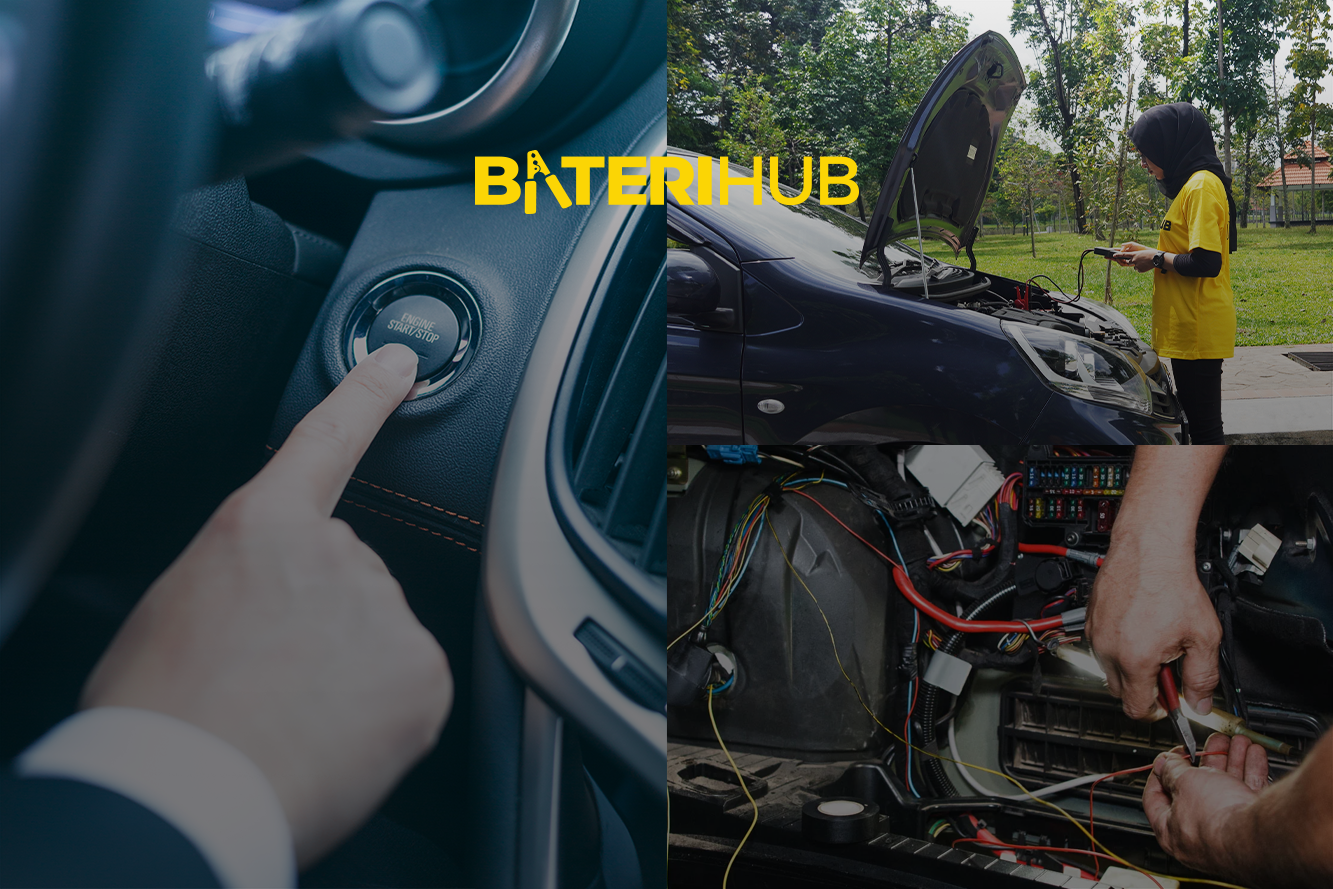
Credit: baterihub.com
Battery Drain Causes
Car alarms can use power even when your car is off. This use may drain the battery slowly over time.
Several factors affect how much power a car alarm draws. Some parts use more energy than others.
Alarm System Factors
Different alarm systems use different amounts of power. Older alarms often use more battery power.
Some alarm features cause extra battery drain. These include sensors, sirens, and remote start functions.
- Continuous sensor monitoring uses constant power
- Loud sirens consume more energy when active
- Remote start systems keep parts running even if the engine is off
- Faulty alarm wiring can cause unexpected battery drain
Other Electrical Draws
Other car electronics can also drain the battery. These include lights, audio systems, and accessories.
Some devices stay on in the background. They slowly use power even if you do not notice.
- Interior lights left on by accident
- Aftermarket stereo systems drawing power
- GPS trackers or dash cams with constant power use
- Power outlets used for charging devices
Impact Of Alarm Types
Car alarms help protect vehicles from theft. They use power from the car battery to work.
Different alarm types use battery power in different ways. This affects how much they drain the battery.
Factory Alarms
Factory alarms come installed by the car maker. They are designed to use power efficiently.
These alarms often enter a low-power mode when not active. This helps save battery life.
- Usually integrated with the car’s electrical system
- Low power use when the car is off
- Designed to avoid battery drain during long parking
Aftermarket Alarms
Aftermarket alarms are added after buying the car. They vary in power use depending on the model.
Some aftermarket alarms use more power because of extra features. This can drain the battery faster.
- May have louder sirens and flashing lights
- Some use constant power to monitor sensors
- Older models may not enter low-power mode
- Can drain battery if car is parked for a long time

Credit: carfromjapan.com
Signs Of Battery Drain
A car alarm can cause your battery to drain if it draws power for a long time. Knowing the signs helps you avoid getting stranded.
Look for early symptoms to fix the issue before your battery dies completely.
Symptoms To Watch For
Battery drain from a car alarm shows some clear symptoms. These signs tell you when your battery needs attention.
- Slow engine start or no start at all
- Dim headlights or dashboard lights
- Warning lights on the dashboard
- Car alarm sounds randomly without reason
- Electrical accessories not working properly
Testing Battery Health
Check your battery health to confirm if the alarm is draining power. You can test it yourself or use a mechanic’s help.
| Test Method | How to Do It | What to Check |
| Voltmeter Test | Use a voltmeter on battery terminals | 12.6 volts or more means good charge |
| Load Test | Apply a load and check voltage drop | Voltage should stay above 9.6 volts |
| Parasitic Drain Test | Measure current draw with alarm off | Current should be below 50 milliamps |
Preventing Battery Drain
Car alarms can use battery power even when the car is off. This use may cause the battery to drain over time. Taking steps to prevent this helps keep your car ready to start.
Knowing how to reduce battery drain from your alarm saves you from unexpected problems. Simple care and smart settings make a big difference.
Maintenance Tips
Keep your car alarm and battery in good condition to avoid power loss. Regular checks help spot issues before they cause battery drain.
Check battery terminals for corrosion and clean them if needed. Test your battery regularly to ensure it holds a charge well.
- Inspect alarm wiring for damage or loose connections
- Replace old or weak batteries promptly
- Clean battery terminals to improve contact
- Have a professional check the alarm system yearly
Alarm Settings Optimization
Adjust your car alarm settings to reduce unnecessary power use. Some alarms have modes that use less battery when the car is off.
Turn off features like motion sensors if they trigger too often. Choose settings that protect your car without draining the battery quickly.
- Set alarm sensitivity to avoid false alarms
- Use shock sensors only if needed
- Disable auxiliary features like interior lights
- Use valet mode when parked for long periods
When To Seek Professional Help
Car alarms can sometimes drain your battery if they have a fault. It is important to know when the problem needs expert care.
Trying to fix alarm issues without enough knowledge can cause more harm. Professionals have the tools and skills to diagnose and repair your alarm system safely.
Diagnosing Alarm Issues
Check if the alarm sounds randomly or stays on too long. These signs may mean the alarm is using too much power.
If your battery drains quickly after installing an alarm, a professional can test the system. They will look for wiring problems or faulty parts that cause power loss.
- Alarm goes off without reason
- Battery dies faster than usual
- Alarm stays on after locking the car
- Warning lights on your dashboard
Battery Replacement Advice
A weak or old battery can cause alarm problems. If your battery is old, it may not hold a charge well, making the alarm drain it faster.
Professionals can test your battery’s health and suggest replacement if needed. They will also check the charging system to ensure your battery stays full.
- Replace battery if it is older than 3-5 years
- Test battery voltage regularly
- Have a professional check the alternator
- Use the right battery type for your car

Credit: carfromjapan.com
Frequently Asked Questions
Can A Car Alarm Really Drain The Battery?
Yes, a car alarm can drain the battery if it’s faulty or improperly installed. Continuous operation or frequent false alarms can lead to battery discharge. It’s crucial to ensure the alarm system is functioning properly to prevent unnecessary battery drain.
How Long Can A Car Alarm Run Before Draining The Battery?
A car alarm can drain the battery in a few hours to a few days. This depends on the battery’s condition and the alarm’s power consumption. Regularly check both the battery and alarm system to avoid unexpected drains.
Why Does My Car Alarm Keep Going Off Randomly?
A car alarm may go off randomly due to wiring issues or sensor sensitivity. Environmental factors like wind or passing vehicles can also trigger it. Regular maintenance can help identify and fix these issues to prevent unnecessary battery drain.
How Can I Prevent My Car Alarm From Draining The Battery?
To prevent battery drain, ensure the alarm system is properly installed and maintained. Regularly check for faulty wiring and adjust sensor sensitivity. Disconnect the alarm when not needed, especially if the car is unused for extended periods.
Conclusion
Car alarms do use some battery power when active. This use is usually very small and should not drain a healthy battery. Problems arise if the alarm or battery is old or faulty. Regular car checks can help avoid unexpected battery drain.
Keep your battery clean and connections tight for best results. A well-maintained alarm protects your car without causing battery issues. Simple care keeps your car safe and ready to start every time.