If you’ve ever dealt with tangled fishing line or twisted leaders, you know how frustrating it can be. Adding a swivel to your fishing line is a simple trick that can save you time and improve your fishing experience.
In this guide, you’ll learn exactly how to put a swivel on your fishing line quickly and securely. By the end, you’ll be ready to cast with confidence, avoiding those annoying twists and knots that ruin your day on the water.
Keep reading to discover the easy steps that will make your fishing trips smoother and more enjoyable.
Choosing The Right Swivel
Choosing the right swivel helps prevent your fishing line from twisting. It also keeps your bait moving naturally in the water.
Picking the correct swivel depends on the type of fishing and the gear you use. Let’s look at the main types and what to consider.
Types Of Swivels
There are several types of swivels, each made for different fishing needs. Knowing their uses can help you choose the best one.
- Barrel Swivel:Simple and strong. Good for general fishing.
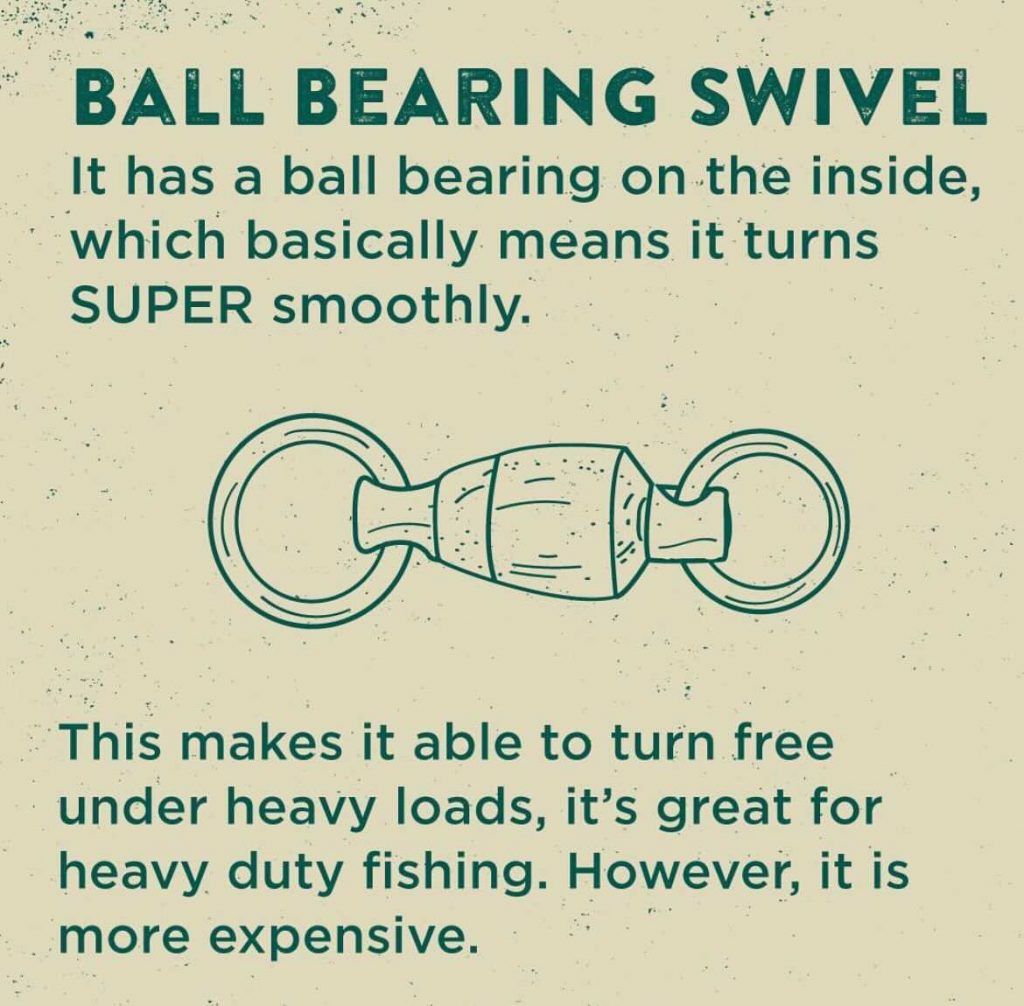
- Ball Bearing Swivel:Smooth rotation. Best for heavy lines and big fish.
- Snap Swivel:Has a clip to change lures fast. Useful for active fishing.
- Three-Way Swivel:Used for trolling or bottom fishing. Allows multiple lines.
Material And Size Considerations
Swivels come in different materials and sizes. Choosing the right one keeps your line strong and lasts longer.
| Material | Advantages | Disadvantages |
| Brass | Resists corrosion, affordable | Not as strong as steel |
| Stainless Steel | Very strong and durable | Heavier, can be costly |
| Nickel-Plated | Good corrosion resistance | Plating may wear off |
| Plastic or Nylon | Lightweight, less visible | Lower strength, for light fishing only |
- Match swivel size to your fishing line strength.
- Smaller swivels suit light lines and small fish.
- Larger swivels work for heavy lines and big catches.
- Consider the swivel’s weight to avoid affecting bait movement.
Credit: www.beadinggem.com
Preparing Your Fishing Line
Before attaching a swivel, you need to prepare your fishing line carefully. This step helps keep your line strong and ready for fishing.
Proper preparation reduces the chance of line breakage and improves your fishing experience.
Selecting The Line Section
Choose a section of the fishing line that is free from knots and damage. Pick a length that is easy to handle for tying the swivel.
Using a fresh part of the line ensures better strength and performance when fishing.
- Look for a clean, smooth part of the line
- Avoid sections with twists or frays
- Choose a length that fits your fishing needs
Trimming And Inspecting The Line
Cut the chosen section to the right size using sharp scissors or a line cutter. Trim any rough or damaged ends to prevent slipping.
Carefully check the line for small cuts, abrasions, or weak spots. Replace the section if you find any damage.
- Use sharp tools for a clean cut
- Remove any frayed or worn parts
- Inspect the line by running it through your fingers
- Replace if you feel rough or thin spots
Attaching The Swivel
Attaching a swivel to your fishing line helps prevent twists and tangles. It also makes changing lures or rigs easier.
There are different knots you can use to tie a swivel securely. Below are simple ways to do it with two popular knots.
Using The Improved Clinch Knot
The improved clinch knot is strong and easy to tie. It works well with monofilament and fluorocarbon lines.
- Thread the line through the swivel eye.
- Wrap the tag end around the main line five times.
- Pass the tag end through the small loop near the swivel eye.
- Then pass it back through the big loop created.
- Wet the knot and pull both ends to tighten it down.
Tying The Palomar Knot
The Palomar knot is very strong and simple. It works best with braided line but also suits other types.
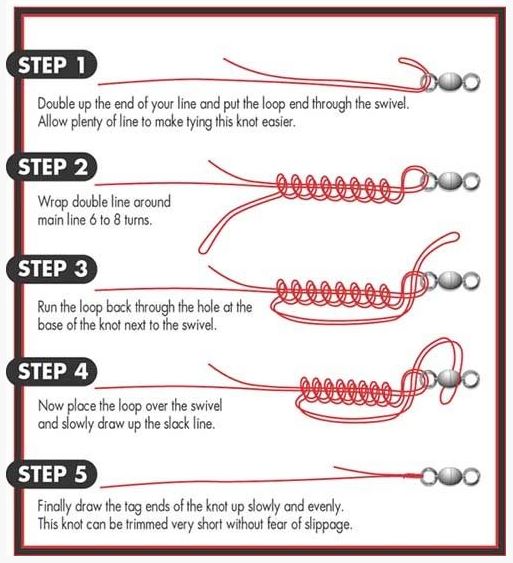
- Double about six inches of line and pass it through the swivel eye.
- Tie a loose overhand knot with the doubled line.
- Pass the swivel through the loop of the overhand knot.
- Wet the line and pull both the tag end and main line to tighten.
- Trim the tag end close to the knot.
Checking Knot Strength
After tying the knot, check its strength to avoid losing fish. A strong knot holds under pressure and does not slip.
| Check | How to Do It | Result |
|---|---|---|
| Visual Inspection | Look for tight coils and no overlaps. | Clean and neat knot. |
| Pull Test | Pull the line firmly with your hands. | No slipping or loosening. |
| Water Test | Wet the knot and pull again. | Knot tightens and stays secure. |

Credit: mysterytacklebox.com
Testing The Swivel Connection
After attaching a swivel to your fishing line, testing the connection is important. This ensures your setup is strong and reliable before fishing.
Testing helps avoid losing fish or gear due to weak knots or faulty swivels. Here are two key ways to check your swivel connection.
Performing A Tug Test
Hold the line near the swivel and pull firmly. This tug test checks if the knot holds tight and the swivel stays secure.
- Grab the line about 6 inches from the swivel.
- Pull the line away from the swivel with steady force.
- Observe if the knot slips or the swivel moves.
- Repeat a few times to confirm the strength.
Identifying Common Issues
Look for signs that your swivel connection might fail. Catching these early lets you fix problems before fishing.
| Issue | What to Check | How to Fix |
|---|---|---|
| Knot Slippage | Knot loosens or moves on the line | Retie knot using a stronger knot type |
| Swivel Damage | Cracks or rust on swivel body | Replace swivel with a new one |
| Line Fraying | Line shows wear near knot or swivel | Trim frayed section and retie knot |
| Weak Knot | Knot feels loose or uneven | Practice knot tying for a tight finish |
Tips For Maintaining Swivel And Line
Keeping your fishing swivel and line in good shape helps your fishing last longer. Regular care stops tangles and breaks.
Simple maintenance steps can make your fishing gear work better and last through many trips.
Cleaning And Lubricating
Clean your swivel after every fishing trip. Dirt and salt can cause rust and reduce its spin. Use fresh water and a soft brush to remove grime.
- Rinse the swivel in fresh water.
- Use a soft brush to clean hard-to-reach spots.
- Dry the swivel completely with a soft cloth.
- Apply a small drop of light oil or lubricant to keep it spinning freely.
- Wipe off any extra oil to avoid attracting dirt.
Lubricating keeps the swivel moving smoothly and stops it from freezing up in cold weather.
Replacing Worn Swivels
Old swivels can weaken and cause your line to break. Check your swivels regularly for signs of wear or damage.
| Signs of Wear | What to Do |
| Rust or Corrosion | Replace the swivel immediately |
| Stiff or Jammed Rotation | Clean and lubricate or replace if stuck |
| Cracks or Bends | Do not use; replace at once |
| Loose or Damaged Rings | Replace swivel to avoid line loss |
Replacing worn swivels keeps your fishing line strong and helps catch more fish safely.

Credit: www.youtube.com
Frequently Asked Questions
How Do You Attach A Swivel To Fishing Line?
To attach a swivel, thread the fishing line through the swivel eye. Tie a secure knot, such as the improved clinch knot. Pull tight and trim excess line. This prevents line twisting and improves lure movement during fishing.
Why Use A Swivel On Fishing Line?
A swivel prevents line twisting and tangling. It allows your lure or bait to spin freely. This improves casting accuracy and reduces line damage. Using a swivel increases your fishing efficiency and overall experience.
What Type Of Swivel Is Best For Fishing?
Choose a swivel size matching your fishing line strength. Barrel swivels work well for most setups. Ball-bearing swivels provide smoother rotation for heavy or fast lures. Always select high-quality swivels for durability and reliability.
Can I Tie A Swivel Without Special Tools?
Yes, you can tie a swivel using just your hands. Use common knots like the improved clinch or Palomar knot. Practice knot tying to ensure strength. No special tools are necessary for attaching swivels effectively.
Conclusion
Adding a swivel to your fishing line stops it from twisting and tangling. It helps your bait move more naturally in the water. You only need a few simple steps to do it right. Practice tying the knot firmly and check it before casting.
This small tip can make your fishing trips easier and more fun. Keep practicing, and you will see better results on the water. Happy fishing!