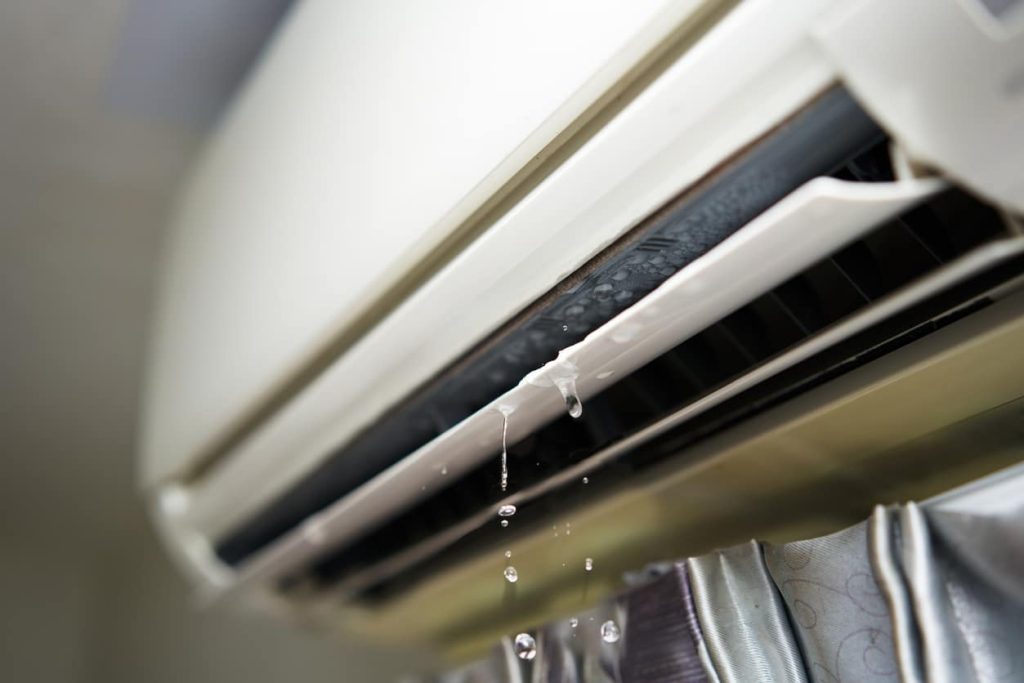
Is it normal for your air conditioner to drip water? You might have noticed those little drops falling from your AC and wondered if something is wrong.
The truth is, a bit of water dripping can be completely normal—but it can also signal a bigger issue if left unchecked. Understanding why your air conditioner drips water will help you avoid costly repairs and keep your home comfortable.
Keep reading to find out when you should worry and what simple steps you can take to fix the problem yourself.
Why Air Conditioners Drip Water
Air conditioners often drip water during use. This is a common part of how they work. Knowing why helps you understand your AC better.
Water dripping does not always mean a problem. It can be a normal sign of your AC cooling the air.
Condensation Process
Air conditioners cool warm air by removing heat. When warm air meets cold parts inside, water forms. This water is called condensation.
The condensation process is like how water drops form on a cold glass. The AC collects this water to keep your room cool and dry.
Normal Drainage System
AC units have a drainage system to remove the water from condensation. The water flows out through a drain pan and pipe. This keeps water from building up inside the unit.
If the drainage system works well, you will see water dripping outside. This is a sign the AC is working correctly.
Credit: honorservices.com
Common Causes Of Excessive Dripping
It is normal for air conditioners to drip some water. This happens because the unit removes moisture from the air. But too much dripping can mean a problem.
Excessive dripping can damage your home. It can also make the air conditioner work less well. Here are common causes of too much water dripping.
Clogged Drain Line
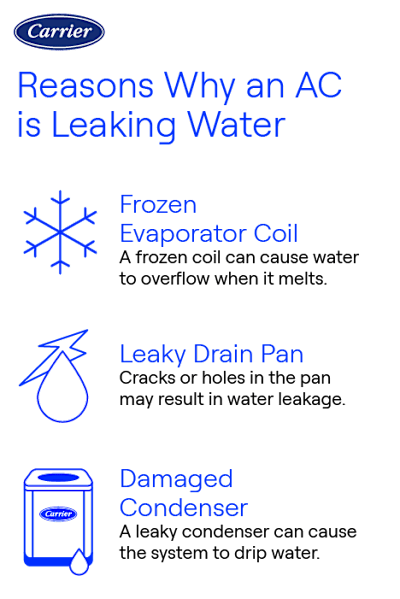
The drain line carries water out of the air conditioner. Dirt, algae, or debris can clog this line. When it clogs, water pools and drips inside your home.
Clogged drain lines stop water from leaving the unit. This causes leaks and water damage around the air conditioner.
- Algae growth blocks water flow
- Dirt builds up inside the drain pipe
- Drain pipe gets crushed or bent
- Drain pan overflows due to blockage
Frozen Evaporator Coil
The evaporator coil cools the air inside your home. Sometimes, it freezes up due to low refrigerant or poor airflow. When it melts, extra water drips from the unit.
Frozen coils cause more water than usual to drip. This can lead to puddles around the air conditioner and possible water damage.
- Low refrigerant causes coil to freeze
- Dirty air filters reduce airflow
- Blocked vents stop air from moving
- Thermostat set too low
Improper Installation
If the air conditioner is not installed right, it can drip more water. Poor leveling or wrong pipe connections cause water to leak inside.
Improper installation leads to water pooling and damage. It also makes the unit less efficient and may shorten its life.
- Unit not leveled correctly
- Drain line installed at wrong angle
- Missing or damaged drain pan
- Poor sealing around pipes
When Dripping Indicates A Problem
It is normal for an air conditioner to drip water during use. This happens because the unit removes moisture from the air. The water usually drains away safely through a pipe.
Sometimes, dripping can show a problem. You should watch for signs that need fixing. Ignoring these signs may cause damage to your AC or home.
Water Pooling Around Unit
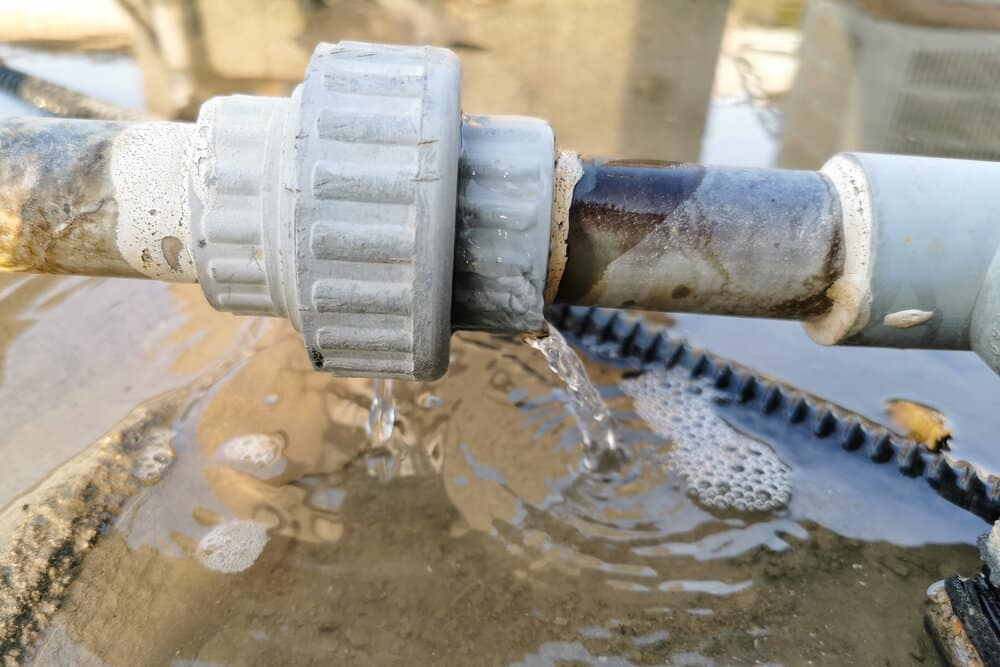
Water should flow away from the AC unit. If water pools around the base, it may mean a blockage or leak. This can harm the unit or nearby surfaces.
Check for clogged or broken drain pipes. The unit may also be tilted wrong, causing water to collect.
- Clogged drain pipe
- Broken or disconnected drain line
- Unit not level
- Frozen evaporator coil melting
Unusual Odors Or Mold Growth
Dripping water can cause mold or mildew if it stays inside the AC. You might smell a musty or sour odor. Mold can affect air quality and health.
Check for black or green spots inside or near the unit. Clean the drain pan and pipes to prevent mold. Replace filters if needed.
- Musty smell from vents
- Visible mold spots near drip area
- Wet or damp surfaces inside unit
- Clogged or dirty filters
Reduced Cooling Efficiency
If your AC drips water and cools less, it may have a problem. Ice buildup can block airflow. This makes the unit work harder and cool less.
Check if the drip is from melting ice. Dirty filters or low refrigerant can cause this issue. Fixing it will restore cooling power.
- Ice melting dripping water
- Dirty or clogged air filters
- Low refrigerant levels
- Blocked airflow inside unit
Credit: www.carrier.com
How To Prevent Water Dripping Issues
Air conditioners can drip water sometimes. This usually happens when there is a problem with the system.
Preventing water drips helps keep your home dry and your AC working well.
Regular Maintenance Tips
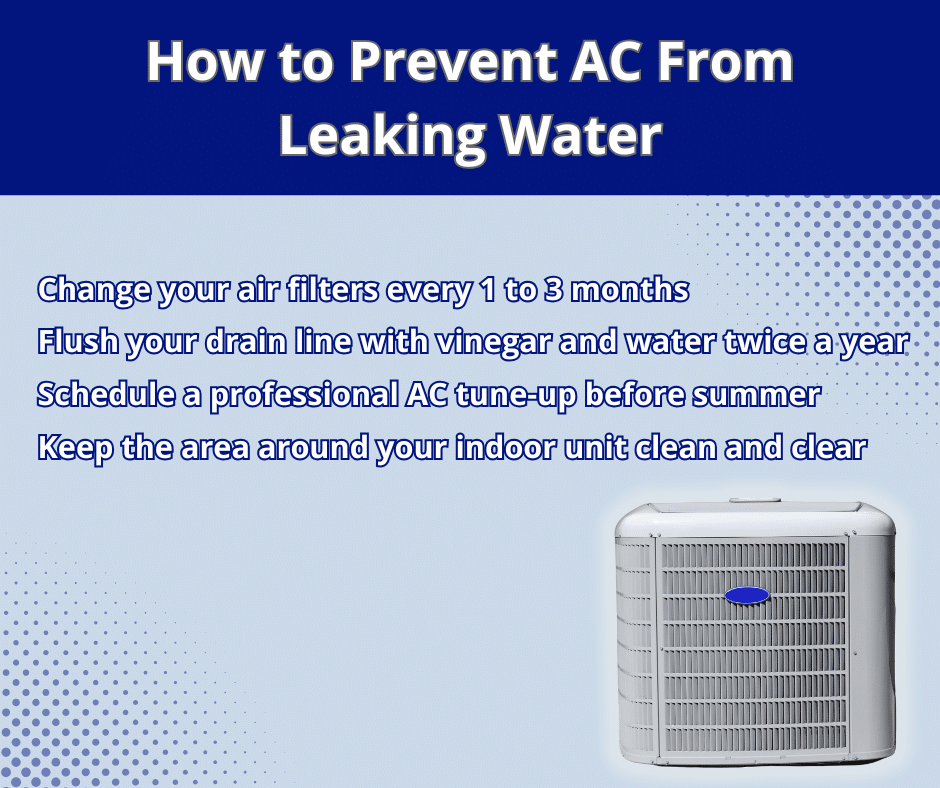
Check your air conditioner regularly. Clean or change the air filters every month during heavy use.
Look for any signs of leaks or unusual water. Fix small problems before they get bigger.
Cleaning Drain Lines
Drain lines carry water out of your AC. These lines can get clogged with dirt and algae.
Clean the drain lines every few months to stop water from backing up and dripping inside.
- Turn off the AC unit first
- Use a wet/dry vacuum to clear the line
- Flush the line with a mixture of water and vinegar
- Check if water flows freely after cleaning
Checking Insulation
Insulation around the AC pipes keeps moisture from building up. Damaged insulation can cause dripping.
Inspect the insulation for cracks or wear. Replace any damaged parts to stop water leaks.
- Look for wet spots near the pipes
- Remove old insulation carefully
- Wrap new insulation tightly around pipes
- Seal edges to prevent moisture entry
Diy Fixes For Minor Dripping
It is common for air conditioners to drip water. This usually happens because of condensation. Some dripping is normal but too much means a problem.
You can fix small drips yourself. These easy fixes save time and money. Here are some simple ways to stop minor dripping.
Clearing Drain Clogs
Water drains through a pipe in your AC unit. Dirt or algae can clog this drain. A clog causes water to drip inside your home.
To clear the clog, find the drain line outside. Use a wet-dry vacuum to suck out debris. You can also flush the drain with a mix of bleach and water.
- Locate the drain line
- Use a vacuum to clear blockage
- Flush with bleach solution
- Check if water flows freely
Thawing Frozen Coils
Frozen coils cause water to drip when they melt. Ice forms on coils due to low airflow or low refrigerant. Turn off the AC to let ice melt.
Use a fan to speed up thawing. Clean or replace dirty air filters. Ensure vents are open for good airflow. If freezing repeats, call a professional.
- Turn off the AC to melt ice
- Use a fan for faster thawing
- Clean or change air filters
- Keep vents open
Adjusting Unit Position
If your AC unit is not level, water can drip inside. A tilted unit causes water to pool and leak. Check if the unit sits flat on its base.
Use a level tool to see if the unit is even. Add shims or adjust the base to make it level. This helps water drain properly outside.
- Check if unit is level with a tool
- Add shims under the unit if needed
- Adjust base to make unit flat
- Ensure water drains away from home
Credit: fischerheating.com
When To Call A Professional
It is normal for your air conditioner to drip some water during use. This happens because the unit removes humidity from the air. Usually, this water drains away safely through a pipe.
Sometimes, the water dripping can signal a problem. Knowing when to call a professional can prevent bigger damage to your AC and home.
Persistent Leaks
If water keeps dripping even after you clean the drain line, it is a problem. Persistent leaks may mean the drain pipe is clogged or broken. It can also mean the drip pan is damaged or rusted.
Ignoring constant leaks can cause water damage to walls, floors, and ceilings. A professional can find the leak source and fix it safely.
Electrical Concerns
Water near electrical parts of your air conditioner is dangerous. If you see water dripping close to wires or electrical panels, call a professional right away. This can cause a short circuit or fire.
Do not try to fix electrical issues yourself. A trained technician has the tools and knowledge to handle these safely.
Complex Repairs
Sometimes water dripping means a bigger problem inside the AC unit. This can include frozen coils, low refrigerant, or broken parts. These issues need special tools to check and fix.
Complex repairs are best done by professionals. They can diagnose the problem and repair it to keep your AC running well.
Frequently Asked Questions
Why Does My Ac Drip Water?
Your air conditioner may drip water due to condensation. This happens when warm air meets the cold evaporator coil. It’s normal, but excessive dripping might indicate a clogged drain line or dirty filter.
How Much Water Dripping Is Normal?
A small amount of water dripping from your AC is normal. It indicates proper functioning. However, continuous or heavy dripping may suggest an issue like a blocked drain line or low refrigerant levels.
Can A Clogged Filter Cause Water Dripping?
Yes, a clogged air filter can cause water dripping. It restricts airflow, leading to ice formation on the evaporator coil. When the ice melts, excess water may drip.
How Do I Stop My Ac From Dripping Water?
To stop your AC from dripping, regularly clean or replace the air filter. Ensure the drain line is clear and not blocked. If the problem persists, consult a professional technician.
Conclusion
A little water dripping from an air conditioner is usually normal. It shows the unit is cooling and removing moisture from the air. Still, too much water or constant leaks need attention. Cleaning the drain line and checking the filter helps prevent problems.
Keep an eye on your AC to avoid damage or higher bills. Regular care keeps your air conditioner working well and your home comfortable. Stay aware, act early, and enjoy cool, fresh air all summer long.