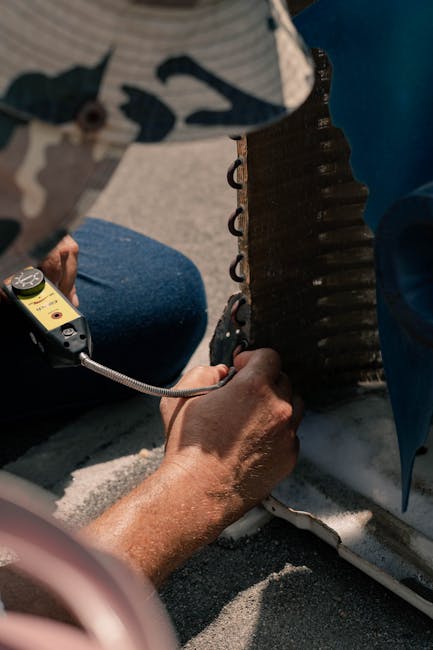
Is your air conditioner not cooling like it used to? You might be dealing with low Freon levels.
Knowing how to check Freon in your air conditioner can save you from expensive repairs and keep your home comfortable. In this guide, you’ll learn simple steps to identify if your AC needs a Freon refill. By the end, you’ll feel confident in spotting the signs and taking action before the heat becomes unbearable.
Keep reading to find out how to keep your cool all summer long.

Credit: morelliair.com
Signs Of Low Freon
Freon is a key refrigerant in air conditioners. Low levels can cause problems. It is important to spot signs early.
Checking these signs helps you know if your AC needs a Freon refill or repair.
Reduced Cooling Efficiency
When Freon is low, your air conditioner cools less effectively. The room may stay warm or take longer to cool down.
This happens because Freon absorbs heat from inside your home. Less Freon means less heat removal.
Ice Formation On Coils
Low Freon can cause the evaporator coils to freeze. Ice forms on the coils and stops proper cooling.
- Look for frost or ice buildup on the indoor coil.
- Check if the AC blows cold air only briefly.
- Notice if the unit cycles on and off frequently.
Hissing Sounds
A hissing or bubbling sound near the AC unit can mean a Freon leak. The sound comes from escaping gas.
Tip:If you hear hissing, turn off the AC and call a technician. Do not try to fix it yourself.
Increased Energy Bills
Low Freon makes your AC work harder to cool your home. This uses more electricity and raises your bills.
| Freon Level | Energy Usage |
| Normal | Standard cost |
| Low | Higher cost |
| Very Low | Much higher cost |
Tools Needed
Checking the Freon level in an air conditioner needs special tools. These tools help you measure pressure and temperature safely.
Using the right tools ensures the AC works properly and stays efficient.
Manifold Gauge Set
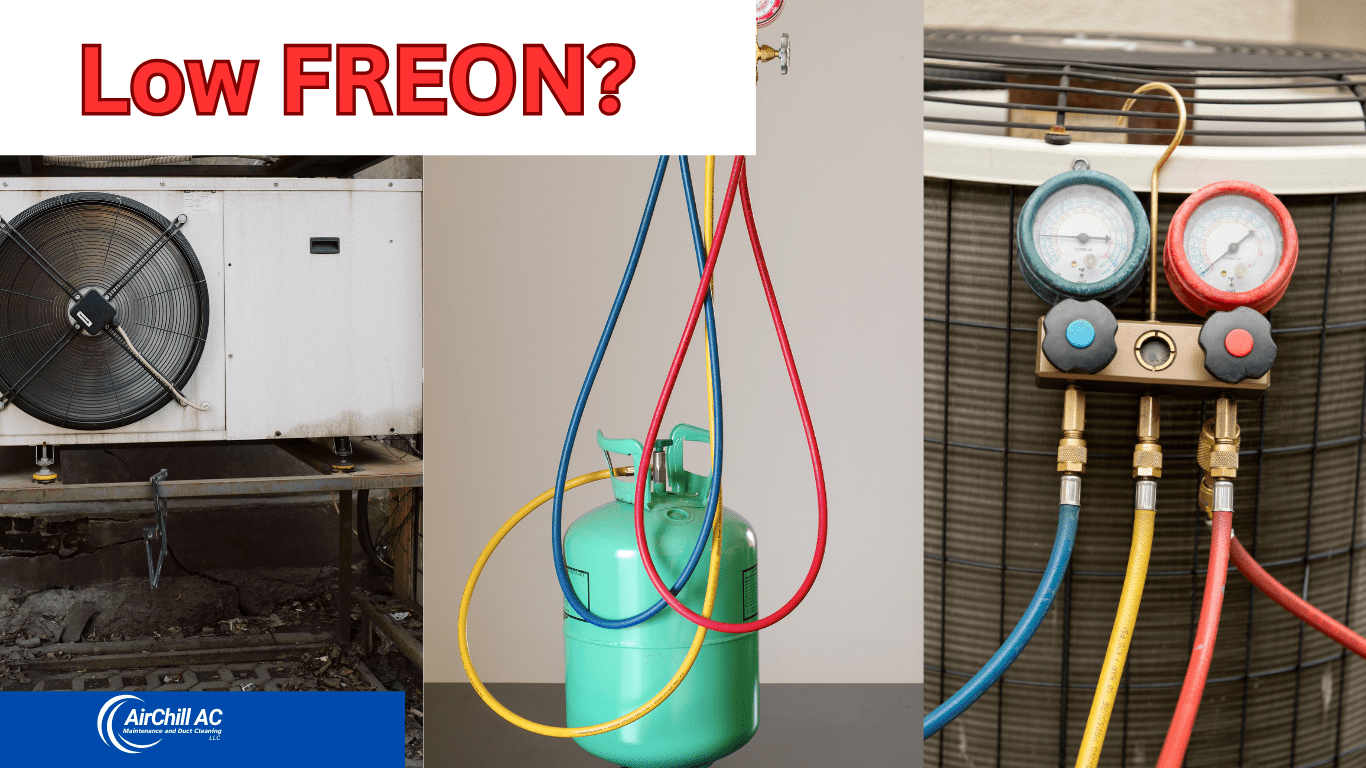
The manifold gauge set measures the pressure of the Freon in the AC system. It connects to the service ports and shows if the Freon level is low or high.
This tool has hoses and gauges for both high and low pressure sides. It helps you read the system’s pressure correctly.
- Two pressure gauges (high and low)
- Three color-coded hoses
- Valves to control gas flow
Thermometer
A thermometer checks the temperature of the AC’s air output and refrigerant lines. It helps to find temperature differences that show Freon issues.
You can use a digital or infrared thermometer to get an accurate reading quickly.
- Measures air and pipe temperature
- Helps spot cooling problems
- Easy to use and read
Protective Gear
Protective gear keeps you safe while working with Freon. Freon is a chemical that can cause harm if handled incorrectly.
Wear gloves and safety glasses to avoid skin and eye contact with refrigerant.
- Gloves to protect your hands
- Safety glasses for your eyes
- Long sleeves to cover your skin
Safety Precautions
Checking Freon in your air conditioner needs care and safety. Freon is a chemical that can be harmful if handled wrong.
Follow safety steps to protect yourself and your home during this process.
Turn Off Power
Always switch off the air conditioner’s power before you start. This stops any electric shocks or accidents.
Use the main breaker or the unit’s power switch to turn off electricity.
Avoid Direct Contact With Refrigerant
Freon is cold and can cause frostbite if it touches your skin. Do not touch any leaks or liquid refrigerant.
Wear gloves and safety glasses to keep yourself safe from exposure.
- Use protective gloves
- Wear safety goggles
- Do not touch liquid refrigerant
Work In Ventilated Area
Check Freon in a place with good airflow. This helps avoid breathing in harmful gases.
Open windows or use fans to keep fresh air moving around your work area.

Credit: www.youtube.com
Locating The Service Valves
To check the Freon level in your air conditioner, you first need to find the service valves. These valves connect the AC unit to the refrigerant lines.
Service valves let you attach gauges to measure Freon pressure. Knowing their location helps you test the refrigerant safely.
Look Near The Outdoor Unit
The service valves are usually on the outdoor AC unit. This is the large box that sits outside your home.
You will find two copper pipes entering this unit. The service valves are near where these pipes connect.
- One valve controls the low-pressure side
- The other valve controls the high-pressure side
Identify The Valve Caps
Service valves have protective caps that cover the valve stems. These caps keep dirt out.
Look for small round caps on the copper pipes near the outdoor unit. They often have a hex shape underneath.
- Remove the caps carefully before attaching gauges
- Keep the caps to replace after checking
Check The Unit’s Access Panel
Sometimes, the service valves are behind a small access panel on the outdoor unit. This panel protects the valves and wiring.
Open this panel using a screwdriver. Inside, you will see the copper pipes and the service valves attached.
- Turn off the power before opening the panel
- Be gentle to avoid damaging wires or pipes
Connecting The Gauges
Checking the Freon in your air conditioner needs the right tools. Connecting the gauges correctly is very important. It helps you read the pressure inside the system.
The gauges have two hoses and two ports on the AC unit. One is for low pressure, and the other is for high pressure. You must connect each hose to the right port.
Attach To Low-pressure Port
The low-pressure port is usually larger and found on the larger tubing of the AC system. It measures the pressure on the cooling side.
To connect, first find the low-pressure port. Then, attach the blue hose from the gauge set to this port. Make sure the connection is tight to avoid leaks.
- Locate the bigger pipe on the AC unit
- Find the low-pressure port cap and remove it
- Connect the blue hose securely to the port
- Check for any leaks or loose fittings
Attach To High-pressure Port
The high-pressure port is smaller and found on the smaller tubing of the AC system. It shows the pressure on the high side of the system.
Attach the red hose from the gauge set to the high-pressure port. Remove the port cap first, then connect the hose firmly. This helps get a clear pressure reading.
- Find the smaller pipe on the AC unit
- Remove the high-pressure port cap
- Attach the red hose tightly to the port
- Check connection for any air leaks
Reading The Pressure Levels
Checking the Freon pressure in your air conditioner is important. It helps you know if the system is working right.
Pressure gauges show the Freon level inside the AC unit. You must read these numbers carefully to keep your AC safe.
Normal Pressure Ranges
Freon pressure depends on the temperature outside and the type of refrigerant. Normal pressure keeps the AC cool and efficient.
- Low side pressure usually ranges from 25 to 45 psi.
- High side pressure is often between 200 and 300 psi.
- Pressure changes with outdoor temperature.
Interpreting Low Pressure
Low pressure may mean the Freon is low or there is a leak. It can also show a clogged filter or bad compressor.
When pressure is too low, the AC will not cool well. It may stop working if not fixed.
- Check for leaks in pipes or coils.
- Inspect and clean air filters.
- Look at the compressor for any issues.
Interpreting High Pressure
High pressure can mean too much Freon or a dirty condenser coil. It may cause the AC to overheat.
High pressure puts stress on the system. It can lead to damage if not corrected fast.
- Clean the condenser coils to improve airflow.
- Check the Freon charge to avoid overfilling.
- Make sure the fan is working properly.
Checking For Leaks
Leaks in your air conditioner can cause Freon loss. This lowers cooling power. Detecting leaks early can save your system.
There are simple ways to check for Freon leaks. Two common methods are using leak detectors and the soap bubble test.
Using Leak Detectors
Leak detectors sense Freon gas escaping from your AC. They come in handheld devices that beep or light up.
- Turn on the AC and let it run for a few minutes.
- Turn off the unit and move the detector probe near joints and connections.
- Watch for any beeping sounds or flashing lights.
- If the detector signals, you found a leak.
- Mark the spot for repair or further inspection.
Soap Bubble Test
This test uses a simple soap solution to spot leaks. Bubbles form where gas escapes.
| Step | Action |
|---|---|
| 1 | Mix water with a few drops of dish soap in a spray bottle. |
| 2 | Turn off the air conditioner. |
| 3 | Spray the soap solution on AC joints and pipes. |
| 4 | Look carefully for bubbles forming on the sprayed areas. |
| 5 | Bubbles mean there is a Freon leak at that spot. |
Refilling Freon
Refilling Freon is important to keep your air conditioner working well. Low Freon can make your AC less cool and damage it.
This guide explains how to refill Freon safely and correctly to restore your AC’s cooling power.
Choosing The Right Refrigerant
Use the correct type of refrigerant for your air conditioner. Different models need different Freon types.
Check your AC manual or the label on the unit to find the right refrigerant type. Using the wrong one can cause damage.
- R-22 is common in older AC units
- R-410A is used in newer, eco-friendly models
- Never mix different refrigerants
- Follow local laws about refrigerant use
Proper Refilling Techniques
Refill Freon carefully to avoid leaks and ensure your AC works well. Always use protective gear.
Connect the gauge and hose to the service port on your AC. Add Freon slowly while checking pressure levels.
- Turn off the AC before starting
- Use a pressure gauge to check Freon levels
- Add Freon in small amounts
- Watch pressure closely to avoid overfilling
- Close the valve tightly after refilling
- Check for leaks with soapy water
When To Call A Professional
Checking the Freon level in your air conditioner is important for its efficiency. Some signs mean you should not try to fix it yourself. Calling a professional ensures safety and proper repair.
Freon is a refrigerant that cools the air in your system. Handling it requires special tools and training. Knowing when to call an expert can save you time and money.
Low Freon causes your air conditioner to work harder and cool less. You might notice these issues:
- Warm air blowing from vents
- Longer cooling cycles
- Ice buildup on coils
- Unusual hissing sounds
- Higher energy bills
Risks Of Diy Freon Checks
Freon is a chemical that can be harmful if handled incorrectly. Without proper knowledge, you risk:
- Exposure to toxic fumes
- Damage to the AC system
- Legal issues from improper handling
- Worsening the problem
How Professionals Check Freon Levels
Experts use special tools to measure Freon levels safely. They follow strict steps to protect you and your AC unit.
| Tool | Purpose |
| Manifold Gauge | Measures pressure in the system |
| Leak Detector | Finds Freon leaks |
| Thermometer | Checks temperature difference |
When To Contact A Professional Immediately
Call a professional if you notice any of these signs:
- Strong chemical smell near the AC unit
- Ice forming on the refrigerant lines
- AC stops cooling suddenly
- Freon leaks suspected
- Repeated short cycling of the system
Credit: airchillac.com
Frequently Asked Questions
How Do I Know If My Ac Needs Freon?
If your AC blows warm air or cools inconsistently, it may need Freon. Low refrigerant causes poor cooling. Check for ice on coils or hissing sounds. These signs suggest a Freon leak or low levels needing professional inspection.
Can I Check Freon Levels Myself Safely?
You can check Freon levels using a gauge set, but it requires skill. Handling refrigerants is risky and illegal without certification. For safety and accuracy, hire a licensed HVAC technician to check and recharge Freon.
What Tools Are Needed To Check Ac Freon?
A refrigerant pressure gauge set is essential to check Freon levels. You may also need a thermometer and leak detector for accuracy. These tools help measure pressure and identify leaks in the AC system effectively.
Why Is My Ac Low On Freon Frequently?
Freon doesn’t get used up; frequent low levels indicate leaks. Leaks can occur in coils, valves, or connections. Regular maintenance can detect leaks early and prevent Freon loss and costly repairs.
Conclusion
Checking Freon in your air conditioner helps keep it running well. Low Freon can make your AC less cool and use more energy. You can spot signs like weak airflow or warm air. Testing Freon levels needs some tools and care.
Calling a professional ensures safety and accuracy. Regular checks prevent bigger problems later. Keep your home comfortable and save on bills. Small steps now make a big difference later. Stay cool and take care of your AC.