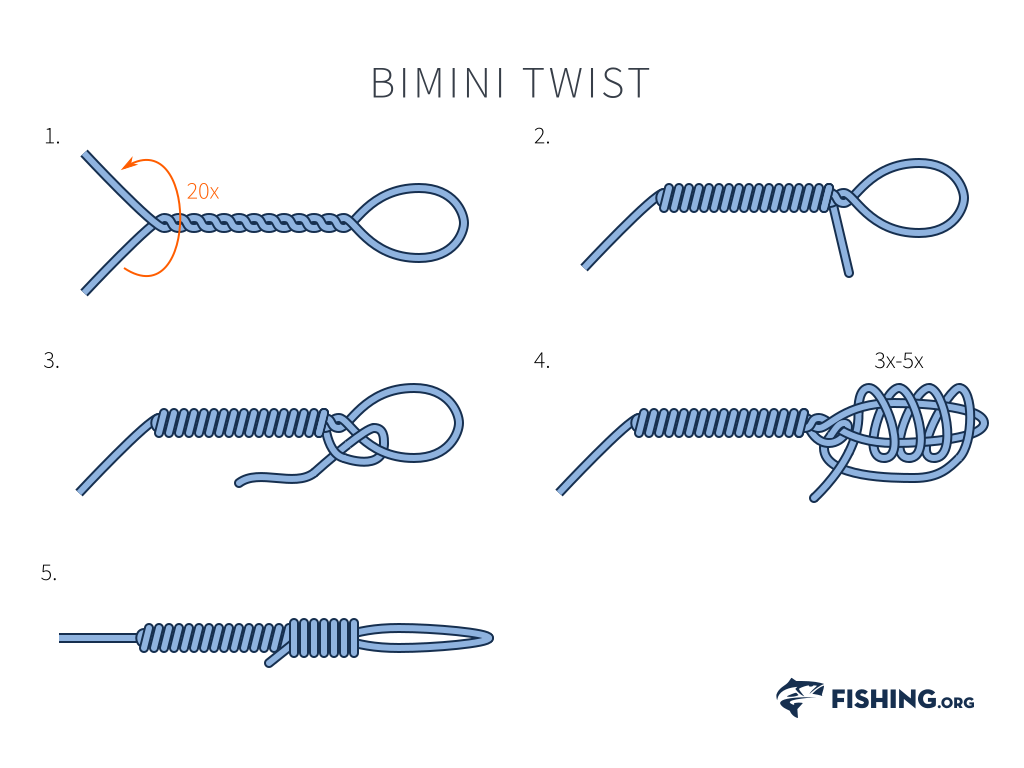
Are you tired of losing fish because your line slips or knots come undone? Knowing how to tie your fishing line to the leader properly can make all the difference on your next fishing trip.
It’s a simple skill that boosts your confidence and keeps your gear strong when it matters most. You’ll learn easy, step-by-step methods to secure your line like a pro. Keep reading, and you’ll be ready to reel in more catches with less hassle.
Choosing The Right Leader
Choosing the right leader is important for fishing success. The leader connects your fishing line to the hook or lure.
A good leader improves casting and helps catch fish without losing them.
Types Of Leaders
Leaders come in several types. Each type fits different fishing needs and water conditions.
- Monofilament leaders are clear and flexible. They work well in most situations.
- Fluorocarbon leaders are nearly invisible underwater. They resist abrasion and work well in clear water.
- Wire leaders are strong and prevent sharp teeth from cutting the line. Use them for fish with sharp teeth.
Material Considerations
Leader material affects strength and visibility. Pick material that fits the type of fish and water.
Fluorocarbon is good for clear water. Monofilament is cheaper and easier to handle. Wire lasts longer for toothy fish.
- Fluorocarbon: low visibility, high abrasion resistance
- Monofilament: flexible, good knot strength
- Wire: very strong, good for predators with teeth
Leader Length Selection
Leader length changes how your bait moves and how fish see your line. Pick length based on fishing style.
Short leaders give better control and stronger hook sets. Long leaders help keep the line invisible and protect the main line.
- Short leaders (6 to 12 inches) for casting and strong control
- Medium leaders (12 to 24 inches) for general fishing
- Long leaders (2 feet or more) for clear water and shy fish
Common Knots For Leaders
Tying a fishing line to a leader is important for strong connections. Using the right knot helps keep your line safe and secure.
Here are three popular knots to use when connecting your fishing line to a leader. Each knot works well in different situations.
Improved Clinch Knot
The Improved Clinch Knot is simple and strong. It works well with monofilament and fluorocarbon lines.
To tie it, pass the line through the leader eye, wrap it around five to seven times, then pass the end through the loop near the eye. Tighten the knot slowly to avoid slipping.
- Pass line through leader eye
- Wrap line 5–7 times around standing line
- Pass end through small loop near eye
- Pull tight slowly to secure
Palomar Knot
The Palomar Knot is very strong and easy to tie. It keeps the line’s strength intact and works well with braided line.
Double the line and pass it through the leader eye. Tie a loose overhand knot, then pass the loop over the leader. Pull tight and trim the tag end.
- Double line and pass through leader eye
- Tie loose overhand knot
- Pass loop over leader
- Tighten knot and trim tag end
Uni Knot
The Uni Knot is versatile and reliable. It works well for leaders and hooks and is easy to adjust before tightening.
Pass the line through the leader eye and make a loop. Wrap the tag end around the main line five times. Pull the tag end to tighten the knot and slide it down to the leader eye.
- Pass line through leader eye
- Create loop and wrap tag end 5 times
- Pull tag end to tighten wraps
- Slide knot to leader eye and secure
Step-by-step Knot Tying
Tying a fishing line to a leader is an important skill for every angler. A strong knot helps keep your line secure and prevents losing fish.
This guide shows you how to tie a reliable knot with simple steps. Follow along carefully for best results.
Preparing The Lines
Start by cutting the fishing line and leader to clean ends. Make sure both ends are free of frays or damage.
Lay the leader and main line side by side, overlapping about 6 inches. This overlap helps in tying the knot easily.
Executing The Knot
Begin by wrapping the tag end of the main line around the leader and itself. Make five to seven tight wraps for strength.
Next, thread the tag end back through the loops near the point where the lines overlap. Pull gently to tighten the coils.
- Overlap lines by 6 inches
- Wrap tag end 5 to 7 times around leader
- Pass tag end through loops
- Pull slowly to tighten knot
Securing And Trimming
Once the knot tightens, pull both the main line and leader to secure it firmly. Make sure the knot is snug and does not slip.
Use scissors or clippers to trim the excess tag ends close to the knot. Leave a small tail to prevent the knot from slipping.
- Pull both lines to tighten knot
- Check knot for snug fit
- Trim tag ends close to knot
- Leave small tail on tag ends

Credit: n1outdoors.com
Tips For Strong Connections
Tying a fishing line to a leader requires care to keep the connection strong. A good knot helps avoid losing fish and gear.
Use simple steps to make your knot tight and reliable. These tips will help you make strong connections every time.
Moistening The Knot
Before tightening the knot, wet it with water or saliva. This lowers friction and stops the line from weakening.
Moistening helps the knot slide smoothly and tightens evenly. It also prevents heat damage during tightening.
Applying Proper Tension
Pull the knot firmly but slowly. This makes sure the knot tightens evenly without slipping or breaking.
- Hold both ends of the line
- Pull steady and avoid jerky movements
- Stop pulling once the knot is snug
Testing The Knot Strength
After tying, test the knot by pulling hard on the line. A strong knot will not slip or come undone.
If the knot feels loose, retie it. Testing helps avoid lost fish and gear during fishing.
Troubleshooting Common Issues
Tying fishing line to a leader can be tricky. Many anglers face issues that affect their catch.
This guide helps solve common problems like slipping knots, line damage, and fitting different lines.
Slipping Knots
Knots may slip if tied incorrectly or if the line is too slick. This causes lost fish and frustration.
- Use knots designed for your line type, like the Palomar or Improved Clinch knot.
- Moisten the knot before tightening to reduce heat and damage.
- Pull the knot tight and test it by tugging firmly.
- Add extra wraps for slippery lines like fluorocarbon.
Line Damage Prevention
Damaged line breaks easily and lowers fishing success. Protect your line when tying to avoid this.
| Cause | Effect | Prevention |
| Over-tightening | Line weakens or breaks | Pull knot gently and evenly |
| Sharp leader edges | Cut or frayed line | Use smooth leaders and inspect often |
| Dry tying | Heat weakens line fibers | Always moisten line before tightening |
Adjusting For Different Line Types
Different fishing lines need different knots and care for strong connections.
Line Types and Tips:
- Monofilament:Easy to tie; use standard knots like Improved Clinch.
- Fluorocarbon:Slippery; add extra wraps and moisten well.
- Braid:Very slick; use knots like Palomar and avoid over-tightening.
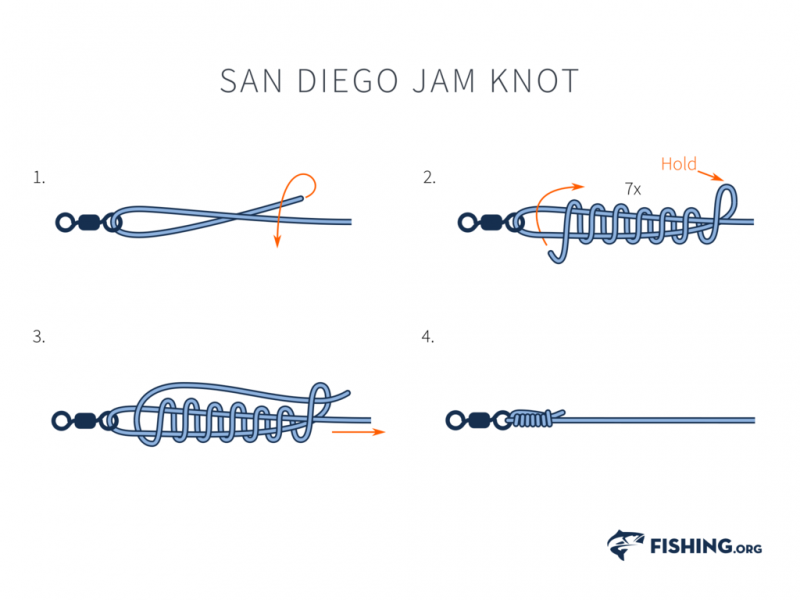
Credit: medium.com

Credit: www.youtube.com
Frequently Asked Questions
How Do You Tie Fishing Line To A Leader?
To tie fishing line to a leader, use a strong knot like the double uni or blood knot. Ensure the knot is tight and trim excess line for a neat finish. This ensures secure connection and prevents line slippage during fishing.
What Is The Best Knot For Leader Connection?
The double uni knot is best for connecting fishing line to a leader. It creates a strong, reliable link that withstands tension. This knot is easy to tie and works well with different line types and thicknesses, ensuring durability and smooth casting.
Can I Use Any Fishing Line For The Leader?
You should match the leader line to your fishing line type and strength. Fluorocarbon leaders are popular for their invisibility underwater. Monofilament leaders offer flexibility. Using the right leader improves bait presentation and reduces line visibility to fish.
How Tight Should The Knot Be Tied?
Tighten the knot firmly but avoid over-tightening, which can weaken the line. Pull the knot slowly and evenly to secure it well. A properly tightened knot prevents slipping and increases your chances of landing fish.
Conclusion
Tying your fishing line to the leader is simple with practice. Use the right knot and check the strength well. A secure knot helps catch more fish and avoids losing your catch. Remember to wet the knot before tightening to keep it strong.
Keep trying different knots until you find what works best. Fishing becomes more fun when your gear is reliable and ready. Practice often to improve your skills and confidence on the water.