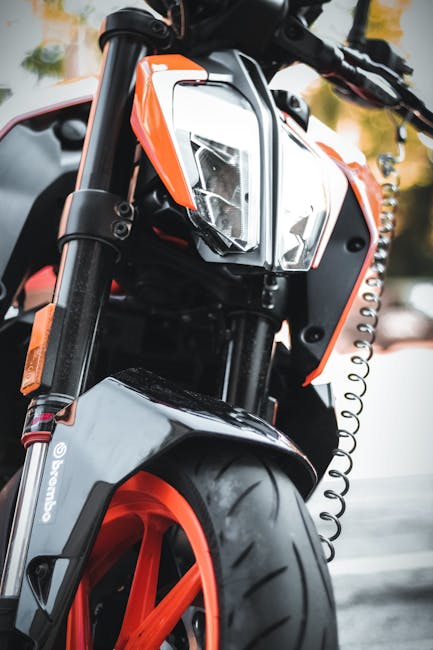
You just got a new motorcycle tire, and you’re eager to hit the road. But did you know that how you break in your tire can make a big difference in your ride’s safety and performance?
If you skip this crucial step, you risk slipping, uneven wear, or reduced grip when you need it most. In this guide, you’ll learn simple, effective ways to break in your new motorcycle tire the right way. Follow these tips, and you’ll enjoy smoother rides, better control, and longer tire life.
Keep reading—you don’t want to miss what comes next.
Importance Of Breaking In New Tires
New motorcycle tires have a slick surface and special coatings. These can reduce grip at first.
Breaking in new tires helps the rubber stick better to the road. It also improves safety and performance.
Improves Tire Grip
New tires have a smooth layer that wears off after use. This layer can make the tire slippery.
Riding gently for the first 100 miles removes this layer. This process helps the tire grip the road well.
Increases Tire Life
Breaking in tires slowly avoids sudden wear and tear. It helps the tire surface wear evenly.
Even wear means the tire lasts longer and performs better throughout its life.
Enhances Riding Safety
New tires that are not broken in can cause poor handling. This can lead to accidents or falls.
Properly broken-in tires provide better control and stability on different road surfaces.
Prevents Early Tire Damage
Riding hard on new tires can cause cuts or flat spots. These reduce tire performance quickly.
Slowly breaking in tires helps them adjust to your bike and road conditions without damage.
Signs You Need To Break In Your Tire
Breaking in a new motorcycle tire is important for safety and performance. New tires need time to settle on the road. This helps them grip better and last longer.
Recognizing the signs that your tire needs breaking in can keep you safe. It also makes your ride smoother and more controlled.
Slippery Feeling On The Road
New tires often feel slippery at first. This happens because of the factory coating and smooth rubber surface. You may notice less traction when turning or braking.
Shiny Or Glossy Tire Surface
A new tire often has a shiny or glossy look. This shows it still has the release agents from the factory. These agents reduce grip until the tire is used on the road.
Visible Tire Mold Release Hairs
New tires sometimes have small rubber hairs on their surface. These are leftover from the mold used to make the tire. They wear off after riding a short distance.
Uneven Tire Wear
Uneven tire wear can be a sign that the tire needs to be broken in. New tires need time to wear evenly across the tread for proper performance.
- Check for smooth tread wear after first rides
- Look for areas that seem more worn or less worn
- Monitor tire pressure regularly
- Ride gently during the break-in period
Changes In Handling And Stability
If your motorcycle feels unstable or handles oddly, the tires might need breaking in. New tires can feel stiff and less responsive at first. They improve after a short break-in.
| Sign | What It Means | What to Do |
| Slippery Feeling | Low grip due to coating | Ride gently for first 100 miles |
| Shiny Surface | Factory release agents present | Allow time to wear off naturally |
| Tire Hairs | New tire mold marks | No special action, they will wear off |
| Uneven Wear | Tire not fully settled | Check pressure and ride smoothly |
| Handling Issues | Tire stiffness | Break in tire with controlled riding |
Preparing For The Break-in Ride
Breaking in a new motorcycle tire is important for safety and tire life. A proper break-in helps the tire grip the road better.
Before you start your break-in ride, you need to prepare your motorcycle and gear. This ensures a smooth and safe ride.
Checking Tire Pressure
Check the tire pressure before every ride. The right pressure helps the tire perform well and wear evenly.
Use a reliable tire pressure gauge. Refer to your motorcycle manual for the correct pressure levels.
- Check pressure when tires are cold
- Adjust to the recommended PSI
- Recheck pressure after the first short ride
Inspecting Tire And Wheel
Look closely at the tire and wheel for any damage or defects. New tires can have small marks from manufacturing.
Make sure the tire is mounted correctly and the wheel spins freely without wobbling.
- Check for cuts, cracks, or bulges on the tire
- Ensure the wheel is clean and free of rust
- Verify all bolts and nuts are tight
Gathering Safety Gear
Wear proper safety gear before your break-in ride. This protects you in case of a fall or accident.
Use gear that fits well and is comfortable for riding. Safety should always be your top priority.
- Helmet with a clear visor
- Riding gloves for grip and protection
- Jacket with armor or padding
- Long pants and sturdy boots

Credit: www.michelin.com.au
Recommended Break-in Riding Techniques
Breaking in a new motorcycle tire is important for safety and performance. Proper riding techniques help the tire settle and grip the road better.
Use gentle and controlled riding during the first few hundred miles. This prevents uneven wear and improves tire life.
Gradual Acceleration And Deceleration
Start and stop your motorcycle smoothly. Avoid quick bursts of speed or sudden braking. This helps the tire surface wear evenly.
- Accelerate slowly to avoid tire slip
- Brake gently to prevent locking wheels
- Keep speed changes steady and predictable
Avoiding Hard Cornering
Do not lean too hard into turns during the break-in period. Hard cornering can cause uneven tire wear and reduce grip.
| Cornering Tip | Reason |
|---|---|
| Keep lean angle moderate | Prevents uneven tire wear |
| Use smooth steering inputs | Maintains tire contact with road |
| Slow down before turns | Reduces stress on new tires |
Maintaining Moderate Speeds
Ride at moderate speeds to help tires warm evenly. High speeds may cause uneven heat spots and damage the tire surface.
- Keep speeds within legal limits
- Avoid rapid acceleration
- Choose smooth roads for break-in rides
Duration Of The Break-in Period
Breaking in a new motorcycle tire is important for safety and tire life. The break-in period lets the tire surface settle and grip the road better.
This period usually lasts a few hundred miles. During this time, you should ride gently to avoid damage and uneven wear.
Typical Length Of The Break-in Period
Most motorcycle tires need about 300 to 500 miles for proper break-in. This distance allows the tire to shed its factory release agents.
Riding within this mileage range helps the tire rubber soften and reach its best performance level.
Factors Affecting Break-in Duration
Several factors can change how long you should break in your tires. These include tire type, road conditions, and riding style.
- Sport tires often have shorter break-in times.
- Heavy touring tires may take longer to settle.
- Rough roads can speed up or slow down the process.
- Aggressive riding during break-in can damage the tire.
Signs You Have Finished Breaking In Your Tires
| Sign | Description |
| Smoother Ride | Tire feels more stable and less slippery. |
| Improved Grip | You notice better traction in corners and wet roads. |
| Reduced Noise | Tire noise decreases as the surface evens out. |
| Visual Wear | Small nubs from manufacturing wear off. |
Common Mistakes To Avoid
Breaking in a new motorcycle tire is important for safety and performance. Avoiding common mistakes helps the tire last longer. It also improves your riding experience.
This guide highlights key errors riders make. Learn what to watch out for to keep your new tire in good shape.
Riding Too Fast Too Soon
Many riders want to test their new tires quickly. Riding fast right after mounting the tire can cause uneven wear. It also reduces the tire’s grip on the road.
New tires have a thin layer of mold release or lubricant. This layer needs time to wear off safely. Riding slowly for the first 100 miles helps remove it evenly.
- Start with gentle rides under 40 mph
- Avoid sharp turns and hard braking initially
- Gradually increase speed after 100 miles
Ignoring Tire Pressure
New tires need the correct air pressure for proper break-in. Too low or too high pressure can cause poor grip and faster wear. Check your motorcycle’s manual for the right pressure.
Check tire pressure before each ride, especially during break-in. Use a good quality pressure gauge for accuracy.
- Check pressure when tires are cold
- Adjust pressure to the recommended level
- Recheck pressure regularly in the first 100 miles
Skipping Visual Inspections
New tires can sometimes have defects or damage from shipping. Skipping visual checks can lead to unsafe rides. Look for cuts, cracks, or uneven spots before riding.
Inspect the tire again after the first few rides. Small issues can get worse if not noticed early.
- Check tire tread for any foreign objects
- Look for bulges or cracks on the sidewalls
- Inspect the tire bead area for secure fitting
Benefits Of Proper Tire Break-in
Breaking in a new motorcycle tire helps it perform well from the start. It also makes the tire last longer and keeps you safer on the road.
Taking time to break in your tire is a simple step. It improves how the tire grips the road and how your bike handles.
Enhanced Grip And Performance
New tires have a smooth surface that can feel slippery at first. Breaking them in removes this layer and helps the tire grip better.
- Improves traction on wet and dry roads
- Helps the bike respond better in turns
- Reduces the chance of slipping during sudden stops
Longer Tire Lifespan
Proper break-in helps the tire wear evenly. This prevents early damage and saves money over time.
| Break-In Period (miles) | Effect on Tire |
| 0-50 | Surface rubber softens and settles |
| 50-100 | Improved tread contact with road |
| 100+ | Optimal tire performance and durability |
Improved Safety
New tires can be unpredictable without a break-in. Taking time to adjust reduces risks during rides.
Key safety points during tire break-in:
- Ride smoothly without hard braking or sharp turns
- Avoid high speeds until the tire is ready
- Check tire pressure often during break-in

Credit: www.contimotousablog.com

Credit: www.michelin.com.au
Frequently Asked Questions
How Long Does It Take To Break In New Motorcycle Tires?
Breaking in new motorcycle tires usually takes about 100 to 200 miles. This allows the tire surface to wear off the factory release agent. Proper break-in ensures better grip and safer rides.
Why Is Breaking In Tires Important For Motorcycles?
Breaking in tires improves traction and stability. It removes the slippery coating from the tire surface. This process helps prevent accidents caused by poor grip on the road.
What Riding Style Should I Use During Tire Break-in?
Ride smoothly without hard acceleration or sharp turns during break-in. Avoid sudden braking and high speeds. Gentle riding helps the tires adapt evenly and safely.
Can I Break In Tires In Wet Conditions?
It’s best to avoid wet roads during tire break-in. Wet conditions can reduce tire grip and increase slipping risk. Wait for dry weather to ensure safe and effective break-in.
Conclusion
Breaking in a new motorcycle tire takes time and care. Ride gently at first to help the tire grip the road. Avoid sharp turns or sudden stops until the tire feels steady. Check tire pressure often to keep it safe.
Proper break-in improves tire life and your ride’s safety. Small steps make a big difference on the road. Stay patient and enjoy the smooth ride ahead.