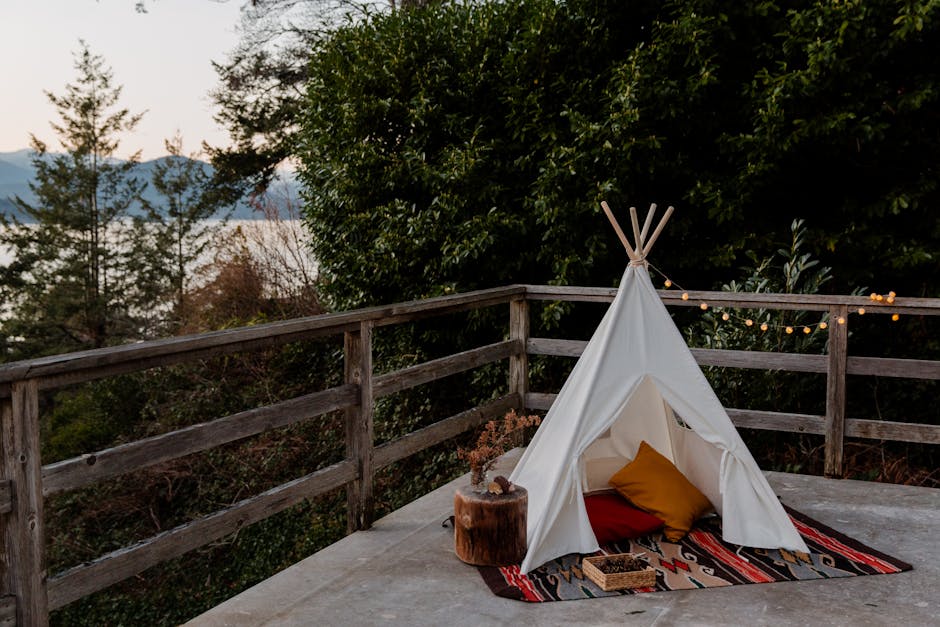
Camping in a tent can be one of the most rewarding ways to connect with nature. But let’s be honest—uncomfortable nights and restless sleep can quickly ruin the experience.
What if you could enjoy the fresh air, the crackling campfire, and the starry sky without sacrificing comfort? In this guide, you’ll discover simple tips and smart tricks to make your tent feel like a cozy retreat. Whether you’re a beginner or a seasoned camper, these ideas will help you rest better, stay dry, and wake up refreshed.
Ready to transform your camping trips? Keep reading to learn how to camp comfortably in a tent.
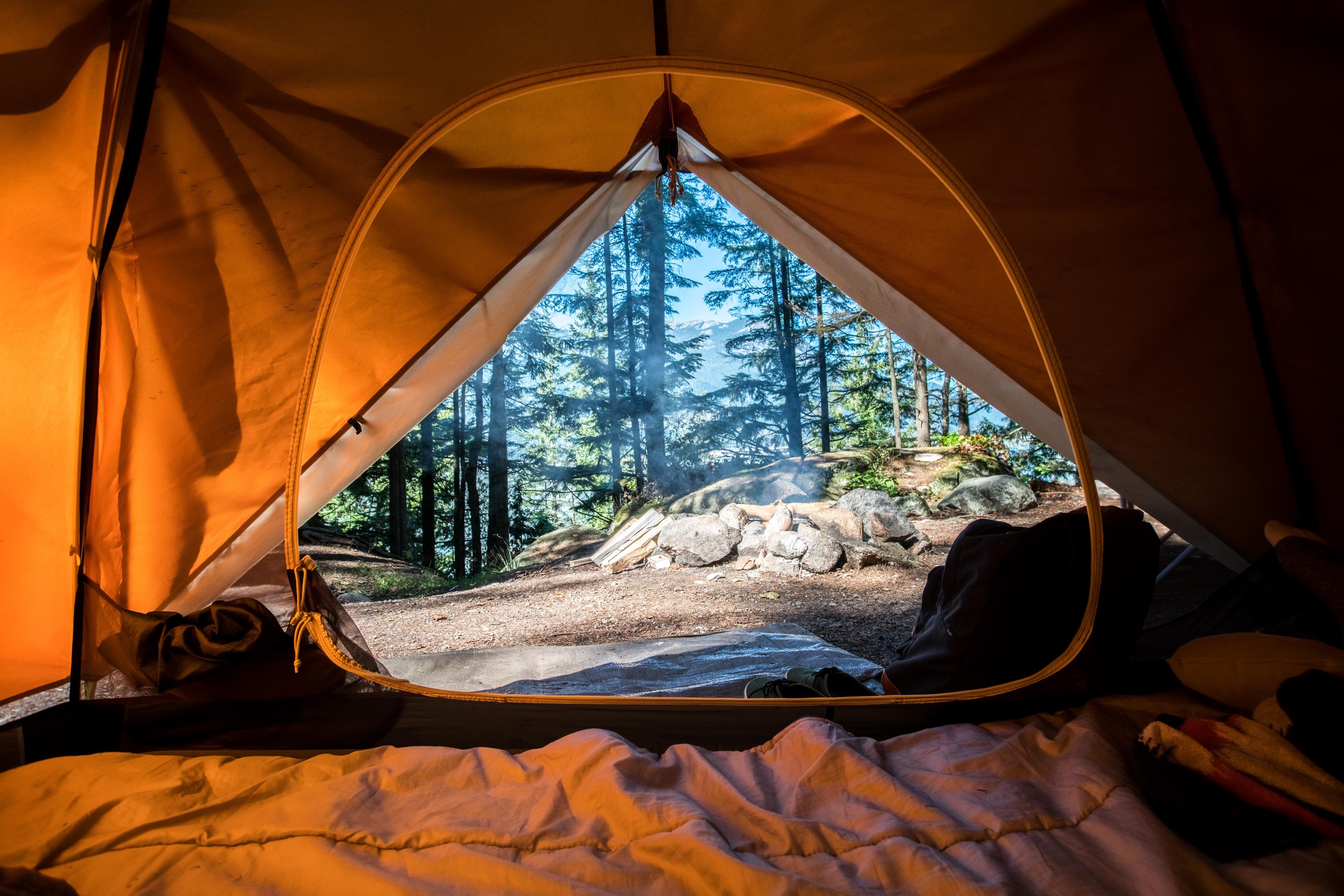
Credit: www.baysports.com.au
Choosing The Right Tent
Picking the right tent helps you camp with comfort and safety. The right tent protects you from weather and fits your needs. This guide covers key points to consider before buying a tent.
Look at the type, size, weather resistance, and material of a tent. These details help you choose a tent that works best for your trip.
Types Of Tents
Tents come in many shapes and designs. Each type suits different camping styles and conditions. Choose a tent type that fits your adventure.
- Dome Tents:Easy to set up and stable in wind.
- Cabin Tents:Tall walls for more space and comfort.
- Backpacking Tents:Lightweight and compact for carrying.
- Tunnel Tents:Good for strong winds and large groups.
- Pop-up Tents:Quick to pitch, great for casual camping.
Size And Capacity
Choose a tent size based on the number of campers and gear. A tent that is too small feels cramped. A tent that is too big is heavy and hard to carry.
| Capacity | Recommended For | Notes |
| 1-2 People | Solo campers or couples | Lightweight and small |
| 3-4 People | Small families or friends | More space for gear |
| 5-6 People | Groups or larger families | Heavier and larger footprint |
Weather Considerations
Think about the weather where you camp. Some tents handle rain, wind, or snow better than others. Look for tents with good ventilation to reduce moisture inside.
- Three-season tents work well in spring, summer, and fall.
- Four-season tents resist snow and strong wind.
- Rain flies add extra protection from rain.
- Mesh panels improve airflow but watch for bugs.
Material And Durability
Tents use different fabrics and poles. Strong materials last longer and protect you better. Consider weight too, especially for backpacking.
- Fabric:Nylon and polyester are common. Polyester resists sun damage better.
- Waterproof Coating:Look for tents with durable water repellent (DWR) finishes.
- Poles:Aluminum poles are strong and light. Fiberglass poles are cheaper but less durable.
- Seams:Sealed seams keep water out during rain.

Credit: www.treelinereview.com
Setting Up Your Tent
Setting up your tent correctly helps you camp comfortably. A well-pitched tent protects you from weather and insects.
Follow simple steps to select a good spot, pitch your tent, and secure it. Using a footprint adds extra protection.
Selecting The Campsite
Choose a flat area to avoid discomfort while sleeping. Check the ground for rocks, roots, or sharp objects.
Avoid low spots where water can collect if it rains. Look for natural wind barriers like trees or bushes.
- Pick flat, dry ground
- Clear away sharp objects
- Avoid low, wet areas
- Find natural wind protection
Pitching Techniques
Lay out your tent and stake the corners first. Make sure the tent is tight and wrinkle-free.
Use the poles to support the tent structure. Attach rain flies or covers if available to protect from rain.
- Stake all corners firmly
- Keep the tent fabric tight
- Set poles to hold shape
- Attach rain fly for weather
Securing The Tent
Drive tent stakes fully into the ground at a 45-degree angle. Use guy lines to add extra stability in windy areas.
Check all zippers and seams for proper closure. Keep tent doors zipped to keep bugs out.
- Stake tent at 45-degree angle
- Tighten guy lines for support
- Close all zippers securely
- Keep doors zipped at all times
Using A Footprint
A footprint is a groundsheet placed under your tent. It protects the tent floor from dirt and damage.
Make sure the footprint matches your tent size. It helps keep your tent dry by adding an extra barrier.
- Place footprint under tent floor
- Match footprint size with tent
- Protects tent from wear and tear
- Keeps tent floor dry
Sleeping Comfortably
Sleeping well is key to enjoying your camping trip. A good rest helps you feel fresh and ready for outdoor fun.
Comfort in a tent depends on your sleeping gear. Choose the right items to stay cozy all night.
Choosing A Sleeping Bag
Pick a sleeping bag that fits the weather and your size. Look for bags with proper insulation for cold or warm nights.
Check the temperature rating before buying. A good bag keeps you warm without feeling heavy or bulky.
- Choose synthetic fill for damp areas
- Down fill is light but less good when wet
- Get a mummy shape for better heat retention
- Use a liner to add warmth or keep the bag clean
Sleeping Pads And Air Mattresses
Sleeping pads add cushion and stop cold from the ground. They make hard surfaces soft and warm.
Air mattresses are thicker and softer but need more space. Choose one that fits your tent and car space.
- Foam pads are light and durable
- Inflatable pads offer more comfort
- Check thickness for extra softness
- Look for compact and easy-to-carry models
Pillows And Blankets
Bring a small pillow or use a stuff sack filled with clothes. A good pillow supports your neck and head.
Extra blankets can add warmth or comfort. Use them to adjust your sleeping setup to the weather.
- Choose compressible or inflatable pillows
- Pack lightweight blankets for cool nights
- Use fleece or wool for better warmth
- Layer blankets to control comfort
Temperature Control
Keep your tent warm or cool by managing airflow and insulation. Open vents for fresh air or close them to trap heat.
Dress in layers to adjust your body heat. Remove or add clothes as needed during the night.
- Use a tent with good ventilation options
- Wear moisture-wicking base layers
- Use hats or gloves to keep warm
- Ventilate to reduce dampness and condensation

Credit: www.youtube.com
Organizing The Interior
Camping in a tent can be fun and cozy with good organization. A well-arranged tent helps you find things easily.
Keeping your tent tidy makes your camping experience more comfortable and safe.
Storage Solutions
Use storage pockets and bins to keep items off the floor. This gives you more space to move around.
Hang small bags or organizers from tent loops or poles to store essentials like phones and flashlights.
- Use mesh pockets for easy visibility
- Keep heavier items near the tent walls
- Label bags to find things quickly
- Store food in sealed containers to avoid bugs
Lighting Options
Good lighting helps you see inside your tent at night. Choose lights that are bright but not too harsh.
Battery-powered lanterns or string lights work well. Avoid open flames for safety reasons.
- Use LED lanterns for longer battery life
- Clip lights to tent loops or poles
- Keep a small flashlight nearby for quick use
- Dim lights create a cozy atmosphere
Keeping It Clean
Keep your tent clean by removing dirt and debris regularly. Use a small brush or cloth for cleaning.
Store dirty shoes outside or in a separate bag to avoid mess inside the tent.
- Lay down a groundsheet under your tent
- Use a small trash bag inside the tent
- Wipe spills immediately to avoid stains
- Air out your tent daily to prevent odors
Ventilation Tips
Good airflow keeps your tent fresh and prevents moisture buildup. Open vents or windows when possible.
Use mesh panels to allow air in but keep bugs out. Avoid blocking vents with gear or bags.
- Set up your tent facing the breeze
- Open rainfly vents on dry days
- Keep zippers partially open for airflow
- Use a small fan if you have power
Camp Kitchen Setup
Setting up a camp kitchen makes cooking outside easier and more fun. It helps you stay organized and enjoy your meals.
A good camp kitchen keeps your food safe and your cooking space clean. It also saves time and effort during your trip.
Portable Stoves And Grills
Choose a stove or grill that is easy to carry and use. Small propane stoves or charcoal grills work well for camping.
Keep your stove on a flat surface and away from tents or dry leaves to stay safe. Always carry extra fuel or charcoal.
Food Storage
Store food in sealed containers or coolers to keep it fresh and safe from animals. Use ice packs to keep perishables cold.
- Use airtight containers for dry goods
- Keep meat and dairy in coolers
- Store fruit in mesh bags for ventilation
- Keep food away from your sleeping area
Cooking Utensils
Bring basic utensils like knives, spatulas, and pots. Use lightweight and durable tools for easy handling.
| Utensil | Use |
| Chef’s knife | Cutting vegetables and meat |
| Spatula | Flipping and stirring food |
| Pot | Boiling water and cooking meals |
| Cutting board | Preparing ingredients safely |
Waste Management
Keep your campsite clean by managing waste properly. Pack trash bags and separate recyclables from food waste.
- Use resealable bags for leftover food
- Carry out all trash to avoid wildlife attraction
- Use biodegradable soap for cleaning dishes
- Dispose of waste in designated areas only
Clothing And Gear
Camping in a tent can be fun and safe if you prepare well. Choosing the right clothes and gear helps you stay comfortable outdoors.
This guide covers how to dress and what gear to bring for a cozy camping experience.
Layering For Comfort
Wearing layers helps you adjust to changing weather. You can add or remove clothes to stay warm or cool.
Start with a base layer that moves sweat away from your skin. Add a middle layer for warmth. Top it with an outer layer to block wind and rain.
- Base layer: lightweight, moisture-wicking shirts and pants
- Middle layer: fleece or wool sweaters
- Outer layer: waterproof jacket or shell
Waterproof And Windproof Gear
Rain and wind can make camping uncomfortable fast. Bring gear that keeps you dry and blocks strong wind.
A good waterproof jacket and pants help a lot. Also, use a tent rainfly and ground tarp to protect your tent.
- Waterproof jacket with a hood
- Waterproof pants
- Windbreaker or shell layer
- Rainfly for your tent
- Ground tarp under your tent
Footwear Choices
Good shoes keep your feet dry and safe on rough ground. Pick shoes that match the weather and terrain.
Waterproof hiking boots protect against mud and water. Bring extra socks to keep feet fresh and dry.
- Waterproof hiking boots or shoes
- Comfortable socks, preferably wool or synthetic
- Camp shoes or sandals for relaxing
- Extra pairs of socks
Essential Accessories
Accessories help you stay comfortable and safe while camping. Pack items that protect you and make life easier.
Bring a hat to shield from sun or cold. Gloves keep hands warm. A headlamp or flashlight helps at night.
- Hat for sun or warmth
- Gloves for cold weather
- Headlamp or flashlight with extra batteries
- Insect repellent
- Sunglasses
- Reusable water bottle
Staying Safe And Dry
Camping in a tent can be fun and relaxing. Staying safe and dry helps you enjoy the trip.
Being prepared keeps you comfortable in any weather and protects you from bugs and injuries.
Weatherproofing Tips
Keep your tent dry by setting it up in a good spot. Avoid low areas where water can collect.
Use a rainfly and groundsheet to block rain and moisture. Seal all zippers and openings tightly.
- Choose a flat, elevated campsite
- Use a waterproof tent or rainfly
- Place a tarp under your tent
- Close all tent openings during rain
- Check weather forecast before camping
Insect Protection
Insects can spoil your camping experience. Protect yourself by using screens and repellents.
Keep your tent closed when not entering or leaving. Use mosquito nets if needed to stay safe.
- Apply insect repellent on skin and clothes
- Use a tent with mesh windows
- Keep food sealed to avoid attracting bugs
- Wear long sleeves and pants at dusk
- Remove standing water near camp
Emergency Gear
Bring emergency gear to handle unexpected situations. This gear helps you stay safe and find help.
Include items like a flashlight, whistle, and extra batteries. These tools are simple but important.
- Flashlight or headlamp with spare batteries
- Whistle to signal for help
- Multi-tool or knife
- Extra food and water
- Firestarter or waterproof matches
First Aid Basics
Carry a first aid kit for small injuries or sickness. Knowing basic care can prevent serious problems.
Include bandages, antiseptic wipes, and pain relievers. Learn how to use each item before your trip.
- Adhesive bandages in various sizes
- Antiseptic wipes and ointment
- Pain relievers like ibuprofen
- Tweezers and scissors
- Allergy medicine if needed
Enhancing Your Camping Experience
Camping in a tent can be fun and relaxing. Planning ahead helps you enjoy your trip more.
Simple tips can make your tent stay cozy and memorable. Let’s explore ways to improve your camping.
Entertainment Ideas
Bring games like cards or travel board games. These keep everyone busy and happy.
Use a portable speaker for music or podcasts. Choose quiet playlists to respect nature’s calm.
- Card games and travel board games
- Portable music player with headphones
- Books and journals for quiet time
- Star gazing with a simple telescope
Campfire Comfort
Bring comfortable chairs or cushions. Sitting around the fire feels better when you relax.
Use warm blankets and layers to stay cozy at night. A campfire adds heat and light.
- Foldable chairs or padded cushions
- Warm blankets and extra clothes
- Safe firewood and fire starters
- Keep a bucket of water nearby for safety
Connecting With Nature
Take walks to explore the area. Listen to birds and watch wildlife quietly.
Try simple activities like sketching plants or taking photos. It helps you enjoy the outdoors more.
- Go on nature walks or hikes
- Observe animals without disturbing them
- Draw or photograph plants and scenery
- Practice mindfulness by focusing on sounds and smells
Maintaining A Low Impact
Keep your campsite clean by picking up trash. Use reusable containers to reduce waste.
Stay on trails and avoid damaging plants. Respect wildlife and their homes.
- Pack out all trash and leftover food
- Use reusable water bottles and utensils
- Stay on marked trails and campsites
- Keep noise low to avoid disturbing animals
Frequently Asked Questions
How Do I Choose The Best Tent For Comfort Camping?
Select a tent with enough space, ventilation, and weather protection. Look for easy setup and durable materials for a comfortable camping experience.
What Gear Ensures A Comfortable Night’s Sleep In A Tent?
Use a quality sleeping pad, warm sleeping bag, and pillows. These items provide insulation, cushioning, and support for restful sleep.
How Can I Keep My Tent Organized And Clutter-free?
Use storage pockets, bins, and hooks inside the tent. Keep gear tidy and accessible to maximize space and comfort.
What Are Tips To Stay Warm Inside A Tent?
Layer clothing, use an insulated sleeping pad, and close vents at night. These steps help retain heat and keep you cozy.
Conclusion
Camping in a tent can be cozy and fun. Choose the right gear to stay warm and dry. Keep your sleeping area clean and organized. Use soft sleeping mats and warm blankets for comfort. Bring small lights to see at night.
Stay safe by checking the weather before you go. Enjoy nature and relax around your camp. With these tips, your camping trip will feel easier and nicer. Happy camping!