Have you ever wondered how a mechanical air conditioner keeps your home cool and comfortable, even on the hottest days? Understanding what a mechanical air conditioner is can help you make smarter choices for your comfort and energy use.
This simple device works behind the scenes to control temperature and humidity, making your living space just right. If you want to know how it works and why it matters for your home, keep reading—this article will clear up all the basics in a way that’s easy to grasp.
Your comfort starts here.
Mechanical Air Conditioner Basics
A mechanical air conditioner cools indoor spaces by moving heat outside. It uses mechanical parts to change warm air into cooler air. This process helps keep rooms comfortable during hot weather.
Understanding the core parts and how they work gives a clear idea of how these systems keep air cool and fresh.
Core Components
Mechanical air conditioners have several key parts. Each part plays an important role in cooling the air efficiently and safely.
- Compressor:Pressurizes refrigerant and moves it through the system.
- Condenser Coil:Releases heat from the refrigerant to the outside air.
- Evaporator Coil:Absorbs heat from indoor air, cooling it down.
- Expansion Valve:Controls the flow of refrigerant into the evaporator.
- Blower Fan:Circulates air over the evaporator and through the building.
How It Works
The cooling process uses a cycle to move heat from inside to outside. This cycle involves changing the refrigerant from gas to liquid and back again.
| Step | Action | Description |
| 1 | Compression | The compressor raises refrigerant pressure and temperature. |
| 2 | Condensation | The hot refrigerant releases heat in the condenser coil and turns to liquid. |
| 3 | Expansion | The expansion valve lowers refrigerant pressure, cooling it before it enters the evaporator. |
| 4 | Evaporation | The refrigerant absorbs heat from indoor air in the evaporator coil, turning back into gas. |
| 5 | Air Circulation | The blower fan moves cooled air into the room. |
Types Of Mechanical Air Conditioners
Mechanical air conditioners cool indoor spaces by removing heat and humidity. They use machines like compressors and fans to do this.
There are different types of mechanical air conditioners. Each type works best in certain spaces and has unique features.
Window Units
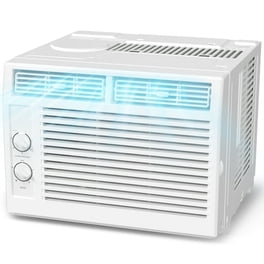
Window units are compact air conditioners installed in windows. They cool one room by blowing cold air inside.
These units are easy to install and remove. They are ideal for small spaces like bedrooms or offices.
- Single unit fits in a window frame
- Includes a fan, compressor, and evaporator
- Good for cooling single rooms
- Affordable and simple to maintain
Split Systems
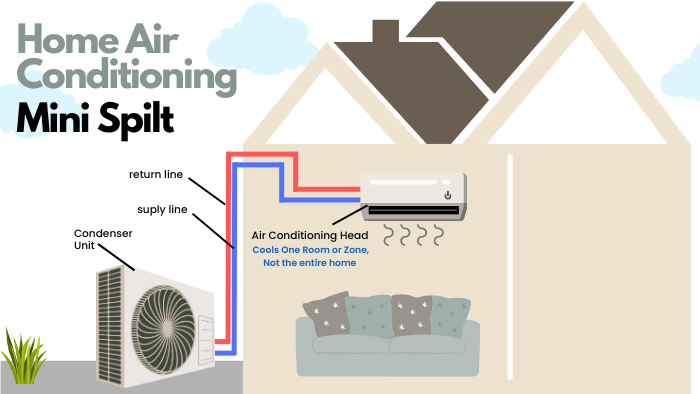
Split systems have two parts: an indoor unit and an outdoor unit. The indoor unit blows cool air inside.
The outdoor unit contains the compressor and releases heat outside. Pipes connect the two units to move refrigerant.
- Quiet operation indoors
- Can cool one or more rooms
- Easy to control temperature in each room
- More energy efficient than window units
Central Air Conditioners
Central air conditioners cool entire buildings or large homes. They use a system of ducts to deliver cool air to rooms.
The main unit is outside and contains the compressor and condenser. Air handlers inside push cool air through ducts.
- Cool many rooms at once
- Uses ducts to move air throughout the building
- Requires professional installation
- Offers consistent temperature control
Key Features To Consider
Mechanical air conditioners help cool indoor spaces by removing heat. Choosing the right one means looking at important features.
These features affect how well the air conditioner works and how much energy it uses. Understanding them helps you pick the best model.
Cooling Capacity
Cooling capacity shows how much heat an air conditioner can remove. It is usually measured in BTUs (British Thermal Units).
Choose a unit with enough capacity for your room size. Too small means it will not cool well. Too large wastes energy.
- Small rooms need 5,000 to 8,000 BTUs
- Medium rooms need 8,000 to 12,000 BTUs
- Large rooms need 12,000 BTUs or more
Energy Efficiency
Energy efficiency tells you how much power the air conditioner uses. Look for models with a high EER or SEER rating.
Efficient units save money on electricity bills. They also reduce environmental impact by using less energy.
- EER means Energy Efficiency Ratio
- SEER means Seasonal Energy Efficiency Ratio
- Higher ratings mean better efficiency
Noise Levels
Noise levels show how loud the air conditioner is when running. It is measured in decibels (dB).
Choose a quiet model if you use it in bedrooms or offices. Lower noise means better comfort.
- Below 50 dB is quiet
- 50 to 60 dB is moderate noise
- Above 60 dB can be loud

Credit: www.searshomeservices.com
Installation Process
Installing a mechanical air conditioner needs careful planning. This helps the unit work well and last longer.
The installation process involves several important steps. Each step ensures the system cools your space efficiently.
Site Preparation
Choose a good spot for the air conditioner. The place should allow air to flow easily and be close to power sources.
Clear any obstacles near the site. Make sure the surface is flat and strong enough to hold the unit.
- Remove plants or furniture blocking air flow
- Check for nearby electrical outlets
- Ensure the surface is stable and level
- Keep the area free from dust and debris
Professional Vs Diy
Some people install air conditioners themselves. This can save money but needs skill and tools.
Professionals have experience and know the rules. They install units safely and correctly.
- DIY can be cheaper but risky if not done right
- Professionals ensure proper wiring and placement
- Professional installation may include a warranty
- DIY requires careful reading of instructions
Maintenance Tips
Regular maintenance keeps your air conditioner working well. It prevents breakdowns and saves energy.
Clean or replace filters often. Check for leaks and clear any dirt around the unit.
- Clean air filters every month
- Check refrigerant levels yearly
- Clear debris from outside unit
- Schedule professional check-ups regularly
Benefits Of Mechanical Air Conditioners
Mechanical air conditioners help make indoor spaces cooler and more comfortable. They use machines to remove heat and moisture from the air.
These systems offer many benefits that improve the quality of life and save money over time.
Comfort Improvement
Mechanical air conditioners keep rooms at a steady, cool temperature. This helps reduce sweating and discomfort during hot days. They also remove humidity, which makes the air feel fresher.
Air Quality Enhancement
These systems often include filters that clean the air by trapping dust, pollen, and other particles. This helps people breathe easier and lowers the chance of allergies.
- Removes dust and dirt from the air
- Reduces allergens like pollen and pet dander
- Controls humidity to prevent mold growth
- Improves overall indoor air quality
Cost Savings
| Benefit | Explanation |
| Energy Efficiency | Modern units use less electricity, lowering bills. |
| Reduced Maintenance | Durable parts need fewer repairs and replacements. |
| Longer Equipment Life | Proper cooling prevents wear on home appliances. |
Credit: www.walmart.com
Common Issues And Troubleshooting
Mechanical air conditioners can stop working well over time. Some common problems happen often. Knowing these helps you fix them fast.
This guide shows frequent problems, quick fixes, and when to call a technician. It will help keep your air conditioner cool and running.
Frequent Problems
Many mechanical air conditioners face these common problems. They can cause poor cooling or no cooling at all.
- Dirty or clogged air filters
- Low refrigerant levels
- Frozen evaporator coils
- Faulty thermostat settings
- Drainage issues causing water leaks
- Electrical problems and blown fuses
Quick Fixes
Some problems are easy to fix at home. These fixes can save time and avoid service calls.
- Replace or clean air filters every 1-3 months
- Check thermostat settings and set to cool mode
- Clear blockages in the drain line to stop leaks
- Turn off unit to defrost frozen coils
- Reset circuit breakers if power is off
Always turn off power before doing any fixes. This keeps you safe.
When To Call A Technician
Some issues need a professional to fix them. Do not try these on your own.
- Refrigerant leaks or low refrigerant refill
- Strange noises from compressor or fan
- Electrical wiring or fuse problems
- Continuous water leaks inside the home
- Unit does not turn on after reset
- Major parts replacement or repair
Calling a technician ensures the air conditioner works safely and efficiently.
Future Trends In Mechanical Cooling
Mechanical air conditioners are changing with new technology. They will become smarter and use less energy.
These changes help reduce pollution and save money on electricity bills.
Smart Technology Integration
Smart technology lets air conditioners learn your habits. They adjust cooling to your schedule automatically.
Devices connect to Wi-Fi and smartphones for easy control. This helps keep homes comfortable without waste.
- Remote control from mobile apps
- Automatic temperature adjustments
- Energy use monitoring
Eco-friendly Refrigerants
New refrigerants cause less harm to the environment. They reduce greenhouse gas emissions from air conditioners.
Manufacturers are shifting to safer chemicals that cool well but do not damage the ozone layer.
- Low global warming potential (GWP) refrigerants
- Non-toxic and non-flammable options
- Compliance with environmental laws
Energy-saving Innovations
New designs use less electricity to cool spaces. This lowers power bills and helps the planet.
Innovations include better compressors, improved airflow, and smart sensors to save energy.
- Variable speed compressors
- Advanced heat exchangers
- Adaptive cooling based on room use

Credit: fireandairaz.com
Frequently Asked Questions
What Is A Mechanical Air Conditioner?
A mechanical air conditioner cools indoor air using a refrigeration cycle. It removes heat and moisture, improving comfort and air quality.
How Does A Mechanical Air Conditioner Work?
It compresses refrigerant gas, condenses it to liquid, then evaporates it to absorb heat, cooling the air inside the room.
What Are The Benefits Of Mechanical Air Conditioners?
They provide efficient cooling, control humidity, improve air quality, and offer consistent comfort in homes and offices.
Are Mechanical Air Conditioners Energy Efficient?
Modern mechanical air conditioners are designed to be energy efficient, reducing electricity bills while maintaining effective cooling performance.
Conclusion
Mechanical air conditioners cool the air by moving heat outside. They use simple parts like compressors and fans to work well. These systems help keep homes and offices comfortable. Understanding how they work helps you choose the right one. Regular care keeps them running smoothly and saves energy.
A mechanical air conditioner can make hot days easier to handle. It’s a practical choice for many places. Knowing this helps you stay cool all year round.