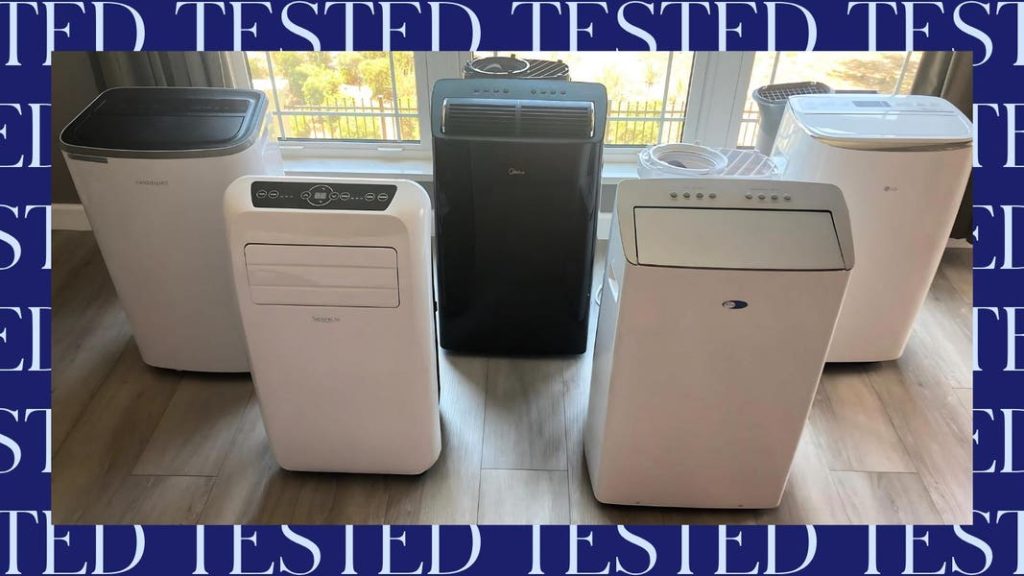
Are you tired of high electricity bills every summer? You might be wondering if a portable air conditioner could help you save money while keeping your space cool.
Choosing the right cooling option can make a big difference, not just for your comfort but also for your wallet. You’ll discover how portable air conditioners work, their cost-saving potential, and whether they are the smart choice for your home or office.
Keep reading to find out if this cooling solution is truly worth your investment.
How Portable Acs Work
Portable air conditioners cool a room by moving warm air outside. They use a hose to release heat. This helps lower the room temperature.
These units are easy to move from one room to another. They do not need permanent installation like window units.
Basic Cooling Process
Portable ACs work like a refrigerator. They pull warm air inside and cool it with a refrigerant.
The cooled air is sent back into the room. The heat taken from the air is moved outside through the exhaust hose.
Key Parts Of A Portable Air Conditioner
- Compressor: Pressurizes the refrigerant to release heat
- Evaporator coil: Cools the air by absorbing heat
- Condenser coil: Releases heat outside through the hose
- Exhaust hose: Removes hot air from the room
- Fan: Moves air through the unit and room
Single Hose Vs. Dual Hose Systems
| Type | How It Works | Pros | Cons |
| Single Hose | Uses one hose to expel hot air | Less expensive, simple design | May reduce room pressure, less efficient |
| Dual Hose | Uses two hoses; one pulls air in, one expels hot air | More efficient, better cooling | Usually more expensive, larger size |
Ventilation Needs
Portable ACs need proper ventilation. The exhaust hose must go outside a window or vent.
Improper ventilation can cause the unit to work harder. This raises electricity use and costs.

Credit: www.cnet.com
Cost Comparison With Other Acs
Portable air conditioners offer a unique option for cooling your space. Comparing their costs with other air conditioners helps you understand their value. This guide looks at the main cost areas.
We focus on the initial price, installation fees, and upkeep costs. These factors affect your overall spending on cooling solutions.
Initial Purchase Price
Portable AC units usually cost less upfront than central or window ACs. You pay for convenience and mobility in one price.
- Portable ACs range from $250 to $600.
- Window units cost around $150 to $400.
- Central AC systems start near $3,000.
Installation Expenses
Installation varies greatly between types. Portable ACs need no professional help. Other ACs often require expert setup.
| AC Type | Installation Cost |
| Portable AC | $0 – do it yourself |
| Window AC | $50 – $150 (optional labor) |
| Central AC | $1,500 – $3,000 (professional) |
Maintenance Costs
Keeping your AC running can add up over time. Portable units usually have simpler care needs.
- Regular cleaning of filters is essential for all ACs.
- Portable ACs may need less frequent servicing.
- Central systems require yearly professional checks.
- Window ACs fall in between, with occasional servicing.
Energy Efficiency Factors
Portable air conditioners can be a good option for cooling small spaces. Their energy efficiency depends on several factors. Understanding these helps you save money on electricity bills.
We will look at power consumption, cooling capacity, and usage patterns. Each plays a key role in how much energy a portable AC uses.
Power Consumption
Power consumption tells how much electricity the unit uses. Portable ACs usually use less power than central air conditioners. Still, the exact amount varies by model and size.
| Model Type | Power Use (Watts) |
| Small Portable AC | 800 – 1,000 |
| Medium Portable AC | 1,000 – 1,400 |
| Large Portable AC | 1,400 – 2,000 |
Cooling Capacity
Cooling capacity measures how much heat the AC can remove. It is usually shown in BTUs. Higher BTUs mean the unit cools larger rooms but uses more power.
- Choose BTUs that match your room size.
- Too low BTUs means the AC works harder and costs more.
- Too high BTUs can waste energy by cooling too fast.
Usage Patterns
How you use the portable AC affects energy costs. Running the AC only when needed saves power. Also, setting the temperature higher lowers electricity use.
- Turn off the AC when you leave the room.
- Use a timer to control running hours.
- Keep doors and windows closed to keep cool air inside.
- Regularly clean filters for better efficiency.

Credit: nymag.com
Situations Where Portable Acs Save Money
Portable air conditioners can be a cost-effective cooling option in certain situations. They save money by using less energy and avoiding expensive installations.
Understanding when portable ACs save money helps you choose the right cooling solution for your needs.
Small Spaces
Portable ACs are ideal for small rooms like bedrooms or offices. They cool the space quickly without using much electricity.
- Use less power than central air units
- Do not require ductwork installation
- Can be moved to different rooms as needed
- Lower upfront cost than window units for small windows
Temporary Cooling Needs
Portable ACs save money when you need cooling only for a short time. Renting or buying a portable unit is cheaper than installing a permanent system.
| Situation | Why Portable AC Saves Money |
| Seasonal Use | No full system installation cost |
| Events or Gatherings | Rent instead of buying large units |
| Temporary Homes | Avoid permanent modifications |
No Ductwork Homes
Homes without existing ductwork can save money using portable ACs. Installing ducts can be expensive and invasive.
Benefits include:
- No need for costly duct installation
- Easy setup with just a window for venting
- Lower maintenance costs compared to central systems
Limitations Affecting Savings
Portable air conditioners offer a quick cooling solution. They are easy to move and install. But they come with some limits that affect how much money you can save.
Knowing these limits helps you choose the best cooling option. It also shows why portable ACs might cost more in energy and comfort.
Higher Energy Use Compared To Central Ac
Portable air conditioners often use more electricity than central AC units. This is because they cool smaller areas less efficiently. They need to work harder to keep rooms cool.
| Cooling Method | Energy Use (kWh) | Area Covered (sq. ft.) |
|---|---|---|
| Portable Air Conditioner | 1.5 | 250 |
| Central Air Conditioner | 3.5 | 1500 |
Noise Levels Impacting Comfort
Portable ACs tend to be noisier than central systems. The sound can affect your comfort and focus. This is important for bedrooms and workspaces.
- Portable AC noise ranges from 50 to 60 decibels.
- Central AC systems usually run below 50 decibels.
- High noise can disturb sleep and reduce productivity.
Ventilation Requirements
Portable air conditioners need proper ventilation to work well. They use a hose to push hot air outside. Without good ventilation, they lose cooling power.
Key ventilation tips:
- Place the exhaust hose near a window or door.
- Seal gaps around the hose to prevent hot air re-entry.
- Ensure the hose is not kinked or blocked.
- Use window kits designed for your portable AC model.
Tips To Maximize Savings
Portable air conditioners can help save money on cooling costs. Using them smartly makes your savings bigger.
These tips show how to use portable air conditioners to lower your electricity bills.
Proper Placement
Place your portable air conditioner in a room corner near a window. This helps vent hot air outside easily.
Avoid placing the unit near heat sources or direct sunlight. This reduces its cooling efficiency and uses more power.
- Keep the exhaust hose straight and short
- Seal gaps around the window vent
- Use curtains or blinds to block sunlight
Regular Maintenance
Clean or replace the air filter every two weeks. A clean filter helps the unit work better and use less energy.
Check for dust and dirt buildup on vents and coils. Clean them gently to keep airflow smooth.
- Turn off and unplug before cleaning
- Use a soft brush or cloth for cleaning
- Inspect the exhaust hose for leaks
Using Timers And Thermostats
Set timers to run the air conditioner only when you need it. This stops it from running all day and wasting power.
Use the thermostat to keep the room at a steady, comfortable temperature. Avoid setting it too low.
- Set timers to turn off when you leave
- Choose a temperature around 75-78°F (24-26°C)
- Use energy-saving mode if available
Credit: www.hotbot.com
Frequently Asked Questions
Do Portable Air Conditioners Reduce Electricity Bills?
Portable air conditioners can lower electricity bills if used in small spaces. They cool specific rooms, avoiding whole-house energy costs. Proper insulation and usage timing also impact savings. However, efficiency varies by model and usage habits.
Are Portable Air Conditioners Cheaper Than Central Ac?
Portable air conditioners usually cost less upfront than central AC systems. Installation is easier and cheaper, requiring no ductwork. However, they may be less efficient for cooling large areas, affecting long-term savings.
How Do Portable Ac Units Save Money On Cooling?
Portable AC units save money by cooling only occupied rooms. This targeted cooling uses less energy compared to whole-house systems. Using energy-saving settings and maintaining the unit improves efficiency and reduces costs.
Can Portable Air Conditioners Replace Window Units For Cost-saving?
Portable ACs can replace window units and sometimes save money. They offer flexibility without window installation. However, window units are often more energy-efficient, so savings depend on usage and model efficiency.
Conclusion
Portable air conditioners can help save money in many cases. They use less energy than central systems. You can cool only one room at a time. This reduces electricity bills. They are easy to move and install. Maintenance costs are usually low.
Still, results depend on your usage and space size. Choosing the right model matters a lot. Small spaces benefit the most from them. Think about your needs before buying. Portable ACs offer a flexible and cost-friendly cooling option.