Are you tired of dealing with tangled, old fishing line that ruins your fishing trips? Knowing how to respool a fishing line can save you time, money, and frustration.
Whether your line is worn out or you want to switch to a different type, learning this simple skill puts you in control of your gear. In this guide, you’ll discover easy steps to respool your fishing reel quickly and correctly.
Keep reading, and you’ll be ready to cast with confidence on your next fishing adventure.

Credit: www.youtube.com
Choosing The Right Line
Choosing the right fishing line is key to a good fishing experience. The type and strength of the line affect how well you catch fish.
This guide explains how to pick the best line for your fishing needs. You will learn about line types, strength, diameter, and matching the line to your reel.
Types Of Fishing Lines
Fishing lines come in several types. Each has its own use and features. Knowing these helps you choose the best line.
- Monofilament:This is a single strand of nylon. It is stretchy and easy to handle.
- Fluorocarbon:This line is less visible in water. It sinks faster and is more abrasion-resistant.
- Braid:Made of many fibers woven together. It is very strong and has no stretch.
Line Strength And Diameter
Line strength shows how much weight the line can hold before breaking. Diameter affects how the line moves in water.
| Line Type | Strength Range (lbs) | Diameter Range (inches) |
|---|---|---|
| Monofilament | 2 – 30 | 0.006 – 0.035 |
| Fluorocarbon | 4 – 40 | 0.005 – 0.030 |
| Braid | 10 – 80 | 0.005 – 0.020 |
Matching Line To Reel
Your reel has limits on the line it can hold. Picking the right line size helps it work well. Check your reel’s specifications before buying line.
- Look for the reel’s recommended line strength and length.
- Choose a line diameter that fits the reel spool size.
- Use lighter lines for small reels and heavier lines for big reels.
- Match line type to the fishing style and water conditions.
Preparing Your Reel
Before you respool your fishing line, it is important to prepare the reel properly. This helps avoid tangles and ensures smooth casting.
Proper preparation includes removing the old line, cleaning the spool, and inspecting the reel parts. Each step makes your reel ready for new line.
Removing Old Line
Remove all old fishing line from the spool. This prevents knots and line breakage later. Cut the line near the spool and pull it off carefully.
- Unlock or open the reel cover if needed.
- Cut the line close to the spool using scissors or a line cutter.
- Pull the remaining line off the spool slowly.
- Dispose of the old line properly.
Cleaning The Spool
Clean the spool before adding new line. Dirt and debris can cause line damage and poor casting.
| Cleaning Step | Tools Needed | Purpose |
| Wipe spool surface | Soft cloth | Remove dust and dirt |
| Remove grease or old oil | Rubbing alcohol, cotton swab | Prevent line sticking |
| Dry spool completely | Dry cloth | Avoid moisture build-up |
Inspecting Reel Components
Check all reel parts for damage or wear. This keeps the reel working well and prevents line problems.
- Cracks or dents on the spool
- Loose or missing screws
- Corrosion on metal parts
- Worn or damaged bail arm
Setting Up For Respooling
Respooling a fishing line is an important task to keep your gear working well. It takes some care and the right steps to do it right.
Before you start, prepare your reel and line. Follow simple steps to set up for a smooth respooling process.
Securing The Reel
Make sure your reel is stable before adding new line. You can use a reel stand or clamp it to a table. This stops the reel from moving while you work.
- Place the reel on a flat surface or reel holder
- Lock the reel handle if possible
- Check that the reel does not wobble
- Keep the reel facing you for better control
Attaching The New Line
Attach the new fishing line to the reel spool carefully. Use a strong knot to keep the line in place. This prevents the line from slipping during use.
| Knot Type | Description | Ease of Tying |
|---|---|---|
| Arbor Knot | Simple and strong for attaching line to spool | Easy |
| Uni Knot | Secure and good for braided lines | Moderate |
| Improved Clinch Knot | Commonly used for hooks, works well here too | Easy |
Maintaining Proper Tension
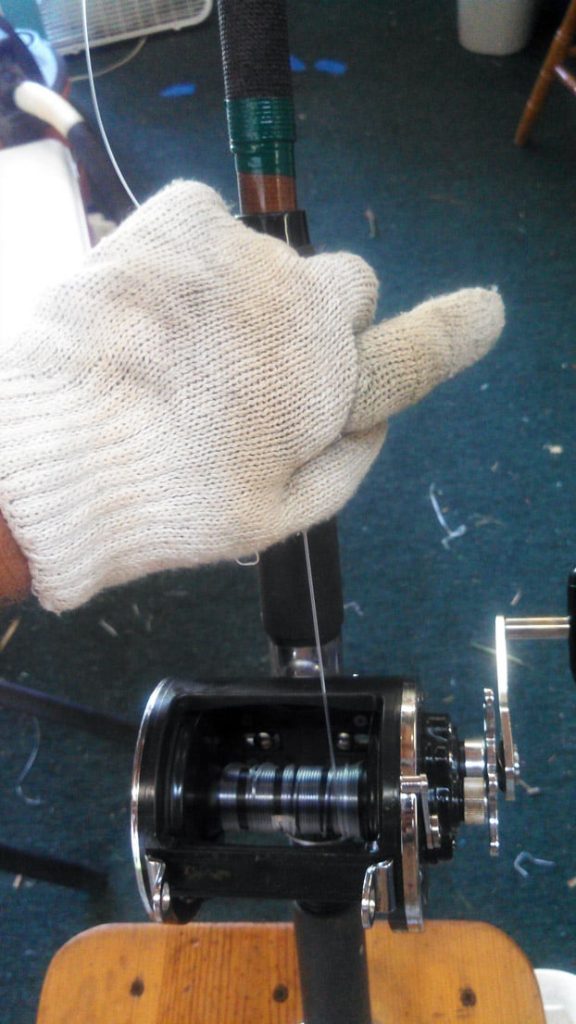
Keep the right tension on the line as you spool it. This stops twists and tangles. Use your fingers or a cloth to hold the line tight.
- Hold the line with moderate pressure
- Let the reel pull the line evenly
- Check for loose loops or slack often
- Stop if the line feels too tight or too loose
Techniques For Spooling
Spooling fishing line properly helps you fish better. It keeps the line tight and ready to cast. This guide explains easy ways to spool your line.
We will cover manual spooling, using a spooling station, and how to avoid line twist. Each method has simple steps you can follow.
Manual Spooling Method
Manual spooling works well if you do not have special tools. You only need the fishing reel, line spool, and your hands.
- Attach the line to the reel spool with a knot.
- Hold the line spool tightly so it does not spin freely.
- Turn the reel handle slowly to wind the line evenly.
- Keep tension on the line with your fingers as you spool.
- Fill the spool until it is about 1/8 inch from the edge.
Using A Spooling Station
A spooling station holds your reel and line spool steady. It makes spooling easier and keeps line tension consistent.
- Place the reel on the spooling station securely.
- Mount the line spool so it can spin freely.
- Thread the line through the reel’s guides and tie it to the spool.
- Turn the reel handle slowly while the spool spins on the station.
- Keep the line tight with your hand or a tension knob.
Avoiding Line Twist
Line twist causes tangles and weak spots. Avoid it by following these tips.
| Cause | How to Prevent |
| Spooling line without tension | Keep steady tension on the line while spooling |
| Line spinning off the spool | Hold the line spool firmly or use a spooling station |
| Using the wrong reel type | Match line type to reel type (e.g., braid on spinning reels) |
| Reeling against the natural twist | Check line direction and reel accordingly |
Finishing Touches
After respooling your fishing line, some final steps help ensure your setup works well. These finishing touches improve your fishing experience and avoid problems.
Follow these simple checks to make sure your fishing line is ready for use.
Trimming Excess Line
Cut off any extra fishing line left after tying the knot. Too much line can cause tangles and casting issues.
Use sharp scissors or line cutters for a clean cut. Leave about 1/8 inch to prevent the knot from slipping.
- Trim excess line close to the knot
- Leave a small tail for knot security
- Avoid long loose ends that tangle easily
Checking Line Alignment
Make sure the line spools evenly on the reel. Uneven line can cause tangles and reduce casting distance.
Look for line piled up on one side or loose loops. Adjust the spool or line tension to fix any problems.
- Check if line sits flat and tight on spool
- Adjust reel drag or spool tension if needed
- Rewind line to fix uneven spots
Testing The Setup
Before fishing, test your reel and line setup. This helps find any issues early.
Cast a few times and watch how the line moves. Check the drag system and knot strength.
- Make short test casts to check line flow
- Pull line to test drag resistance
- Inspect knots for slippage or weakness

Credit: www.youtube.com
Common Mistakes To Avoid
Respooling a fishing line is simple if done right. Many anglers make errors that reduce fishing success. Avoiding these mistakes helps keep your gear working well.
This guide covers key errors like overfilling the spool, not keeping the right tension, and using damaged line. Learn what to watch out for to spool your line properly.
Overfilling The Spool
Putting too much line on the spool causes problems. It can spill over the edges and tangle easily. Overfilling also makes casting less smooth.
- Fill the spool to about 1/8 inch below the rim.
- Check the spool size and line capacity before starting.
- Leave some space to avoid line rubbing on the reel’s edges.
Insufficient Tension
Not keeping enough tension on the line while respooling causes loose coils. Loose coils lead to tangles and knots during fishing. Tension is key for neat winding.
| Tension Tips | Why It Matters |
|---|---|
| Use a cloth or glove to hold line tight | Prevents slack while winding |
| Keep steady speed on the reel handle | Ensures even line distribution |
| Check tension often as spool fills | Avoids loose loops forming |
Using Damaged Line
Old or damaged line weakens your setup. It can snap easily and lose strength. Always inspect your line before respooling to avoid breaks on the water.
- Look for cracks, frays, or discoloration.
- Discard line that feels rough or brittle.
- Use fresh line to improve casting and strength.
Maintenance Tips For Longevity
Keeping your fishing gear in good shape helps it last longer. Respooling your fishing line is part of regular care.
These tips focus on how to keep your line and reel working well over time.
Regular Line Replacement
Fishing line gets weak with use and sun exposure. Change it often to avoid breakage.
Replace the line at least once a season or after heavy use.
- Check for nicks and frays before each trip
- Remove old line before adding new
- Use the right line for your fishing style
Cleaning And Lubricating Reel
Dirt and salt can harm your reel. Clean it carefully after fishing.
Lubricate moving parts to keep the reel smooth and prevent rust.
- Rinse reel with fresh water, then dry
- Use reel oil on gears and handles
- Avoid over-lubricating to prevent dirt buildup
Proper Storage Practices
Store your fishing line and reel in a dry, cool place. Avoid direct sunlight.
Keep your gear away from heat and moisture to prevent damage.
- Loosen the drag on the reel before storage
- Store reels in a padded case if possible
- Keep line away from chemicals or sharp objects

Credit: fishingkayakpro.com
Frequently Asked Questions
How Often Should I Respool My Fishing Line?
Respool your fishing line every 6 to 12 months or after heavy use. Regular respooling prevents line wear and tangles. This ensures better casting and reduces breakage during fishing.
What Type Of Line Is Best For Respooling?
Choose a line that matches your fishing style and reel type. Monofilament is versatile, braided lines offer strength, and fluorocarbon provides low visibility. Always consider water conditions and target species.
Can I Respool Fishing Line Without A Spooler?
Yes, you can respool by hand or using a makeshift spooler. Secure the new line spool and wind carefully onto the reel. Keep tension consistent to avoid loose loops.
How Do I Prevent Line Twists While Respooling?
Maintain steady tension and wind the line smoothly onto the reel. Avoid overfilling the spool and periodically check for twists. Using a swivel can also reduce line twisting.
Conclusion
Respooling a fishing line keeps your gear ready and strong. It takes just a few simple steps to do it right. Use clean, fresh line and avoid tangles for smooth casting. Regularly check your spool for damage or dirt. A well-maintained line helps catch more fish and lasts longer.
Practice this skill to enjoy fishing without interruptions. Stay patient and careful while respooling. Your fishing trips will be more fun and successful. Keep your line tight and your rod steady. Fishing is easier with good preparation.