Are you wondering how long it takes for your air conditioner to cool your entire house? You’re not alone.
When the heat is on, waiting too long for your home to feel comfortable can be frustrating. Understanding the factors that affect cooling time can help you set the right expectations and make your AC work better for you. You’ll discover the key reasons why your house might be cooling slowly and simple tips to speed up the process.
Keep reading to learn how to get your home feeling cool and fresh faster than you think.

Credit: aquariushomeservices.com
Factors Affecting Cooling Time
Cooling a house with an air conditioner takes time. Several factors decide how fast the air conditioner works. Knowing these helps you set the right expectations.
Understanding these factors can also help improve your system’s efficiency. Let’s look at the main things that affect cooling time.
House Size And Layout
Bigger houses need more time to cool down. Open layouts allow air to flow better, which can help cool rooms faster. Rooms with many walls or closed doors may take longer to cool.
Outdoor Temperature
Hotter outdoor temperatures make it harder for the air conditioner to cool your home. The system works harder and runs longer on very hot days. Cooler outside air helps reduce the cooling time.
Air Conditioner Capacity
The size of the air conditioner matters. A unit that is too small for your house will take longer to cool it. A properly sized unit cools the space quickly and efficiently.
- Small unit: Longer cooling time, higher energy use
- Right size: Faster cooling, balanced energy use
- Too large: Short cycles, uneven cooling
Insulation And Sealing
Good insulation keeps cool air inside and hot air outside. Leaks or poor sealing let warm air enter, increasing cooling time. Proper insulation reduces the workload on your air conditioner.
| Insulation Quality | Effect on Cooling Time |
| High | Short cooling time |
| Medium | Moderate cooling time |
| Low or none | Long cooling time |
Thermostat Settings
Setting the thermostat too low makes the air conditioner run longer. A moderate setting cools the house in a balanced time. Using programmable thermostats can help manage cooling more efficiently.
Typical Cooling Time Ranges
Knowing how long an air conditioner takes to cool your house helps you plan comfort. Cooling time depends on room size and AC power.
We will look at typical cooling times for small rooms, medium-sized homes, and large houses.
Small Rooms
Small rooms usually cool faster because they have less space. An air conditioner can lower the temperature in about 10 to 20 minutes.
Windows and insulation quality also affect cooling speed in small rooms.
- Area: Under 150 square feet
- Cooling time: 10 to 20 minutes
- Best for small bedrooms or offices
Medium-sized Homes
Medium homes need more cooling power and take longer to cool. Expect 20 to 45 minutes for a good temperature drop.
Room layout and how many AC units you have can change this time.
- Area: 150 to 1,000 square feet
- Cooling time: 20 to 45 minutes
- Includes living rooms and small apartments
Large Houses
Large houses take the longest to cool due to many rooms and space. It can take 45 minutes to over an hour.
Multiple AC units or central air systems help cool faster in big homes.
- Area: Over 1,000 square feet
- Cooling time: 45 minutes to 1 hour or more
- Central AC often needed for fast cooling
Tips To Speed Up Cooling
Air conditioners take time to cool a whole house. You can try some tricks to help it cool faster.
These tips make your home feel cooler sooner and keep the AC working well.
Use Fans For Air Circulation
Fans help spread cool air from the AC throughout your rooms. They move air better than the AC alone.
- Place ceiling fans on low or medium speed to push cool air down.
- Use portable fans near doors or windows to move air between rooms.
- Turn fans off when you leave a room to save energy.
Close Curtains And Blinds
Sunlight heats your home and makes the AC work harder. Closing curtains or blinds blocks heat from entering.
| Time of Day | Window Covering Advice |
|---|---|
| Morning | Close curtains on east-facing windows |
| Afternoon | Close blinds on south and west windows |
| Evening | Open curtains if outside is cooler |
Avoid Heat-generating Activities
Some tasks add heat inside your home. Limit these activities while the AC is cooling.
- Cook meals on the grill or microwave instead of the oven.
- Run dishwashers and laundry machines at night.
- Turn off lights and electronics when not in use.
Regular Ac Maintenance
Clean and check your AC often. A well-maintained unit cools faster and uses less energy.
- Replace or clean air filters every 1-3 months.
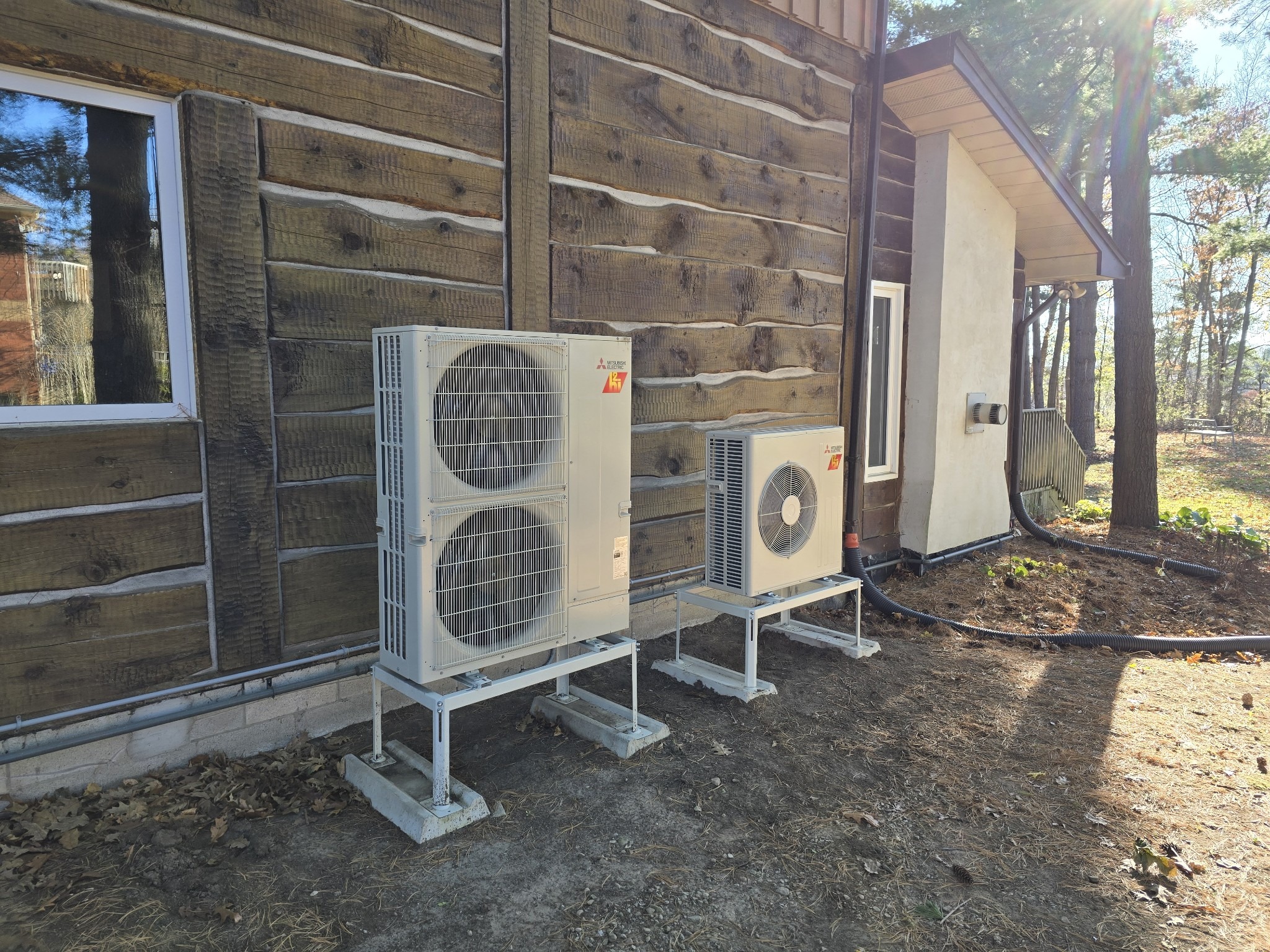
- Clear debris from outside AC units.
- Schedule yearly professional inspections.
Credit: bryansfuel.on.ca
When Cooling Takes Too Long
An air conditioner should cool your house quickly on hot days. If it takes too long, there may be a problem. Understanding common issues can help you fix the cooling delay.
Knowing when to call a professional can save you time and money. Some problems need expert care to keep your AC running well.
Common Problems
Several issues can cause your air conditioner to cool slowly. Some are easy to check, while others need tools or skills.
- Dirty air filters block airflow and reduce cooling.
- Low refrigerant levels lower the system’s efficiency.
- Blocked or dirty condenser coils stop heat from leaving your home.
- Faulty thermostat settings can cause poor temperature control.
- Leaking ducts waste cooled air before it reaches rooms.
When To Call A Professional
Some AC problems require trained technicians. Use this table to decide when to get expert help.
| Problem | Signs | Action |
| Refrigerant Leak | AC runs but air is warm | Call a professional to check and refill refrigerant |
| Electrical Issues | AC won’t start or stops suddenly | Get a technician to inspect wiring and controls |
| Compressor Failure | Strange noises or no cooling | Professional repair or replacement needed |
| Major Duct Damage | Rooms stay hot despite running AC | Hire an expert to inspect and fix ducts |
Energy Efficiency And Cooling Time
Air conditioners cool houses by removing heat from inside. The time it takes depends on many factors. Energy efficiency affects how fast your home cools and how much power you use.
Using your air conditioner wisely can save energy and reduce cooling time. Choosing the right settings and equipment helps keep your home comfortable.
Energy-saving Settings
Set your thermostat to a comfortable temperature, not too low. Keeping it around 24°C (75°F) balances comfort and energy use. Use the fan mode to circulate air without extra cooling.
Use timers or programmable thermostats to run the air conditioner only when needed. Close windows and doors to keep cool air inside. These steps reduce cooling time and save energy.
- Set thermostat to 24°C (75°F)
- Use fan mode to circulate air
- Close windows and doors tightly
- Use timers or programmable settings
Upgrading To Efficient Models
Newer air conditioners use less energy to cool faster. Look for units with a high SEER rating. These models use advanced technology to reduce power use.
Efficient models cool your home quickly and keep energy bills lower. Even if the initial cost is higher, the savings add up over time. This upgrade improves comfort and saves money.
- Choose units with high SEER rating
- Consider inverter technology models
- Look for Energy Star certified units
- Upgrade old or inefficient air conditioners
Credit: lifetimeheating.com
Frequently Asked Questions
How Long Does An Air Conditioner Take To Cool A House?
An air conditioner typically takes 15 to 30 minutes to cool a house. The exact time depends on house size, insulation, and outside temperature. Proper maintenance and a correctly sized unit improve cooling speed.
What Factors Affect Ac Cooling Time?
AC cooling time varies due to house size, insulation quality, outdoor temperature, and unit capacity. Airflow, window coverings, and thermostat settings also impact how quickly a home cools.
Can A Poorly Maintained Ac Slow Cooling?
Yes, a poorly maintained AC can slow cooling. Dirty filters, low refrigerant, and clogged coils reduce efficiency. Regular maintenance ensures faster and more effective cooling.
How Does House Size Influence Ac Cooling Speed?
Larger houses take longer to cool because there’s more air volume. Smaller homes cool faster with the same AC unit. Properly sized units optimize cooling time.
Conclusion
Cooling a house with an air conditioner takes time. Many factors affect how fast your home cools down. Room size, outside temperature, and AC power all matter. Keeping doors and windows closed helps the cold air stay inside. Regular maintenance keeps your AC working well.
Be patient; it usually takes 15 to 30 minutes to feel cooler. Small steps can make a big difference in comfort. Stay cool and enjoy your refreshed home.