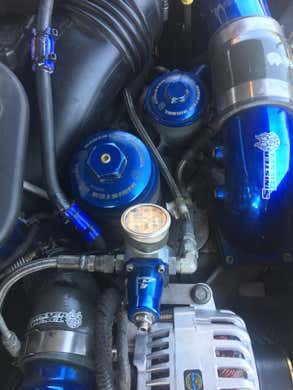
If you own a 6.0 Powerstroke, you know how important your fuel system is for smooth performance. But what happens when air gets trapped inside?
Your engine can hesitate, stall, or lose power. That’s where bleeding the fuel system comes in. In this guide, you’ll learn simple, step-by-step instructions to get your fuel flowing perfectly again. No confusing jargon or extra tools needed—just clear, easy tips that anyone can follow.
Keep reading, and you’ll have your Powerstroke running strong in no time.
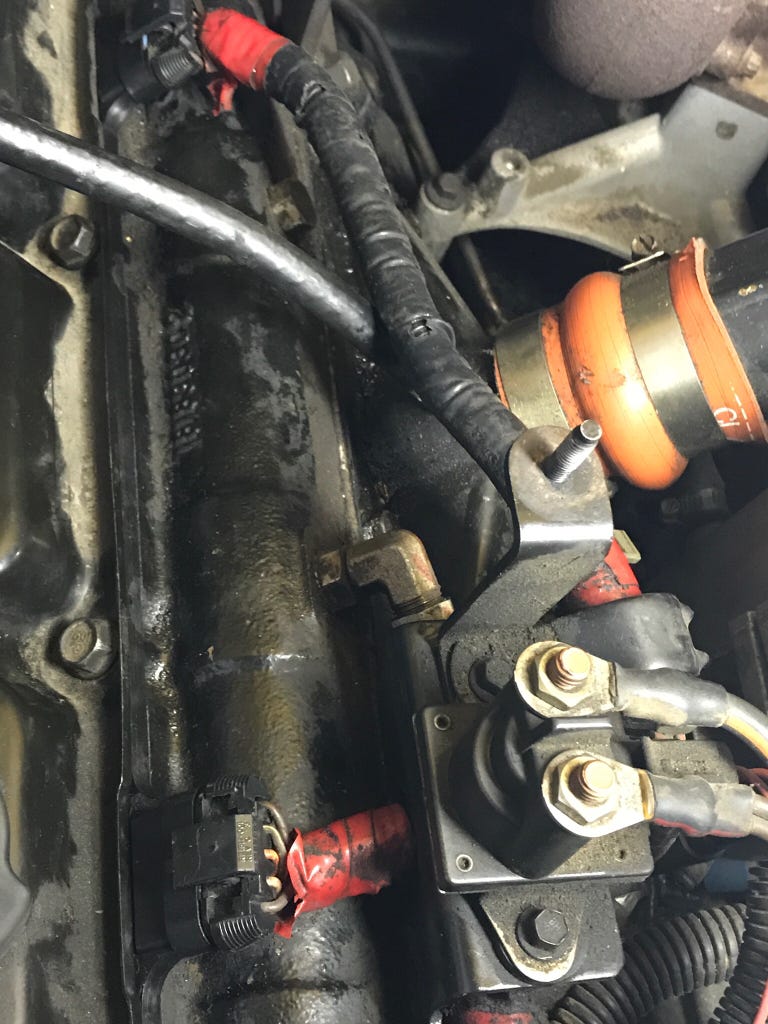
Credit: www.powerstrokenation.com
Signs Of Air In Fuel System
Air in the fuel system of a 6.0 Powerstroke engine can cause problems. It can stop fuel from reaching the engine properly.
Knowing the signs helps you find and fix the issue fast. This keeps your engine running smoothly.
Engine Performance Issues
Air in the fuel system can make the engine run rough. You may notice the engine stalls or has trouble starting.
The engine might lose power or hesitate when you press the gas pedal. It can also cause misfires or poor acceleration.
- Hard starting or no start at all
- Engine stalls or runs unevenly
- Loss of power or poor acceleration
- Engine misfires or hesitates
Fuel Odor And Leaks
You might smell fuel near the engine or under the vehicle. This can happen if air leaks allow fuel to escape.
Visible fuel leaks or wet spots can show air has entered the fuel lines. These leaks are a sign to check the fuel system.
- Strong fuel smell near engine
- Fuel leaks or wet spots on fuel lines
- Visible cracks or loose fittings
Tools Needed For Bleeding
Bleeding the fuel system on a 6.0 Powerstroke requires specific tools. Using the right tools helps remove air from the fuel lines safely.
This guide breaks down the tools you need into basic hand tools and specialized equipment.
Basic Hand Tools
Basic hand tools are common and often found in a simple mechanic’s toolkit. These tools help open and close fuel lines and remove parts if needed.
- Wrenches (usually 8mm or 10mm) to loosen fuel line fittings
- Screwdrivers for removing clamps or covers
- Pliers to grip small parts or clamps
- Rags or shop towels to catch fuel spills
- Safety gloves to protect your hands from fuel
Specialized Equipment
Specialized equipment makes bleeding easier and safer. These tools help push fuel through the system and clear trapped air.
- Fuel pressure gauge to monitor fuel pressure during bleeding
- Hand primer pump to manually push fuel through the lines
- Bleeder screws or valves specific to the 6.0 Powerstroke
- Clear plastic tubing to see fuel flow and bubbles
- Catch container to safely collect excess fuel
Preparation Steps
Bleeding the fuel system on a 6.0 Powerstroke requires careful preparation. This ensures the job is safe and done correctly. Follow these preparation steps before starting.
Understanding key safety points and locating fuel system parts will make the process easier. Take time to prepare well.
Safety Precautions
Working with fuel systems can be dangerous. Follow these safety rules to avoid accidents or damage.
- Wear safety glasses and gloves to protect your eyes and skin.
- Work in a well-ventilated area to avoid inhaling fumes.
- Keep fire sources, sparks, and open flames away from the work zone.
- Have a fire extinguisher nearby in case of emergency.
- Make sure the engine is off and cool before starting.
- Use proper tools designed for fuel system work.
Locating Fuel System Components
Before bleeding the fuel system, identify the main components. This helps you work faster and avoid errors.
| Component | Location | Purpose |
| Fuel Filter | Near the driver-side frame rail | Filters dirt and water from fuel |
| Fuel Primer Pump | Attached to the fuel filter housing | Used to manually pump fuel into the system |
| Fuel Injection Pump | Front of the engine | Pressurizes fuel for injection |
| Fuel Lines | Running between tank, filter, and engine | Carry fuel through the system |
Credit: www.powerstroke.org
Manual Bleeding Process
Bleeding the fuel system on a 6.0 Powerstroke is important to remove air. Air in the fuel lines can cause engine problems.
This process uses simple manual steps to clear the air. Follow carefully to avoid fuel leaks and ensure proper engine start.
Using The Primer Pump
The primer pump is a small bulb usually near the fuel filter. Press it slowly to push fuel through the lines.
Squeeze the primer pump until it feels firm. This means fuel filled the lines and air is pushed out.
- Locate the primer pump near the fuel filter
- Press the pump slowly and steadily
- Stop when the pump becomes firm
- Do not force or squeeze too fast
Loosening Bleed Screws
Bleed screws let trapped air escape from the fuel system. These screws are on the fuel filter housing or fuel lines.
Loosen the screws slightly to let air out while you press the primer pump. Tighten the screws once fuel flows with no air bubbles.
- Find bleed screws on the fuel filter or lines
- Use a wrench to loosen screws gently
- Press primer pump to push air out
- Watch for fuel without air bubbles
- Tighten screws securely after bleeding
Using Scan Tool To Bleed
Bleeding the fuel system on a 6.0 Powerstroke can be done using a scan tool. This tool helps activate parts and clears air from the fuel lines.
Using a scan tool is safer and faster than manual methods. It guides you step-by-step during the process.
Activating Fuel Pump
First, connect your scan tool to the truck’s OBD-II port. Turn the ignition to the ON position without starting the engine. Use the scan tool to find the fuel pump activation command.
- Locate the fuel pump control in the scan tool menu.
- Select the option to activate the fuel pump.
- Run the pump for about 30 seconds to push fuel through the lines.
- Listen for the pump running sound to confirm activation.
Following On-screen Instructions
After activating the fuel pump, follow the scan tool’s on-screen instructions carefully. It will guide you through the bleeding process step by step.
| Instruction | Action |
| Prime Fuel System | Run fuel pump as directed |
| Check for Air | Observe fuel lines and listen for air sounds |
| Repeat if Needed | Activate pump again if air remains |
| Confirm Completion | Scan tool shows status and clears codes |
Common Bleeding Mistakes
Bleeding the fuel system on a 6.0 Powerstroke is a careful process. Mistakes can cause problems like air trapped in the lines. This guide looks at common errors to avoid.
Understanding these mistakes helps keep the engine running smoothly. It also prevents damage and saves time on repairs.
Skipping Steps
Many people skip important steps when bleeding the fuel system. This can leave air pockets that cause rough running or hard starts. Following each step in order is vital.
- Do not start the engine before bleeding the fuel lines fully.
- Always open the fuel bleeder screws to release trapped air.
- Use the proper tools and follow the manual instructions.
- Double-check connections for leaks after bleeding.
- Repeat the bleeding process if the engine runs unevenly.
Overtightening Screws
Overtightening fuel system screws can damage threads or cause leaks. It also makes future maintenance harder. Tighten screws just enough to stop leaks and follow torque specs.
| Problem | Effect | Solution |
| Overtightened screws | Damaged threads, leaks, hard to loosen | Use a torque wrench, follow specs |
| Loose screws | Fuel leaks, air in system | Tighten until no leaks, test engine |
| Proper tightening | Secure seal, no leaks, easy maintenance | Follow manual torque values |
Post-bleeding Checks
After bleeding the fuel system on your 6.0 Powerstroke, it is important to perform some checks. These checks ensure the fuel system works properly and safely.
Two key checks are inspecting for leaks and testing the engine start. Both help confirm that the bleeding process was successful.
Inspecting For Leaks
Check all fuel lines, fittings, and connections for any signs of fuel leakage. Leaks can cause engine problems and are a safety hazard.
- Look for wet spots or fuel smell near the fuel filter and injectors.
- Use a flashlight to examine hard-to-see areas.
- Tighten any loose fittings carefully without over-tightening.
- Replace any damaged fuel lines or seals immediately.
Testing Engine Start
After confirming no leaks, start the engine to verify fuel flows correctly. Watch for smooth engine operation and quick start-up.
| Check | What to Observe | Action if Problem Found |
| Engine Cranks | Engine should crank quickly | Check battery and starter if slow |
| Fuel Delivery | Engine runs without sputtering | Repeat bleeding if sputtering occurs |
| Smoke or Noise | No unusual smoke or knocking | Inspect injectors and fuel system |
Credit: www.powerstroke.org
Maintenance Tips To Prevent Air Locks
Air locks in the fuel system of a 6.0 Powerstroke can cause engine problems. Keeping the fuel system well maintained helps stop air from entering.
Regular checks and maintenance make sure your engine runs smoothly. Follow these simple tips to avoid air locks.
Regular Fuel Filter Changes
Changing the fuel filter regularly keeps dirt and air out of the system. A clogged filter can cause air bubbles and stop fuel flow.
Check the fuel filter every 10,000 to 15,000 miles. Replace it sooner if you see signs of clogging or if the engine runs rough.
- Use the correct fuel filter for your 6.0 Powerstroke
- Replace the filter before the recommended mileage if needed
- Always prime the fuel system after changing the filter
Checking Fuel Lines
Inspect fuel lines for cracks, leaks, or loose connections. Damaged lines let air into the system and cause air locks.
Look for signs of wear or damage every few months. Tighten any loose fittings to keep the fuel system sealed.
- Check all fuel lines from the tank to the engine
- Replace cracked or brittle fuel lines immediately
- Secure all clamps and fittings tightly
Frequently Asked Questions
How Do I Bleed The Fuel System On A 6.0 Powerstroke?
To bleed the fuel system, first loosen the fuel filter bleed screw. Then, crank the engine until fuel flows steadily. Tighten the screw and start the engine to remove air from the fuel lines. This ensures smooth engine operation.
Why Is Bleeding The Fuel System Important On A 6.0 Powerstroke?
Bleeding removes trapped air that causes rough starts and poor performance. It prevents engine stalling and damage by ensuring a steady fuel supply. Proper bleeding maintains engine efficiency and longevity, especially after fuel filter changes or fuel system repairs.
How Long Does It Take To Bleed The 6.0 Powerstroke Fuel System?
Bleeding usually takes 5 to 10 minutes depending on air trapped in the system. Cranking the engine and loosening the bleed screw ensures air removal. Quick and proper bleeding helps the engine start smoothly without delays.
Can I Bleed The Fuel System Without Special Tools?
Yes, you can bleed the system using basic tools like a wrench for the bleed screw. No special devices are needed, but a clean rag and patience are essential. Follow proper steps to avoid fuel leaks and air entry.
Conclusion
Bleeding the fuel system on a 6. 0 Powerstroke helps keep the engine running smoothly. Follow the steps carefully to remove air and prevent fuel issues. Regular checks can save time and avoid costly repairs. Taking a little time now helps your truck perform better later.
Stay patient and work methodically for best results. Keep your Powerstroke healthy and enjoy a reliable drive every time. Simple care makes a big difference.