Your bike helmet is your most important piece of safety gear. But do you know how often it should be replaced?
Wearing an old or damaged helmet could put you at serious risk, even if it looks fine on the outside. You’ll discover the simple signs that tell you when it’s time for a new helmet. Knowing this could protect your head—and your life—on every ride.
Keep reading to make sure your helmet is doing its job the way it should.
Helmet Lifespan
Bicycle helmets protect your head during accidents. They lose strength over time and need replacing.
Knowing when to replace your helmet keeps you safe on every ride.
Typical Replacement Timeline
Most experts say replace your helmet every five years. The materials wear down even if no crashes happen.
If your helmet has been in a crash, replace it immediately. Impact can cause invisible damage.
- Replace every 5 years without crashes
- Replace right after any crash
- Check the manufacturer’s guidelines for specific advice
Factors Affecting Durability
Several things can reduce helmet life. Sunlight, sweat, and rough handling can weaken it.
Store your helmet away from heat and chemicals. Use a soft cloth to clean it gently.
- Sunlight breaks down helmet materials
- Sweat can corrode the inner foam
- Dropping or banging can cause hidden cracks
- Heat from cars or storage areas damages the helmet
- Harsh chemicals weaken the protective shell
Signs To Replace
A bike helmet protects your head during accidents. Knowing when to replace it keeps you safe. Some signs show your helmet may not work well anymore.
Check your helmet regularly for damage or wear. This helps you decide if you need a new one.
Visible Damage
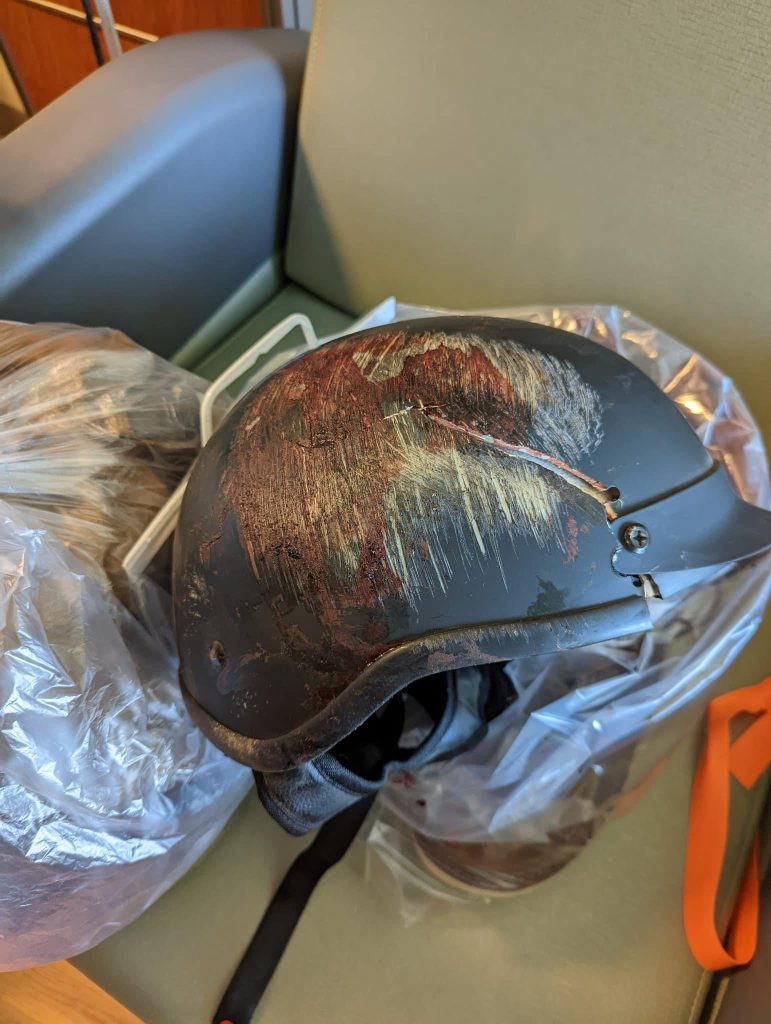
Look closely at your helmet’s shell and foam. Cracks, dents, or deep scratches mean it can’t protect you well. Even small damage can weaken the helmet.
- Cracks on the outer shell
- Dents or crushed areas
- Missing pieces of foam inside
- Scratches that expose inner layers
Impact History
Your helmet might look fine but still be unsafe if it has been in a crash. The foam inside can get compressed. This reduces its ability to absorb shocks.
Replace your helmet after any impact, even if no damage is visible. Impacts include:
- Falls from your bike
- Collisions with vehicles or objects
- Dropping the helmet from a height
Worn Straps And Padding
Straps and padding keep the helmet snug and comfortable. If they are worn out, the helmet may not fit properly. This lowers safety during a crash.
| Wear Sign | What to Check | Action Needed |
| Frayed Straps | Look for tears or loose threads | Replace helmet or straps |
| Broken Buckles | Try fastening and unfastening | Replace helmet |
| Flattened Padding | Check if padding feels thin or hard | Replace padding or helmet |
| Unpleasant Odor | Smell inside padding area | Clean or replace padding |
Material Breakdown
Bike helmets protect your head by using different materials. Over time, these materials change and get weaker. It is important to know how long these materials last.
Replacing a helmet depends on how its materials break down. This guide looks at foam degradation and shell wear and tear.
Foam Degradation
The foam inside a helmet absorbs impact during a crash. It is made from expanded polystyrene (EPS) foam. This foam gets weaker over time.
Heat, sweat, and sunlight can cause the foam to break down. After a few years, it may lose its ability to protect your head properly.
- Foam becomes less dense and brittle
- Cracks may develop inside the foam
- Protection reduces even without a crash
Shell Wear And Tear
The helmet shell covers the foam and protects it from scratches and hits. It is usually made from plastic or fiberglass. Over time, the shell can get damaged.
Small cracks, dents, or deep scratches weaken the shell. These damages reduce the helmet’s strength and safety. The shell also fades from sun exposure.
- Scratches reduce impact resistance
- Cracks can spread and worsen
- Sunlight causes color fading and brittleness

Credit: www.reddit.com
Storage Tips
Knowing how to store your bike helmet helps keep it safe and lasts longer. Proper storage protects the helmet’s materials.
A good storage routine can keep your helmet ready to protect you on every ride.
Avoiding Heat And Sunlight
Heat and sunlight can damage the helmet’s foam and outer shell. Avoid leaving your helmet in direct sunlight or hot places.
High temperatures can weaken the helmet and make it unsafe over time.
- Do not store your helmet on a car dashboard
- Keep it away from heaters or radiators
- Store in a cool, shaded area indoors
Proper Helmet Care
Clean your helmet regularly with mild soap and water. Avoid harsh chemicals that can weaken the materials.
Store your helmet on a soft surface or helmet rack to keep its shape.
- Remove dirt with a soft cloth
- Do not use strong cleaners or solvents
- Keep straps untangled and clean
- Check for cracks or damage before use
Child Vs Adult Helmets
Bike helmets protect your head in crashes. They come in sizes for children and adults. Both need to be replaced regularly for safety.
Children’s helmets must fit growing heads. Adult helmets fit larger, stable head sizes. This affects how often you replace them.
Growth Considerations
Children’s heads grow fast. Helmets that fit today may be too small soon. This means kids need new helmets more often.
Adults’ head size stays mostly the same. This means adult helmets do not need size changes as often as children’s helmets.
- Children’s helmets must fit snugly for safety.
- Replace child helmets if they feel tight or loose.
- Adults replace helmets mainly due to damage or wear.
- Growth is not a factor for adult helmet replacement.
Replacement Frequency Differences
Children’s helmets often need replacing every 1-2 years. Growth and wear cause this need. Crashes also require immediate replacement.
Adult helmets last about 3-5 years if not damaged. Materials wear down over time. Replace after any crash or visible damage.
- Child helmets: replace every 1-2 years or if damaged.
- Adult helmets: replace every 3-5 years or if damaged.
- Always replace helmets after a crash.
- Check helmets regularly for cracks or dents.

Credit: road.cc
After An Accident
Bike helmets protect your head during crashes. After an accident, it is important to check if your helmet is still safe to use.
Even if the helmet looks fine, hidden damage can make it unsafe. You should replace your helmet after any crash.
When To Replace Immediately
You must replace your helmet right after a crash if you see any damage or if it absorbed impact. Here are key signs to watch for:
- Cracks in the outer shell or foam liner
- Dents or deep scratches on the helmet surface
- Helmet feels softer or misshaped
- Straps or buckles are broken or worn
- Helmet was hit hard even if no damage is visible
Inspection Checklist
| Check Item | What to Look For | Action Needed |
| Outer Shell | Cracks or dents | Replace helmet |
| Foam Liner | Compressed or cracked foam | Replace helmet |
| Straps and Buckles | Frayed straps or broken buckles | Replace or repair |
| Fit | Helmet feels loose or warped | Replace helmet |
| Impact History | Helmet experienced a hard hit | Replace helmet |
Helmet Standards
Bike helmets protect your head during crashes. They must meet safety rules to work well.
Standards make sure helmets keep you safe. They test strength, fit, and materials.
Safety Certifications
Certified helmets follow rules from safety groups. These groups test helmets in labs.
- CPSC: Required in the United States for bike helmets.
- EN 1078: Common European helmet safety standard.
- ASTM F1447: Standard for helmets in sports like biking.
- Snell B90/B95: High safety tests for bike helmets.
Choosing Certified Helmets
Always pick helmets with safety labels. These labels prove the helmet passed tests.
| Certification | What It Means | Where It Applies |
| CPSC | Meets U.S. safety rules for impact protection | United States |
| EN 1078 | Meets European standards for cycling helmets | Europe |
| ASTM F1447 | Standard for helmet impact resistance | Sports including biking |
| Snell B90/B95 | High-level safety tests for helmets | Worldwide |
Credit: bernhelmets.com
Buying Tips
Bike helmets protect your head during accidents. Replacing them at the right time keeps you safe.
Choosing a helmet means checking fit, comfort, and new safety features. These help you pick the best one.
Fit And Comfort
A helmet should fit snugly without pressure points. It must stay in place when you move your head.
Look for adjustable straps and padding to improve comfort. A good fit makes wearing the helmet easy all day.
- Measure your head size before buying
- Try different models to find the best fit
- Check if straps are easy to adjust
- Choose helmets with removable padding for cleaning
Latest Helmet Technologies
New helmets use better materials to protect against impacts. Some designs reduce the force on your head.
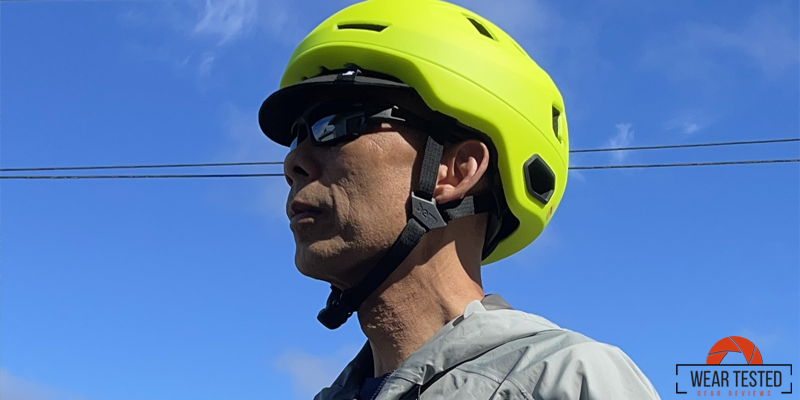
Look for helmets with features like MIPS or advanced foam. These give extra protection in crashes.
- MIPS technology lowers rotational force in a crash
- Lightweight materials make helmets easier to wear
- Ventilation systems keep your head cool
- Reflective elements improve visibility at night
Frequently Asked Questions
How Long Does A Bike Helmet Last?
A bike helmet typically lasts about 3 to 5 years. Over time, materials weaken, reducing protection. Replace helmets sooner if damaged or after a crash. Regularly check for cracks or wear to ensure safety.
When Should You Replace A Bike Helmet?
Replace your bike helmet after any significant impact or crash. Even if it looks fine, internal damage may occur. Also, replace it every 3 to 5 years due to material degradation. Regular replacement ensures maximum protection while riding.
Can You Use A Cracked Bike Helmet?
No, you should never use a cracked bike helmet. Cracks weaken the helmet’s ability to absorb impacts. Using a damaged helmet puts you at higher risk of injury. Always replace helmets that show any signs of damage.
Does Helmet Age Affect Safety?
Yes, helmet age affects safety as materials degrade over time. Older helmets may fail to protect during impacts. Follow manufacturer guidelines and replace your helmet every few years. Keeping a fresh helmet ensures optimal safety on the road.
Conclusion
Bike helmets protect your head and save lives. Replace your helmet every few years. Cracks or dents mean it’s time to buy a new one. Even without damage, old helmets lose their strength. Stay safe by checking your helmet often.
Wearing a fresh helmet keeps you protected on every ride. Don’t take risks with your safety gear. A good helmet is a small cost for big peace of mind. Keep your helmet updated and ride with confidence.