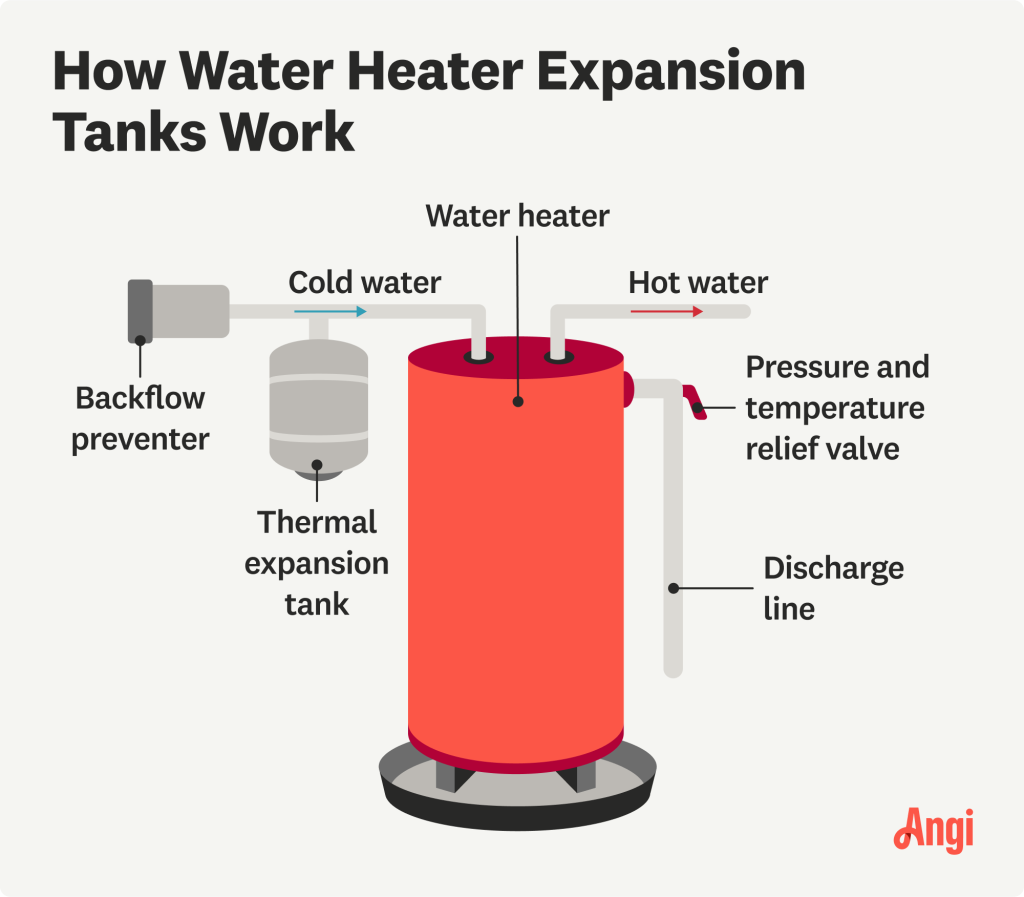
Are you ready to make your home warmer and more comfortable? Installing a hot water heating system can be the perfect solution.
Imagine stepping into a cozy room on a cold day, knowing your heating is working quietly and efficiently. This guide will walk you through every step, making the process clear and simple—even if you’re not an expert. By the end, you’ll have the confidence and knowledge to install your own system and enjoy the warmth it brings.
Let’s get started and transform your home into a cozy haven.
Types Of Hot Water Heating Systems
Hot water heating systems use heated water to warm homes. They are common in many houses and buildings. Different types work in different ways.
Knowing the types helps you choose the right system. Each type has its own parts and benefits.
Single-pipe Systems
Single-pipe systems use one pipe to carry hot water. The water flows through each radiator or heater in a row. After passing one, water moves to the next.
This system is simple and easy to install. It works best in small homes with fewer heaters.
- One pipe connects all radiators
- Water flows in a single loop
- Lower installation cost
- Less control over heat in each room
Two-pipe Systems
Two-pipe systems have separate pipes for supply and return. One pipe carries hot water to heaters. The other returns cooler water to the boiler.
This system gives better heat control. You can turn heaters on or off without affecting others.
- One pipe supplies hot water
- One pipe returns cooler water
- Better temperature control
- More complex and costly to install
Baseboard Heaters
Baseboard heaters use hot water flowing through pipes inside a long metal box. The box sits near the floor along walls. It warms air as it moves over the pipes.
These heaters are quiet and distribute heat evenly. They fit well in rooms where wall space is free.
- Uses hot water in metal pipes
- Heats air near the floor
- Quiet and even heat
- Easy to install along walls
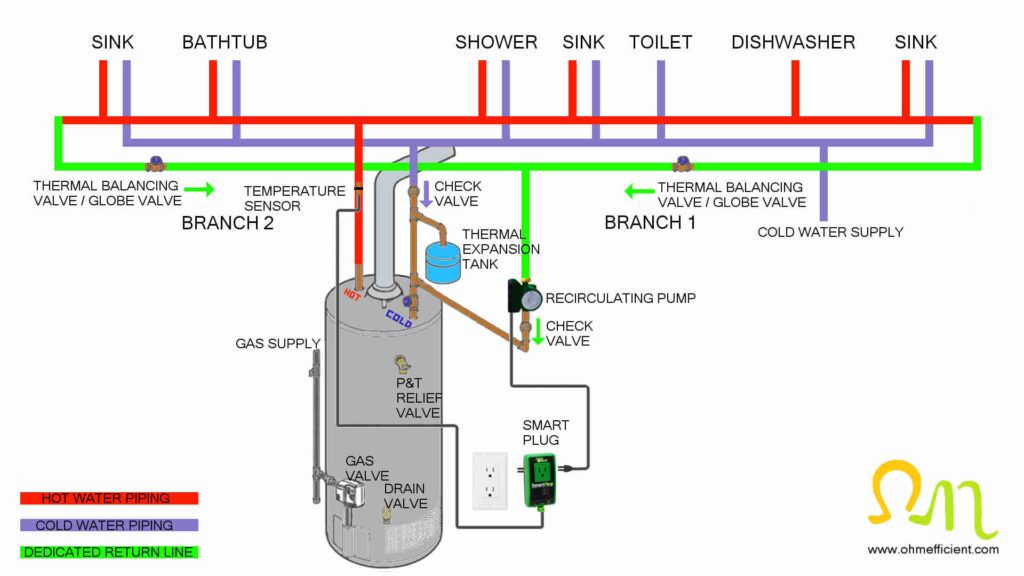
Credit: ohmefficient.com
Essential Tools And Materials
Installing a hot water heating system requires the right tools and materials. Proper preparation makes the job easier and safer. This guide covers the key items you need.
We will look at pipes and fittings, boiler selection, and safety gear. Each section explains what to have on hand for a smooth installation.
Pipes And Fittings
Pipes and fittings connect the heating system components. Choose materials that resist heat and corrosion. Copper and PEX pipes are common choices.
- Copper pipes for durability and heat resistance
- PEX pipes for flexibility and easy installation
- Elbow fittings to change pipe direction
- Couplings to join pipe sections
- Union fittings for easy disassembly
- Pipe insulation to reduce heat loss
Boiler Selection
The boiler heats the water in the system. Choose a boiler size that fits your home’s needs. Fuel type and efficiency ratings matter too.
| Boiler Type | Fuel Source | Efficiency | Best Use |
|---|---|---|---|
| Combi Boiler | Gas or Electric | High | Small to medium homes |
| System Boiler | Gas | Medium | Homes with multiple bathrooms |
| Conventional Boiler | Oil or Gas | Lower | Older homes with existing tanks |
Safety Gear
Safety gear protects you during installation. Use gloves, goggles, and proper footwear. Always follow safety rules to avoid injury.
- Heat-resistant gloves to protect hands
- Safety goggles to shield eyes
- Steel-toe boots for foot protection
- Long-sleeve clothing to avoid burns
- Fire extinguisher nearby for emergencies
Preparation Steps
Installing a hot water heating system needs careful preparation. These steps help you work safely and efficiently.
Start by understanding your space and making a clear plan. Then, turn off the power and water to avoid accidents.
Assessing Your Space
Check the area where you want to install the system. Measure the space and note any obstacles like pipes or walls.
- Measure ceiling height and floor space
- Locate existing water and heating pipes
- Identify potential places for the boiler and radiators
- Check for ventilation and access points
Shutting Off Power And Water
Turn off electricity and water before starting. This step prevents damage and keeps you safe during installation.
| Utility | Location to Shut Off | Tip |
| Electricity | Main breaker panel | Label the switch clearly |
| Water | Main water valve | Drain pipes to remove water |
Planning The Layout
Draw a simple plan for your system layout. Decide where each part will go to make installation easier.
Consider these points in your layout plan:
- Boiler location near water and power sources
- Pipe routes that avoid sharp bends
- Radiator placement for even heat distribution
- Space for maintenance and repairs
Installing The Boiler
Installing the boiler is a key part of setting up a hot water heating system. You must place it correctly, connect water lines properly, and ensure the gas or electric supply is safe.
This guide covers the main steps for installing the boiler in your heating system.
Positioning The Boiler
Choose a dry and well-ventilated spot for the boiler. It should be near water and power connections. Leave enough space around it for service and maintenance.
Make sure the floor can hold the boiler’s weight. Avoid placing it near flammable materials or in direct sunlight.
Connecting Water Lines
Connect the boiler to the main water supply and the heating system. Use the right size pipes and fittings to prevent leaks. Install valves to control water flow easily.
- Attach the cold water inlet pipe securely.
- Connect the hot water outlet pipe to the heating system.
- Install a pressure relief valve to avoid damage.
- Check all joints for leaks after connecting.
Setting Up The Gas Or Electric Supply
Make sure the gas or electric supply meets the boiler’s requirements. Only a certified professional should handle these connections.
| Supply Type | Important Notes |
| Gas | Install a shut-off valve near the boiler. |
| Electric | Use proper wiring and a dedicated circuit. |
| Both | Follow local codes and safety standards strictly. |
Laying Out The Piping
Laying out the piping correctly is key to a hot water heating system. It helps the system work well and last longer.
Careful planning and proper installation keep the heat flowing evenly in your home. This guide covers the main steps.
Measuring And Cutting Pipes
Start by measuring the pipes carefully. Use a tape measure for accuracy. Mark the pipe where you need to cut.
Cut the pipes straight using a pipe cutter or a fine-toothed saw. Smooth the cut edges with sandpaper to avoid leaks.
- Measure twice to avoid mistakes
- Use the right tool for cutting pipes
- Deburr edges after cutting
- Wear safety glasses when cutting
Joining Pipes Securely
Joining pipes tightly stops leaks and keeps water flowing. Use fittings that match the pipe size and type.
| Type of Joint | Best Use | Tools Needed |
| Threaded | Steel or iron pipes | Pipe wrench, thread tape |
| Soldered | Copper pipes | Torch, solder, flux |
| Compression | Plastic or copper pipes | Wrenches |
| Push-fit | Plastic or copper pipes | No tools needed |
Installing Valves And Controls
Valves help control water flow and temperature. Install them where you can reach easily for repairs or adjustments.
- Use shut-off valves near the heater
- Install pressure relief valves for safety
- Check valve direction before fitting
- Tighten valves without overdoing it

Credit: ohmefficient.com
Installing Radiators Or Baseboards
Installing radiators or baseboards is a key part of setting up a hot water heating system. Proper installation ensures efficient heat distribution and system safety.
This guide covers mounting radiators, connecting them to pipes, and bleeding the system for best performance.
Mounting Radiators
Choose a location near an outside wall for better heat spread. Use sturdy brackets to hold the radiator securely on the wall. Make sure the radiator is level to avoid air pockets.
- Mark bracket positions on the wall.
- Drill holes and insert wall anchors.
- Attach brackets firmly with screws.
- Hang the radiator on the brackets carefully.
- Check that the radiator is straight and stable.
Connecting To Pipes
Connect the radiator valves to the hot water pipes using appropriate fittings. Use pipe sealant or Teflon tape to prevent leaks. Tighten all connections firmly but avoid over-tightening.
| Pipe Type | Fitting Needed | Notes |
| Copper | Compression Fittings | Use pipe cutter for clean cuts |
| PEX | Crimp or Clamp Rings | Ensure secure connection with proper tools |
| Steel | Threaded Fittings | Apply pipe sealant to threads |
Bleeding The System
Air trapped in radiators stops hot water from circulating well. Bleed radiators to release trapped air and improve heating.
- Turn off the heating system and let radiators cool.
- Place a cloth under the bleed valve to catch drips.
- Use a radiator key to open the bleed valve slowly.
- Listen for hissing air and wait until water appears.
- Close the valve tightly and wipe any water.
- Turn the heating back on and check for proper heating.
Filling And Testing The System
After installing your hot water heating system, you must fill it with water carefully. This process makes sure the system works well and safely.
Testing the system helps find any problems before regular use. Follow these steps to fill and check your system.
Filling With Water
Start by closing all valves except the filling valve. Open the filling valve slowly to allow water into the system. Watch the pressure gauge as the system fills.
- Connect a hose to the filling valve.
- Open the water supply.
- Fill the system until the pressure reaches the recommended level.
- Close the filling valve tightly.
Checking For Leaks
Once the system is full, inspect all joints and connections for leaks. Look for drips or wet spots around pipes and valves. Tighten any loose fittings you find.
| Leak Location | What to Check | Action |
|---|---|---|
| Pipe Joints | Look for water drops or moisture | Tighten or replace fittings |
| Valves | Check seals and handles | Replace faulty valves |
| Boiler Connections | Inspect for corrosion or cracks | Repair or replace parts |
Bleeding Air From Pipes
Air trapped inside the pipes can cause noise and reduce heating efficiency. Bleeding removes this air for smooth operation.
- Locate bleed valves on radiators and pipes.
- Use a radiator key or screwdriver to open each valve slowly.
- Let air escape until water flows steadily.
- Close the valves tightly after bleeding.
- Check system pressure and refill if needed.
System Maintenance Tips
Maintaining your hot water heating system helps it run well and last longer. Simple care prevents costly repairs.
Follow these tips to keep your system safe and efficient.
Regular Inspections
Check your heating system often for leaks and damage. Look at pipes, valves, and the boiler.
Find small problems early to fix them before they get worse.
- Look for water leaks around pipes and joints
- Listen for strange noises from the boiler
- Check if the thermostat works correctly
- Ensure vents and air intakes are clear
Flushing The System
Flushing removes dirt and rust from the pipes and boiler. This keeps water flowing well.
Flush the system at least once a year or as the manufacturer says.
- Turn off the system and let it cool
- Open the drain valve to empty the water
- Use a flushing solution if needed
- Refill the system with clean water
- Check for leaks after refilling
Monitoring Pressure And Temperature
Keep an eye on the system’s pressure and temperature. This prevents damage and keeps it safe.
Use the gauges to check levels often and adjust if needed.
| Parameter | Normal Range | Action if Outside Range |
|---|---|---|
| Pressure | 12-15 psi | Release pressure or add water |
| Temperature | 120-180°F (49-82°C) | Adjust thermostat or call a technician |

Credit: www.pmmag.com
Frequently Asked Questions
What Tools Are Needed To Install A Hot Water Heating System?
You need a pipe cutter, wrenches, soldering kit, pipe fittings, and a boiler. Safety gear like gloves is essential. These tools ensure proper and safe installation of the heating system.
How Long Does It Take To Install A Hot Water Heating System?
Installation typically takes 1 to 3 days, depending on system complexity. Professional installers work efficiently to minimize disruption and ensure correct setup for optimal performance.
What Maintenance Is Required For Hot Water Heating Systems?
Regularly check for leaks, bleed radiators, and inspect the boiler annually. Proper maintenance extends system life and improves efficiency, reducing energy costs and avoiding costly repairs.
Can I Install A Hot Water Heating System Myself?
DIY installation is possible with plumbing experience but not recommended for beginners. Professional installation ensures safety, compliance with codes, and system efficiency.
Conclusion
Installing a hot water heating system can save energy and money. Follow each step carefully for the best results. Use the right tools to avoid mistakes. Check all connections to prevent leaks or damage. Regular maintenance keeps the system working well.
A warm home is possible with proper installation. Take your time and stay safe throughout the process. Enjoy cozy heat during cold days. Simple steps lead to a comfortable living space.