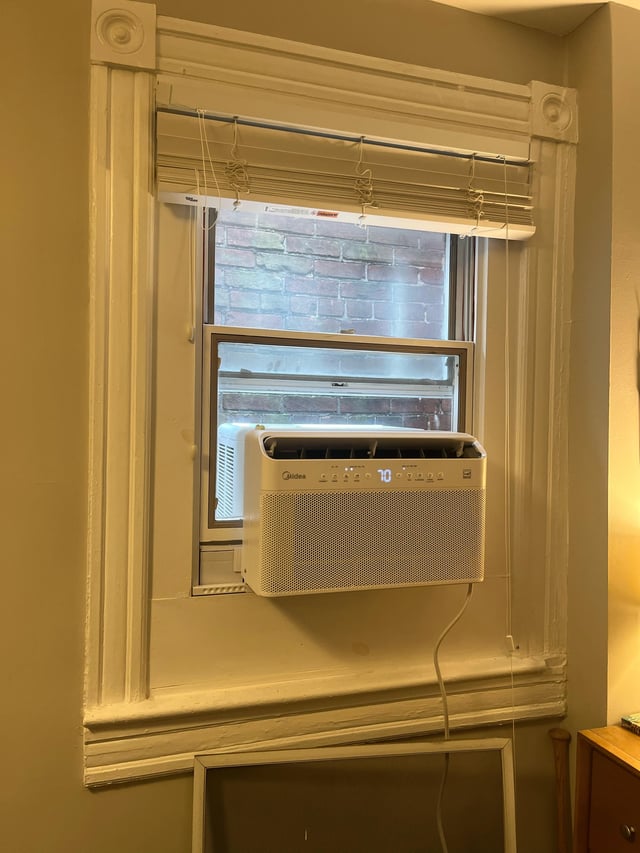
Are you wondering if your window air conditioner should be tilted? It’s a simple question but one that can affect how well your unit cools your room and how long it lasts.
You might think a slight tilt won’t matter, but the truth is, the angle can make a big difference. You’ll discover why the tilt matters, how to do it right, and what can happen if you get it wrong. Keep reading to make sure your air conditioner works efficiently and stays in great shape all summer long.

Credit: www.reddit.com
Why Tilt Matters
Window air conditioners need to be tilted slightly to work well. The tilt helps water drain out properly. Without the right tilt, the AC may not cool effectively.
Knowing how and why to tilt your window AC can save you from damage and poor performance. Let’s explore how these units drain and what risks come with wrong positioning.
How Window Acs Drain
Window air conditioners remove moisture from the air. This moisture turns into water inside the unit. The water needs to drain outside to keep the AC working well.
The AC is designed to let water flow out through a drain hole. Tilting the unit slightly downward on the outside helps this water flow out easily. If not tilted right, water may collect inside.
Risks Of Incorrect Positioning
Placing your window AC without the proper tilt can cause problems. Water may leak inside your room or stay inside the unit. This can damage the AC or your window frame.
Wrong positioning can also reduce cooling efficiency. The unit may work harder and use more energy. This can increase your electricity bills and shorten the AC’s life.
- Water leaks inside the room
- Damage to window frame or AC parts
- Poor cooling performance
- Higher energy use and costs
- Possible mold growth from trapped water

Credit: northnjhvac.com
Manufacturer Recommendations
Window air conditioners need proper installation for best performance.
Many users wonder if these units should be tilted when installed.
Common Guidelines
Most manufacturers suggest a slight tilt for window AC units.
- The tilt should be about 1/4 inch downward toward the outside.
- This helps water drain properly and avoid leaks inside.
- Too much tilt can cause water to collect inside the unit.
- Make sure the unit is stable and secure in the window frame.
- Follow the installation instructions in the user manual carefully.
Variations By Model
Different models may have specific tilt requirements or no tilt at all.
| Brand/Model | Tilt Recommendation |
| Brand A Model X | 1/4 inch downward |
| Brand B Model Y | Level, no tilt |
| Brand C Model Z | Slight tilt allowed, check manual |
| Brand D Model W | Depends on window type |
Proper Tilt Angle
Window air conditioners need a slight tilt to work well. The right angle helps water drain outside. This prevents water from leaking inside your home.
Setting the correct tilt angle is important. Too much tilt can cause problems. Too little tilt stops water from draining properly.
Recommended Slopes
The ideal tilt angle is small but enough to let water flow. Usually, the window AC should slope slightly downward toward the outside.
Most experts suggest a tilt of about 1/4 inch to 1/2 inch per foot of unit length. This means the outside part is a little lower than the inside.
- Tilt too much: water may leak inside
- Tilt too little: water may stay inside unit
- Correct tilt: water drains outside easily
How To Measure Tilt
Use a level tool to check the tilt angle of your window AC. A carpenter’s level works well for this task.
Place the level on top of the air conditioner. Check the bubble to see if the unit slopes down toward outside.
- If the bubble is centered, the unit is flat.
- If the bubble moves toward the outside edge, the tilt is correct.
- Adjust the unit until the bubble shows a slight downward slope.

Credit: www.reddit.com
Effects Of No Tilt
Window air conditioners usually need a slight tilt when installed. This tilt helps water drain properly. Without it, the unit may face problems.
Not tilting the air conditioner can cause water to build up inside. This buildup can lead to damage and poor performance.
Water Leakage Issues
When the air conditioner is not tilted, water cannot flow out correctly. This causes water to leak inside the room or from the unit.
Water leakage can damage walls, floors, and furniture. It also creates a risk for mold and mildew growth.
- Water pools inside the unit
- Leaking water damages home surfaces
- Mold and mildew may grow near leaks
- Unpleasant smells can develop
Compressor Damage Risks
The compressor needs proper drainage to work well. Without tilt, water may stay inside and cause the compressor to fail.
Compressor damage reduces cooling power and can lead to costly repairs. Proper tilt helps avoid this risk.
- Water buildup can harm compressor parts
- Compressor may overheat without drainage
- Repairs or replacement become necessary
- Unit life span shortens
Installation Tips
Installing a window air conditioner correctly helps it work well. One important question is if the unit should be tilted.
Tilt helps water drain outside. This stops leaks inside your home. Let’s look at some tips for installing your unit safely.
Tools Needed
Having the right tools makes installation easier and safer. Make sure you gather all tools before starting.
- Screwdriver (flathead and Phillips)
- Level to check tilt angle
- Measuring tape
- Support brackets or mounting kit
- Drill with bits
- Sealant or weather stripping
- Safety gloves
Securing The Unit
Secure the air conditioner firmly in the window frame. This keeps it stable and safe during use.
Tilt the unit slightly downward toward the outside. This tilt helps water drain outside and stops leaks inside.
- Place the unit in the window opening
- Use a level to check for a slight outward tilt
- Attach support brackets under the unit
- Screw the unit into the window frame securely
- Seal gaps with weather stripping or sealant
- Double-check the tilt and stability before finishing
Maintenance And Tilt
Window air conditioners need proper tilt to work well. This tilt helps water drain outside. Without the right tilt, water can leak inside your home.
Regular maintenance includes checking the tilt and drainage. Keeping these in good shape prevents damage and keeps the unit running smoothly.
Checking Drainage
Good drainage stops water from pooling inside the air conditioner. Check the drain holes for clogs or dirt. Clear any blockages you find.
Make sure water flows freely outside. If water pools, it may cause mold or damage the wall below the unit.
- Look for water leaks inside your home
- Inspect drain holes for dirt or debris
- Use a small brush or cloth to clean the drains
- Test by pouring a little water to see if it drains
Adjusting Tilt Over Time
Window air conditioners may shift due to wind or vibrations. Check the tilt regularly to keep water flowing outside. Adjust the unit if it is flat or tilted inward.
Use small shims or wedges under the unit to create a slight tilt. The front should be a bit lower than the back, about a quarter inch per foot.
- Check tilt every few months
- Use a level tool to measure tilt
- Add or remove shims to adjust
- Tilt unit slightly outward to help drainage
Frequently Asked Questions
Should Window Air Conditioners Be Tilted For Drainage?
Yes, tilting window air conditioners slightly backward ensures proper drainage of condensation. This prevents water leakage inside your room and maintains optimal cooling efficiency.
How Much Should A Window Ac Be Tilted?
A window AC should be tilted about 1/4 inch to 1/2 inch backward. This small tilt angle helps condensation drain outside effectively without damaging the unit.
What Happens If A Window Ac Is Not Tilted?
If a window AC is not tilted, water may leak indoors. This can cause damage to walls, furniture, and reduce the AC’s cooling performance.
Can Tilting A Window Ac Cause Damage?
Tilting a window AC properly does not cause damage. However, excessive tilt may strain the unit and affect its compressor, so maintain a slight backward angle only.
Conclusion
Tilting a window air conditioner slightly helps water drain properly. This prevents leaks and damage to your window or wall. Too much tilt can cause the unit to work poorly or break. Always follow the manufacturer’s instructions for the best angle.
A small tilt keeps your air conditioner running smoothly and your room cool. Proper installation saves money and avoids headaches later. Simple steps make a big difference in how well your unit works. Keep it level or just a little tilted for best results.