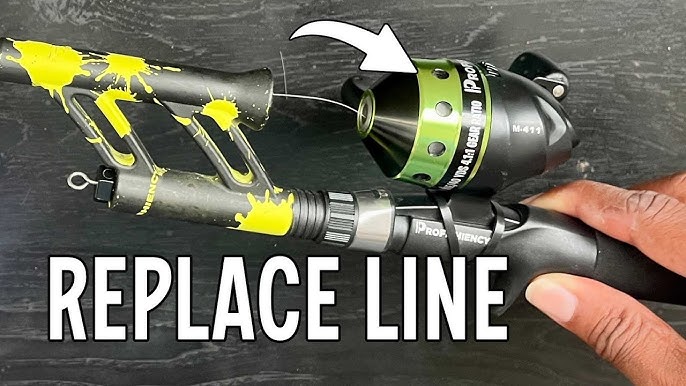
If you’re tired of your fishing line breaking or tangled, putting a new line on your fishing pole is the key to a smooth, successful catch. Knowing how to do it right can save you time, money, and frustration on the water.
In this guide, you’ll learn simple steps to replace your fishing line quickly and easily—even if you’re a beginner. Keep reading, and you’ll be ready to cast with confidence on your next fishing trip.

Credit: www.youtube.com
Choosing The Right Fishing Line
Choosing the right fishing line is important for a good fishing experience. It helps you catch fish without breaking or tangling.
This guide will explain types of fishing lines, their strength, and how to pick the best one for your conditions.
Types Of Fishing Lines
Fishing lines come in different materials. Each type has its own use and benefits for fishing.
- Monofilament:A single strand of nylon. It is flexible and easy to handle.
- Fluorocarbon:Harder to see underwater. It sinks faster and resists abrasion.
- Braid:Made of woven fibers. It is strong and thin but can be visible in water.
Line Strength And Thickness
Line strength tells how much weight it can hold before breaking. Thickness affects casting and visibility.
| Line Type | Strength (lbs) | Thickness (mm) |
| Monofilament | 4 – 20 | 0.20 – 0.45 |
| Fluorocarbon | 6 – 25 | 0.18 – 0.40 |
| Braid | 10 – 50 | 0.10 – 0.35 |
Considering Fishing Conditions
Fishing spots and fish types affect your choice. You need a line that suits water, weather, and fish size.
- Use thin, clear lines in clear water for shy fish.
- Choose strong, thick lines in rough water or with big fish.
- Consider weather; cold water may need different lines than warm water.

Credit: www.youtube.com
Gathering Necessary Tools
Putting a new line on your fishing pole needs a few important tools. Getting them ready will make the task easier.
Knowing what to gather first saves time and helps you work safely and well.
Fishing Pole And Reel
Your fishing pole and reel are the main parts for putting on a new line. Make sure they are clean and in good shape. Check the reel to see if it turns smoothly.
Scissors Or Line Cutter
You will need a sharp tool to cut the fishing line. Scissors or a line cutter works best. Using the right tool helps make a clean cut without fraying the line.
- Choose scissors that cut well and do not rust.
- If using a line cutter, check the blade is sharp.
- Keep the cutting tool near your work area.
New Fishing Line Spool
The new fishing line comes on a spool. Pick the right size and type for your fishing pole. The spool should be undamaged and clean.
| Line Type | Use |
| Monofilament | Good for beginners and general fishing |
| Fluorocarbon | Less visible in water |
| Braid | Strong and thin, good for deep water |
Removing Old Line
Removing old fishing line helps keep your fishing pole in good condition. It also makes it easier to put on new line.
Old line can get tangled or weak. This can cause problems while fishing. Follow these steps to remove it safely.
Releasing Tension
Start by releasing the tension on your fishing pole. This makes it easier to handle the reel and line. Loosen the drag on your reel to reduce pressure. This stops the line from snapping as you remove it.
Unwinding The Old Line
Next, unwind the old line from the reel carefully. Pull the line slowly to avoid tangles. If the line is stuck, use scissors to cut it into smaller parts.
- Loosen the drag on the reel
- Hold the rod firmly
- Pull the line slowly off the spool
- Cut the line if it gets stuck
- Dispose of old line properly
Cleaning The Reel
After removing the old line, clean the reel to keep it working well. Dirt and salt can build up and cause damage. Use fresh water and a soft cloth to wipe the reel. Avoid soaking it.
| Cleaning Step | Details |
| Rinse | Use fresh water to rinse off dirt |
| Wipe | Dry with a soft cloth |
| Lubricate | Apply reel oil to moving parts |
| Check | Look for worn or broken parts |
Attaching New Line To Reel
Putting new line on a fishing pole starts with attaching the line to the reel. This process helps you fish without losing line or tangling.
Follow simple steps to tie the line securely and place it properly on the spool.
Threading The Line
First, pull the new fishing line through the rod guides starting from the tip. Then, open the reel’s bail arm to prepare for attachment.
Next, wrap the line around the spool of the reel. Make sure the line lays smoothly without twists.
Securing The Knot
Tie a strong knot to hold the line in place on the reel spool. The Arbor knot is a common choice for this task.
- Wrap the line around the spool.
- Tie an overhand knot around the main line.
- Tie a second overhand knot on the tag end.
- Pull both knots tight against the spool.
- Trim the excess line close to the knot.
Ensuring Proper Spool Placement
Place the spool of line on the reel correctly to avoid twisting. The line should come off the spool in the same direction the reel turns.
Hold the spool so the line feeds off smoothly. This reduces tangles and helps the line wind evenly on the reel.
Spooling The New Line
Spooling new line onto a fishing pole is important for good fishing. It helps the line stay strong and ready to catch fish.
Doing this right takes care and attention. You need to keep the line tight and wrapped correctly on the spool.
Maintaining Tension
Keep the fishing line tight while spooling. This stops the line from twisting or tangling.
You can hold the line with your fingers or use a cloth to add pressure. This makes the line wrap firmly on the spool.
- Use light pressure on the line
- Keep tension steady as you spool
- Avoid loose or slack line
Evenly Wrapping The Line
Wrap the line evenly across the spool. This helps the line come off smooth when you cast.
Move the line guide back and forth. This spreads the line so it does not bunch up in one spot.
- Watch the line as you spool
- Shift the line slowly side to side
- Fill the spool from bottom to top evenly
Avoiding Overfill
Do not put too much line on the spool. Overfilling can cause tangles and knots during casting.
Stop spooling when the line is about 1/8 inch from the spool edge. This leaves space for smooth line release.
- Check the line level often
- Leave small gap from spool edge
- Remove extra line if needed
Finishing The Setup
After putting new line on your fishing pole, you need to finish the setup. This helps your fishing gear work properly.
Finishing the setup includes cutting the extra line, threading the line through guides, and tying the leader or hook securely.
Cutting Excess Line
Cut off the extra line after you tie it to the reel. Leaving too much line can cause tangles and mess.
Use sharp scissors or a line cutter for a clean cut. Leave about a quarter inch to avoid the knot slipping.
Threading Through Guides
Thread the fishing line through each guide on the pole. Start from the bottom near the reel and go to the tip.
Make sure the line passes smoothly through all guides to reduce friction and improve casting.
Tying The Leader Or Hook
Attach the leader or hook to the end of your main line. Use a strong knot to keep it secure.
Test the knot by pulling gently. A good knot will hold tight without slipping or breaking.
Testing The New Line
After putting a new line on your fishing pole, it is important to test it. Testing helps ensure the line is strong and works well.
Checking the line before fishing saves time and avoids problems on the water.
Checking Line Tension
Start by pulling the line gently to feel its tension. The line should be tight but not too stiff.
Loose or weak tension can cause tangles or line breakage while fishing.
- Pull the line slowly to test strength
- Make sure it returns smoothly to the reel
- Look for any weak spots or damage
Reel Functionality Test
Check that the reel spins without problems. Turn the handle to see if the line moves freely.
Listen for any unusual sounds or resistance that could mean a problem with the reel.
- Spin the reel forward and backward
- Check the drag system for smoothness
- Make sure the line feeds evenly on the spool
Preparing For Fishing
Once the line and reel work well, prepare your fishing pole for use. Attach hooks, lures, or bait as needed.
Double-check knots and make sure everything is secure before heading out.
- Attach your preferred lure or bait
- Tighten all knots and connections
- Test the line with a gentle tug one last time

Credit: www.wikihow.com
Frequently Asked Questions
How Do I Tie New Fishing Line On A Pole?
Start by removing old line and cleaning the reel. Tie the new line to the spool using an Arbor knot. Wind the line tightly onto the reel, ensuring even layering. Trim excess line and test for smooth casting.
What Type Of Line Is Best For Fishing Poles?
Monofilament is great for beginners due to its stretch and affordability. Fluorocarbon is nearly invisible underwater and abrasion-resistant. Braided line offers high strength and low stretch, ideal for heavy fish and rough conditions.
How Much New Line Should I Put On My Fishing Pole?
Fill the spool to about 1/8 inch below the spool’s edge. This prevents overfilling and tangles. Having the right amount ensures better casting distance and reduces line twists.
How Often Should I Replace Fishing Line?
Replace your line every season or after catching large fish. Exposure to sun and water weakens the line over time. Regular replacement ensures strength and reduces the chance of line breakage.
Conclusion
Putting new line on your fishing pole is simple with the right steps. Take your time to spool the line evenly and tightly. Check knots carefully to avoid slips or breaks. Practice makes perfect, so don’t rush the process. A well-prepared pole helps you fish better and enjoy more.
Keep your gear ready and your fishing trips fun. Try these tips next time you change your line. You’ll see the difference in your fishing experience.