Are you struggling to keep your space cool but don’t have a suitable window for your portable air conditioner? You’re not alone.
Many people face this challenge and wonder if there’s a way to use their unit without the typical window setup. The good news is—you can! Imagine enjoying cool, refreshing air without the hassle of complicated installations or costly modifications. You’ll discover simple, effective methods to set up your portable air conditioner without relying on a window.
Keep reading, and you’ll learn easy solutions that will make your room comfortable and cool all summer long.

Credit: sunjoyshop.com
Choosing The Right Portable Ac
Portable air conditionerscome in various types. Some work well without a window. Ventless or evaporative coolersare good for small spaces. They don’t need outside venting. Another option is a portable AC with a vent hose. It can be used with a door or ceiling vent instead of a window.
Choosing the right cooling capacityis key. Match the AC’s power to the room size. Too small, and it won’t cool well. Too big wastes energy.
| Room Size (sq ft) | Recommended Cooling Capacity (BTU) |
|---|---|
| 100 – 300 | 5,000 – 8,000 |
| 300 – 500 | 8,000 – 12,000 |
| 500 – 700 | 12,000 – 14,000 |
Energy efficiency ratingshelp save money. Look for units with an Energy Star label. They use less power. This lowers electric bills. Also, check the EER (Energy Efficiency Ratio). The higher the EER, the better the efficiency.
Alternative Venting Options
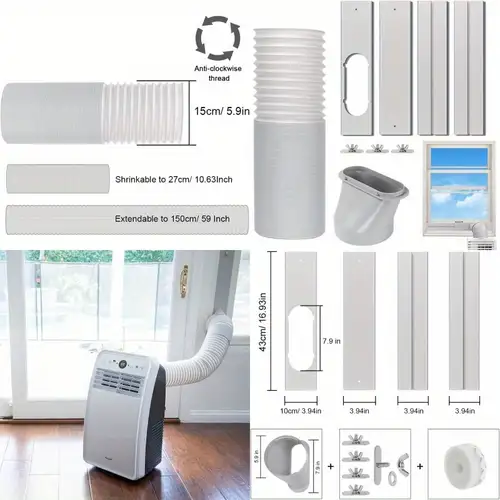
Portable air conditioners need a way to vent hot air outside. A drop ceilingoffers an easy path for the vent hose. Lift a ceiling tile and run the hose through the open space above. Use a vent cap or grille to finish the opening and keep dust out.
Through-the-wall ventingworks well if you can make a small hole in the wall. Cut a hole near the floor or ceiling, just big enough for the hose. Install a vent kit to hold the hose in place and seal the hole from air leaks.
Vent hose extensionshelp reach farther windows or vents. Extensions connect directly to the air conditioner’s exhaust hose. Make sure to use sealed connections to stop hot air from leaking back into the room.
Sealing And Insulating The Space
Preventing air leaks is keyto using a portable air conditioner without a window. Sealing gaps keeps cool air inside and hot air outside. Weatherstrippingis a simple way to block these leaks. It fits around doors, vents, or any open spaces. This material is cheap and easy to install.
Insulating the vent hosealso helps. The hose gets hot air out, but it can let heat back in if not insulated. Wrap it with foam or reflective insulation to keep the air cool inside your room. This stops your air conditioner from working too hard.
- Use weatherstrippingaround open areas to block air leaks.
- Seal gapsbetween walls and vent hose for better cooling.
- Wrap the vent hosewith insulation material to reduce heat gain.
- Check for leaksregularly and reseal if needed.

Credit: www.youtube.com
Setting Up Exhaust Properly
Place the exhaust hoseas straight as possible. Avoid sharp bends that block airflow. The hose should lead outside or to a vent. This allows hot air to leave the room efficiently.
Make sure the hose end is sealed well. Gaps let hot air flow back inside. Use tape or a seal to stop backflow. This keeps the room cool and saves energy.
Check the stabilityof the air conditioner. Place it on a flat, stable surface. Avoid spots where it might tip or fall. Keep it away from water or heat sources for safety.
Using Evaporative Cooling Techniques
Adding ice or cold waterto the portable air conditioner’s water tank can help cool the air better. The cold water absorbs heat from the air, making it feel cooler. Replace the ice frequently for best results. This simple trick can enhance the evaporative coolingeffect.
Using fansnear the portable air conditioner helps spread the cool air faster. Position a fan to blow air across the cooling unit. This makes the room feel cooler quicker. Fans also help move warm air out.
Evaporative coolingworks best in dry climates. It adds moisture to the air, so it may not cool well in humid places. It cannot lower temperature as much as regular air conditioners. This method is good for small spacesand short-term reliefonly.
Maintaining Your Portable Ac
Cleaning the filters regularlykeeps the air fresh and the unit working well. Dirty filters block airflow and reduce cooling. Remove and rinse the filters every two weeks. Let them dry fully before putting them back.
Draining condensate is important to stop water buildup. Some portable ACs have a drain plug or a tank to empty. Check the water level often and drain to avoid leaks or damage.
Routine inspections help catch problems early. Look for cracks, loose parts, or strange noises. Check the exhaust hose for kinks or blockages. Fix small issues to keep the unit safe and efficient.
Energy-saving Tips
Set the thermostat to around 78°F (25°C)for good cooling and energy savings. Lower settings use more power and waste energy. Using a timer helps run the unit only when needed. This saves electricity and cuts costs.
Smart controls let you adjust the temperature from your phone. They can turn the air conditioner off when you leave home. This stops cooling an empty room.
- Use fans to spread cool air faster.
- Close curtains to block sunlight and heat.
- Keep doors closed to focus cooling on one room.
These small steps help the portable air conditioner work better without a window. They save energy and keep your space comfortable.

Credit: www.aol.com
Frequently Asked Questions
How Can I Use A Portable Ac Without A Window?
You can use a portable AC without a window by venting through a door or wall. Use a vent kit or create an exhaust hole to release hot air outside.
Is Venting Necessary For Portable Air Conditioners?
Yes, venting is essential. It removes hot air generated by the AC, preventing room overheating and ensuring efficient cooling.
Can I Use A Portable Ac Without Any Vent?
Using a portable AC without venting reduces cooling efficiency. It causes heat buildup, making the unit work harder and increasing energy use.
What Are Alternative Venting Options Without Windows?
Alternative venting options include sliding door kits, drop ceiling vents, or venting through a wall. These options help exhaust hot air effectively.
Conclusion
Using a portable air conditioner without a window is possible and practical. Choose a good venting option to release hot air outside. Keep the unit stable and place it near a power source. Regularly clean the filters to keep it working well.
This way, you stay cool even without a window. Simple steps make a big difference in comfort. Enjoy cool air without needing a traditional setup. Stay comfortable all summer with easy solutions.