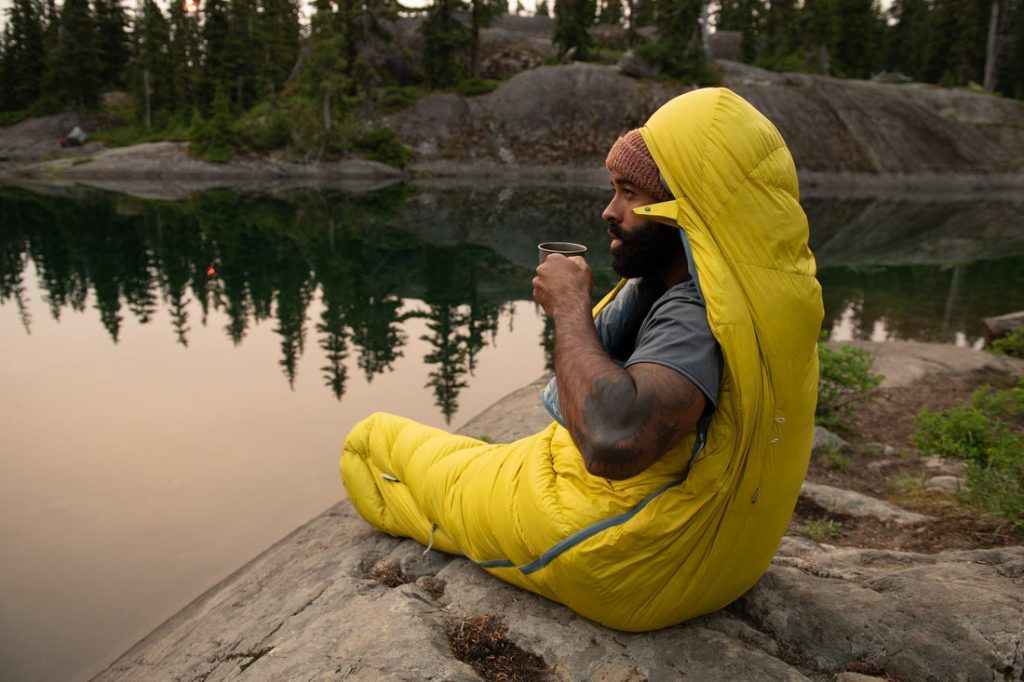
Your sleeping bag is your trusted companion on every adventure, keeping you warm and cozy through the night. But when was the last time you gave it a good wash?
Cleaning your sleeping bag properly isn’t just about freshening it up—it protects its insulation, extends its life, and ensures you stay comfortable on every trip. If you’ve ever wondered how to wash a sleeping bag without damaging it, you’re in the right place.
Keep reading, and you’ll learn simple, step-by-step tips to clean your sleeping bag safely and effectively.
Choosing The Right Washing Method
Cleaning a sleeping bag keeps it fresh and extends its life. Picking the right washing method matters. This guide helps you choose between machine washing, hand washing, or hiring a cleaner.
Each method works best in different cases. Knowing when to use each saves effort and protects your sleeping bag.
Machine Washing Vs Hand Washing
Machine washing is fast and easy for many sleeping bags. Hand washing offers more control and gentler care. Choose the best method based on your bag’s material and condition.
- Machine Washing:Use a front-loading washer on a gentle cycle. Use cold water and mild detergent.
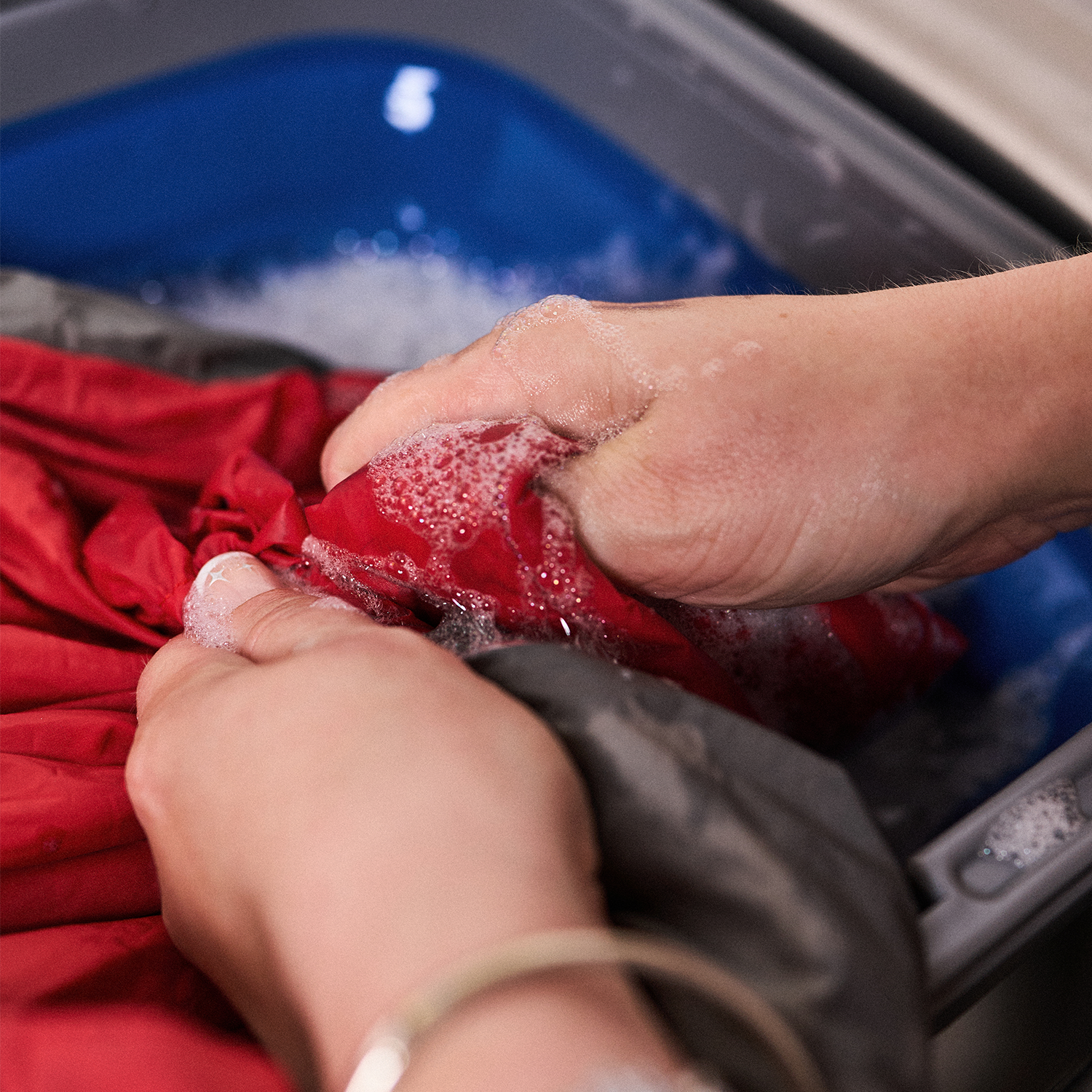
- Hand Washing:Fill a tub with cold water and mild soap. Soak and gently scrub the sleeping bag.
- Drying:Air dry or use a low heat setting in a dryer with clean tennis balls to keep loft.
When To Use A Professional Cleaner
Some sleeping bags need special care beyond home washing. A professional cleaner can handle down insulation or delicate fabrics safely.
| Condition | Reason to Use Professional Cleaner |
| Heavy Stains | Special treatments to remove tough dirt |
| Down Sleeping Bags | Proper cleaning to keep loft and insulation |
| Delicate Materials | Avoid damage from harsh washing machines |
| Strong Odors | Use professional deodorizing methods |
Preparing Your Sleeping Bag
Washing your sleeping bag needs some careful preparation. Doing it right helps keep the bag clean and safe.
Before washing, take time to prepare the sleeping bag well. This keeps it in good shape for many uses.
Emptying All Pockets
Check all pockets and remove any items inside. Small things can damage the bag or washing machine.
Emptying pockets also helps the bag wash evenly and keeps dirt from spreading.
Checking For Damage
Look over your sleeping bag for holes or tears. Fix small damage before washing to stop it from getting worse.
Check the stitching and fabric carefully. This protects the insulation inside your sleeping bag.
Closing Zippers And Velcro
Zip all zippers and fasten all Velcro strips. This stops them from snagging or tearing fabric during washing.
Closed zippers and Velcro also help the bag keep its shape and clean properly.
Selecting Detergents And Cleaning Products
Washing a sleeping bag needs the right detergent. The wrong product can damage the bag’s insulation.
Choosing the correct detergent helps keep your sleeping bag clean and warm for many trips.
Best Detergents For Down Bags
Down sleeping bags need gentle detergents that keep feathers fluffy. Regular soap can strip natural oils.
Use special down cleaners to protect the loft and maintain warmth.
- Use detergents made for down products
- Avoid bleach or fabric softeners
- Look for liquid formulas for better rinsing
Detergents For Synthetic Bags
Synthetic sleeping bags clean well with mild detergents. They do not need special cleaners like down bags.
Choose a gentle detergent that rinses easily and does not leave residue.
- Use mild, non-detergent soap or gentle laundry detergent
- Avoid fabric softeners to keep insulation effective
- Liquid detergents rinse better than powder
Avoiding Harsh Chemicals
Harsh chemicals can damage the fabric and insulation in sleeping bags. Stay away from bleach and strong detergents.
These chemicals reduce the bag’s warmth and lifespan. Always pick gentle, eco-friendly products.
- Never use bleach or fabric softeners
- Avoid detergents with strong fragrances or dyes
- Choose biodegradable and phosphate-free options
Credit: www.ellis-brigham.com
Washing Techniques For Different Materials
Sleeping bags need cleaning to stay fresh and last longer. Different materials need different washing methods.
Knowing how to wash your sleeping bag helps keep its warmth and shape. This guide covers down and synthetic bags.
Washing Down Sleeping Bags
Down sleeping bags need gentle care. The down feathers can clump if washed incorrectly. Use a front-load washer to avoid damage.
- Use a mild detergent made for down materials.
- Wash on a cold, gentle cycle.
- Rinse twice to remove all soap.
- Dry slowly on low heat with clean tennis balls to break up clumps.
- Do not use bleach or fabric softeners.
Cleaning Synthetic Sleeping Bags
Synthetic bags are easier to clean and dry faster. They tolerate machine washing better than down bags.
| Material | Washing Temperature | Drying Method |
| Polyester Fill | Warm (30-40°C) | Tumble dry low or air dry |
| Polypropylene Fill | Cold to Warm (up to 40°C) | Air dry recommended |
| Nylon Shell | Cold Wash | Low heat tumble dry or air dry |
Always check the care label before washing. Use mild detergent and avoid bleach. Dry completely before storage.
Drying Your Sleeping Bag Properly
Drying your sleeping bag after washing is very important. It keeps the bag clean and ready for your next trip.
Proper drying helps keep the insulation safe and the bag comfortable to use.
Air Drying Tips
Air drying is gentle and protects the sleeping bag’s materials. Use these tips for best results.
- Find a shaded, well-ventilated area to hang the bag.
- Lay the bag flat or hang it by the loops to keep its shape.
- Turn the bag occasionally to help even drying.
- Avoid direct sunlight to prevent fabric damage.
- Allow enough time for the bag to dry fully before storing.
Using A Dryer Safely
Using a dryer can speed drying but needs care to avoid damage.
| Dryer Setting | Recommended Use |
| Low Heat | Safe for most sleeping bags to protect insulation |
| Air Fluff | Good for delicate or synthetic bags |
| High Heat | Not recommended; can harm fabric and fill |
| Dryer Balls | Use to prevent clumping of insulation |
Preventing Clumping And Mold
Keep your sleeping bag fresh by preventing clumps and mold during drying and storage.
- Shake the bag gently during drying to separate insulation.
- Use dryer balls or clean tennis balls in the dryer.
- Ensure the bag is completely dry before storing.
- Store the bag loosely in a breathable sack, not compressed.
- Keep storage areas dry and cool to prevent mold growth.
Maintaining Your Sleeping Bag Between Washes
Washing a sleeping bag often can damage its materials. Keeping it clean between washes helps it last longer. Simple care steps can keep your bag fresh and ready.
Here are easy ways to maintain your sleeping bag without washing it all the time. These tips save time and keep your bag in good shape.
Spot Cleaning Tricks
Spot cleaning removes small stains and dirt without washing the whole bag. It saves the insulation and fabric from wear.
Use a mild soap and a soft cloth or sponge. Gently rub the stained area and rinse with clean water. Let it dry completely before storing.
- Mix mild soap with water
- Use a soft cloth to dab the stain
- Rinse with a damp cloth
- Air dry away from direct sunlight
Proper Storage Practices
Storing your sleeping bag correctly keeps it fluffy and clean. Avoid compressing it for long times to protect the insulation.
Use a large storage sack or hang it in a cool, dry place. This prevents damage and stops bad smells from forming.
- Store in a large cotton or mesh bag
- Keep it loose, not compressed
- Store in a dry, cool area
- Keep away from direct sunlight and moisture
Common Mistakes To Avoid
Washing a sleeping bag seems simple but many make mistakes. These errors can harm the bag’s insulation and fabric.
Knowing what to avoid helps keep your sleeping bag clean and long-lasting. Here are common mistakes to watch out for.
Overwashing
Washing your sleeping bag too often can damage its filling. The insulation may lose loft and warmth.
Only wash your sleeping bag when it is really dirty or smells bad. Spot cleaning works well for small stains.
- Overwashing breaks down insulation fibers
- It reduces the bag’s ability to keep heat
- Spot clean to avoid frequent full washes
Using Fabric Softeners
Fabric softeners may seem helpful but they harm your sleeping bag. They coat fibers and reduce breathability.
Avoid using fabric softeners or dryer sheets when washing or drying your bag. Use mild detergent instead.
- Softener leaves a residue on insulation
- It reduces warmth and comfort
- Mild detergents keep the bag safe and clean
Ignoring Manufacturer Instructions
Every sleeping bag is different. Ignoring care instructions can ruin the bag or void warranties.
Always read and follow the label’s washing and drying instructions. This protects the materials and ensures safety.
- Check water temperature and cycle type
- Use recommended cleaning products only
- Follow drying and storage tips carefully

Credit: www.gearaid.com

Credit: www.halfwayanywhere.com
Frequently Asked Questions
How Often Should You Wash A Sleeping Bag?
Wash your sleeping bag after every 3 to 5 uses. Frequent washing can damage insulation and fabric. Spot clean minor stains to extend time between washes. Proper care maintains warmth and prolongs sleeping bag life.
Can You Machine Wash A Sleeping Bag Safely?
Yes, use a front-loading washing machine on a gentle cycle. Use cold water and mild detergent designed for down or synthetic insulation. Avoid fabric softeners and bleach to protect the materials.
What Is The Best Detergent For Washing Sleeping Bags?
Choose a gentle, non-detergent cleaner made for down or synthetic insulation. Regular detergents can strip natural oils and reduce loft. Specialized cleaners keep insulation fluffy and effective.
How Do You Dry A Sleeping Bag Properly?
Air dry your sleeping bag flat or hang it in a shaded area. Use a large dryer on low heat with clean tennis balls to restore loft. Avoid direct sunlight and high heat to prevent damage.
Conclusion
Washing your sleeping bag keeps it clean and fresh for trips. Use gentle soap and cool water to protect the fabric. Avoid harsh machines; hand washing works best for many bags. Dry it fully before storing to prevent mold and smells.
Taking care of your sleeping bag helps it last longer. Clean habits make your outdoor nights more comfortable. Simple steps can keep your gear ready for adventure anytime.