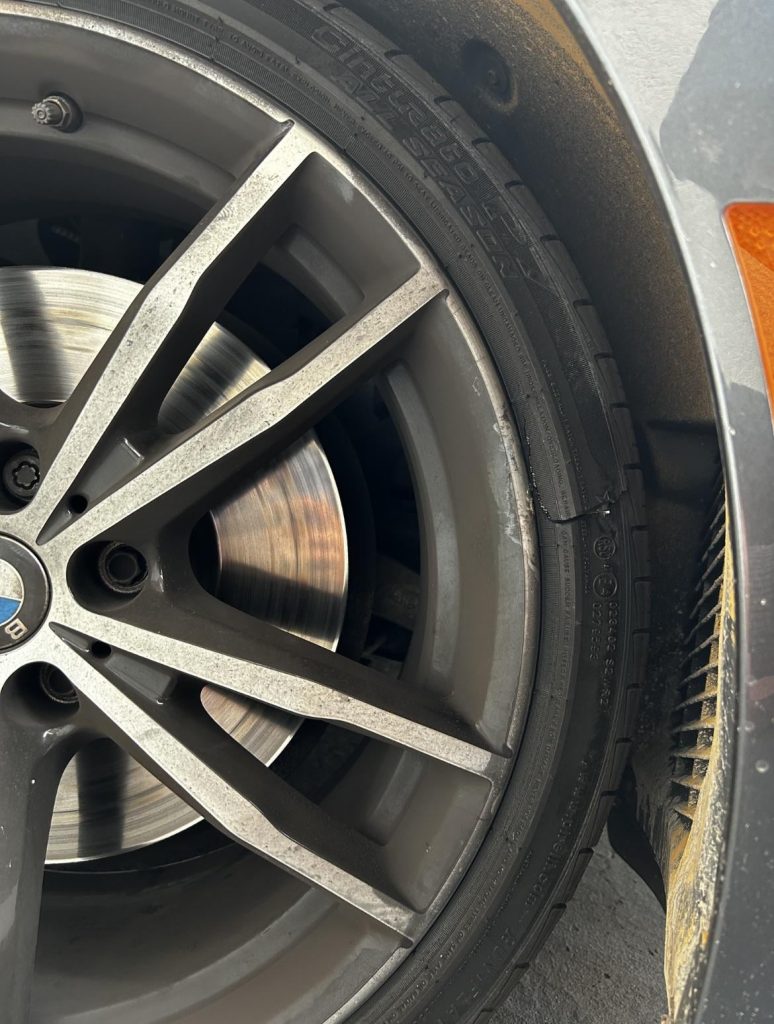
Have you ever found yourself staring at a flat tire and wondering, “How long can my car sit like this without causing serious damage?” It’s a question that might seem simple, but the answer can save you from costly repairs and unexpected headaches. Leaving your car on a flat tire might seem harmless at first, but every hour it stays that way could be making the problem worse.
You’ll learn exactly how long your car can safely sit on a flat tire and what steps you should take to protect your vehicle and avoid trouble down the road. Keep reading—you don’t want to miss these crucial tips that can keep your car in good shape and your wallet happy.
Credit: selectmyblog.com
Effects Of A Flat Tire On A Parked Car
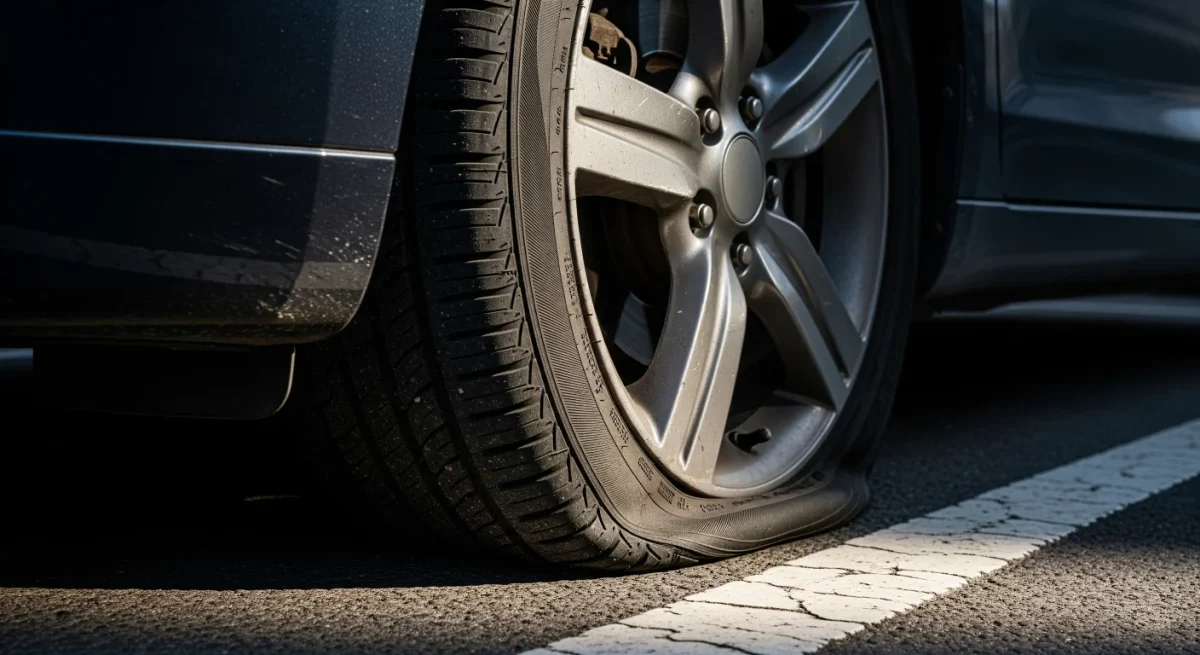
A flat tire can cause problems even when the car is not moving. Leaving a car on a flat tire for a long time can damage parts of the vehicle.
It is important to understand what happens to the tire, rim, and other parts. This helps to avoid extra repair costs and keep the car safe.
Damage To Tire And Rim
A flat tire left under the car’s weight can get worse quickly. The tire sidewalls can crack or break due to pressure.
The rim may also get bent or scratched if the car stays on the flat tire for days. This can cause leaks or make the tire hard to fix.
- Sidewall damage weakens the tire structure
- Rim bending causes air leaks
- Scratches on the rim may need costly repair
Impact On Suspension And Alignment
A flat tire changes how the car’s weight spreads. This can affect the suspension and wheel alignment over time.
Suspension parts may wear unevenly. Misalignment can cause the car to pull to one side when driving.
- Uneven weight strains suspension parts
- Wheel alignment may shift
- Poor alignment leads to uneven tire wear
Risks Of Prolonged Pressure On One Side
Keeping a car parked on a flat tire puts too much pressure on one side. This can harm the car’s frame and other components.
Parts like bushings and joints may become stressed. This could cause noises or rough handling when driving again.
- Car frame may twist or bend slightly
- Bushings and joints face extra stress
- Can lead to uneven wear and noises later
Timeframe For Leaving A Car On A Flat Tire
Leaving a car on a flat tire is not ideal. The length of time it can safely stay depends on many factors.
This guide explains how long a flat tire can sit without causing serious damage to your vehicle.
Short-term Limits
A car can sit on a flat tire for a short time without major harm. Usually, a few hours to a day is safe if the car is not driven.
- Check the tire pressure often.
- Do not drive on the flat tire.
- Move the car to a safe spot quickly.
- Repair or replace the tire as soon as possible.
Potential Long-term Consequences
Leaving a car on a flat tire for days or weeks causes damage. The tire sidewall can crack or tear. The wheel rim may bend or rust. The car’s suspension and alignment can be affected too.
| Damage Type | Possible Effect |
|---|---|
| Tire Damage | Cracking, deformation, or complete failure |
| Wheel Rim | Bending, warping, or corrosion |
| Suspension | Uneven wear and stress on components |
| Alignment | Misalignment causing poor handling |
Environmental Factors Influencing Damage
Weather and surface conditions affect how fast damage occurs. Hot sun can dry and crack tires. Cold and moisture cause rust on rims. Rough or uneven ground adds pressure points on the flat tire.
Key environmental factors to watch:
- Temperature extremes
- Humidity and rain exposure
- Type of ground (gravel, asphalt, dirt)
- Sunlight intensity and duration
Safety Concerns With Flat Tires
A flat tire can cause many safety problems for drivers. It is important to know the risks before driving or parking with one.
Ignoring a flat tire can lead to accidents and damage to the vehicle. Let’s look at the key safety concerns.
Risk Of Tire Blowout
A flat tire weakens the tire’s structure. This can cause a blowout if the tire is driven on for too long.
- Driving on a flat increases heat and pressure.
- The tire sidewall may crack or burst suddenly.
- Blowouts can cause loss of vehicle control.
- It is unsafe to drive even short distances on a flat tire.
Effect On Vehicle Stability
A flat tire changes how your car handles. It lowers stability and makes steering harder.
| Issue | Effect |
| Uneven weight | Car may pull to one side |
| Less tire grip | Longer stopping distance |
| Damaged wheel | Vibrations and rough ride |
| Steering difficulty | Increased risk of accidents |
Hazards During Vehicle Movement
Moving a vehicle with a flat tire is risky. It can cause damage and endanger others on the road.
Common hazards include:
- Loss of control due to uneven traction
- Damage to the wheel rim and suspension
- Debris from the tire can hit pedestrians or other cars
- Increased chance of accidents in traffic
Steps To Take When You Find A Flat Tire
Finding a flat tire can be stressful. You need to act quickly to avoid damage. Follow simple steps to stay safe and fix the problem.
Knowing what to do helps you handle the situation with confidence. Here are clear steps to guide you.
Immediate Inspection
Check your tire right after you notice the flat. Look for visible damage like nails or sharp objects. See if the tire is completely flat or just low on air.
Also, inspect the surrounding area for safety. Make sure you are in a safe spot before you start any work on the tire.
- Look for punctures or cuts on the tire
- Check if the tire sidewall is damaged
- Ensure the car is parked safely away from traffic
- Turn on hazard lights if on the road
Temporary Fixes And Solutions
You can try simple temporary fixes if you have the right tools. Use a spare tire or tire repair kit to get moving again. These fixes are short-term and meant to reach a repair shop.
- Use a jack to lift the car
- Remove the flat tire carefully
- Install the spare tire or donut
- Use a tire sealant or patch kit for small punctures
- Check tire pressure before driving
Drive slowly and avoid long distances with temporary fixes. They keep you safe until you get a full repair.
When To Call For Professional Help
Some flat tires need expert attention. Call a professional if the damage is severe or you do not have tools. Professionals can fix or replace the tire safely and quickly.
- Tire sidewall is torn or heavily damaged
- No spare tire or repair kit available
- You feel unsafe changing the tire on the roadside
- Multiple tires are flat or damaged
- Need advice on tire replacement or maintenance
Getting help from a professional prevents further damage and keeps you safe on the road.
Preventing Flat Tires And Minimizing Damage
Flat tires can cause trouble and damage to your car. Taking simple steps helps avoid flats. It also keeps your car safe and saves money.
Learn how to care for your tires and reduce damage. Follow easy tips for better tire health.
Regular Tire Maintenance
Check your tires often for signs of wear or damage. Look for cracks, bulges, or objects stuck in the tire. Rotate tires every 5,000 to 7,000 miles to spread wear evenly. Replace tires if tread depth is too low.
- Inspect tires monthly
- Rotate tires regularly
- Replace worn tires promptly
- Keep tires clean from debris
Proper Inflation Practices
Keep your tires inflated to the correct pressure. Under-inflation causes flats and damages tires faster. Over-inflation reduces traction and wears tires unevenly. Check tire pressure at least once a month and before long trips. Use a reliable tire gauge and follow the car maker’s pressure guide.
| Inflation Tip | Recommended Action |
| Check pressure | Monthly and before trips |
| Use correct pressure | Follow vehicle manual |
| Adjust when cold | Measure before driving |
| Avoid leaks | Replace damaged valve caps |
Using Spare Tires And Tire Sealants
Carry a spare tire in good condition. Know how to change a tire safely. Use tire sealants only for temporary repairs. They can stop small leaks but are not a permanent fix. Always visit a mechanic after using sealants to inspect your tire.
- Keep a properly inflated spare tire
- Learn to change a tire safely
- Use sealants only for small leaks
- Get professional repair after sealant use
Credit: www.gm-volt.com
Credit: www.lugwrenchheroes.com
Frequently Asked Questions
How Long Can A Car Sit On A Flat Tire Safely?
A car can sit on a flat tire for a few hours safely. Prolonged sitting risks rim damage and tire deformation. Immediate repair or replacement is recommended to avoid costly repairs and maintain vehicle safety.
What Damage Occurs If A Car Sits On Flat Tire?
Sitting on a flat tire causes rim bending, tire sidewall damage, and alignment issues. It may also lead to corrosion if the rim contacts moisture. Prompt tire inflation or replacement prevents further damage and ensures safe driving.
Can A Flat Tire Cause Suspension Problems?
Yes, a flat tire can stress suspension components due to uneven weight distribution. Prolonged driving or parking on a flat tire may lead to premature suspension wear or damage. Fixing the tire quickly helps protect suspension health.
Is It Safe To Drive On A Flat Tire Temporarily?
Driving on a flat tire, even briefly, is unsafe and can damage the wheel. It risks losing control, causing accidents or further mechanical harm. Always replace or repair the tire before driving to ensure safety.
Conclusion
A car should not stay on a flat tire for long. Sitting too long can damage the tire and wheel. It can also hurt your car’s suspension and alignment. Fix the flat tire as soon as possible. Driving with a flat tire is unsafe and can cause accidents.
Regular tire checks help avoid these problems. Take care of your tires to keep your car running smoothly. Remember, quick action saves money and keeps you safe on the road.