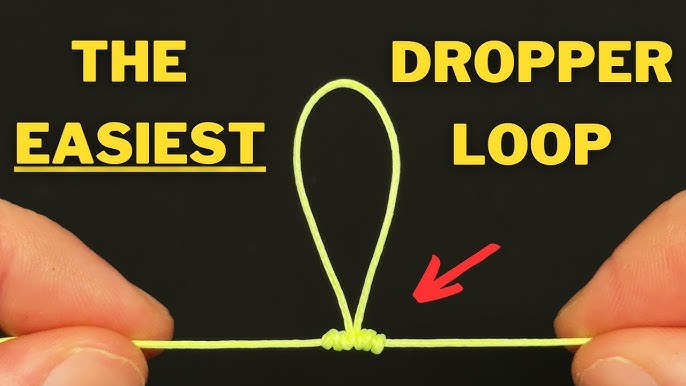
Are you tired of your bait not sinking where you want it? Knowing how to attach weight to your fishing line can make all the difference between a wasted cast and a successful catch.
Whether you’re fishing in deep water or battling strong currents, the right weight setup helps you control your lure’s depth and improves your chances of hooking fish. In this guide, you’ll discover simple, effective methods to add weight to your line quickly and securely.
Keep reading, and you’ll learn tips that can transform your fishing experience—making every cast count.
Credit: www.beadinggem.com
Choosing The Right Weight
Adding weight to your fishing line helps your bait reach the right depth. It also improves casting distance and stability in the water.
Selecting the correct weight depends on many factors. These include the type of fishing, water conditions, and the material of the weight.
Types Of Fishing Weights
Fishing weights come in different shapes and sizes. Each type serves a specific purpose to help catch fish better.
- Sinker: A common round or egg-shaped weight that sinks bait quickly.
- Split Shot: Small round weights that pinch onto the line for subtle weighting.
- Bullet Weight: Shaped like a bullet, good for fishing in weeds or rocks.
- Pyramid Weight: Has a pointed end that holds well in strong currents.
- Bank Weight: Flat design that stays put on riverbeds with fast water.
Matching Weight To Fishing Conditions
Choosing the right weight depends on water depth, current strength, and wind. The goal is to keep your bait at the right spot without drifting too much.
| Water Condition | Recommended Weight | Reason |
| Calm water | Light weight (1-5 grams) | Allows natural bait movement |
| Moderate current | Medium weight (5-15 grams) | Keeps bait steady without drifting |
| Strong current or wind | Heavy weight (15+ grams) | Prevents bait from moving too fast |
Material Considerations
Fishing weights come in several materials. Each has pros and cons that affect performance and the environment.
- Lead: Heavy and cheap but toxic to wildlife.
- Tungsten: Dense and smaller size, less harmful than lead.
- Steel: Durable and non-toxic but less dense than lead.
- Bismuth: Non-toxic and biodegradable but more expensive.
- Plastic-coated weights: Reduce line damage and noise.
Preparing Your Fishing Line
Getting your fishing line ready is important before adding any weight. Proper preparation helps your fishing work better and last longer.
This guide covers how to select the right line, cut and check it, and attach a leader or swivel to start fishing.
Selecting The Line Type
Choose the right fishing line based on your target fish and water type. Different lines have different strength and stretch.
- Monofilament is good for beginners and is stretchy.
- Fluorocarbon is less visible underwater and sinks faster.
- Braid is very strong and has little stretch.
Cutting And Inspecting The Line
Cut your line cleanly to avoid weak spots. Use sharp scissors or line cutters for the best results.
| Check For | Why It Matters |
| Frays or Nicks | Can cause line to break easily |
| Discoloration | May show line damage from sun or water |
| Knots | Weak spots that reduce strength |
Inspect the line carefully after cutting. Replace any damaged sections before tying weights.
Adding A Leader Or Swivel
A leader or swivel helps connect your line to the weight and hook. It reduces line twist and keeps knots strong.
- Attach a swivel to stop line from twisting.
- Use a leader to protect the main line from sharp teeth or rough surfaces.
- Tie strong knots like the Palomar or improved clinch knot.
Attaching Weights To The Line
Adding weights to your fishing line helps your bait sink to the right depth. It also keeps your line steady in the water.
There are different ways to attach weights. Each way works best for certain fishing styles.
Using Split Shot Sinkers
Split shot sinkers are small and round. They have a slit to pinch onto the line.
To attach, open the split shot with pliers. Place it on the line. Squeeze it closed tightly.
- Pinch the sinker near the bait or hook
- Use pliers for a tight grip
- Add more sinkers if you need extra weight
Adding Egg Sinkers
Egg sinkers are oval-shaped weights. They have a hole through the center for the line.
Slide the egg sinker onto the line before tying your hook. The sinker can move freely along the line.
- Slide the sinker onto the main line
- Leave space for the hook or lure
- Use a stopper knot if you want to fix its position
Attaching Sliding Sinkers
Sliding sinkers let the line pass through them. This helps fish take the bait without feeling weight.
Thread the sinker onto your line. Add a bead and a swivel below it to protect the knot.
- Slide sinker onto the line first
- Place a plastic or glass bead below the sinker
- Tie a swivel under the bead to stop damage
Securing With Clips Or Swivels
Clips and swivels hold weights firmly on the line. They make it easy to change weights fast.
Attach the clip or swivel to your main line. Then, clip on the weight or sinker.
- Tie a swivel or clip to the end of the line
- Attach different sinkers to the clip
- Change weights without cutting the line

Credit: www.reddit.com
Knots For Weight Attachment
Attaching weight to your fishing line is important for casting and bait control. Using the right knot keeps the weight secure and prevents line damage.
Some knots are better for holding weights tightly. Here are three common knots used to attach weights safely to your fishing line.
Improved Clinch Knot
The Improved Clinch Knot is a popular choice for securing weights. It is simple and holds well with most fishing lines.
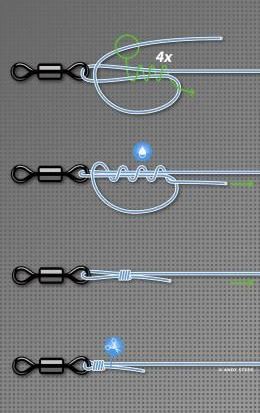
To tie this knot, thread the line through the weight’s eye, wrap it around five times, and pass the end back through the loop. Tighten the knot by pulling the tag end and main line.
- Thread line through the weight
- Wrap line five times around the standing line
- Pass the end through the small loop near the weight
- Pull tight to secure the knot
Palomar Knot
The Palomar Knot is strong and easy to tie. It works well for attaching weights to braided or monofilament lines.
Fold the line in half and pass it through the weight’s eye. Tie a loose overhand knot, then pass the weight through the loop. Pull both ends to tighten the knot.
- Fold the line and pass through the weight eye
- Make a loose overhand knot with the doubled line
- Pass the weight through the loop
- Pull both ends to tighten the knot securely
Uni Knot
The Uni Knot is versatile and reliable for attaching weights. It is easy to adjust before tightening.
Pass the line through the weight eye and make a loop. Wrap the tag end around the standing line and through the loop five times. Pull the knot tight and slide it down to the weight.
- Pass the line through the weight eye
- Form a loop alongside the standing line
- Wrap the tag end five times around both lines
- Pull tight and slide the knot to the weight
Adjusting Weight Placement
Adding weight to your fishing line helps control how your bait moves in the water. Adjusting where you place the weight changes how your line feels and casts.
Careful placement of weights improves your chances of catching fish. It also affects how sensitive your line is to bites.
Positioning For Different Fishing Techniques
Different fishing styles need weights in different spots on the line. This helps the bait move the right way for each technique.
For bottom fishing, place the weight near the hook to keep bait close to the floor. For float fishing, put the weight above the float to balance it.
- Slip sinker rigs: weight slides freely above the hook
- Bobber fishing: weight is just below the float
- Drop shot rigs: weight is at the very end of the line
- Carolina rigs: weight is fixed above a swivel, far from the hook
Balancing Sensitivity And Casting Distance
Heavier weights help you cast farther but reduce your line’s sensitivity. Lighter weights make it easier to feel bites but limit casting range.
Find the right spot on your line to keep good feel and good cast. Moving weight closer to the rod tip can improve distance. Placing it near the bait helps feel bites better.
- Cast farther by moving weight away from the bait
- Increase bite detection by placing weight near the bait
- Use medium weight for a balance of cast and feel
- Adjust based on water depth and current strength

Credit: www.reddit.com
Tips For Safe And Effective Weight Use
Attaching weight to your fishing line helps keep your bait at the right depth. Using weights safely protects your gear and improves your catch chances.
Learn how to avoid line damage, stop weight loss, and adjust to different water conditions for better fishing results.
Avoiding Line Damage
Line damage can cause your tackle to fail and lose fish. Use smooth knots and avoid sharp edges on weights. Check your line often for frays or cuts.
- Use swivel connectors to reduce line twist.
- Choose weights with rounded edges.
- Replace damaged line sections quickly.
- Do not overload your line with heavy weights.
Preventing Weight Loss
Lost weights mean wasted money and time. Secure weights tightly and test your knots before fishing. Use the right weight size for your setup.
| Tip | Why It Helps |
| Tighten knots firmly | Keeps weights from slipping off |
| Use appropriate weight size | Prevents line breakage and loss |
| Check knots before casting | Ensures connection is secure |
| Use clip-on weights | Allows easy attachment and removal |
Adapting To Environmental Factors
Water conditions affect weight choice and use. Adjust weight size and placement based on current, depth, and bottom type.
- Strong current: Use heavier weights to hold position.
- Shallow water: Use lighter weights to avoid snagging.
- Muddy bottom: Use weights that sink quickly.
- Rocky bottom: Use weights with smooth shapes to reduce snags.
Frequently Asked Questions
How Do You Attach Weight To A Fishing Line?
To attach weight, thread the fishing line through the weight’s hole. Slide the weight up to the desired position. Secure it using a stopper knot or a rubber band to prevent movement. This setup improves casting distance and controls bait depth effectively.
What Types Of Weights Work Best For Fishing Lines?
Split shot, egg sinkers, and bullet weights are popular choices. Split shots are ideal for light fishing, while egg sinkers suit river currents. Bullet weights work well for bass fishing. Choose weights based on water conditions and target fish species.
Can I Tie Weights Directly To The Fishing Line?
Yes, but it’s not always recommended. Directly tying weights can damage the line and reduce casting efficiency. Using a swivel or clip to attach weights helps prevent line twists and makes weight changes easier.
How Does Weight Placement Affect Fishing Success?
Weight placement controls bait depth and stability. Placing weights closer to the hook keeps bait near the bottom. Positioning weights farther away allows natural bait movement. Proper placement improves bite detection and increases catch rates.
Conclusion
Attaching weight to your fishing line helps control bait depth and improves casting distance. Use simple knots like the improved clinch or Palomar for a secure hold. Choose the right weight size based on fishing conditions. Always check your knots before casting to avoid losing tackle.
Practice a few times to get comfortable with the process. This skill makes fishing easier and more fun. Keep your gear ready and enjoy better catches every time you fish.