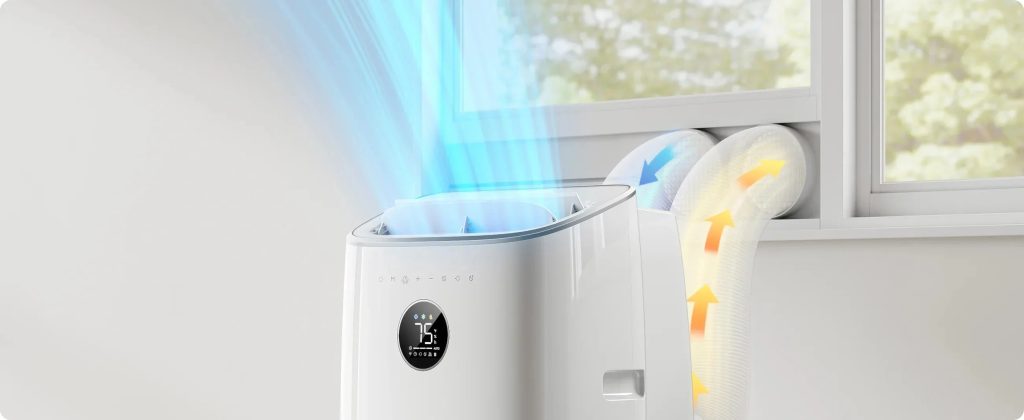
Are you wondering if your portable air conditioner needs to be vented outside? You’re not alone.
Many people buy these handy cooling units thinking they’re simple to use, only to get stuck figuring out where the hot air goes. Getting this part wrong can mean your room never cools properly, leaving you frustrated and uncomfortable. You’ll discover the truth about venting portable air conditioners and learn exactly what you need to do to keep your space cool and fresh.
Keep reading—you’ll be glad you did.
How Portable Acs Work
Portable air conditioners cool a room by removing heat from the air. They move warm air outside to lower the temperature inside. These units are easy to move and fit in many spaces.
Understanding how portable ACs work helps you use them better. Two main parts explain their function: the cooling mechanism and the heat exhaust process.
Cooling Mechanism
The cooling system uses a refrigerant to absorb heat from the indoor air. It works like a refrigerator but on a larger scale. The air conditioner pulls warm air inside and passes it over cold coils.
- The refrigerant inside the coils absorbs heat from the air.
- The cooled air is blown back into the room.
- Heat moves into the refrigerant, changing it from liquid to gas.
- The process repeats to keep the air cool.
Heat Exhaust Process
Heat collected inside must leave the room to keep cooling effective. Portable ACs use a vent hose to push hot air outside. Without this venting, the heat stays inside and raises the temperature.
| Heat Exhaust Part | Purpose | Details |
| Vent Hose | Remove hot air | Connects portable AC to a window or door |
| Exhaust Fan | Push hot air outside | Works inside the unit with the hose |
| Window Kit | Seal opening | Prevents hot air from coming back inside |

Credit: www.reddit.com
Venting Requirements
Portable air conditioners need proper venting to work well. Venting removes hot air and moisture from the room.
Without venting, the unit cannot cool the space effectively. This guide explains why venting is needed and the common venting options.
Why Venting Is Needed
Portable air conditioners pull warm air from the room and cool it. The heat removed must go outside. Venting allows this hot air to leave the room.
- Removes hot air to keep the room cool
- Prevents moisture buildup inside the room
- Keeps the air conditioner working efficiently
- Reduces the risk of overheating the unit
Types Of Venting Options
Most portable air conditioners come with a venting kit. These kits help push hot air outside through a window or wall.
| Venting Type | Description | Best For |
| Window Venting | Uses a hose to vent hot air through a window | Rooms with accessible windows |
| Wall Venting | Vents hot air through a hole in an exterior wall | Rooms without windows or with fixed windows |
| Sliding Door Venting | Uses an adapter to vent through a sliding door | Rooms with sliding glass doors |
Ventless Portable Acs
Portable air conditioners usually need outside venting. They push hot air out through a hose. Ventless portable ACs work differently.
These units cool air without a vent hose. They use water or other methods to lower the room temperature.
How They Differ
Ventless portable ACs do not need a window or wall vent. They cool by evaporating water or using absorption technology.
They are smaller and easier to move. These units do not remove heat outside but use tricks to cool the air inside.
Pros And Cons
Ventless ACs have benefits and drawbacks. They are simple to set up and can work in many rooms.
- No need for outside venting or hoses
- Easy to move and install
- Often use less energy
- May add moisture to the room
- Less effective in very hot or humid places
- Can make the room feel damp
Installing Venting Systems
Portable air conditioners need venting to work well. Venting lets hot air leave your room. This keeps the air cool and fresh.
Installing a vent system is easy with the right tools and steps. You can use different ways to set up the vent hose.
Common Installation Methods
One common way is to use a window vent kit. It fits in the window and holds the vent hose. This stops hot air from coming back inside.
You can also vent through a sliding door with a special panel. It works like the window kit but fits door gaps.
- Window vent kit: fits most windows
- Sliding door panel: for glass doors
- Wall vent: requires cutting a hole in the wall
- Ceiling vent: less common, needs extra work
Tools And Materials Needed
You need some basic tools to install the vent system. Having these ready will save time and effort.
- Screwdriver to secure vent panels
- Measuring tape for accurate fitting
- Drill for making holes if needed
- Vent kit that fits your window or door
- Sealant or weatherstripping to close gaps
- Utility knife to cut vent panels if required
Make sure the vent hose is not bent or crushed. A smooth airflow helps the air conditioner cool better.
Alternatives To Venting
Portable air conditioners often need outside venting to work well. This venting removes hot air from your room. Some alternatives do not require venting. These options can cool your space without a vent hose.
These alternatives include evaporative coolers, fans, and dehumidifiers. Each option works differently. They can be good choices for rooms where venting is hard.
Evaporative Coolers
Evaporative coolers use water to cool the air. They pull hot air through wet pads. The air cools as the water evaporates. This method works best in dry climates.
These coolers do not need outside venting. They add moisture to the air, so they help in dry rooms. They use less electricity than portable ACs.
- Good for dry, hot areas
- No vent hose needed
- Adds humidity to the air
- Uses less power
Fans
Fans move air around but do not cool it like ACs. They help sweat evaporate from your skin. This makes you feel cooler without lowering room temperature.
Fans are simple and do not need venting. You can use ceiling fans, box fans, or tower fans. They use little electricity and are easy to move.
- Do not lower room temperature
- No venting required
- Low energy use
- Easy to move and use
Dehumidifiers
Dehumidifiers remove moisture from the air. Dry air feels cooler than humid air. This can make a room more comfortable without cooling it.
These devices do not need outside venting. They work well in humid climates. Dehumidifiers help reduce mold and dampness in rooms.
- Remove humidity to improve comfort
- No vent hose needed
- Best in humid areas
- Help prevent mold growth

Credit: www.reddit.com
Energy Efficiency And Costs
Portable air conditioners are popular for cooling rooms without installing permanent units. Many wonder if these devices need outside venting to work well.
Understanding how venting affects energy use and costs helps you choose the right air conditioner.
Impact Of Venting On Efficiency
Portable air conditioners usually require venting to push hot air outside. This venting helps the unit cool the room efficiently.
If a portable AC does not vent outside, it must work harder to cool the space. This extra work lowers energy efficiency and raises power use.
- Venting removes hot air from the room
- No venting causes the unit to recycle warm air
- Proper venting keeps energy use lower
Cost Considerations
Using a portable air conditioner with outside venting can save money on electricity bills. Less energy is wasted compared to unvented units.
Venting kits may add to the initial cost, but they improve efficiency and reduce long-term expenses. Unvented units may cost less upfront but use more power.
- Venting kits cost money but save energy
- Unvented units increase electricity bills
- Energy-efficient units lower monthly costs

Credit: www.cnet.com
Frequently Asked Questions
Do Portable Air Conditioners Need Venting Outside?
Yes, most portable air conditioners require outside venting to expel hot air. Venting prevents heat buildup inside the room. A vent hose is usually connected to a window or wall opening for this purpose.
Can Portable Ac Units Work Without Outside Venting?
Portable ACs generally cannot work efficiently without outside venting. Without venting, hot air remains inside, reducing cooling effectiveness. Some models offer evaporative cooling but do not provide true air conditioning.
How To Properly Vent A Portable Air Conditioner?
Proper venting involves attaching the exhaust hose to a window kit or wall vent. Seal gaps to prevent hot air from re-entering. Follow manufacturer instructions to ensure optimal cooling and safety.
Are There Portable Acs That Don’t Require Venting?
Few portable ACs use evaporative cooling and don’t need venting, but they are less effective. True portable air conditioners require venting to remove hot air and moisture.
Conclusion
Portable air conditioners need outside venting to work well. They push hot air outside through a hose. Without venting, the room stays warm and humid. Setting up venting is easy with windows or doors. This step helps the unit cool your space better.
Choose the right venting option for your room size. Keep venting clear from blockages for best results. Knowing this helps you use your portable AC smartly. Stay cool and comfortable all summer long.