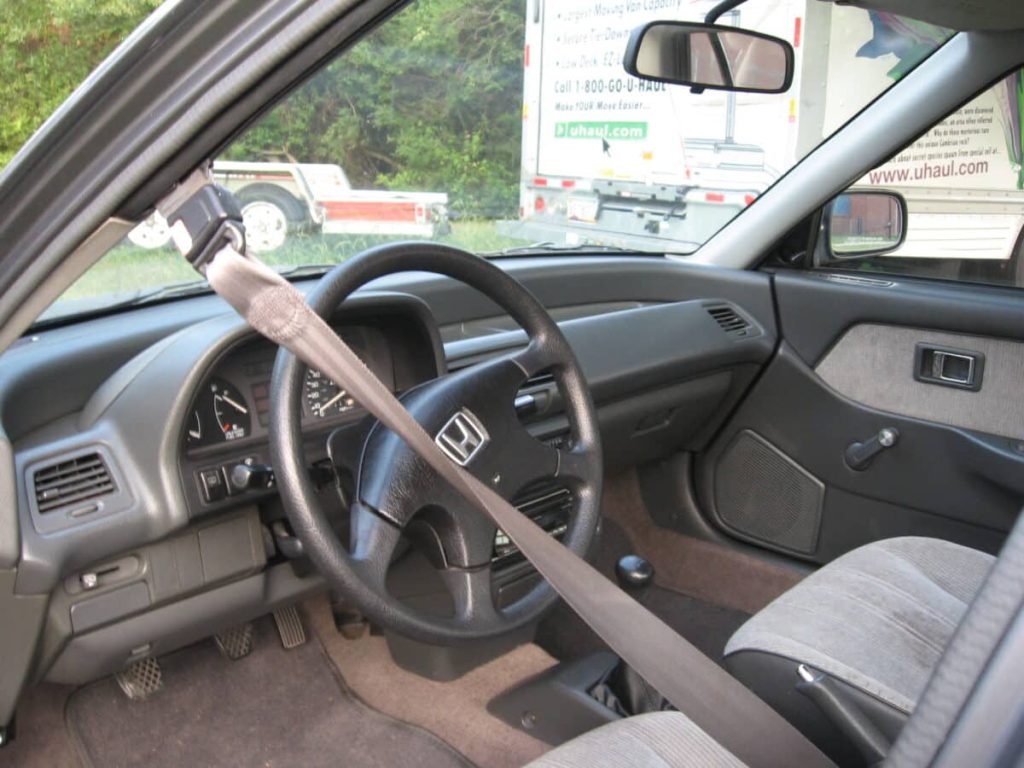
Have you ever wondered when seat belts became a standard part of your car? It’s easy to take this simple safety feature for granted, but there was a time when cars didn’t have them at all.
Understanding when and why seat belts were introduced can change the way you think about your own safety every time you get behind the wheel. Keep reading to discover the surprising story of how seat belts went from an optional add-on to a life-saving necessity in every car.

Credit: www.carsales.com.au
Early Vehicle Safety Measures
Car safety has changed a lot over time. At first, cars had almost no protection for drivers or passengers.
People started to think about ways to make cars safer before seat belts were common.
Pre-seat Belt Era
Before seat belts, cars had few safety features. Some early cars had strong frames to protect passengers. Windows were made smaller to stop people from flying out in a crash.
- Sturdy metal frames
- Smaller glass windows
- Basic brakes without anti-lock systems
- Simple steering wheels without airbags
Initial Safety Concerns
Early drivers and passengers often got hurt in crashes. Cars could easily flip or slide on roads. People worried about how to stop injuries in accidents.
| Safety Issue | Problem |
| No restraint system | Passengers thrown forward in crashes |
| Unprotected steering wheels | Driver injury in collisions |
| Hard metal dashboards | Serious impact injuries |
| Poor road conditions | Increased accident risk |

Credit: www.antheminjurylaw.com
Invention Of The Seat Belt
The seat belt is a key safety device in cars. It helps protect drivers and passengers during crashes.
This invention started more than 100 years ago. Many people worked on early designs and patents.
First Designs And Patents
The first seat belts were simple straps to hold people in place. Early versions were used in planes before cars.
- 1885: Edward J. Claghorn patented a safety belt for tourists and workers.
- 1903: The first seat belt idea for cars appeared in the U.S. patent office.
- 1920s: Seat belts started to be tested in airplanes and race cars.
- 1930s: The modern 3-point seat belt design was being developed.
Key Innovators
| Innovator | Contribution |
| Edward J. Claghorn | First patent for a safety belt in 1885 |
| George Cayley | Used harnesses in gliders in early 1800s |
| G. W. L. Bayley | Patented lap belts in 1885 |
| Nils Bohlin | Invented the 3-point seat belt in 1959 |
Adoption In Cars
Seat belts are now a common safety feature in cars. They help save lives in crashes. But car makers did not add them right away.
The process of putting seat belts in cars took many years. It started slowly and grew over time.
First Car Models With Seat Belts
The first cars with seat belts appeared in the 1950s. Some models had simple lap belts at first. Later, three-point belts became popular.
Volvo was one of the first car companies to include seat belts as standard. They introduced the three-point seat belt in 1959. Other car makers followed slowly.
- 1955: Nash Rambler offered optional seat belts
- 1959: Volvo P120 had standard three-point seat belts
- 1960s: More brands added seat belts as options
- Late 1960s: Seat belts became required by law in some places
Industry Resistance
Car makers did not want to add seat belts at first. They thought seat belts would cost too much. Some also believed drivers would not use them.
There was also worry that seat belts might cause injuries in crashes. These concerns made the industry slow to adopt seat belts. Governments later made laws to force car makers to install them.
- High cost of adding seat belts
- Belief that drivers would avoid using them
- Fear that seat belts might cause harm
- Legal rules eventually required seat belts
Government Regulations
Seat belts became a key safety feature after governments started making rules. These laws helped reduce injuries in car accidents. Understanding these rules shows how safety improved over time.
Governments worked with car makers to add seat belts. These laws changed how cars were built and how drivers behaved. Let’s look at these changes closely.
Mandatory Seat Belt Laws
Many countries passed laws that required seat belts in cars. These rules made it illegal to drive without wearing a seat belt. The laws started in the 1960s and spread worldwide.
- First laws appeared in the United States in 1968.
- Europe followed with seat belt rules in the 1970s.
- Many countries made laws for front and rear seats.
- Fines and penalties were introduced for not wearing belts.
- Public education campaigns supported these laws.
Impact On Car Manufacturers
Car makers had to change their designs to meet new rules. They added seat belts in all new cars and improved the designs over time. This raised safety standards for everyone.
| Year | Requirement | Effect on Manufacturers |
|---|---|---|
| 1968 | Seat belts mandatory in front seats (USA) | Car designs updated with lap and shoulder belts |
| 1974 | Seat belts required in rear seats (Europe) | New models included belts for all passengers |
| 1990s | Stricter belt strength and installation rules | Improved belt materials and anchoring systems |
| 2000s | Introduction of seat belt reminders | Added sensors and alerts to cars |
Technological Advancements
Seat belts have saved many lives since their introduction. Their design improved over time with new technology. These changes made seat belts safer and easier to use.
Two key innovations helped protect passengers better. The three-point seat belt and seat belt pretensioners changed car safety.
Three-point Seat Belts
The three-point seat belt holds the body at three points. It goes over the shoulder and across the lap. This design spreads crash forces over strong body parts.
- Protects head, chest, and pelvis
- Reduces risk of serious injury
- Easy to fasten and unfasten
- First introduced in the 1950s
Seat Belt Pretensioners
Pretensioners tighten the seat belt right before a crash. They pull the belt tight to hold passengers firmly. This action stops extra movement during impact.
| Feature | Benefit |
| Tightens belt quickly | Reduces forward movement |
| Works with airbags | Increases overall safety |
| Activates in milliseconds | Protects in sudden crashes |

Credit: www.reddit.com
Safety Impact Over Time
Seat belts started appearing in cars in the 1950s. They became common in the 1960s and 1970s. Over time, seat belts saved many lives in car accidents.
Today, seat belts are a basic safety feature. They help protect drivers and passengers from serious injuries.
Reduction In Fatalities
Seat belts reduce the chance of death in crashes. They keep people from hitting the dashboard or windshield. Wearing a seat belt lowers the risk of fatal injury by half.
- Before seat belts, many drivers died in crashes
- After seat belts became mandatory, death rates dropped
- Seat belts save thousands of lives every year
Modern Safety Standards
Car safety rules now require seat belts in every seat. Cars have improved seat belt designs for better comfort and protection. New features like pretensioners tighten belts in a crash.
Safety tests check if seat belts work well with airbags and other systems. These standards help reduce injuries in crashes today.
Future Of Car Safety
Seat belts started appearing in cars in the 1950s. They saved many lives since then. Now, car safety is moving beyond seat belts. New ideas aim to keep drivers and passengers safer on the road.
Technology is changing fast. Cars will soon protect us in smarter ways. Let’s look at some future safety features.
Innovations Beyond Seat Belts
Car makers are adding new safety tools to help prevent accidents. These tools work with seat belts to protect people better. Some use cameras and sensors to watch the road and the car’s surroundings.
These systems can warn drivers about dangers or even brake the car automatically. Airbags now come in many shapes and sizes, protecting more parts of the body. Some cars have smart seat belts that tighten during crashes.
- Automatic emergency braking
- Lane departure warnings
- Adaptive cruise control
- Smart airbags for better coverage
- Seat belts that adjust in real time
Integration With Autonomous Vehicles
Self-driving cars are becoming more common. These cars use computers and sensors to drive safely. They can reduce human errors, which cause most crashes.
Autonomous vehicles work with safety features to protect passengers. Seat belts will still be important but may change in design. Cars will use data to avoid accidents before they happen.
- Cars communicate with each other to avoid collisions
- Automatic speed control for safer driving
- Emergency stop systems controlled by computers
- New seat belt designs for self-driving cars
- Continuous monitoring of driver health and alertness
Frequently Asked Questions
When Were Seat Belts First Introduced In Cars?
Seat belts were first introduced in cars in the 1950s. Volvo pioneered the three-point seat belt in 1959. It improved safety significantly and became a standard feature in many vehicles.
Who Invented The Modern Car Seat Belt?
Nils Bohlin, a Volvo engineer, invented the modern three-point seat belt in 1959. His design greatly enhanced passenger safety and is still used worldwide today.
When Did Seat Belts Become Mandatory In Cars?
Seat belts became mandatory in cars in the late 1960s and early 1970s. The United States led with laws starting in 1968, followed by many countries worldwide.
Why Did Car Manufacturers Delay Seat Belt Installation?
Car manufacturers delayed seat belt installation due to cost concerns and public resistance. Early seat belts were seen as uncomfortable and unnecessary, slowing widespread adoption.
Conclusion
Seat belts started appearing in cars many decades ago. They have saved countless lives since then. Car makers and safety experts worked hard to make them standard. Today, seat belts are a must in every vehicle. Buckling up is a simple step that protects you.
It helps reduce injuries during accidents. Remember, wearing a seat belt can be the difference between life and death. Stay safe and always use your seat belt when driving or riding. Safety begins with this small but vital habit.