Have you ever found yourself with a flat car tire and no air pump nearby? You might wonder, “Can I use my bicycle pump to fill it up?”
It sounds like a simple solution, but there’s more to it than just connecting the pump and pumping away. Understanding whether your bike pump can handle your car tire could save you time, frustration, and even money. Keep reading to find out how to make it work—or when you should look for other options.
This could be the quick fix you didn’t know you needed.
Bicycle Pump Basics
A bicycle pump is a tool used to add air to tires. It helps keep the tires firm and ready to ride.
You can use a bicycle pump to fill other items like balls or car tires in some cases. Understanding how it works is important.
Types Of Bicycle Pumps
There are different types of bicycle pumps. Each type works best for certain uses and tire types.
- Floor Pumps:These are large and stable. They have a wide base and a long hose. They fill tires quickly and easily.
- Hand Pumps:Small and portable. You carry them on your bike for quick fixes. They take more effort to use.
- CO2 Pumps:Use small gas cartridges to fill tires fast. They are light but need cartridges to work.
How Bicycle Pumps Work
A bicycle pump moves air into the tire by pushing a piston inside a cylinder. This action raises the air pressure inside the tire.
When you push the pump handle down, air moves into the tire. Pulling the handle up draws air into the pump to prepare for the next push.
- The pump valve fits tightly to the tire valve to prevent air leaks.
- The piston compresses air and forces it inside the tire.
- The tire valve stops air from escaping back out.
Car Tire Valve Types
Car tires use different valve types to keep air inside. Knowing these valves helps when you want to pump air.
Two common valves are Schrader and Presta. Each has a special design and use.
Schrader Valves
Schrader valves are wider and found on most car tires. They look like a small metal tube with a pin in the center.
- Made of metal and rubber parts
- Have a spring-loaded pin to keep air in
- Compatible with many air pumps and gas station inflators
- Easy to use and durable
Because Schrader valves are common on cars, most bicycle pumps can fit them with the right adapter.
Presta Valves
Presta valves are thinner and often used on bicycles. They have a small nut to open and close the valve.
| Feature | Schrader Valve | Presta Valve |
| Diameter | 8mm | 6mm |
| Valve Mechanism | Spring-loaded pin | Manual nut |
| Common Use | Car tires, some bikes | Road and racing bikes |
| Pump Compatibility | Standard pumps | Needs adapter or special pump |
Presta valves need special pumps or adapters to connect. They keep high pressure but are less common on cars.
Compatibility Between Pumps And Valves
Car tires and bicycle tires use different types of valves. This difference can affect how well a bicycle pump works on a car tire. Knowing which valves match with which pumps is important for pumping car tires safely.
Bicycle pumps are usually made for smaller valves. Car tires need more air and have bigger valves. This means you may need extra tools or adapters to use a bicycle pump on a car tire.
Adapting Bicycle Pumps For Car Tires
Bicycle pumps often fit Presta or Schrader valves. Most car tires use Schrader valves. If your bike pump has a Presta head, it will not fit car tire valves directly.
You can change or adjust the pump head to fit car tire valves. Some bicycle pumps come with a removable head or dual heads for both valve types. If not, you can buy a valve adapter to help.
- Check if your pump head fits Schrader valves
- Switch pump heads if possible
- Use valve adapters for proper fit
Valve Adapters Explained
Valve adapters let you connect a bicycle pump to a car tire valve. They act as a bridge between different valve sizes and shapes. Most common adapters change a Presta valve to a Schrader valve.
Using an adapter is simple. Screw the adapter onto the valve, then attach the pump. This way, you can use your bike pump without buying a new one for car tires.
- Adapters fit different valve types together
- They are small and easy to carry
- They save money by using one pump for both tires

Credit: www.amazon.ca
Step-by-step Pumping Process
Pumping a car tire with a bicycle pump is possible with the right steps. It takes patience and care to do it correctly.
This guide explains how to prepare, pump, and check your tire pressure safely.
Preparing The Tire And Pump
Before pumping, check the tire valve type and the pump compatibility. Remove any valve caps and inspect the tire for damage or leaks.
- Locate the tire valve and remove its cap.
- Make sure the bicycle pump fits the valve (Schrader or Presta).
- Inspect the tire for cuts, cracks, or embedded objects.
- Position the car on a flat surface for safety.
Proper Pumping Technique
Use smooth and steady strokes to pump air into the tire. Attach the pump securely to avoid air leaks.
- Attach the pump head firmly to the tire valve.
- Hold the pump base with your feet to keep it stable.
- Push and pull the pump handle slowly and evenly.
- Check the pump connection often to prevent air loss.
- Take breaks if your arm feels tired to keep control.
Monitoring Tire Pressure
Keep track of the tire pressure to avoid over or under inflation. Use a pressure gauge for accuracy.
| Action | Details |
|---|---|
| Check pressure often | Use a tire pressure gauge after every 10 pumps |
| Compare to recommended | Look at the car manual or tire sidewall for ideal pressure |
| Adjust as needed | Stop pumping if pressure is enough or release air if too high |
Challenges And Limitations
Pumping a car tire with a bicycle pump is possible but not easy. There are many challenges and limits to consider.
Knowing these issues helps you decide if a bike pump will work for your car tire or if you need another tool.
Effort And Time Required
Filling a car tire with a bicycle pump takes a lot of effort. Car tires need more air than bike tires.
Pumping many times is tiring and can take a long time to reach the right pressure.
- You must pump many strokes to fill one car tire.
- It can take 10 to 20 minutes or more.
- It needs strong arms and patience.
Pressure Differences
Bicycle pumps are made to reach high pressure for small tires. Car tires use lower pressure but hold more air volume.
This difference means a bike pump may not fill a car tire efficiently or accurately.
- Bike pumps have small chambers for quick, high-pressure air.
- Car tires need larger air volume at moderate pressure.
- Pressure gauges on bike pumps may not read car tire pressure well.
Pump Durability Concerns
Using a bike pump on a car tire can strain the pump. The pump parts may wear out faster or break.
Bike pumps are built for lighter use and smaller volumes of air.
- Excessive pumping can overheat or damage the pump.
- Seals and valves may fail under higher volume demand.
- Repeated use on car tires may shorten pump life.

Credit: www.amazon.com
Alternative Tire Inflation Options
Sometimes you may wonder if a bicycle pump can inflate a car tire. It can work but takes a long time and effort.
There are other ways to fill your car tire with air. These options can save time and make the job easier.
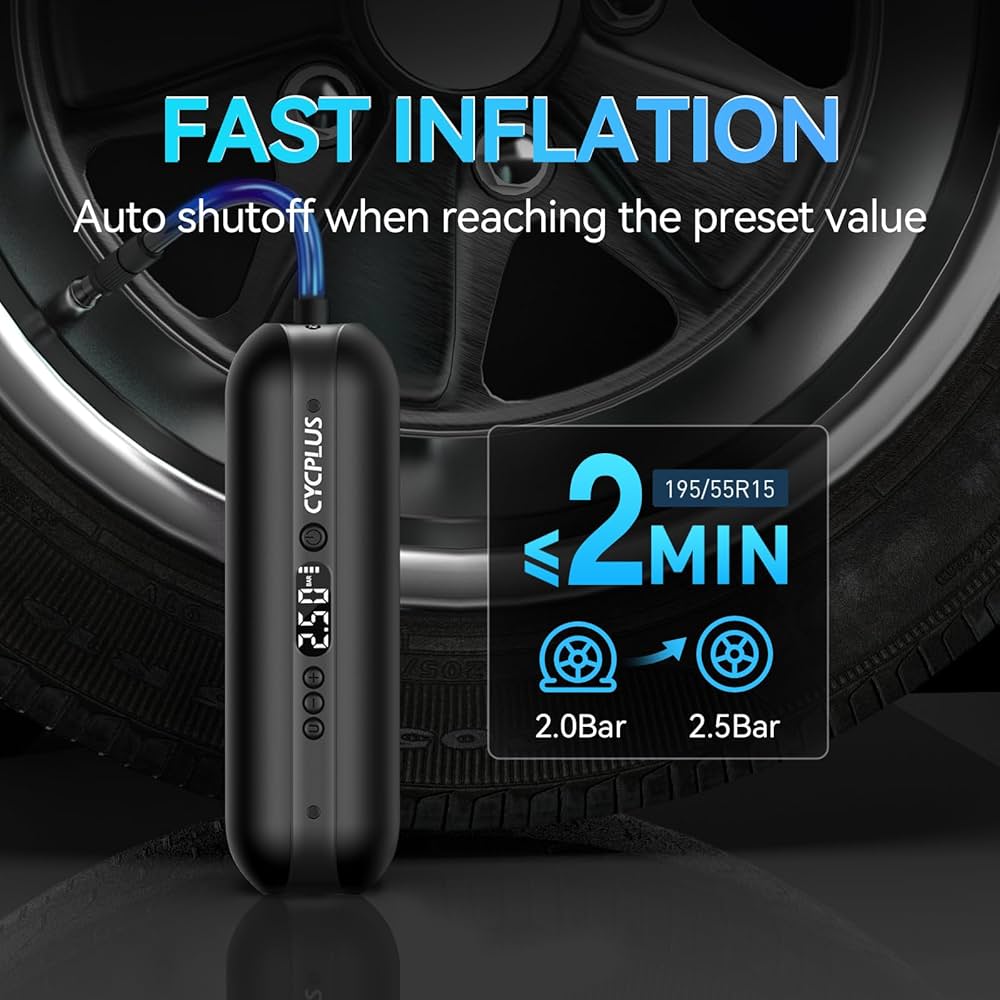
Portable Air Compressors
Portable air compressors are small devices you can carry in your car. They plug into your car’s power outlet to work.
They fill tires faster than a bicycle pump and need less physical effort. Some models come with pressure gauges for accuracy.
Foot Pumps
Foot pumps use your foot to push air into the tire. They are simple and do not need electricity.
Foot pumps take more time than air compressors but are better than hand bicycle pumps for car tires.
Gas Station Air Pumps
Gas stations often have air pumps for tire inflation. They are powerful and fast at filling car tires.
These pumps usually have a pressure gauge and can inflate tires to the correct level easily.
Safety Tips When Pumping Tires
Pumping a car tire with a bicycle pump can be done safely if you follow some simple tips. It is important to check the tire and pump carefully before starting.
Always pay attention to the tire pressure and condition to avoid accidents. Proper care keeps you and your vehicle safe.
Avoiding Overinflation
Do not pump the tire too much. Overinflation can cause the tire to burst and cause injury.
Check the car tire’s recommended pressure before you start pumping. Use a pressure gauge to measure the air inside the tire.
- Stop pumping if the pressure reaches the recommended level
- Keep the pump steady and do not rush
- Check the pressure several times during pumping
Checking For Tire Damage
Look at the tire for any cuts, cracks, or objects stuck in it before pumping. Damaged tires can be unsafe.
If you see any damage, avoid pumping the tire and get it repaired or replaced as soon as possible.
- Inspect the sidewalls and tread carefully
- Do not pump a tire with visible holes or tears
- Seek help from a professional if unsure about damage
Maintaining Proper Tire Pressure
Keep your tire pressure at the level recommended by the car maker. This helps the car drive safely and saves fuel.
Check your tire pressure regularly, especially before long trips or when the weather changes.
- Use a good pressure gauge to check tires
- Adjust pressure if it is too low or too high
- Remember that cold weather lowers tire pressure

Credit: woowind.store
Frequently Asked Questions
Can A Bicycle Pump Inflate A Car Tire Effectively?
Yes, a bicycle pump can inflate a car tire but it takes longer due to volume differences. Use a pump with a pressure gauge for accuracy.
What Type Of Bicycle Pump Works Best For Car Tires?
A high-pressure hand pump or a floor pump with a compatible valve adapter works best for car tires. Ensure it fits the tire valve type.
How Long Does It Take To Pump A Car Tire Manually?
Pumping a car tire with a bicycle pump can take several minutes. Time depends on tire size and pump efficiency.
Is It Safe To Use A Bicycle Pump On Car Tires?
Yes, it is safe if you use the correct valve adapter and monitor tire pressure closely to avoid overinflation.
Conclusion
You can use a bicycle pump to fill a car tire in an emergency. It takes more time and effort than a regular air pump. Make sure the pump fits the tire valve. Keep checking the pressure to avoid overinflating.
This method works best for small leaks or low tire pressure. Always carry a proper car tire pump for convenience. Remember, safety matters most when driving. Simple tools can help in tough spots. Keep your tires ready for the road ahead.